What Is the Best Solar Panel?
The best solar panel is one that matches your energy needs, installation space, environmental conditions, and budget. High efficiency matters, but durability, long-term output, warranty coverage, and application-specific design matter just as much.
There is no universal winner. A high-efficiency rigid panel may be ideal for a residential rooftop, while a lightweight flexible panel can be a better choice for an RV, yacht, or curved surface.
When comparing solar panels, buyers should look beyond the wattage printed on the front label. The real question is how reliably a panel will produce electricity under the conditions where it will actually be used.
What Makes a Solar Panel the Best?
A good solar panel should deliver consistent power, withstand environmental exposure, and provide a reasonable return over its service life. Five factors deserve particular attention.
1. Conversion Efficiency
Solar panel efficiency measures how much available sunlight a module converts into electricity.
For example, a 22% efficient panel converts approximately 22% of the solar energy reaching its surface into electrical power under specified test conditions.
Higher efficiency is particularly valuable when installation space is limited. However, a higher percentage does not automatically mean a better purchase.
Compare these factors:
- Efficiency: Important when roof or installation space is restricted.
- Rated power: Indicates the panel’s nominal output under standard test conditions.
- Power density: Helps compare output relative to physical dimensions.
- Temperature coefficient: Indicates how output changes as cell temperature increases.
The U.S. Department of Energy explains that standard test conditions use 1,000 W/m² irradiance and a cell temperature of 25°C. Actual operating conditions are often different, especially on hot rooftops.
Source: U.S. Department of Energy – Optimizing Solar PV Performance.
2. Durability and Material Quality
Solar panels operate outdoors for years, facing sunlight, moisture, temperature changes, wind, and sometimes salt spray.
The best construction depends on the installation environment.
- Tempered glass: Common in conventional rigid solar panels, offering mechanical protection.
- ETFE surface: Used in some lightweight and flexible modules for UV resistance and surface protection.
- Reinforced encapsulation: Helps protect solar cells and electrical connections.
- Waterproof junction boxes: Important for installations exposed to rain or marine conditions.
For boats and yachts, corrosion resistance and moisture protection deserve extra attention. For RVs, weight and vibration resistance may matter more than maximum module efficiency.
3. Long-Term Performance and Warranty
A solar panel should not only perform well when new. Its output should remain predictable over time.
According to the National Renewable Energy Laboratory (NREL), a review of nearly 2,000 reported photovoltaic degradation rates found a median degradation rate of approximately 0.5% per year.
This makes long-term performance an important purchasing consideration.
Source: NREL – Photovoltaic Degradation Rates: An Analytical Review.
Check both warranty types:
| Warranty Type | What It Covers |
|---|---|
| Product warranty | Manufacturing and material defects |
| Performance warranty | Guaranteed power output over a specified period |
Always read the actual warranty conditions rather than assuming every manufacturer offers identical coverage.
Which Type of Solar Panel Is Best for Different Applications?
The most suitable solar technology changes with the installation location. Here is a practical comparison.
| Solar Panel Type | Main Advantages | Best Applications |
|---|---|---|
| Monocrystalline rigid | High efficiency, established construction | Residential rooftops, commercial systems |
| Flexible solar panel | Lightweight, thin, adaptable to curved surfaces | RVs, boats, yachts |
| Portable folding solar panel | Easy to transport and reposition | Camping, outdoor activities |
| Polycrystalline | Established technology, traditionally lower cost | Selected budget installations |
| Thin-film solar panel | Lightweight and adaptable in certain designs | Specialized lightweight applications |
Best Solar Panels for Home
For most residential installations, high-efficiency monocrystalline rigid panels are a practical starting point.
They provide substantial power within limited roof space and are widely used in residential photovoltaic systems.
Homeowners should also consider roof orientation, shading, local weather, inverter compatibility, and installation costs.
Best Solar Panels for RVs and Boats
For mobile applications, lightweight flexible solar panels can offer advantages that conventional rigid panels cannot.
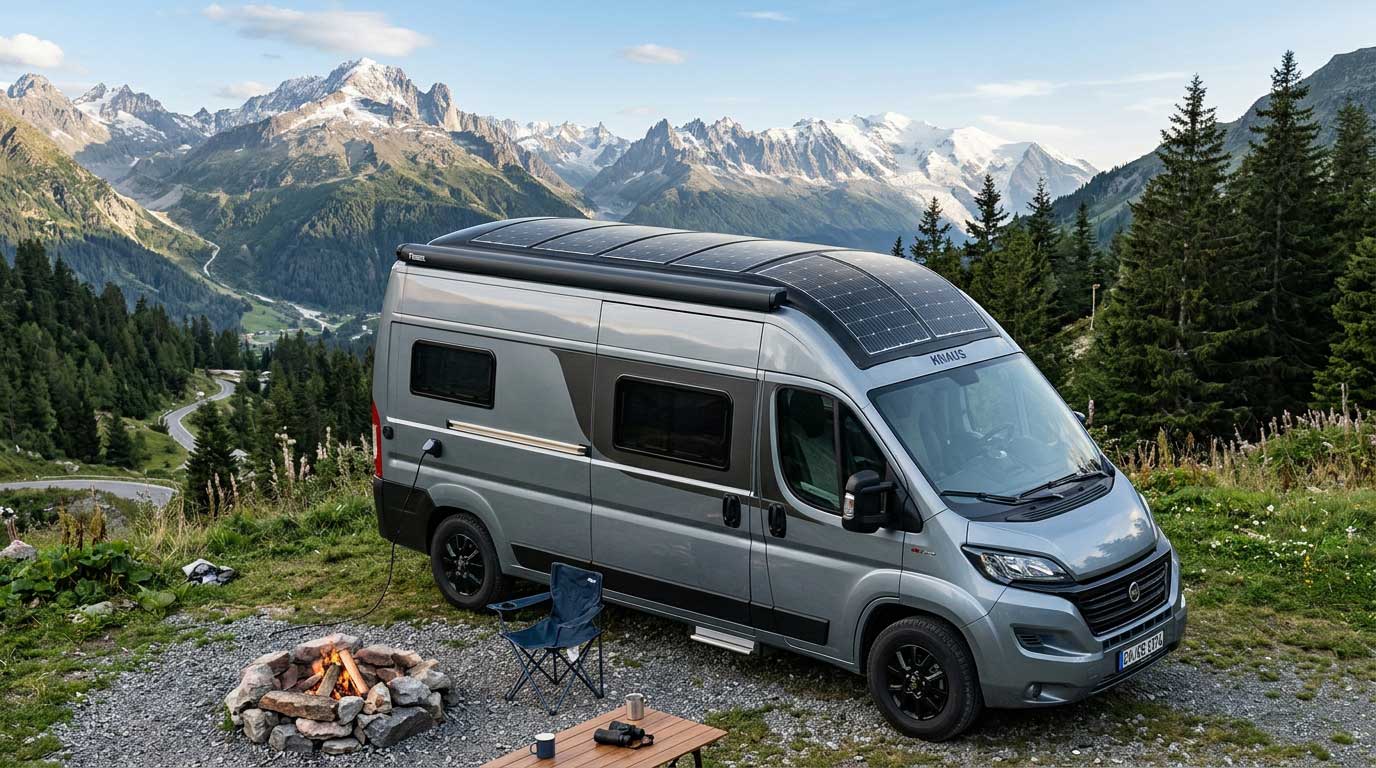
For marine installations, buyers should pay particular attention to salt-water resistance, waterproof electrical connections, and the panel’s mounting method.
Bright Solar’s L Series flexible solar panels offer up to 30% flexibility, with an ETFE surface designed for demanding outdoor applications. They can be considered for RVs, campers, and selected curved-surface installations.
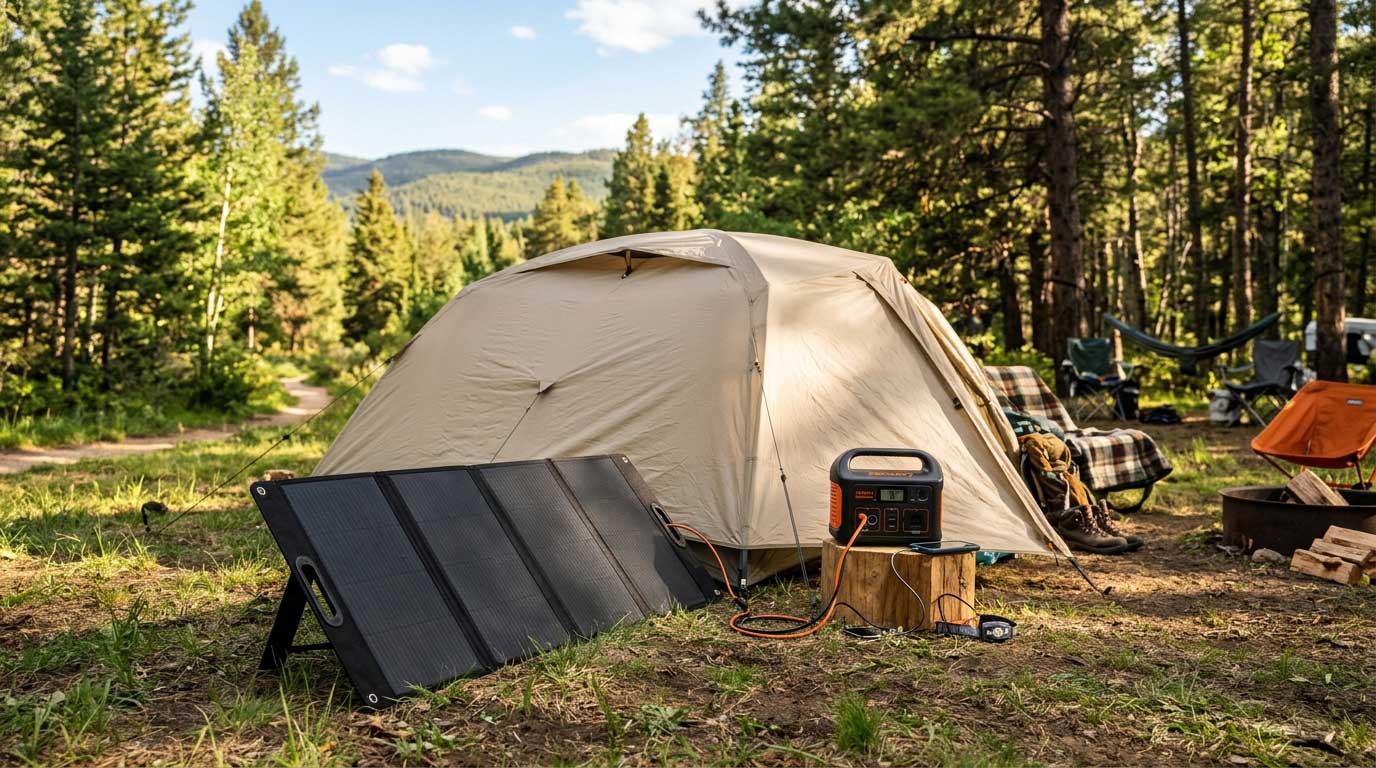
Best Portable Solar Panels for Camping
Portable folding solar panels are suitable for people who need temporary electricity without permanently installing modules.
How to Choose the Best Solar Panel Before Buying
Before selecting a particular model, work through these practical checks:
- Calculate energy requirements: Estimate daily electricity consumption in watt-hours rather than choosing a panel based only on its advertised wattage.
- Measure available space: Check roof dimensions, mounting restrictions, and possible shading.
- Compare actual specifications: Review Pmax, Vmp, Imp, Voc, Isc, efficiency, dimensions, and weight.
- Consider environmental exposure: Evaluate heat, humidity, vibration, UV exposure, and salt-water conditions.
- Check system compatibility: Confirm that the panel’s voltage and current match the charge controller, inverter, and battery configuration.
- Verify manufacturer support: Review warranty documentation, technical datasheets, certifications, and customization capabilities.
One detail that buyers sometimes overlook is the difference between rated power and actual daily energy production. A 200W panel does not continuously produce 200W throughout the day. Sunlight intensity, panel temperature, orientation, and shading all influence the result.
For B2B buyers, additional considerations include OEM/ODM capabilities, cell technology options, customized dimensions, connector selection, and production consistency across bulk orders.
FAQ About What Is the Best Solar Panel?
Are monocrystalline solar panels the best?
Monocrystalline panels are an excellent choice for many applications because of their efficiency and established manufacturing technology. However, flexible and portable designs may be more suitable for specialized installations.
What is the most efficient type of solar panel?
High-efficiency monocrystalline technologies, including advanced N-type cell designs, are among the leading commercial options. Actual module efficiency varies by manufacturer and model.
Are expensive solar panels always better?
No. Higher prices may reflect efficiency, materials, warranties, or manufacturing quality. Compare the total cost, expected energy production, and installation requirements instead of relying on price alone.
Are flexible solar panels as good as rigid panels?
Flexible panels are better suited to lightweight installations and curved surfaces, while rigid panels generally offer advantages in conventional rooftop applications. Neither design is universally superior.
How long should a good solar panel last?
Many conventional photovoltaic systems are designed around a 25–30-year service life. Actual panel longevity depends on materials, environmental exposure, installation quality, and maintenance.
What wattage solar panel should I buy?
Choose wattage according to your daily energy consumption and available installation space. A larger panel is not necessarily better if your charge controller, battery, or installation area cannot accommodate it.
Conclusion: What Is the Best Solar Panel?
The best solar panel is not necessarily the most expensive or the one with the highest efficiency rating. It is the module that provides dependable energy, fits the installation environment, and meets your long-term performance expectations.
For residential rooftops, consider high-efficiency rigid monocrystalline panels. For RVs and boats, lightweight flexible modules may be more practical. For camping, portable folding panels offer greater convenience.
At Bright Solar, we focus on flexible solar panel solutions for RV, marine, outdoor, and off-grid applications. We support B2B customers with product selection, technical specifications, and customized solar panel requirements.
Ultimately, what is the best solar panel depends on where it will be installed and what you expect it to do.
Related recommendations
-

How to Turn Off Solar Panels?
418Learn how to turn off solar panels safely using proper shutdown procedures. Discover real maintenance experience, disconnect methods, and solar safety advice.
View details -
How to install ring solar panel?
149how to install ring solar panel with proper mounting, wiring, and setup steps. Learn practical solar installation tips and expert insights from Bright Solar.
View details -
how much solar panels cost?
330Understand how much solar panels cost with real installation data, market breakdowns, and field insights from Bright solar engineers across global residential projects.
View details -
How Much Are Solar Panels for My House?
254How much are solar panels for my house? Discover real 2026 installation costs, pricing by home size, expert insights, and practical ways to estimate your residential solar investment with Bright Solar.
View details