Best Flexible Solar Panel for RVs, Boats, and Off-Grid Travel
The best flexible solar panel is not necessarily the highest-wattage model or the cheapest option online. The best flexible solar panel is the one that survives heat, vibration, weather exposure, and long-term outdoor use while continuing to deliver stable charging performance in real travel conditions.
That distinction becomes obvious surprisingly fast once you leave parking lots and showroom displays behind.
A few years ago, I spent nearly a week moving between campgrounds across Utah and northern Arizona during late summer heat. Several travelers had recently installed inexpensive flexible solar kits purchased online because the specifications looked impressive on paper.
Within days, small problems appeared.
One lightweight solar panel surface started bubbling under direct afternoon heat.
Another setup suffered intermittent charging caused by weak connector sealing.
One RV owner already noticed adhesive edges lifting after highway driving.
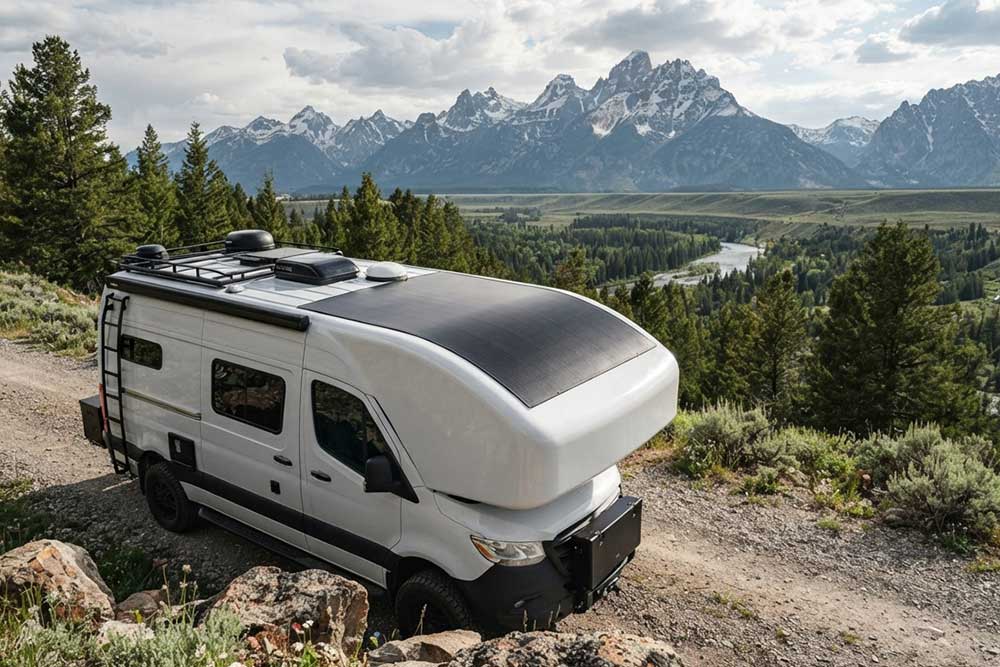
Meanwhile, a quieter setup mounted flush against a fiberglass camper roof kept running steadily the entire trip without drawing attention to itself.
That changed how I evaluate durable flexible solar panel permanently.
The best systems are rarely the loudest advertised products.
They are the ones still working properly after thousands of highway miles, coastal moisture, roof vibration, and repeated thermal cycling.
Why Flexible Solar Panels Became So Popular
The shift happened gradually, then all at once.
Remote work expanded.
Van life exploded.
Portable lithium batteries improved.
People started traveling longer without shore power.
According to the International Energy Agency (IEA), global solar photovoltaic capacity continues expanding rapidly as distributed and mobile energy systems become more common worldwide.
Source: International Energy Agency
https://www.iea.org/reports/renewables-2024
At the same time, modern monocrystalline solar cells became:
- More efficient
- Thinner
- Lighter
- Better suited for curved surfaces
That opened the door for lightweight solar systems designed specifically for:
- RVs
- Camper vans
- Boats
- Portable off-grid systems
- Marine applications
And honestly, once people experience the difference between low-profile solar and heavy rooftop racks vibrating at highway speed, it becomes difficult to go backward.
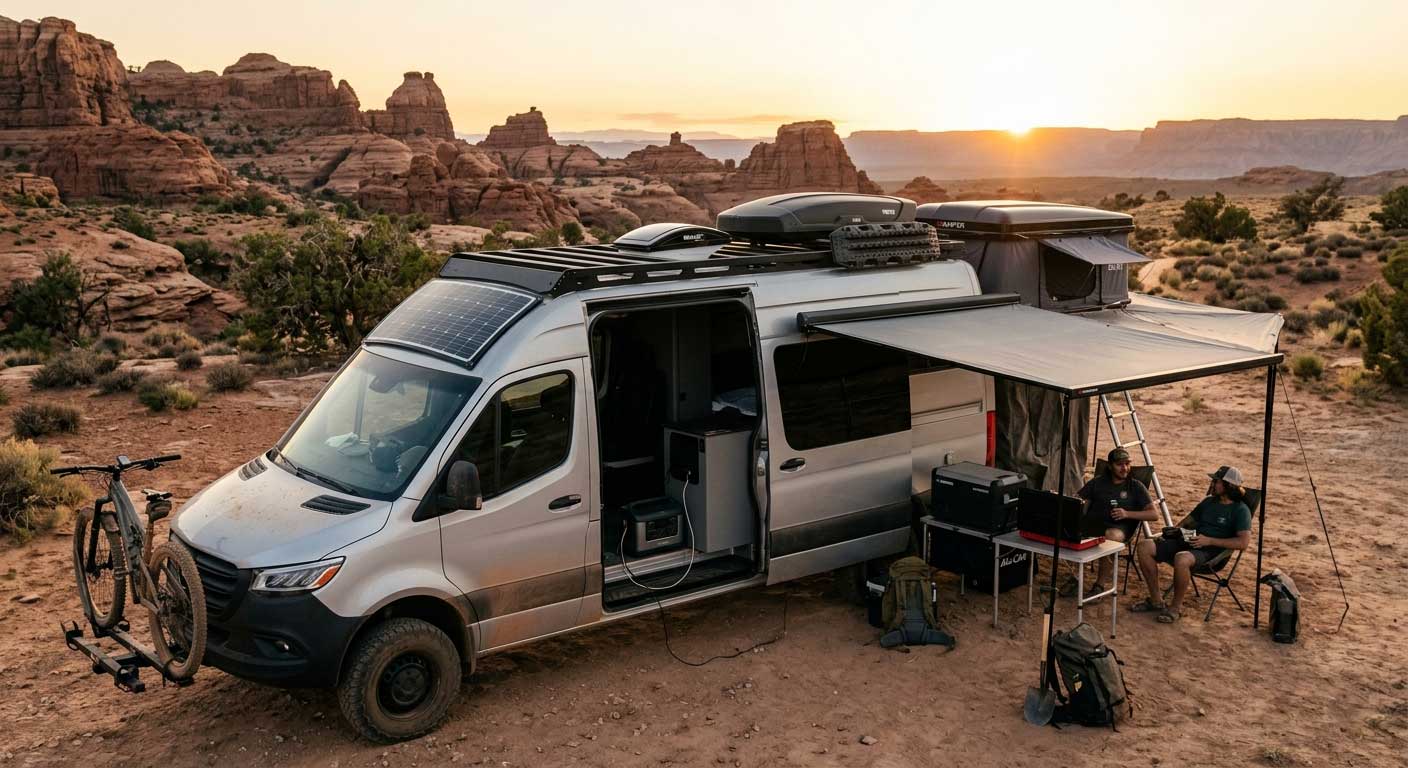
What Actually Makes the Best Flexible Solar Panel?
Marketing language online usually focuses on wattage.
Real-world durability depends on different factors entirely.
1. Heat Resistance Matters More Than Most Buyers Realize
durable flexible solar panels sit closer to the roof surface than rigid solar.
That creates a major heat challenge.
Near Lake Mead one July afternoon, I checked rooftop temperatures on a matte-black camper van with an infrared thermometer. Surface temperatures exceeded 80°C before mid-afternoon.
The cheap lightweight solar panels nearby were almost too hot to touch.
Heat accelerates:
- Efficiency loss
- Adhesive fatigue
- Surface warping
- Cell degradation
The best flexible solar panel systems manage heat more effectively through:
- Higher-quality ETFE surfaces
- Better cell encapsulation
- Improved material stability
The U.S. Department of Energy notes that elevated temperatures reduce photovoltaic efficiency significantly.
Source: U.S. Department of Energy
https://www.energy.gov/eere/solar
That reduction becomes very noticeable in desert environments.
2. ETFE Surface Protection Is Essential
Cheap PET-coated lightweight solar panels often degrade faster under prolonged UV exposure.
ETFE performs much better outdoors.
According to DuPont material testing, ETFE materials provide strong UV resistance and long-term environmental durability compared with many conventional outdoor polymers.
Source: DuPont
https://www.dupont.com
That matters enormously for:
- Marine use
- Desert travel
- Tropical climates
- Long-distance road trips
One RV owner I met outside Phoenix showed me a low-cost PET lightweight solar panel that had yellowed noticeably after less than two summers.
The electrical output still existed.
But efficiency had already started dropping.
3. Waterproofing Determines Long-Term Reliability
Many low-cost systems fail at the connectors before the solar cells themselves wear out.
The best flexible solar panel setups typically include:
- IP67 or IP68 waterproof junction boxes
- UV-resistant cables
- Waterproof MC4 connectors
- Tinned copper conductors
Salt air exposes weak electrical components extremely quickly.
Marine environments are ruthless on cheap hardware.
How Much Power Can the Best Flexible Solar Panel Produce?
That depends on system size.
But realistic daily production matters more than theoretical maximum wattage.
Here is what properly installed systems often generate under practical field conditions:
| Panel Size | Typical Daily Production |
|---|---|
| 100W | 400Wh–700Wh |
| 200W | 800Wh–1.4kWh |
| 300W | 1.2kWh–2.1kWh |
| 400W | 1.6kWh–2.8kWh |
Assuming:
- 4–7 peak sunlight hours
- Minimal shading
- MPPT charging
- Proper battery storage
One thing beginners underestimate is shading sensitivity.
A small shadow from a rooftop vent or sailboat mast can reduce output dramatically.
That becomes obvious very quickly in marina installations.
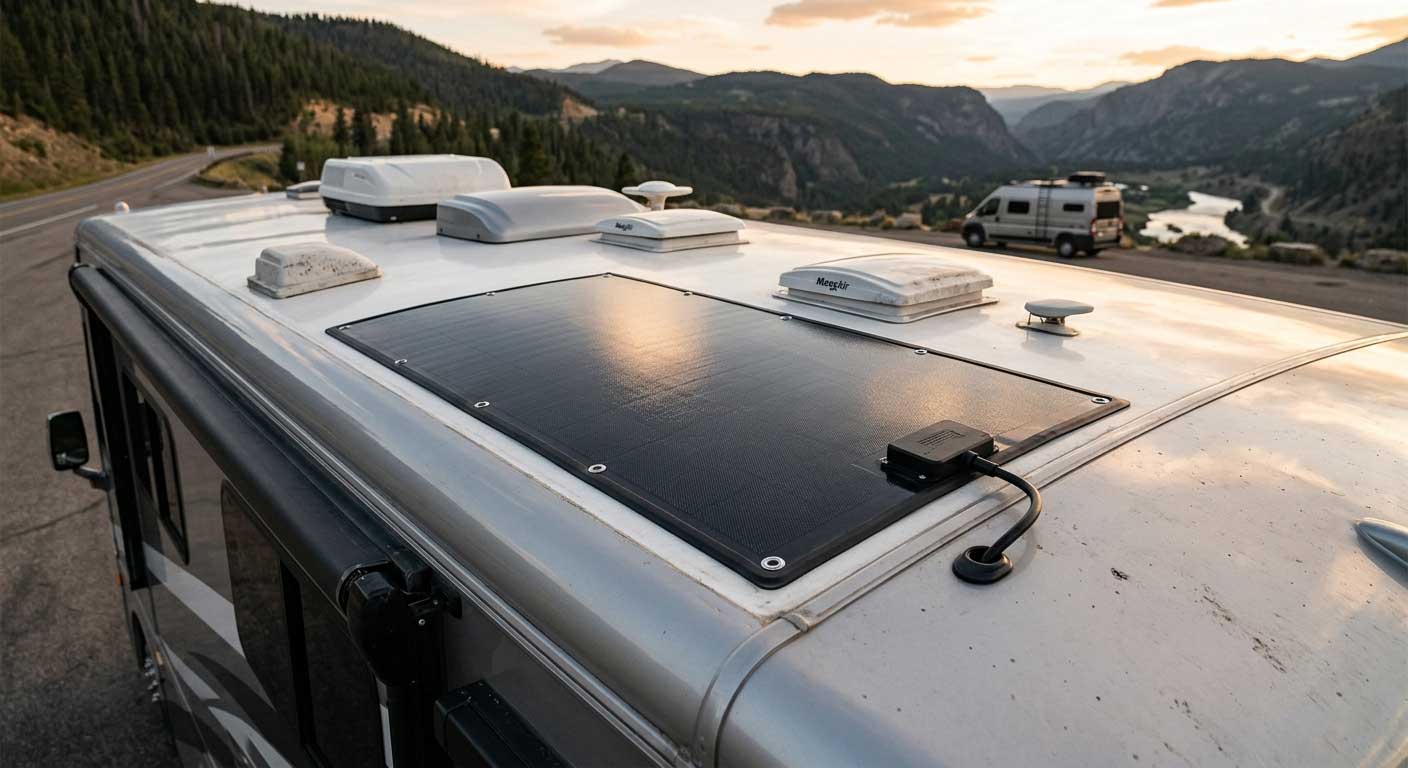
Best Flexible Solar Panels Applications
Not every off-grid setup needs massive rooftop arrays.
Sometimes cleaner, balanced systems perform better long-term.
RV and Camper Van Systems
durable flexible solar panels work especially well for:
- Fiberglass roofs
- Curved surfaces
- Lightweight camper builds
- Pop-top vans
Their low-profile design reduces aerodynamic drag and vibration during highway driving.
One Bright Solar customer tracked fuel consumption after replacing raised rigid panels with flexible rooftop solar.
Fuel efficiency improved roughly 3–5% over long-distance travel.
Small numbers on paper.
Meaningful over thousands of miles.
Marine Solar Installations
Boats create different challenges entirely.
Salt air.
Constant vibration.
Curved surfaces.
Limited roof space.
best flexible solar panels adapts naturally to marine environments because the panels can conform slightly to deck surfaces while remaining lightweight.
That matters on sailboats where weight distribution affects stability.
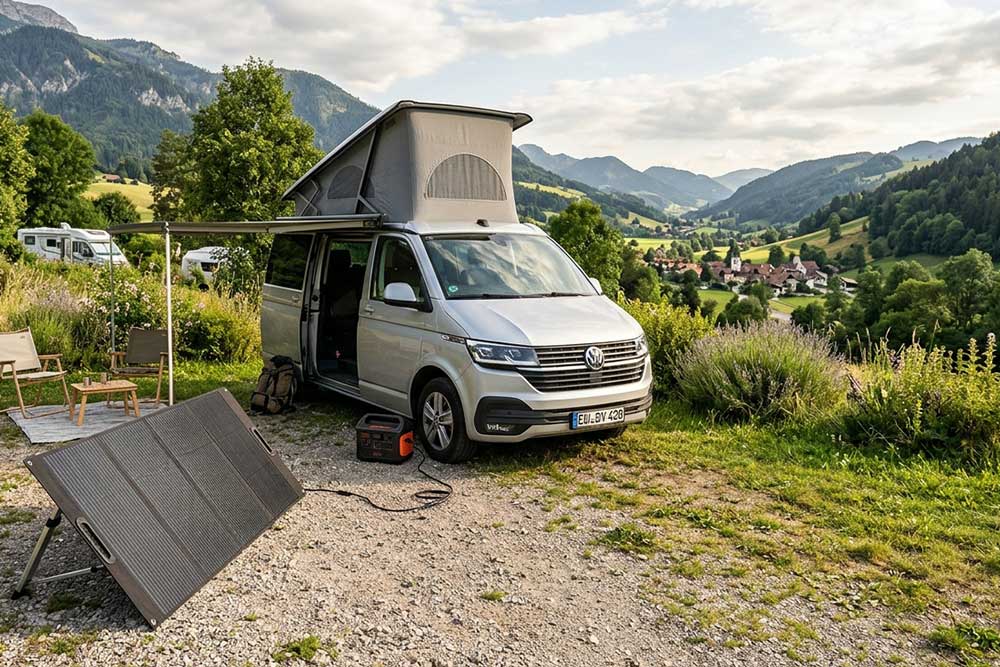
Portable Off-Grid Power Systems
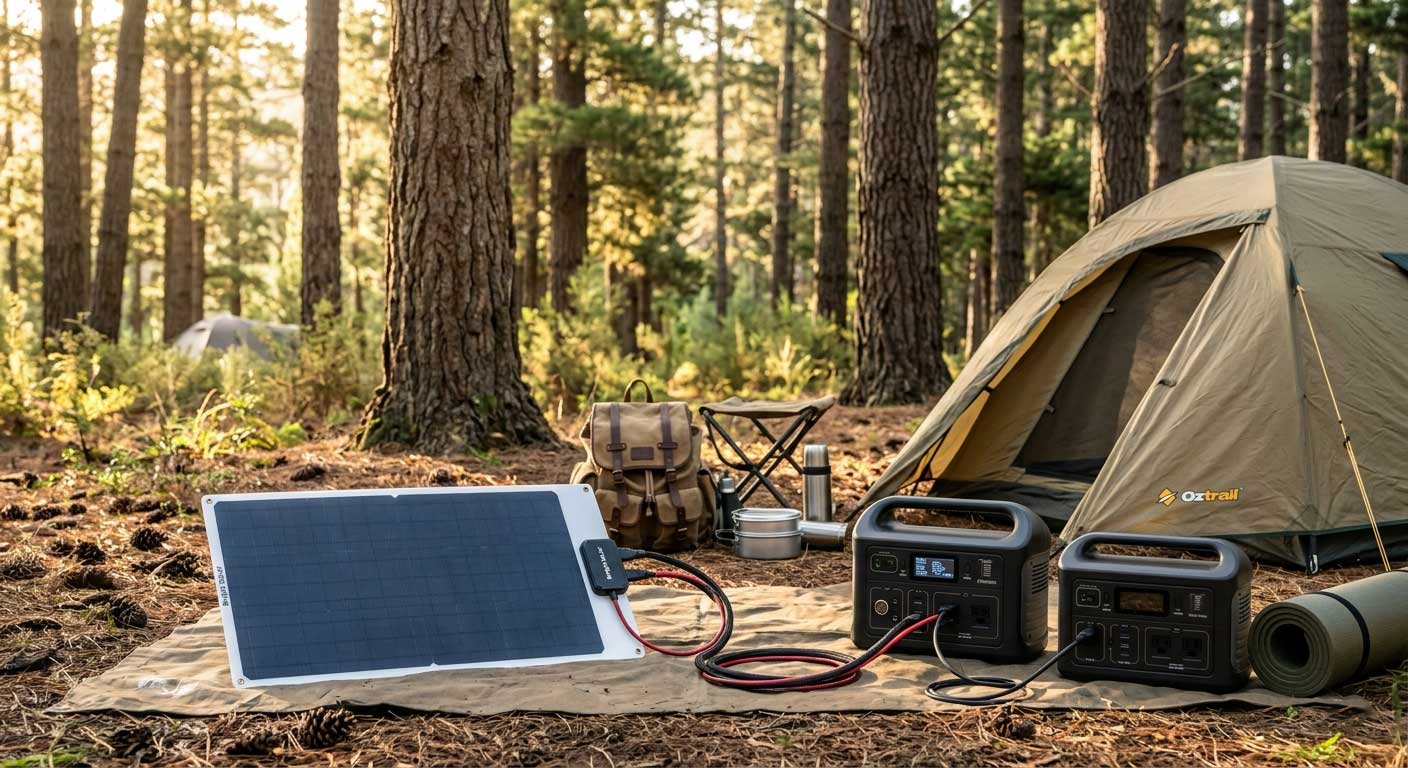
Portable lithium power stations pair exceptionally well with durable flexible solar panel.
The best flexible solar panels systems now commonly support:
- Portable refrigerators
- Lighting systems
- Camera equipment
- Internet systems
- Remote workstations
Without requiring noisy generators.
That shift quietly changed modern camping culture.
Common Problems Cheap Flexible Solar Panels Develop
Most failures follow predictable patterns.
Surface Bubbling
Heat expansion can separate weak adhesive layers.
Once bubbling begins, long-term durability declines quickly.
Connector Corrosion
Poor waterproofing allows moisture intrusion.
Marine air accelerates corrosion aggressively.
Cell Microcracks
Repeated vibration combined with weak material support creates invisible fractures over time.
Highway travel exposes those weaknesses surprisingly fast.
How to Choose the Best Flexible Solar Panels
Ignore exaggerated marketing language.
Focus on real engineering details.
Look for:
- ETFE surface protection
- Monocrystalline cells
- Waterproof connectors
- UV-resistant cables
- Heat tolerance
- Stable power output
- Lightweight construction
At Bright Solar, durable flexible solar panel products are engineered specifically for:
- RV travel
- Marine environments
- Lightweight rooftop systems
- Long-distance vibration resistance
- Harsh outdoor exposure
Because laboratory testing alone never reflects real travel conditions completely.
Dust.
Crosswinds.
Tree debris.
Highway vibration.
Salt air.
Extreme summer heat.
Those conditions expose weak solar products very quickly.
FAQ: Best Flexible Solar Panel
What is the best flexible solar panels for RVs?
The best flexible solar panels for RVs combines lightweight construction, ETFE surface protection, waterproof connectors, and reliable heat resistance for long-term travel durability.
Are flexible solar panels worth buying?
Yes. best flexible solar panels are ideal for RVs, boats, camper vans, and portable off-grid systems where weight reduction and low-profile installation matter.
How long do flexible solar panels last?
High-quality flexible solar panels generally last between 5 and 15 years depending on environmental exposure, installation quality, and operating temperatures.
Do flexible solar panels overheat?
best flexible solar panels can become very hot under direct sunlight because they sit close to roof surfaces. High-quality ETFE materials and proper installation help manage heat more effectively.
Can flexible solar panels charge lithium batteries?
Yes. best flexible solar panels commonly charge lithium battery systems when paired with compatible MPPT charge controllers.
Final Thoughts
The best flexible solar panels is not simply the panel with the highest wattage printed on the box.
It is the one that survives real travel.
Heat.
Vibration.
Road miles.
Salt air.
Storms.
Dust.
After enough time around off-grid systems, flashy specifications start mattering less than quiet reliability.
And the best flexible solar panel systems are usually the ones you stop noticing because they simply keep working.
Related recommendations
-

Flexible Amorphous Solar Panel: Technology, Uses and Selection Guide
123A flexible amorphous solar panel uses thin-film non-crystalline silicon on a flexible substrate for lightweight, thin, or unusual mounting surfaces.
View details -
10W Flexible Solar Panel: Compact Power for Portable and Off-Grid Use
153A 10W flexible solar panel is a compact power source for low-energy, portable, marine, RV, and small off-grid applications.
View details -
Solar Pergolas for Outdoor Living and Clean Energy Generation
145Discover how solar pergolas combine shade, clean energy, and modern outdoor living. Learn design options, costs, performance, and installation insights from Bright Solar.
View details -
140 Watt Folding Solar Panel: Output, Battery Charging and Camping Guide
26A 140W folding solar panel provides portable power for camping, RVs, and small off-grid systems. Actual energy output depends on sunlight, system efficiency,...
View details