do it yourself solar panel kits?
Core Answer :
do it yourself solar panel kits are pre-packaged solar systems designed for off-grid or small residential use. They include panels, inverter, and wiring. While suitable for basic setups, full home grid-connected installation still requires professional compliance due to safety codes and electrical regulations.
What I’ve Seen in Real DIY Solar Projects (Bright solar Field Notes)
I’ve stepped into garages where homeowners proudly assembled their first solar kit on a workbench, cables still labeled with marker pen. Some worked perfectly. Some didn’t survive the first load test.
That contrast is common.
According to the U.S. Department of Energy, small solar installations and off-grid systems are growing steadily, but grid-connected systems still require certified installation due to electrical safety standards.
Source: https://www.energy.gov/eere/solar
The National Renewable Energy Laboratory (NREL) notes that improper installation is one of the leading causes of system underperformance, often reducing output by 10–20% in non-certified setups.
Source: https://www.nrel.gov/solar/
DIY works—but only within limits.
What do do it yourself solar panel kits include?
A typical DIY solar kit is designed for simplicity, not full-house complexity.
Standard kit components
Most kits include:
- Solar panels (100W–400W each)
- Charge controller
- Inverter (sometimes optional)
- Wiring and connectors
- Mounting brackets
Some advanced kits include battery storage, but many do not.
Where DIY solar kits actually work best
In real-world usage from Bright solar field observations:
- RV and camper systems
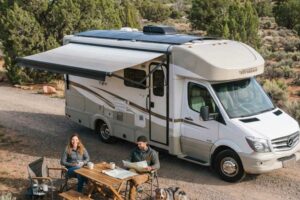
- Small cabins or sheds
- Off-grid lighting setups
- Backup emergency power systems
They are not typically designed for full household grid replacement.
Real Installation Experience: What Happens on Site
One of our field reviews involved a 1.2kW DIY kit installed on a weekend cabin.
What worked:
- Easy mounting system
- Quick plug-and-play wiring
- Immediate power output
What failed:
- Undersized inverter caused clipping losses
- Battery not matched to load demand
- Poor cable routing created voltage drop
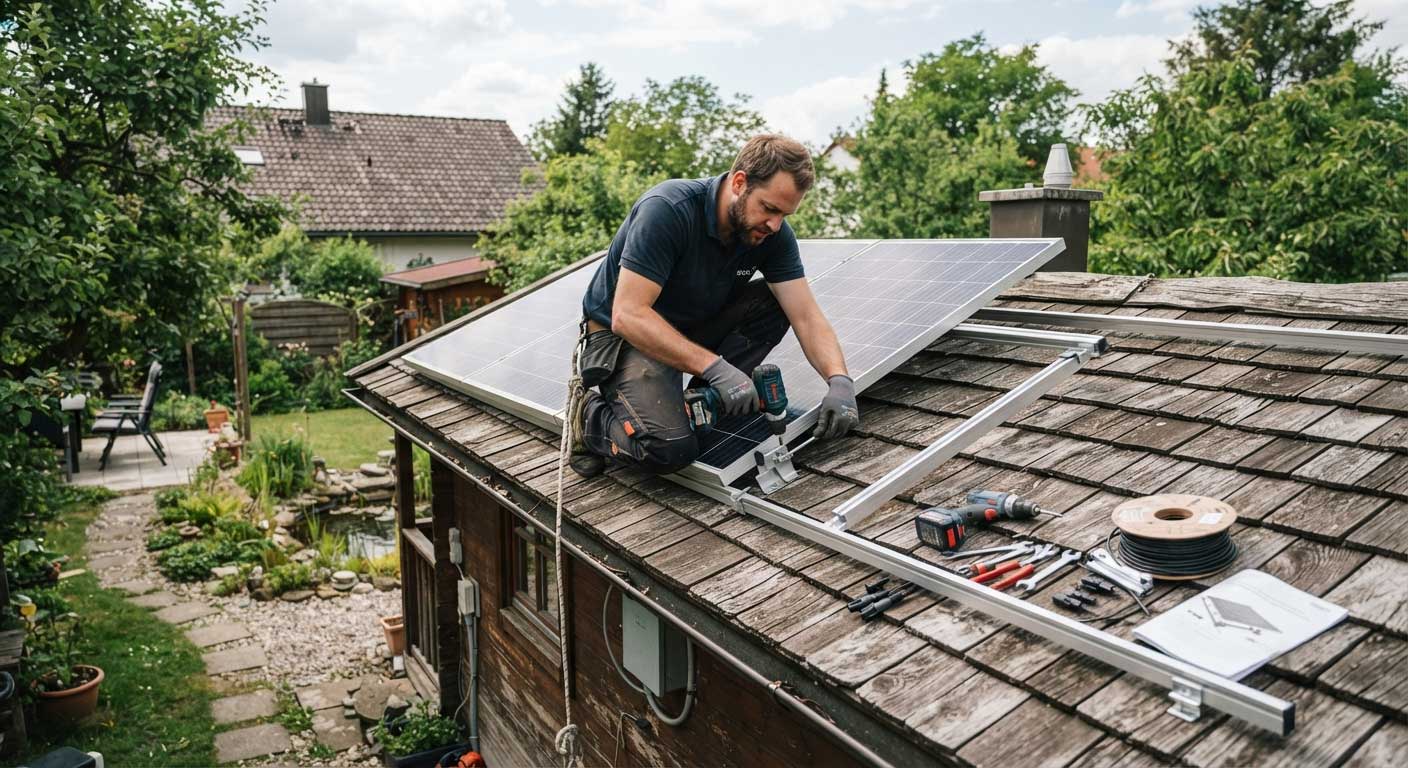
Safety and Limits of do it yourself solar panel kits
This is where experience matters more than packaging.
Key limitations:
- No professional grid certification
- Limited surge protection
- Battery mismatch risk
- Roof safety concerns during installation
- Wiring errors can reduce efficiency or cause hazards
IEA PVPS data highlights that improper installation can reduce system efficiency and reliability, especially in non-certified residential setups.
Source: https://iea-pvps.org/
DIY systems are safe only when used within designed limits.
Cost Reality of DIY Solar Kits
DIY kits are often marketed as “cheap solar.”
But real costs include more than hardware:
| System Type | Typical Cost |
|---|---|
| Small 300–800W kit | $300–$1,200 |
| Medium 1–3kW kit | $1,500–$4,000 |
| Advanced off-grid system | $5,000–$10,000+ |
Hidden costs often appear in:
- Battery upgrades
- Cable extensions
- Mounting hardware upgrades
- Safety equipment
Field Insight: Where DIY Works—and Where It Breaks
From Bright solar field experience:
DIY kits perform well when:
- Load demand is stable and low
- Sunlight exposure is consistent
- System is not connected to grid
They struggle when:
- Energy demand fluctuates
- High surge appliances are used
- Improper inverter sizing is applied
- Wiring distance is too long
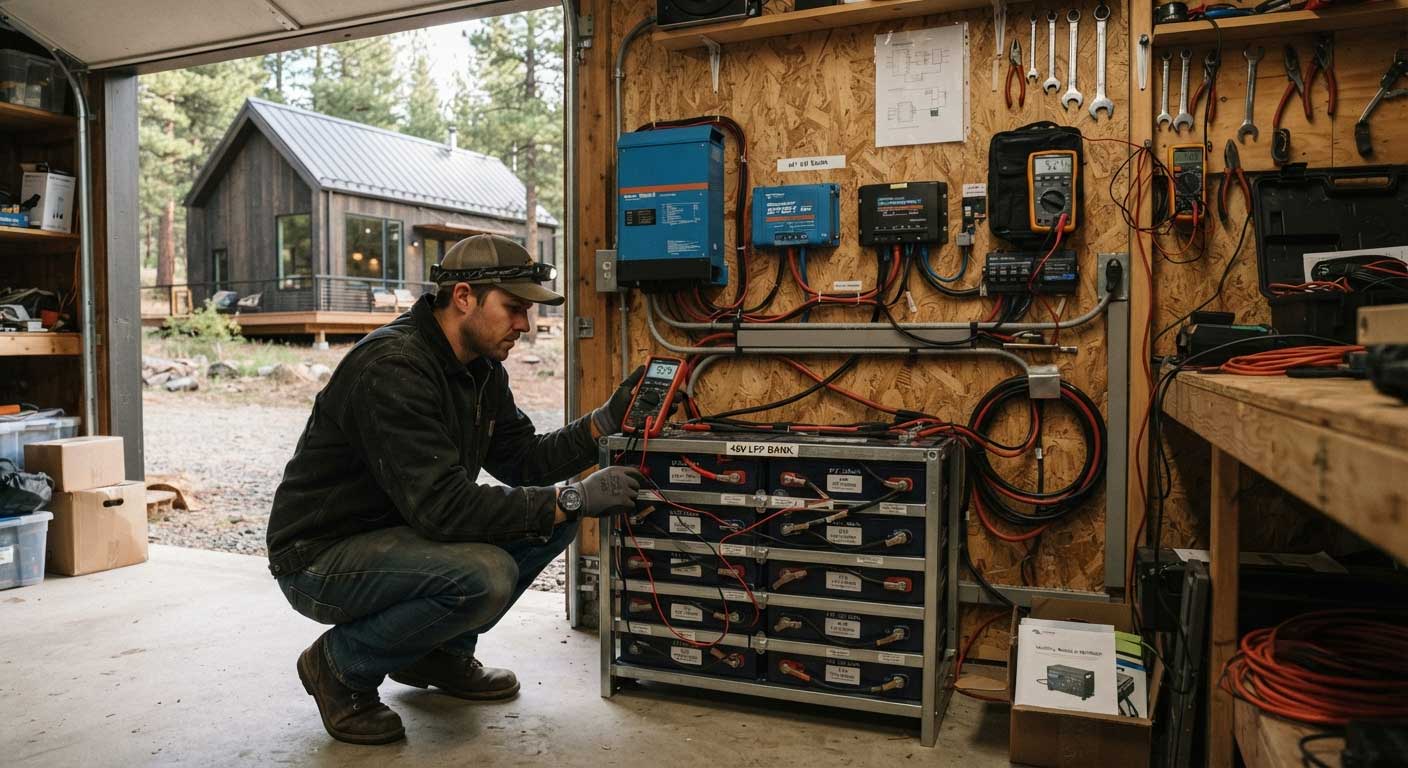
Common Mistakes with do it yourself solar panel kits
From field inspections, we repeatedly see:
- Undersized inverter selection
- Incorrect battery voltage pairing
- Poor grounding practices
- Overloaded charge controllers
- No shading consideration during placement
These issues don’t always fail immediately—they reduce long-term efficiency silently.
FAQ Aboutdo it yourself solar panel kits
Are DIY solar panel kits worth it?
Yes, for small off-grid systems like RVs, cabins, or backup power.Visit the product page: Flexible Solar Panel
Can DIY solar kits power a whole house?
Not reliably unless the system is professionally designed and expanded.
Are DIY solar kits safe?
Yes, if installed correctly and used within low-voltage limits.
How long do DIY solar kits last?
Panels can last 20–25 years, but batteries often last 3–10 years.
Do DIY kits need permits?
Usually no for off-grid systems, but grid-connected setups do.
What is the biggest risk in DIY solar?
Incorrect wiring and battery mismatch are the most common issues.
Can I expand a DIY solar kit later?
Yes, but compatibility between components must be checked carefully.
Final Field Perspective from Bright solar
do it yourself solar panel kits are practical tools—not full infrastructure solutions. In real applications, they work best when expectations match design limits. The technology is solid, but system integration is where most failures appear.
From field experience, success in DIY solar is less about assembly—and more about understanding boundaries.
The prev: How Much Do Solar Panels Cost Per Panel?The next: do solar panels work at night?
Related recommendations
-

How Much Is One Solar Panel?
194How much is one solar panel? Learn current panel prices, cost factors, wattage differences, and expert buying tips from Bright Solar for better decisions.
View details -
How to Hook Up Solar Panel to Battery?
224Connect the solar panel to a compatible charge controller first, then connect the controller to the battery with correct polarity.
View details -
How much is it to install a solar panel?
106How much is it to install a solar panel? Learn installation costs, labor factors, system sizing, and real pricing insights from Bright Solar experts.
View details -
Do Solar Panels Work in the Night?
100No. Conventional solar panels do not generate useful electricity at night because they need incoming light. Nighttime solar power requires stored energy from...
View details