How Much Does It Cost to Get Solar Panels?
How Much Does It Cost to Get Solar Panels?
Installing solar panels typically costs between $15,000 and $30,000 for a residential system in the United States before incentives, depending on system size, equipment quality, and labor costs. After federal tax credits and local incentives, many homeowners pay significantly less and recover their investment through long-term electricity savings.
I remember walking onto a rooftop project outside Phoenix in late summer. The homeowner had already received three quotes. One installer wanted $17,000, another nearly $29,000. The systems looked similar on paper, but they were not the same product at all.
That’s the confusing part about solar pricing. Two systems can have the same number of panels and still differ by thousands of dollars.
About the Author
This article was prepared by the engineering and marketing team at Bright Solar, a manufacturer specializing in flexible solar panels, RV solar solutions, marine solar systems, and off-grid applications. Our team regularly works with installers, distributors, and end users across North America and Europe, reviewing real installation costs and system performance.
What Is the Average Cost of Solar Panels?
The average residential solar installation in the United States usually falls into these ranges:
| System Size | Before Incentives | After Federal Tax Credit* |
|---|---|---|
| 4 kW | $10,000–$14,000 | $7,000–$10,000 |
| 6 kW | $15,000–$20,000 | $10,500–$14,000 |
| 8 kW | $18,000–$26,000 | $12,600–$18,200 |
| 10 kW | $22,000–$32,000 | $15,400–$22,400 |
*Assuming eligibility for the U.S. Federal Solar Investment Tax Credit.
According to the U.S. Department of Energy, the federal tax credit can significantly reduce upfront costs for eligible homeowners.
Source: https://www.energy.gov/eere/solar/homeowners-guide-going-solar
Why Do Solar Prices Vary So Much?
Three houses on the same street can receive three completely different quotations.
Here are the biggest reasons.
System Size
Larger systems cost more overall but generally have a lower price per watt.
Equipment Quality
Premium panels, microinverters, and monitoring systems raise initial costs but may provide better long-term value.
Roof Complexity
A simple asphalt roof is less expensive to work on than tile, slate, or steep roofs.
Labor Costs
Installation labor varies dramatically between states and countries.
I once saw identical equipment installed in Texas and California. The California project cost nearly 35% more, largely because of permitting and labor expenses.
Solar Cost Per Watt
The solar industry often uses cost per watt to compare systems.
| Cost per Watt | System Example |
|---|---|
| $2.50/W | Budget installation |
| $3.00/W | Average installation |
| $3.50/W | Premium installation |
For example:
A 7 kW system at $3.00 per watt:
7,000W × $3.00 = $21,000
This figure usually includes:
- Solar panels
- Inverters
- Mounting hardware
- Electrical components
- Installation labor
- System permits
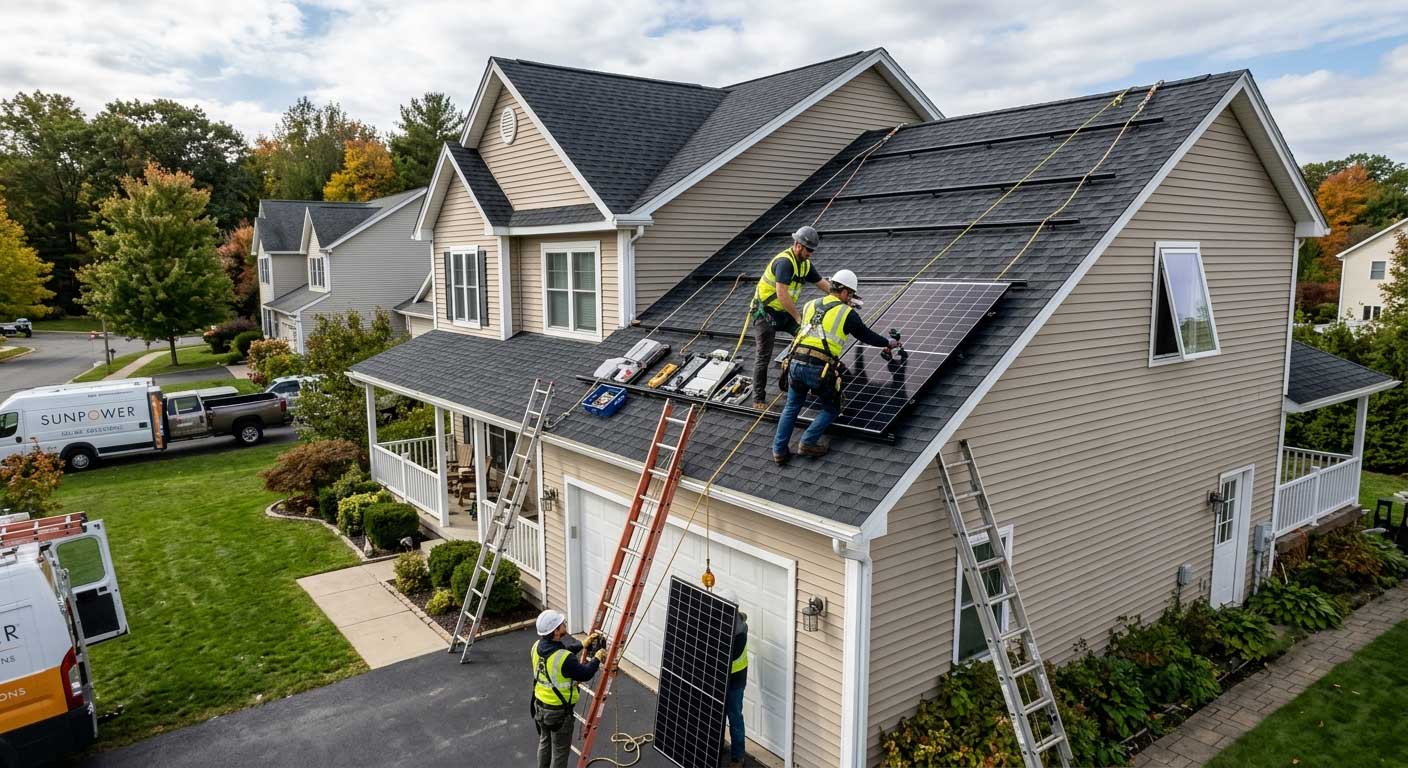
How Much Does a Typical Family Spend?
According to data published by the National Renewable Energy Laboratory (NREL), residential solar costs in the United States have declined substantially over the past decade, making solar more accessible to homeowners.
Source: https://www.nrel.gov
A household consuming approximately 10,000–12,000 kWh annually often installs a system between 7 and 9 kW.
Typical investment:
- Equipment: $12,000–$18,000
- Labor and permitting: $4,000–$8,000
- Total: $16,000–$26,000 before incentives.
Are Flexible Solar Panels Cheaper?
It depends on the application.
For RVs, boats, and off-grid systems, flexible panels can reduce installation costs because they:
- Eliminate heavy mounting structures.
- Reduce labor time.
- Fit curved surfaces.
- Lower transportation costs.
At Bright Solar, we’ve seen boat owners save hundreds of dollars simply because lightweight flexible panels avoided custom aluminum framing.
The panel itself may cost slightly more than a standard rigid module, but the entire project can become cheaper.
Visit product page:Flexible Solar Panel
Hidden Costs That Buyers Often Miss
Many online calculators ignore several expenses.
Roof Repairs
An aging roof should usually be repaired before installation.
Electrical Upgrades
Some homes need new breakers or service panels.
Battery Storage
Adding batteries can double the total project cost.
Maintenance
Solar panels need little maintenance, but occasional inspections still matter.
I visited one installation where squirrels had damaged exposed wiring under the panels. The repair bill surprised the homeowner more than the original installation quote.
How Long Does It Take to Recover the Cost?
Payback periods depend on:
- Electricity prices
- Solar incentives
- Energy consumption
- Local sunshine
Typical estimates:
| Location | Estimated Payback |
|---|---|
| California | 6–8 years |
| Florida | 7–10 years |
| Texas | 8–11 years |
| Midwest | 9–13 years |
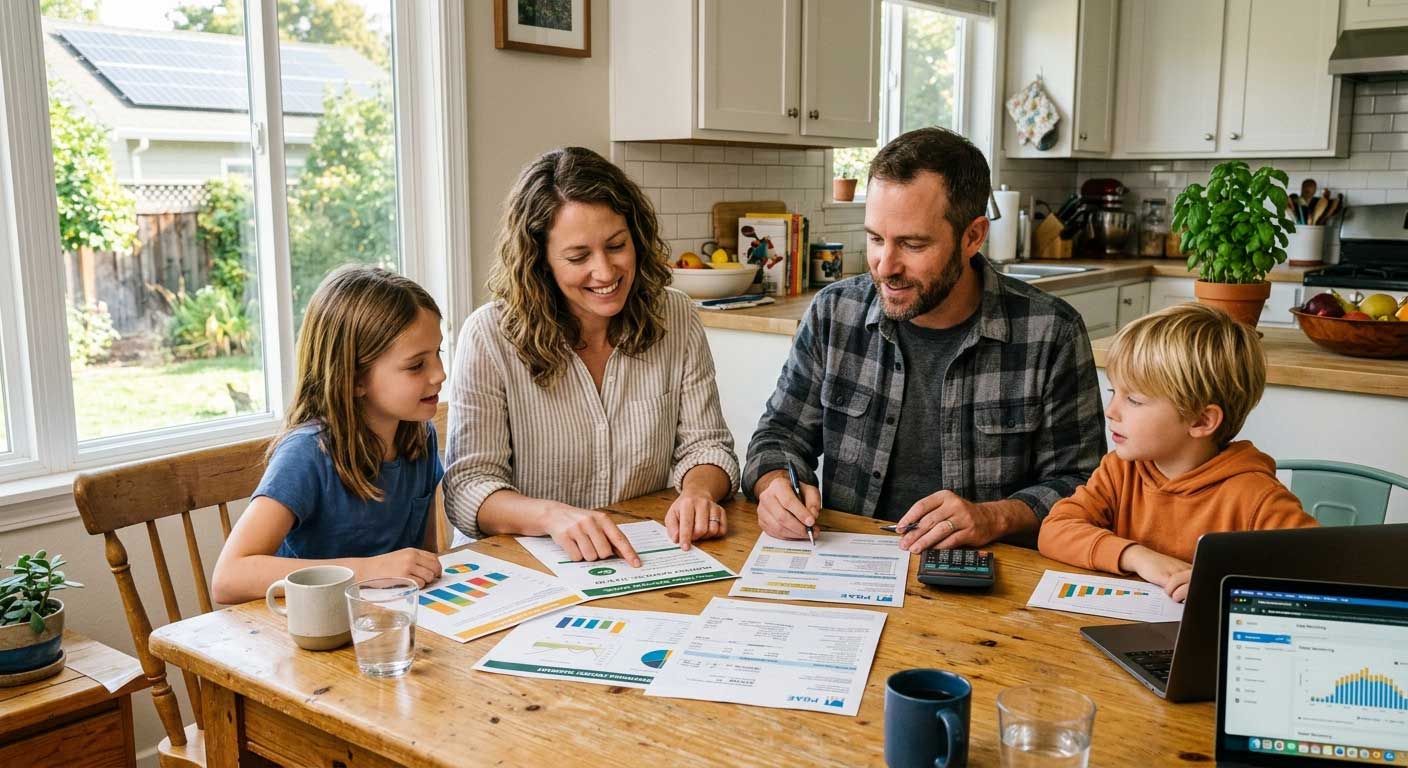
Since most solar panels last 25 years or more, many homeowners enjoy over a decade of reduced electricity costs after recovering their investment.
Original Insight From the Field
After reviewing hundreds of customer inquiries, one pattern appears repeatedly:
People spend weeks comparing panel brands and only a few minutes evaluating installation quality.
That is backwards.
A premium panel installed poorly may underperform for decades. Meanwhile, a properly designed system with good airflow, correct cable management, and appropriate sizing often delivers better long-term value than the most expensive equipment on the market.
The installer frequently matters as much as the panel itself.
FAQ About How Much Does It Cost to Get Solar Panels?
How much does it cost to get solar panels for a 2,000-square-foot house?
Most homes of that size install systems costing approximately $18,000–$28,000 before incentives.
Can I install solar panels myself?
DIY installation is possible but generally not recommended because permitting, electrical work, and warranties can become complicated.
Do solar panels increase home value?
Several housing studies suggest that solar-equipped homes may command higher resale values in certain markets.
Is financing a good option?
Many homeowners finance solar because monthly payments can sometimes be lower than previous utility bills.
Are solar panels getting cheaper?
Yes. According to the International Energy Agency (IEA), solar technology costs have declined dramatically over the past decade.
Source: https://www.iea.org
Final Thoughts
The answer to how much does it cost to get solar panels depends on your energy usage, roof conditions, and equipment choices. Most residential installations cost between $15,000 and $30,000 before incentives, but long-term savings often outweigh the upfront investment.
Solar is rarely the cheapest purchase you make this year. For many homeowners, however, it becomes one of the smartest investments they make over the next twenty-five.
The prev: What Are Solar Panels?The next: Are Solar Panels Worth It?
Related recommendations
-

How to Turn Off Solar Panels?
305Learn how to turn off solar panels safely using proper shutdown procedures. Discover real maintenance experience, disconnect methods, and solar safety advice.
View details -
how to clean a solar light panel?
158Clean a solar light panel with clean water and a soft microfiber cloth after removing loose dust. Avoid abrasives, hard brushes, and high-pressure water.
View details -
How to Clean Flexible Solar Panels?
328Learn how to clean flexible solar panels safely without damaging the surface. Practical maintenance tips, real-world cleaning methods, and mistakes to avoid from Bright Solar.
View details -
Do Solar Panels Work in Cloudy Weather?
242Yes. Solar panels can generate electricity in cloudy weather using available direct and diffuse sunlight, although output generally decreases as cloud cover ...
View details