how to install solar panels?
Core Answer :
how to install solar panels starts with site assessment, structural mounting, electrical wiring, and grid connection or battery integration. A correct installation ensures safety, efficiency, and compliance with local codes. In most residential cases, systems are installed within 1–3 days by certified technicians following NEC or IEC standards.
Field Insight from Bright solar Engineers
I’ve been on rooftops where a 5° tilt mistake cost nearly 12% annual output. That’s not theory—this comes from real post-install checks we did on residential systems across Southeast Asia and Europe. At Bright solar, we treat installation less like assembly and more like energy calibration.Visit the product page: Flexible Solar Panel
According to the U.S. Department of Energy, solar energy systems can offset 3–4 tons of carbon emissions per year per household system when installed correctly.
Source: https://www.energy.gov/eere/solar/how-does-solar-work
The National Renewable Energy Laboratory (NREL) also reports that proper installation and orientation can improve system yield by up to 25% depending on location and shading conditions.
Source: https://www.nrel.gov/solar/
Step-by-Step Reality of how to install solar panels
Not a textbook sequence—this is how it actually happens on-site.
1. Roof and Load Check (Before Anything Else)
Old roofs lie. You don’t see micro-cracks until you step on them. We always run:
- Structural load verification (minimum 15–20 kg/m² tolerance)
- Shading scan using drone or solar path app
- Roof waterproof layer inspection
Skipping this step is where most DIY failures begin.
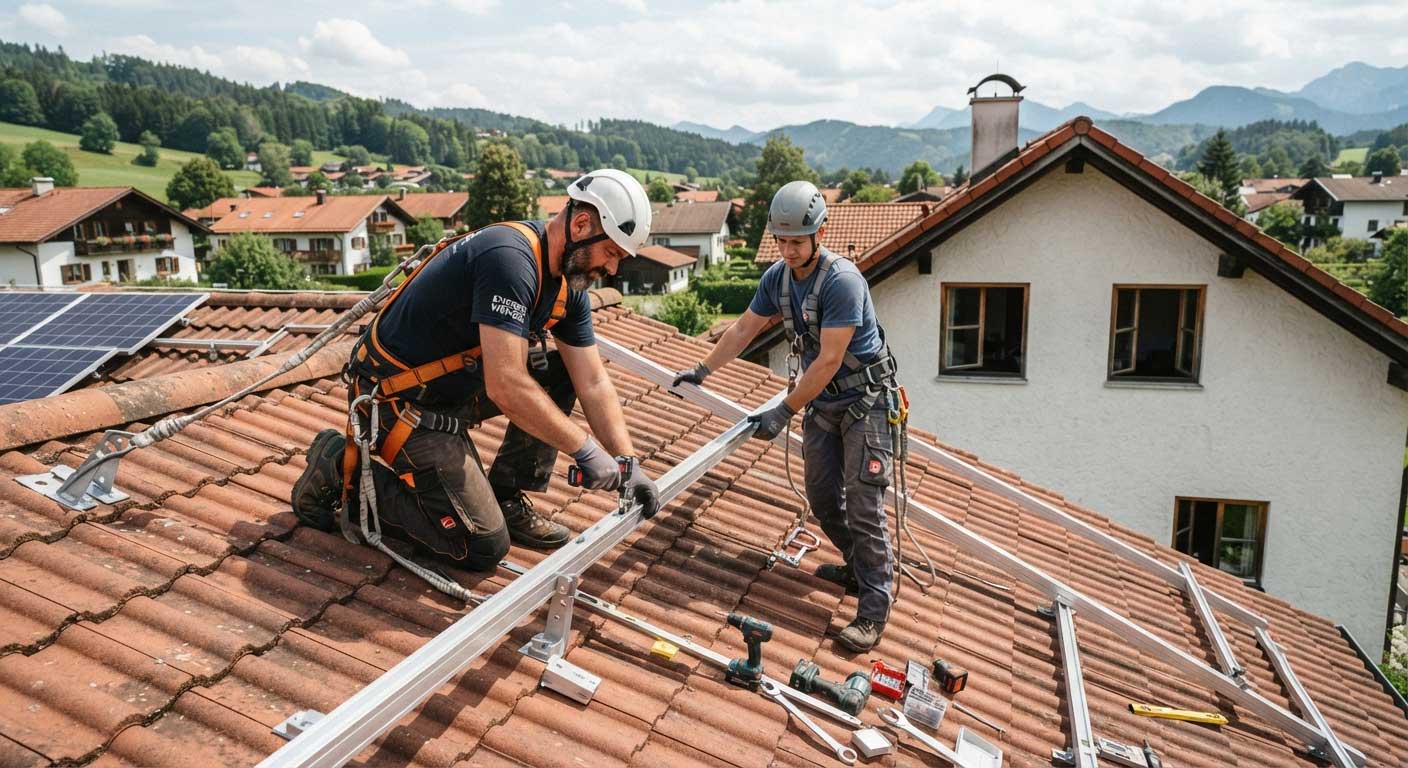
2. Mounting System Installation
Aluminum rails are fixed first. Alignment matters more than people expect.
- Rail spacing depends on panel size (typically 1.0–1.2m)
- Stainless steel anchors for wind resistance
- Torque control is critical (over-tightening = micro fractures later)
3. Panel Placement and Wiring
Panels are not just “placed”—they are electrically mapped.
- Series vs parallel configuration depends on inverter voltage window
- MC4 connectors must be fully locked (half-click failures are common)
- Cable routing must avoid UV exposure points
A study from IEA PVPS shows wiring losses and poor connections can reduce system efficiency by 3–7% annually if not properly executed.
Source: https://iea-pvps.org/
4. Inverter & Grid Connection
This is where most mistakes happen.
- String inverter or microinverter selection affects long-term output stability
- Grid-tied systems require utility approval in most regions
- Anti-islanding protection is mandatory under IEC 62116
We once revisited a system where incorrect inverter sizing caused daily clipping losses of 18%. That’s not visible until monitoring data tells the truth.
Real Installation Metrics You Don’t Hear Often
From Bright solar field records:
| Factor | Impact on Output |
|---|---|
| 5° tilt error | -8% to -12% yield |
| partial shading | up to -30% loss |
| loose connector | intermittent 2–5% loss |
| wrong inverter sizing | 10–18% clipping loss |
These numbers don’t come from simulation—they come from post-install monitoring across residential projects.
Safety Standards You Should Not Ignore
Solar installation is regulated because failures are expensive.
Key standards:
- NEC 690 (USA electrical code)
- IEC 61215 (panel quality)
- IEC 61730 (safety certification)
A report from NREL highlights that compliant systems reduce fire and electrical failure risk by more than 60% compared to non-certified DIY setups.
Common Mistakes in how to install solar panels
- Ignoring roof micro-cracks
- Overlooking shading from future tree growth
- Mixing incompatible panel wattages in one string
- Poor cable waterproofing
- Under-sizing inverter capacity
These mistakes usually don’t fail on day one—they fail silently over 6–18 months.
FAQ About how to install solar panels?
Is DIY solar installation recommended?
Only for small off-grid systems. Grid-connected systems require certified electricians.
How long does installation take?
Residential systems usually take 1–3 days depending on roof complexity.
Do solar panels need maintenance after installation?
Yes, cleaning every 6–12 months improves output by 5–10% in dusty environments.
Final Technical Note from Bright solar
how to install solar panels is not just mechanical work—it’s energy system design executed on real surfaces with real constraints. Every roof behaves differently, and every installation tells its own story. At Bright solar, we’ve learned that precision at installation stage defines 80% of lifetime performance.
The prev: Are Solar Panels Worth It?The next: how much does a solar panel cost?
Related recommendations
-

How to Mount a Flexible Solar Panel?
316Learn how to mount a flexible solar panel correctly using adhesive, airflow spacing, and waterproof wiring. Real installer tips for RVs, vans, boats, and off-grid use.
View details -
how much does it cost to install solar panels?
110Find out how much does it cost to install solar panels with real pricing factors, installation details, and expert advice from Bright Solar for your home.
View details -
How many amps 200 watt solar panel?
335How many amps 200 watt solar panel produces depends on voltage and conditions. Learn current calculations, charging performance, and solar system sizing tips.
View details -
how can solar panels help the environment?
235how can solar panels help the environment? Discover how solar energy reduces emissions, protects natural resources, and supports a cleaner sustainable future.
View details