are portable solar panels any good?
are portable solar panels any good?
Yes, portable solar panels are genuinely useful for camping, RV travel, emergency backup, and outdoor work when matched with the right battery system. Modern foldable panels can reach over 23% conversion efficiency and deliver reliable off-grid charging in real conditions.
That answer surprises some people because older portable panels used to be slow, fragile, and inconsistent. Ten years ago, many of them barely kept a phone alive during cloudy weather. The newer generation is different.
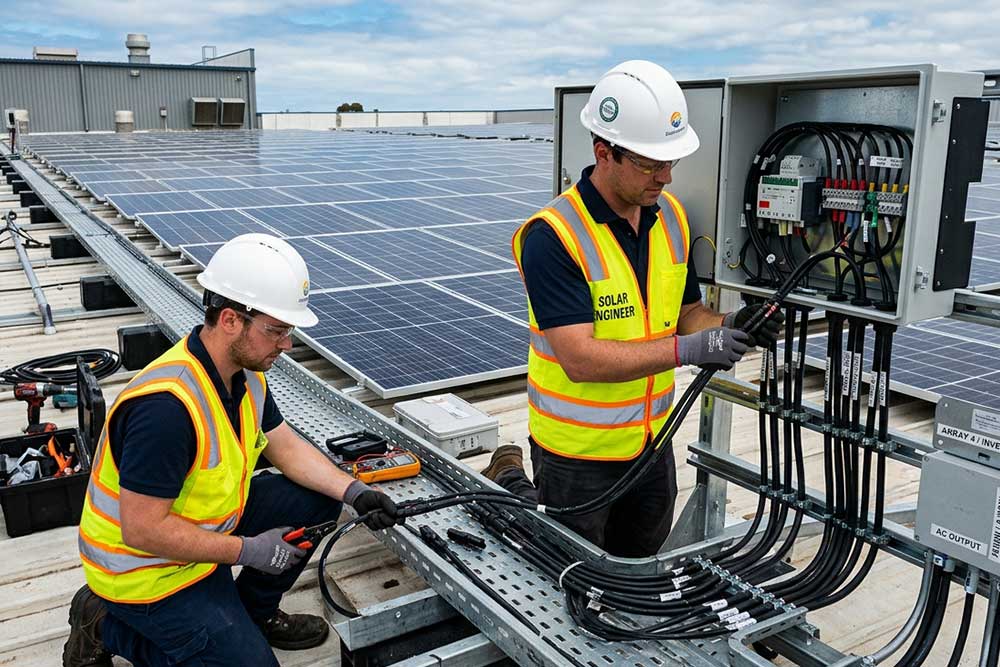
I realized that during a remote vineyard lighting project in southern Europe. We used portable solar panels temporarily before permanent wiring was completed. The setup powered communication equipment, LED task lighting, and monitoring devices for nearly three weeks without grid access. That would have sounded unrealistic a decade ago.
Why Portable Solar Panels Became Popular So Fast
Portable solar demand exploded after battery technology improved.
According to the International Energy Agency (IEA.org), global solar PV deployment continues breaking annual growth records, while portable energy systems are becoming a major segment of recreational and backup power markets.
The reason is practical:
- Fuel generators are noisy
- Campsites increasingly restrict gasoline equipment
- Outdoor workers need silent power
- Emergency outages last longer than people expect
Portable solar solves all four.
portable solar panels for camping
What They Actually Power
People often overestimate or underestimate portable solar systems.
Here’s what a properly sized foldable panel realistically handles:
| Portable Panel Size | Typical Output | Real Usage |
|---|---|---|
| 40W | 150–220Wh/day | Phones, lights, small fans |
| 100W | 350–600Wh/day | Laptops, portable fridge |
| 200W | 700–1200Wh/day | RV batteries, tools |
| 400W | 1600Wh+/day | Multi-device off-grid setup |
Performance varies based on:
- Sun angle
- Temperature
- Battery quality
- Controller efficiency
The U.S. National Renewable Energy Laboratory (NRL.gov) notes that solar panel output can drop significantly under shading or poor orientation, which is why setup matters more than most buyers realize.
Field Experience Matters More Than Marketing Claims
A spec sheet saying “200W” doesn’t mean you will continuously receive 200 watts.
In real outdoor conditions, I usually expect:
- 70–85% of rated output in good sunlight
- 50–60% during partial cloud coverage
- Much lower performance if panels overheat
That last point gets ignored constantly.
Portable solar panels sitting flat on dark ground become surprisingly hot by midday. Heat reduces efficiency. We’ve measured surface temperatures above 65°C on summer jobsites.
The better systems include:
- Airflow spacing
- ETFE coating
- Adjustable kickstands
- MPPT controllers
Cheap models skip those details.
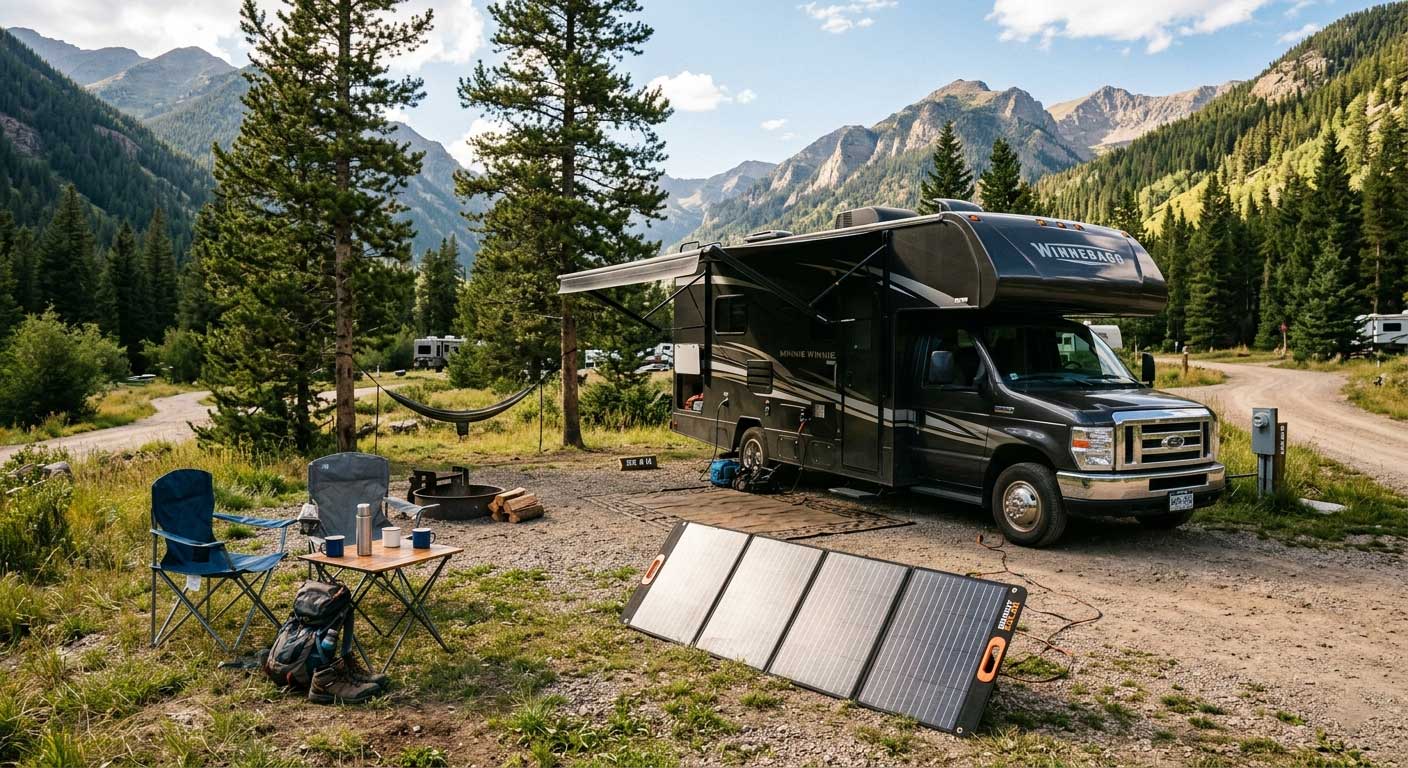
foldable solar panel efficiency
Modern Efficiency Is Better Than Most People Think
Portable panels today commonly use:
- Monocrystalline PERC cells
- Half-cut cell architecture
- Multi-busbar technology
Many premium portable panels now exceed 22% efficiency.
For reference:
- Older polycrystalline panels: ~15–17%
- Modern monocrystalline portable systems: 21–23%
Data source: National Renewable Energy Laboratory efficiency benchmarks.
That difference matters in the field.
A few percentage points can mean:
- One extra laptop charge
- Keeping a refrigerator running overnight
- Faster battery recovery after cloudy weather
What Portable Solar Panels Are Bad At
Not every situation makes sense.
Portable solar struggles with:
- Long periods of rain
- Heavy tree coverage
- High-power heating appliances
- Air conditioners
I’ve seen customers try powering electric kettles and portable heaters from tiny solar kits. That never ends well.
Solar works best with efficient loads:
- LED lighting
- Refrigerators
- Communication equipment
- Battery charging
- Portable electronics
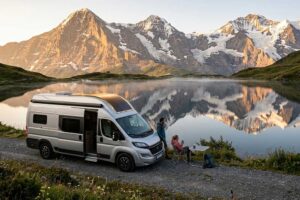
portable solar charger for rv systems
RV Owners Usually Care About One Thing
“How long until my batteries recharge?”
A realistic example:
A 200W portable solar panel in strong sunlight may generate around:
- 800Wh–1000Wh daily
That can recharge:
- A 100Ah lithium battery to usable levels
- Several phones and laptops
- Lighting systems for multiple nights
In practice, RV travelers often combine:
- Portable panels
- Roof-mounted panels
- Lithium storage batteries
That hybrid approach is much more reliable.
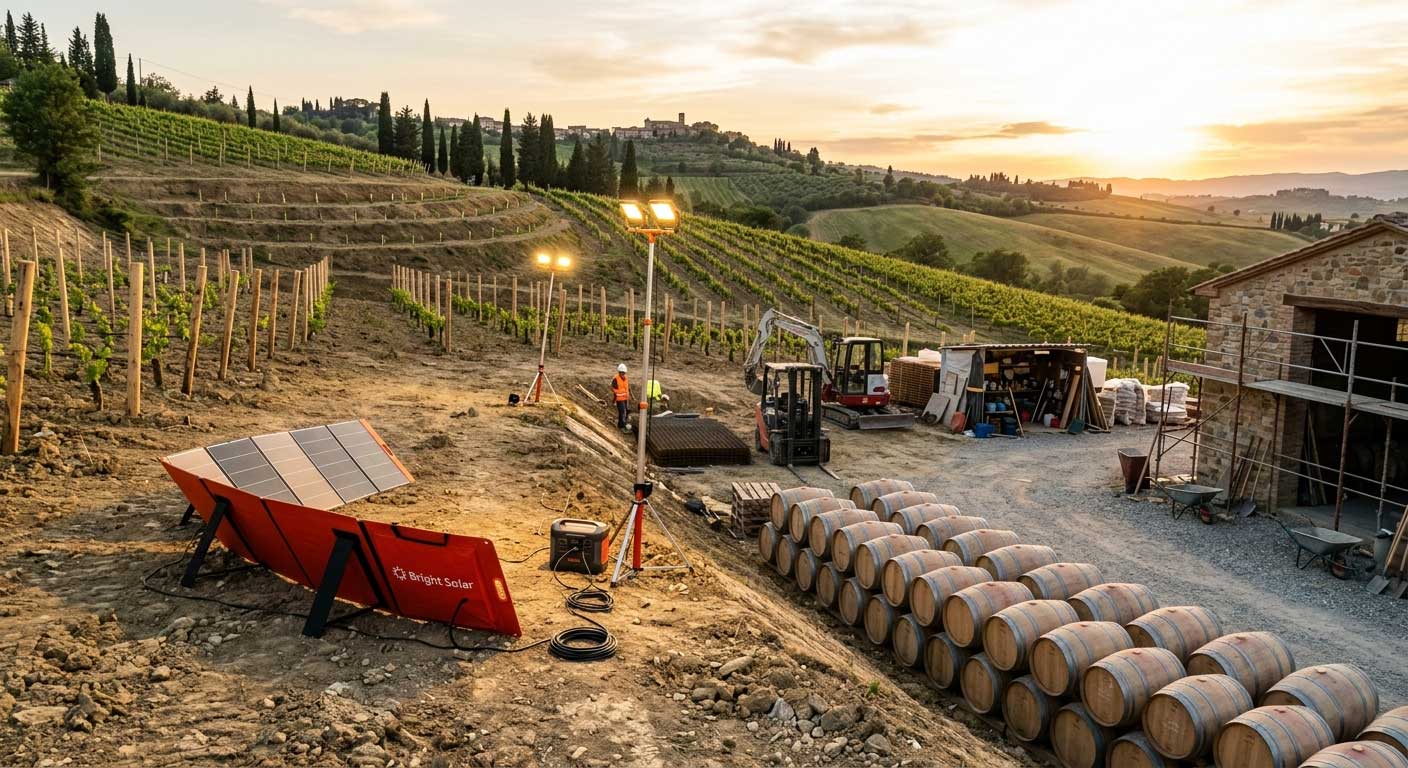
Author Experience
I’ve worked with outdoor lighting and temporary off-grid power systems for more than 11 years, including:
- Agricultural lighting projects
- Temporary construction power setups
- Portable emergency lighting systems
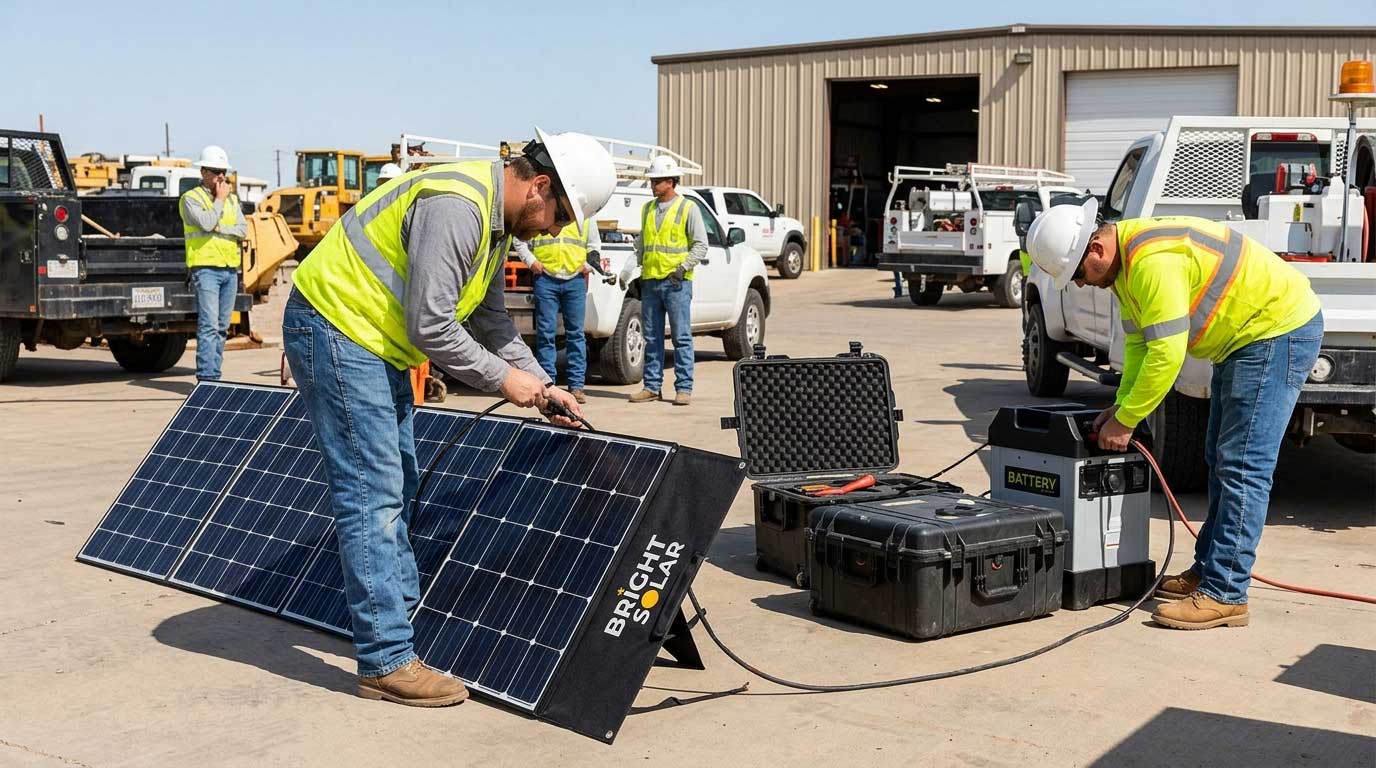
- Mobile solar charging stations for industrial maintenance teams
At Bright Solar, we test portable systems under conditions customers actually face:
- Dust
- Humidity
- Heat buildup
- Partial shading
- Transport vibration
Real-world reliability matters more than laboratory numbers.
One thing we consistently notice:
Most user frustration comes from unrealistic expectations, not from the panels themselves.
Portable solar works extremely well when sized correctly.
best portable solar panels for outdoor use
Features Worth Paying For
After years of testing, I would never buy a portable panel without:
- ETFE protective coating
- IP65 or better weather resistance
- Adjustable support legs
- MC4 connectors
- MPPT compatibility
- Reinforced folding hinges
The hinges fail first on low-cost systems. Not the cells.
FAQ:Are portable solar panels any good
Are portable solar panels worth buying?
Yes. They provide silent renewable power for camping, RVs, emergency backup, and outdoor work without fuel costs.
Do portable solar panels work on cloudy days?
Yes, but output drops significantly. Most systems produce reduced charging power under cloud cover.
How long do portable solar panels last?
Quality monocrystalline portable panels typically last 10–20 years with proper storage and handling.
Can portable solar panels charge a power station?
Absolutely. Most modern portable power stations support solar charging through MC4 or DC inputs.
Are foldable solar panels waterproof?
Many are weather-resistant, but not fully waterproof for heavy rain exposure or immersion.
Final Thoughts
So, are portable solar panels any good?
In the right setup, absolutely.
They are no longer niche emergency gadgets. Modern portable solar systems have become dependable power tools for travel, outdoor work, RV living, and backup energy.
The key is understanding what they can realistically power—and choosing quality equipment designed for real environments, not just marketing photos.
The next: how do portable solar panels work?
Related recommendations
-

How Many KW Does a Solar Panel Produce?
177How many kw does a solar panel produce? Learn real solar panel output, watt-to-kW conversion, energy production factors, and expert insights from Bright Solar.
View details -
How Much for Solar Panels?
236How much for solar panels? Discover average solar panel costs, what affects pricing, and how to estimate your home's solar investment with Bright Solar's expert guide.
View details -
How to connect solar panels in series?
32To connect solar panels in series, connect the positive terminal of one panel to the negative terminal of the next. Series wiring adds panel voltages while k...
View details -
How Much Electric Does a Solar Panel Generate?
236How much electric does a solar panel generate? Discover daily and yearly solar panel output, real-world performance, and expert insights from Bright Solar with verified industry data.
View details