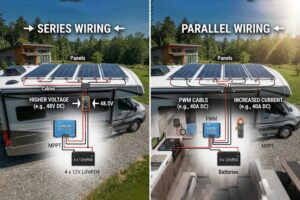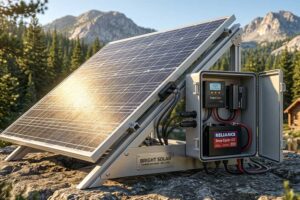
500 watt flexible solar panel: High Power Flexible Solar Solution for RV, Marine and Off-Grid Applications
A 500 watt flexible solar panel provides reliable high-power solar generation in a lightweight and adaptable format. It combines advanced photovoltaic technology with flexible construction, making it suitable for RV roofs, boats, curved surfaces, mobile power systems, and remote energy projects.
Flexible solar technology has changed significantly over the past decade. When we started evaluating flexible modules for practical installations, most products were limited by lower wattage and efficiency. Today, a 500W flexible solar solution can deliver power levels that previously required several smaller panels, while reducing installation complexity and overall system weight.
At Bright Solar, our experience with flexible photovoltaic solutions comes from working with different application environments, including marine equipment, recreational vehicles, portable energy systems, and customized OEM solar projects. In real installations, the challenge is rarely only about generating electricity. The bigger questions are usually: Will the panel fit the available surface? Can it survive vibration and weather exposure? How efficiently can the system use limited space?
A properly designed 500 watt flexible solar panel addresses these challenges by combining high-output solar cells, lightweight materials, and installation flexibility.
What Is a 500 watt flexible solar panel?
A 500 watt flexible solar panel is a photovoltaic module designed to produce approximately 500 watts of peak power under standard test conditions while maintaining a bendable or semi-flexible structure.
Unlike traditional rigid glass solar panels, flexible panels typically use lightweight composite materials instead of thick glass layers. This reduces weight and allows the module to adapt to curved surfaces.
The basic structure usually includes:
| Component | Function |
|---|---|
| Solar cells | Convert sunlight into electrical energy |
| ETFE or protective coating | Provides UV resistance and surface protection |
| Flexible substrate | Allows bending and reduces weight |
| Conductive layers | Transfers generated electricity |
| Junction box | Connects the panel to charge controllers or solar systems |
According to the National Renewable Energy Laboratory (NREL), photovoltaic module performance depends on factors including cell technology, temperature, sunlight conditions, and system design. A higher wattage rating does not automatically mean better real-world output; installation angle, shading, and operating temperature have a major impact.
For this reason, choosing a 500W flexible module is not only about the watt number printed on the label. It is about matching the panel design with the environment where it will operate.
Why choose a 500 watt flexible solar panel instead of traditional solar panels?
Many customers initially compare flexible solar panels only by price per watt. However, during actual installation projects, weight, transportation, mounting requirements, and surface compatibility often become equally important.
A 500 watt flexible solar panel offers several practical advantages.
1. Lightweight design for mobile applications
A standard rigid 500W solar panel can weigh more because of its aluminum frame and tempered glass construction. Flexible versions can significantly reduce system weight.
This difference matters in applications such as:
- RV roof solar systems
- Camper vans
- Yacht and boat installations
- Portable power stations
- Temporary energy projects
For example, an RV owner may have a limited roof loading capacity. Installing several heavy glass modules can affect vehicle balance and increase installation difficulty. A lightweight flexible module can provide similar power output with less structural stress.
During one Bright Solar customer project involving a European camper conversion company, the main requirement was not simply maximum wattage. The customer needed enough solar capacity without adding excessive roof weight. The final design used flexible modules because the curved vehicle roof made traditional framed panels difficult to install.
The installer reported that the simplified mounting process reduced labor time by approximately 30% compared with their previous rigid panel installation method.
(Project data provided from Bright Solar internal application feedback.)
How much power can a 500 watt flexible solar panel produce?
A 500W flexible solar panel does not produce 500 watts every hour because solar output changes throughout the day.
Actual energy production depends on:
- Geographic location
- Solar irradiance
- Panel orientation
- Temperature
- Shading conditions
- Charge controller efficiency
A simple calculation:
Daily Energy Output = Panel Wattage × Peak Sun Hours × System Efficiency
Example:
A 500W flexible solar panel installed in an area with 5 peak sun hours:
500W × 5 hours × 0.8 system efficiency ≈ 2,000Wh/day
That means the system may generate around 2 kWh of electricity per day under suitable conditions.
The U.S. Department of Energy Solar Energy Technologies Office explains that solar energy production varies depending on location, weather, system orientation, and equipment efficiency.
In practical terms, a 500W flexible solar panel can support applications such as:
| Application | Typical Energy Use Supported |
|---|---|
| RV travel | Lights, refrigerator, charging devices |
| Marine systems | Navigation equipment, communication devices |
| Off-grid cabins | Basic appliances and battery charging |
| Emergency backup | Portable power storage systems |

Key technologies behind a high-performance 500 watt flexible solar panel
A high-output flexible solar panel requires more than simply increasing the number of solar cells. The materials and manufacturing process directly influence durability and efficiency.
Monocrystalline solar cells for higher efficiency
Most modern high-power flexible solar panels use monocrystalline silicon cells because they provide better efficiency compared with older photovoltaic technologies.
Higher efficiency is especially important when installation space is limited.
For example:
- RV roofs often have restricted surface areas.
- Boat decks require compact energy solutions.
- Portable systems need maximum power from minimum weight.
Using higher-efficiency cells allows manufacturers to achieve greater output without significantly increasing panel size.
ETFE surface protection for outdoor durability
Flexible solar panels designed for outdoor environments often use ETFE (ethylene tetrafluoroethylene) coating.
Compared with traditional plastic films, ETFE provides:
- Strong UV resistance
- Better transparency
- Improved scratch resistance
- Longer outdoor service performance
Bright Solar flexible panels use ETFE surface technology in selected product series because many real-world applications expose panels to harsh environments, including salt spray, strong sunlight, and frequent temperature changes.
Marine customers especially value surface durability because replacing panels on boats can involve significant labor costs.
Flexible construction for curved surfaces
One of the biggest advantages of flexible solar technology is installation adaptability.
Traditional rigid panels require:
- Flat mounting areas
- Aluminum frames
- Brackets or rails
Flexible modules can better adapt to:
- Curved RV roofs
- Boat surfaces
- Portable structures
- Custom industrial equipment
However, flexibility does not mean unlimited bending. Every flexible solar panel has a recommended bending radius. Excessive bending can damage internal electrical connections.
A common mistake we see in the market is customers focusing only on “bendable” features and ignoring installation limits. A professional solar supplier should provide clear mechanical specifications before installation.
500 watt flexible solar panel applications in real-world projects
The demand for high-power flexible solar panels is increasing because many modern energy users need electricity in locations where traditional solar installations are difficult.
RV and camper solar systems
RV owners often prioritize:
- Low weight
- Easy installation
- Reliable charging
- Weather resistance
A 500W flexible solar panel can provide a strong foundation for a mobile solar setup when combined with:
- MPPT charge controller
- Lithium battery storage
- Inverter system
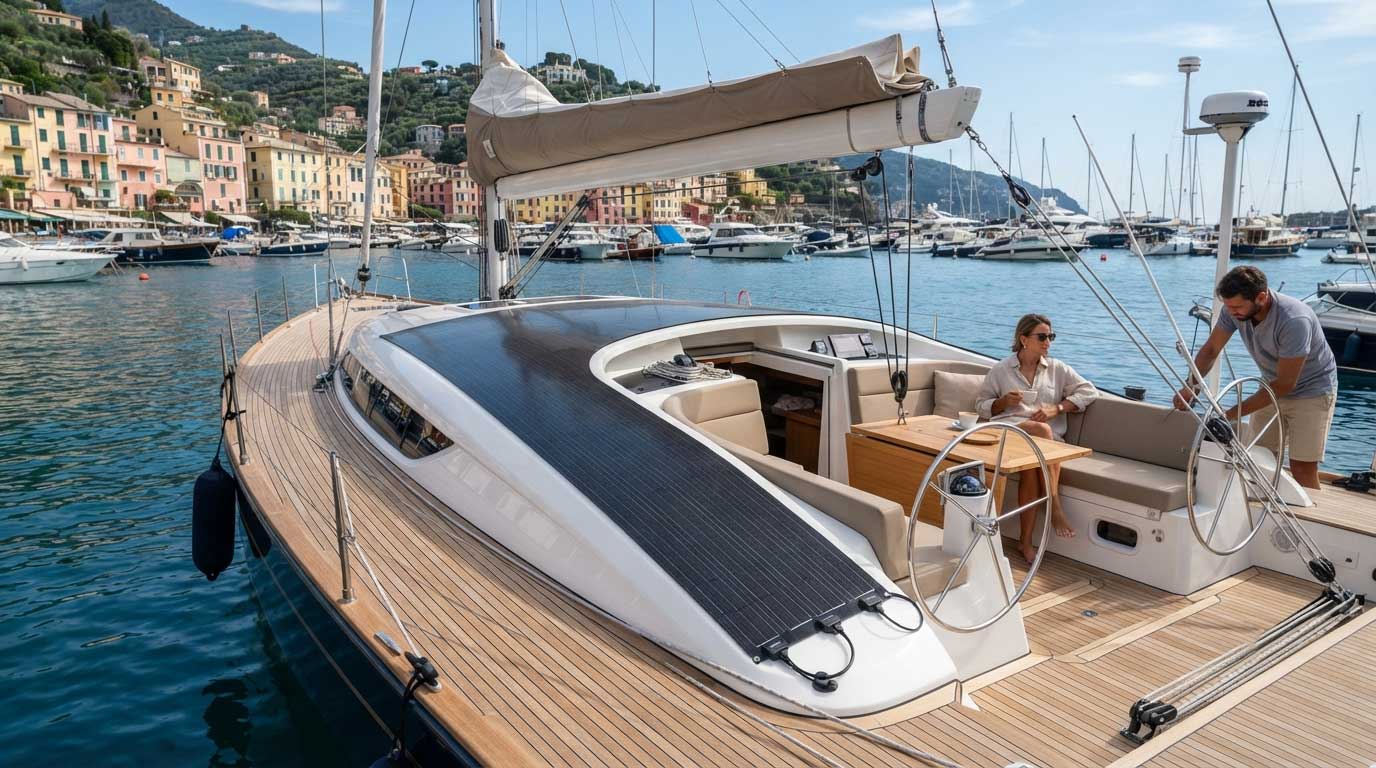
Marine solar applications
Boats face unique challenges:
- Limited deck space
- Saltwater exposure
- Continuous vibration
- Curved surfaces
Flexible solar panels are often selected because they can follow the shape of marine structures better than rigid modules.
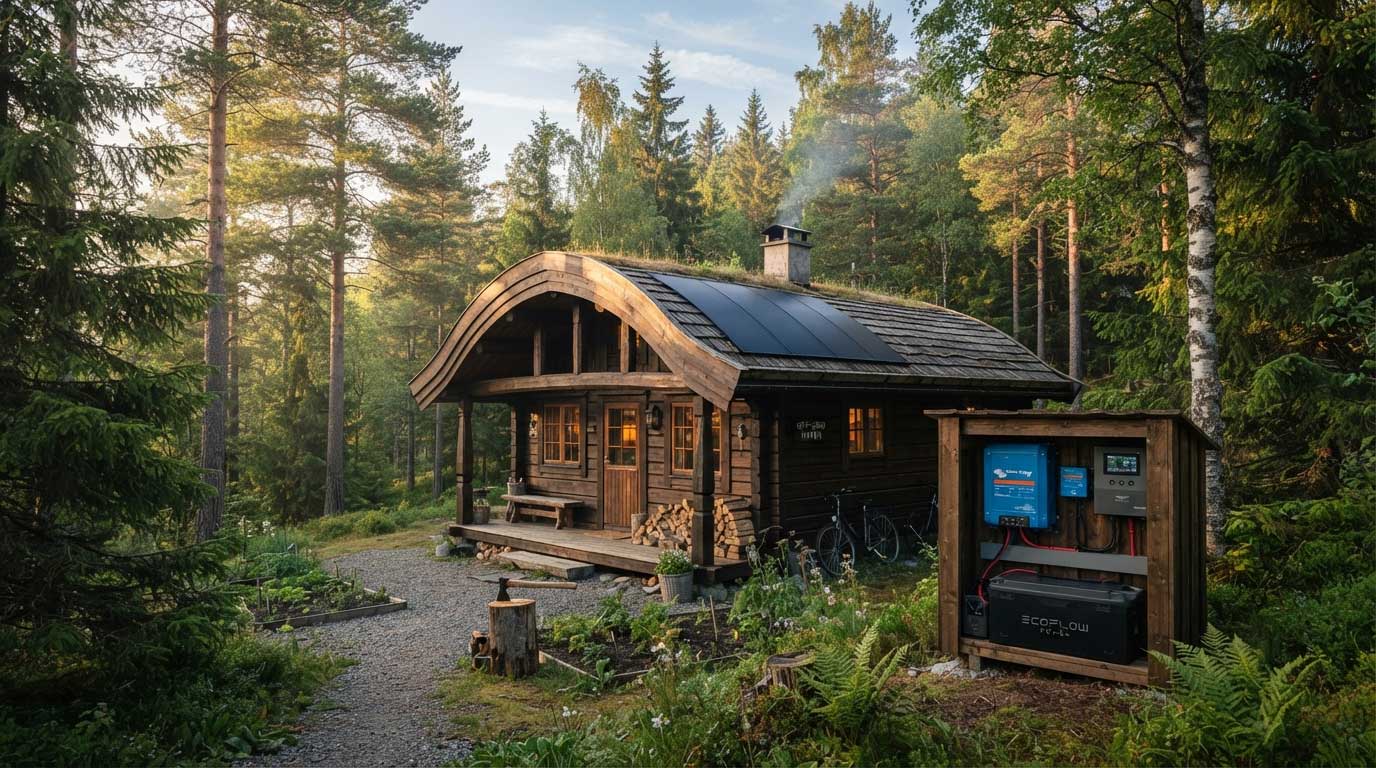
Off-grid energy systems
Remote locations often require dependable power without access to utility grids.
Examples include:
- Remote monitoring stations
- Small cabins
- Outdoor communication equipment
- Emergency energy systems
A lightweight 500W flexible panel can simplify transportation and installation in locations where carrying heavy equipment is difficult.
How to install a 500 watt flexible solar panel correctly?
Installing a 500 watt flexible solar panel requires more attention to surface preparation and electrical design than simply placing the panel on a roof or deck. In our experience working with flexible solar applications, most long-term performance issues come from installation mistakes rather than the solar cells themselves.
A flexible module follows the surface underneath it, so the mounting area must be carefully inspected before installation.
The recommended installation process includes the following steps:
Step 1: Evaluate the installation surface
Before mounting the panel, check:
- Surface flatness and curvature
- Available installation area
- Temperature exposure
- Water drainage conditions
- Potential shading sources
For RV and marine applications, measure the available space first. Many customers underestimate the space required for cable routing, junction boxes, and maintenance access.
A common mistake is designing around the panel size only while ignoring the wiring path.
Step 2: Clean and prepare the mounting surface
The surface should be:
- Clean
- Dry
- Free from oil or dust
- Stable under outdoor conditions
For adhesive-mounted flexible solar panels, surface preparation directly affects bonding strength.
During a Bright Solar installation evaluation for a marine customer in Southern Europe, the original panel failure was traced back to insufficient surface cleaning before installation. The solar module itself continued operating normally, but poor bonding allowed moisture and movement underneath the panel.
This type of field experience shows why installation preparation is just as important as product selection.
Step 3: Connect the electrical system correctly
A 500 watt flexible solar panel normally connects with:
- Solar charge controller
- Battery storage system
- Inverter (for AC loads)
The electrical design should consider:
| Parameter | Why It Matters |
|---|---|
| Voltage | Ensures compatibility with controller and battery |
| Current | Determines cable and connector requirements |
| Temperature | Affects real operating output |
| Battery capacity | Determines energy storage capability |
For larger systems, MPPT controllers are commonly preferred because they can improve energy harvesting under changing sunlight conditions.
500 watt flexible solar panel vs rigid solar panel: Which is better?
The better choice depends on the application.
Flexible and rigid solar panels are not direct replacements for every situation.
The comparison below shows their practical differences:
| Feature | 500W Flexible Solar Panel | Traditional Rigid Solar Panel |
|---|---|---|
| Weight | Lower | Higher |
| Installation | Easier on curved surfaces | Requires flat mounting |
| Transportation | More convenient | More difficult |
| Durability | Depends on material quality | Strong glass protection |
| RV applications | Excellent choice | Limited by roof structure |
| Large fixed rooftops | Sometimes less suitable | Common choice |
For residential rooftops with large flat areas, rigid panels remain popular because installation systems are highly standardized.
However, for mobile, curved, or weight-sensitive applications, flexible technology provides advantages that rigid panels cannot easily achieve.
How much does a 500 watt flexible solar panel cost?
The price of a 500 watt flexible solar panel depends on several factors:
- Solar cell efficiency
- Surface material
- Manufacturing quality
- Certification requirements
- Order quantity
- Customization options
Typical market pricing varies widely.
A general reference range:
| Product Type | Approximate Price Range |
|---|---|
| Basic flexible solar panels | $0.40–$0.70/W |
| Premium ETFE flexible panels | $0.70–$1.20/W |
| Customized OEM flexible panels | Depends on specifications |
A 500W flexible solar panel may therefore range from approximately:
$200–$600+ per panel
depending on technology and supplier.
According to photovoltaic market analysis from International Energy Agency (IEA), solar module costs have continued declining over the long term due to manufacturing improvements and increased production scale. However, flexible solar products often remain more expensive than standard modules because they require specialized materials and manufacturing processes.
When evaluating price, buyers should also consider:
- Expected lifespan
- Warranty coverage
- Environmental resistance
- Installation savings
The cheapest panel is not always the lowest-cost solution over its lifetime.
Real application case: 500 watt flexible solar panel for mobile energy
One practical example involved a European outdoor equipment company developing mobile power solutions for adventure vehicles.
The challenge was simple:
They needed more solar capacity, but the available roof space was limited and customers did not want heavy equipment.
The original design used multiple rigid modules. The problems appeared quickly:
- Additional roof mounting structures increased weight.
- Installation required more drilling points.
- Curved vehicle surfaces created unused areas.
The redesigned system used flexible solar modules.
The result:
| Project Result | Improvement |
|---|---|
| Roof weight | Reduced compared with rigid solution |
| Installation process | Fewer mounting components |
| Available solar area | Better surface utilization |
| Appearance | Cleaner integrated design |
The important lesson from this project was not just “flexible panels are lighter.” The bigger advantage was design freedom.
For mobile energy systems, every centimeter of usable surface matters.
How to choose the right 500 watt flexible solar panel manufacturer?
Choosing a supplier requires looking beyond product images and wattage ratings.
A reliable manufacturer should provide:
1. Technical specifications
Check:
- Maximum power output
- Operating voltage
- Cell type
- Weight
- Dimensions
- Temperature range
- Bending radius
2. Material information
Ask about:
- Surface coating
- Encapsulation technology
- Waterproof design
- Junction box quality
A flexible panel installed outdoors experiences thousands of temperature cycles during its lifetime. Material selection directly affects reliability.
3. Manufacturing experience
Bright Solar focuses on flexible solar solutions designed for applications where traditional panels are difficult to install.
Our manufacturing approach emphasizes:
- Stable photovoltaic performance
- Lightweight construction
- Outdoor durability
- Customized solar solutions
For OEM and project customers, flexible solar panels can also be customized according to:
- Size requirements
- Connector types
- Installation methods
- Branding requirements
FAQ About 500 watt flexible solar panel
Can a 500 watt flexible solar panel power an RV?
Yes. A 500 watt flexible solar panel can provide substantial energy for RV applications, especially when combined with an efficient MPPT controller and battery storage system. It can support lighting, electronics, refrigeration, and daily mobile energy needs.
How much electricity does a 500W flexible solar panel generate per day?
A 500W flexible solar panel can generate around 1.5–2.5 kWh per day depending on sunlight conditions, installation angle, temperature, and system efficiency.
Are flexible solar panels less durable than rigid panels?
Not necessarily. High-quality flexible panels using advanced protective materials such as ETFE can withstand outdoor exposure. However, installation method and material quality strongly influence lifespan.
Can a 500 watt flexible solar panel bend?
Yes, but flexibility has limits. Each panel has a recommended bending radius. Excessive bending can damage internal electrical connections and reduce performance.
What is the lifespan of a flexible solar panel?
A quality flexible solar panel can provide many years of operation when properly installed and maintained. Actual lifespan depends on materials, environment, and usage conditions.
Can flexible solar panels be used on boats?
Yes. Marine applications are one of the common uses for flexible solar technology because panels can fit curved surfaces and reduce weight compared with traditional modules.
Is a 500 watt flexible solar panel suitable for off-grid systems?
Yes. It can be integrated into off-grid systems with batteries and controllers to provide renewable power for remote locations, mobile equipment, and emergency applications.
Conclusion: Is a 500 watt flexible solar panel worth choosing?
A 500 watt flexible solar panel is a practical high-power solar solution for applications where weight, installation flexibility, and available space are important factors.
From RV roofs to marine systems and remote energy projects, flexible solar technology provides installation possibilities that traditional panels cannot easily offer.
The right choice depends on selecting a reliable manufacturer, using suitable materials, and designing the complete solar system correctly.
Bright Solar continues developing flexible photovoltaic solutions for customers who need lightweight, durable, and adaptable renewable energy products.
Related recommendations
-

300 Watt Flexible Solar Panel: Serious Off-Grid Power Without Heavy Roof Loads
295Discover how a 300 watt flexible solar panel delivers lightweight, reliable off-grid energy for RVs, boats, vans, and mobile solar systems.
View details -
Solar Panel Series vs Parallel: Which Connection Method Is Better?
218Compare solar panel series vs parallel wiring methods to choose the right setup. Learn voltage, current, shading, and RV solar solutions with Bright Solar.
View details -
100W Flexible Solar Panel: Lightweight Solar Power That Makes Sense Off-Grid
116Discover how a 100W flexible solar panel delivers lightweight, reliable solar charging for RVs, boats, campers, and portable off-grid systems.
View details -
Solar Panel for 12 Volt Battery – Charging Guide & Sizing
275Learn how to choose the best solar panel for 12 volt battery charging. Discover sizing, charging times, real-world performance, and off-grid solar system design tips.
View details