50 watt flexible solar panel: Compact Solar Power Solution for RV and Off-Grid Use
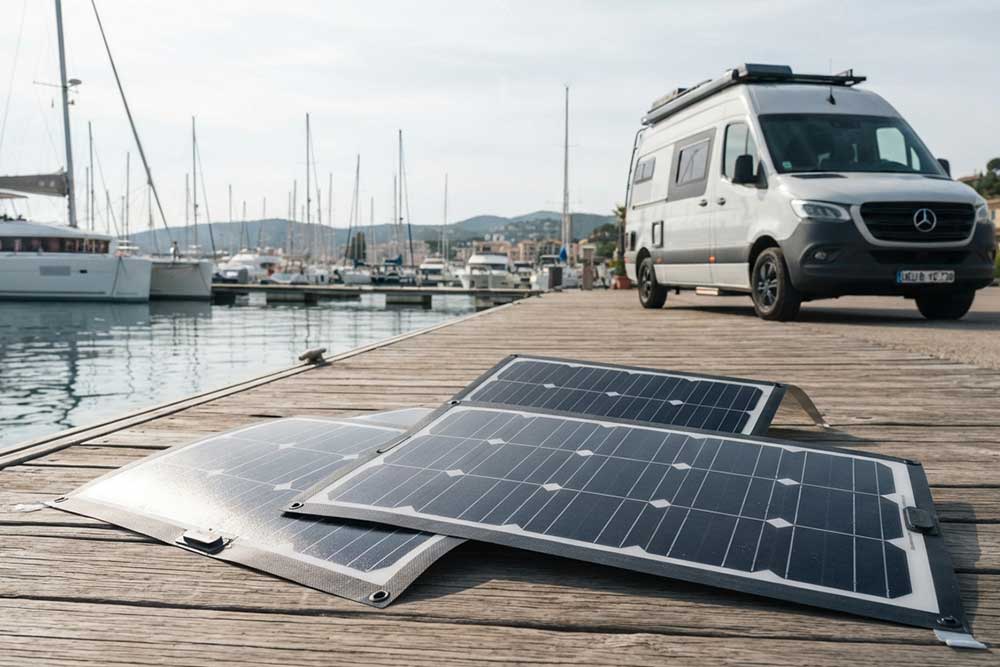
A 50 watt flexible solar panel is a lightweight solar module designed for small-scale energy applications where installation space and weight are limited. It provides reliable charging power for RVs, boats, camping equipment, portable batteries, and off-grid devices.
While working with flexible solar projects at Bright Solar, we often hear the same concern from customers:
“I do not need a huge solar system. I need something small, practical, and easy to install.”
That is exactly where a 50W flexible solar panel fits.
Unlike large residential solar modules, this type of panel is designed for situations where every centimeter and every kilogram matters.
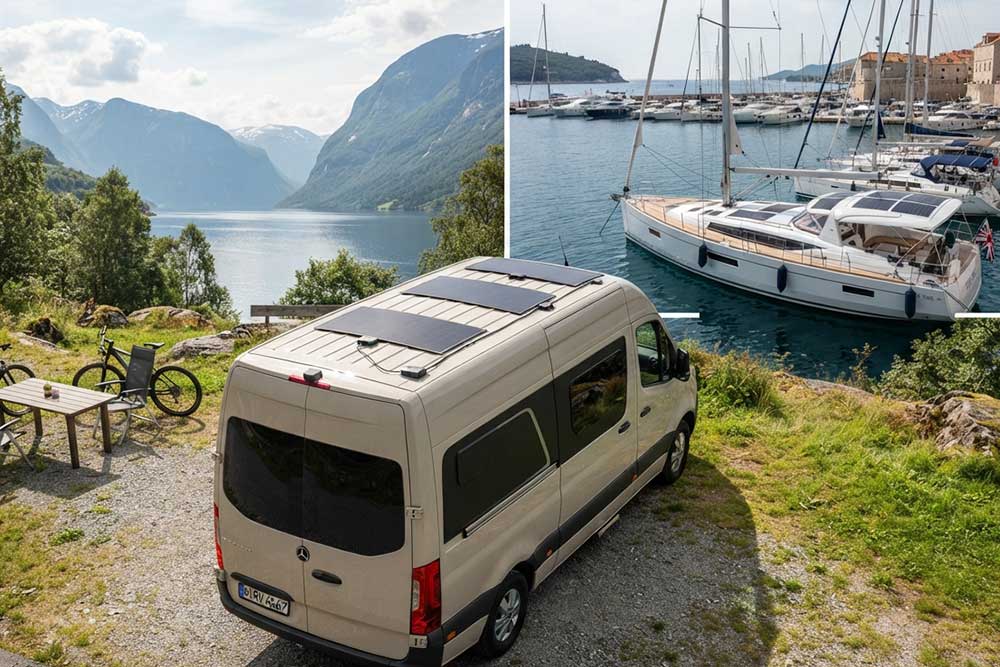
A camper traveling through remote areas may only have limited roof space.
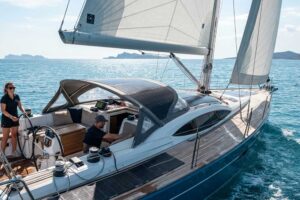
A fisherman may need a lightweight charging solution on a small boat.
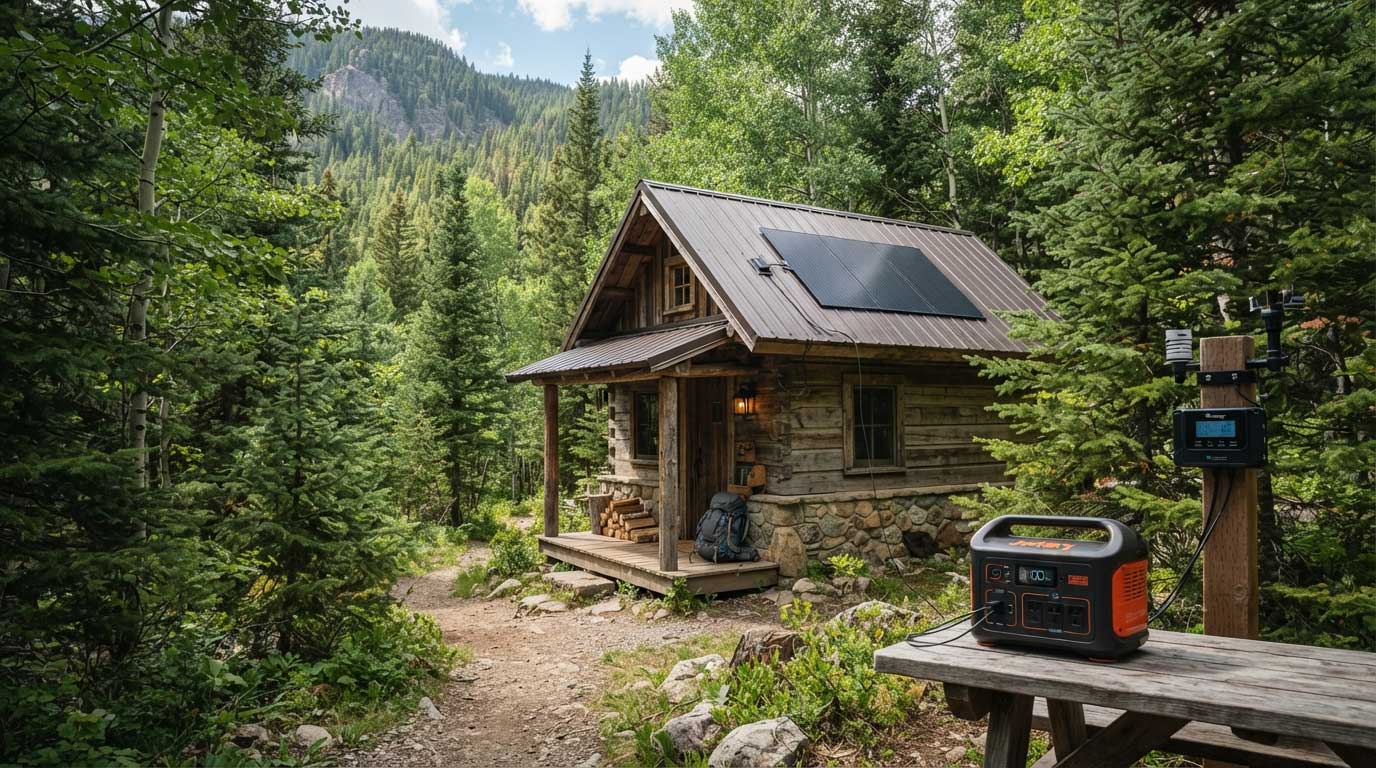
A monitoring device installed far away from the grid may require independent power for months.
In these situations, the value of a 50 watt flexible solar panel is not only the wattage.
It is the combination of portability, adaptability, and simple installation.
At Bright Solar, we have worked with different flexible photovoltaic applications, including RV solar systems, portable energy products, and customized solar solutions.
Through these projects, we learned that smaller solar panels are often not chosen because customers want less power.
They are chosen because the environment demands a smarter solution.
What is a 50 watt flexible solar panel?
A 50 watt flexible solar panel is a photovoltaic module that can generate up to 50 watts of electrical power under standard testing conditions while maintaining a lightweight and bendable structure.
Traditional solar panels normally use:
- Glass front surfaces
- Aluminum frames
- Heavy mounting brackets
Flexible solar panels replace these rigid structures with lightweight materials such as:
- Flexible substrates
- Polymer protection layers
- ETFE surface coatings
- High-efficiency solar cells
This design reduces weight and allows installation on curved surfaces.
Common applications include:
| Application | Why 50W Flexible Solar Works |
|---|---|
| Small RV systems | Saves roof space |
| Camping equipment | Easy transportation |
| Boats | Fits curved areas |
| Security systems | Provides independent power |
| Portable batteries | Compact charging solution |
According to the U.S. Department of Energy, photovoltaic systems convert sunlight directly into electricity through semiconductor materials, and improvements in solar technology continue increasing efficiency and expanding applications.
Source:
U.S. Department of Energy Solar Energy Technologies Office
https://www.energy.gov/eere/solar
Why choose a 50 watt flexible solar panel?
A 50W flexible solar panel is not designed to replace a complete home solar system.
Its strength comes from solving smaller energy problems.
Many customers do not need thousands of watts.
They need enough energy to keep essential devices running.
Typical uses include:
- Charging portable power stations
- Maintaining batteries
- Running LED lighting
- Supporting outdoor electronics
- Powering sensors and monitoring equipment
Lightweight design for mobile applications
Weight is one of the biggest advantages of flexible solar technology.
A rigid solar panel with a glass structure can become difficult to transport, especially for outdoor activities.
For comparison:
| Solar Panel Type | Typical Characteristic |
|---|---|
| Traditional rigid panel | Higher weight, fixed installation |
| Flexible solar panel | Lightweight, adaptable installation |
For camping and travel users, this difference is noticeable.
A backpacking or overland travel setup already includes:
- Water storage
- Batteries
- Cooking equipment
- Safety gear
Reducing unnecessary weight becomes important.
A 50W flexible panel can provide additional charging capacity without adding a large structural burden.
Perfect size for small energy systems
One common mistake is selecting solar panels only based on maximum power.
A larger panel is not always better.
For example:
A customer installing solar on a small fishing boat may have only a limited cabin roof area.
A 300W panel might produce more power, but physically it may not fit.
A 50 watt flexible solar panel can be installed on smaller available spaces while still providing useful energy.
Typical devices supported include:
| Device | Estimated Power Need |
|---|---|
| Smartphone charging | 5–15W |
| GPS equipment | 5–20W |
| LED lights | 5–30W |
| Small fans | 10–40W |
| Battery maintenance | Depends on system |
Actual energy production depends on sunlight conditions and system efficiency.
How much power does a 50 watt flexible solar panel produce?
The rated output of a 50W solar panel represents its maximum power under laboratory testing conditions.
Real-world production changes depending on:
- Sunlight hours
- Temperature
- Installation angle
- Weather
- Controller efficiency
A simple calculation:
Daily Energy = Panel Wattage × Peak Sun Hours × System Efficiency
Example:
50W × 5 hours × 80%
= approximately 200Wh per day
In practical terms, this may provide enough energy for:
- Several phone charges
- LED lighting
- Small electronics
- Battery maintenance
The National Renewable Energy Laboratory (NREL) explains that photovoltaic performance varies based on environmental conditions and system design.
Source:
National Renewable Energy Laboratory
https://www.nrel.gov/solar/
50 watt flexible solar panel applications
RV and camper applications
Small RV systems often need additional charging capability without covering the entire roof with solar panels.
A 50W flexible solar panel can be used for:
- Auxiliary battery charging
- Emergency power
- Lighting systems
- Small appliances
A real example from Bright Solar involved an outdoor equipment company developing compact travel energy kits.
Their challenge was:
The product needed solar charging capability, but the final package had strict size limitations.
The original solution used a rigid panel.
The problems were:
- Difficult packaging
- Extra protective structure
- Increased transportation cost
After testing a flexible 50W solar solution, the company achieved a more compact design.
The improvement was not only technical.
The entire product became easier to ship and easier for customers to use.

Advantages of Bright Solar 50 watt flexible solar panel
Bright Solar designs flexible solar products around practical applications.
The main advantages include:
Lightweight construction
Easy transportation and installation.
Flexible structure
Suitable for curved surfaces.
Compact size
Works where larger solar modules cannot fit.
Customization capability
Supports different customer requirements.
Many commercial users need more than a standard product.
They need:
- Different cable lengths
- Customized shapes
- Specific mounting methods
- OEM solutions
This is where flexible solar manufacturing experience becomes important.
How to install a 50 watt flexible solar panel?
Installing a 50 watt flexible solar panel is usually simpler than installing traditional framed solar modules, but correct preparation still determines long-term performance.
During Bright Solar projects, we found that most installation problems do not come from the solar cells themselves.
They usually come from small details:
- Poor surface preparation
- Incorrect cable routing
- Improper adhesive selection
- Partial shading after installation
A good installation process normally includes four stages.
Step 1: Check the installation location
Before attaching the panel, evaluate the available surface.
The ideal location should have:
- Maximum sunlight exposure
- Minimal shadow
- Stable mounting area
- Easy cable access
For RVs, common installation locations include:
- Roof areas
- Side panels
- Storage covers
For boats:
- Cabin roofs
- Deck surfaces
- Equipment covers
For outdoor systems:
- Portable frames
- Equipment boxes
- Remote monitoring stations
A flexible solar panel provides more placement options because it does not require a heavy mounting structure.
Step 2: Prepare the surface
Surface preparation is one of the most important installation steps.
Before mounting:
- Remove dust and dirt
- Clean oil or grease
- Allow the surface to dry completely
- Check the bonding area
A clean surface improves adhesion and reduces the risk of panel movement.
At Bright Solar, we often remind customers:
The five minutes spent cleaning the surface can protect years of solar performance.
Step 3: Connect the electrical system
A typical 50W flexible solar setup includes:
| Component | Function |
|---|---|
| Flexible solar panel | Generates DC electricity |
| Solar charge controller | Controls battery charging |
| Battery | Stores energy |
| Inverter (optional) | Converts DC to AC power |
For small systems, PWM controllers may work.
However, MPPT controllers are often preferred because they can improve energy harvesting, especially when sunlight conditions change.
Step 4: Test before final installation
Before completing installation, check:
- Voltage output
- Cable connection
- Controller status
- Battery charging condition
A simple electrical check can prevent future troubleshooting.
50 watt flexible solar panel vs traditional rigid solar panel
Customers often ask whether flexible panels are better than rigid panels.
The answer depends on where the panel will be used.
| Feature | 50W Flexible Solar Panel | Traditional Rigid Panel |
|---|---|---|
| Weight | Lightweight | Heavier |
| Shape | Adaptable | Fixed |
| Installation | Simple | Requires brackets |
| Transportation | Easier | More difficult |
| Best Application | RV, boat, camping | Fixed rooftops |
Rigid panels still have advantages for permanent solar installations.
However, flexible solar panels solve problems where traditional modules are inconvenient.
A boat roof is not the same as a house roof.
A camper van is not the same as a warehouse.
The application decides the right technology.

Factors affecting 50 watt flexible solar panel performance
Even a high-quality solar panel cannot perform well without proper installation conditions.
Several factors influence output.
Sunlight availability
Solar panels generate more electricity under direct sunlight.
Performance decreases during:
- Heavy cloud cover
- Rainy weather
- Long periods of shade
For example, a panel installed in Arizona generally receives more solar radiation than one installed in northern Europe.
Installation angle
The angle of the solar panel affects sunlight absorption.
For portable systems, users can adjust positioning.
For fixed applications such as RV roofs, the installation location should maximize daily sunlight exposure.
Temperature conditions
Solar cells perform differently under temperature changes.
Higher temperatures can reduce photovoltaic efficiency.
Good airflow behind some installations may help manage heat.
Surface cleanliness
Dust, leaves, and dirt can reduce sunlight reaching solar cells.
Regular cleaning helps maintain performance.
For outdoor users, checking the panel every few months is usually enough.
Real Bright Solar application example: portable energy solution
One of the interesting projects Bright Solar worked on involved a European outdoor equipment company.
Their goal was creating a portable emergency energy kit for travelers.
The requirements were specific:
- Lightweight design
- Easy transportation
- Reliable charging
- Compact packaging
The first prototype used a traditional rigid panel.
It worked electrically.
But during field testing, several issues appeared.
The rigid panel:
- Took more storage space
- Added unnecessary weight
- Required protective packaging
The team tested a flexible 50W solar solution instead.
The final design improved:
| Project Area | Result |
|---|---|
| Product size | Reduced |
| Transportation | Easier |
| User installation | Simplified |
| Outdoor usability | Improved |
The important lesson was not simply choosing a smaller solar panel.
It was choosing a solar product designed around the user environment.
Maintenance tips for 50 watt flexible solar panel
Flexible solar panels require relatively low maintenance, but regular inspection helps extend service life.
Recommended maintenance:
Clean the surface regularly
Remove:
- Dust
- Bird waste
- Leaves
- Dirt
Use soft cleaning materials to avoid damaging the protective surface.
Check cable connections
Inspect:
- Connectors
- Junction box
- Cable protection
Outdoor environments can expose cables to moisture and movement.
Monitor charging performance
If battery charging decreases significantly, check:
- Solar exposure
- Controller settings
- Cable condition
FAQ About 50 watt flexible solar panel
What can a 50 watt flexible solar panel power?
A 50W flexible solar panel can support small devices such as phones, LED lights, portable batteries, sensors, and battery maintenance systems. The exact capacity depends on sunlight conditions and the connected battery system.
Can a 50 watt flexible solar panel charge an RV battery?
Yes. It can be used as an auxiliary charging source for RV batteries, especially for maintaining battery levels during travel or storage.
Is a 50W flexible solar panel waterproof?
Most outdoor flexible solar panels are designed to withstand weather exposure. However, users should always confirm waterproof ratings and product specifications before installation.
Can I install a flexible solar panel on a curved surface?
Yes. This is one of the main advantages of flexible solar technology. It can adapt to certain curved surfaces where rigid panels are difficult to install.
How long does a 50 watt flexible solar panel last?
The lifespan depends on material quality, environmental exposure, and installation conditions. High-quality flexible panels can provide reliable operation for many years with proper care.
Does a flexible solar panel produce power on cloudy days?
Yes, but output is usually lower because sunlight intensity is reduced. Solar generation depends on available light conditions.
Why choose Bright Solar 50 watt flexible solar panel?
Bright Solar focuses on lightweight flexible photovoltaic solutions with customization support, manufacturing experience, and applications across RV, marine, and off-grid markets.
Conclusion: Is a 50 watt flexible solar panel the right choice?
A 50 watt flexible solar panel is a practical solution for users who need compact renewable energy without heavy installation requirements.
It is especially suitable for:
- RV travelers
- Boat owners
- Campers
- Outdoor equipment users
- Small off-grid systems
The real value of a flexible solar panel is not only the 50-watt rating.
It is the ability to place solar power where traditional panels cannot easily go.
At Bright Solar, we continue developing flexible solar products based on real application needs.
From a small camping setup to customized commercial projects, the goal remains the same:
Make solar energy easier to install, easier to use, and better suited for everyday situations.
Related recommendations
-

Best flexible solar panels for boats: Lightweight Marine Solar Solutions
232Find the best flexible solar panels for boats with Bright Solar. Learn marine installation tips, durability factors, power output, and real-world sailing applications.
View details -
ECO WORTHY 130W Flexible Solar Panel: Features, Uses and Buying Guide
246The ECO WORTHY 130W flexible solar panel is designed for space-conscious applications such as RVs, boats, and irregular surfaces. Buyers should verify its ex...
View details -
12V Flexible Solar Panel Kit: The Complete Guide for Mobile Solar Power
163Discover how a 12V flexible solar panel kit provides lightweight, efficient power for RVs, boats, campervans, and off-grid systems. Installation tips included.
View details -
China Flexible Solar Panel: Manufacturer Guide for Global Buyers
144A China flexible solar panel is a lightweight photovoltaic module designed for applications where rigid panels may be difficult to install. Buyers should ver...
View details