DIY Solar Kits: Practical Solar Power for Homes, RVs, and Off-Grid Living
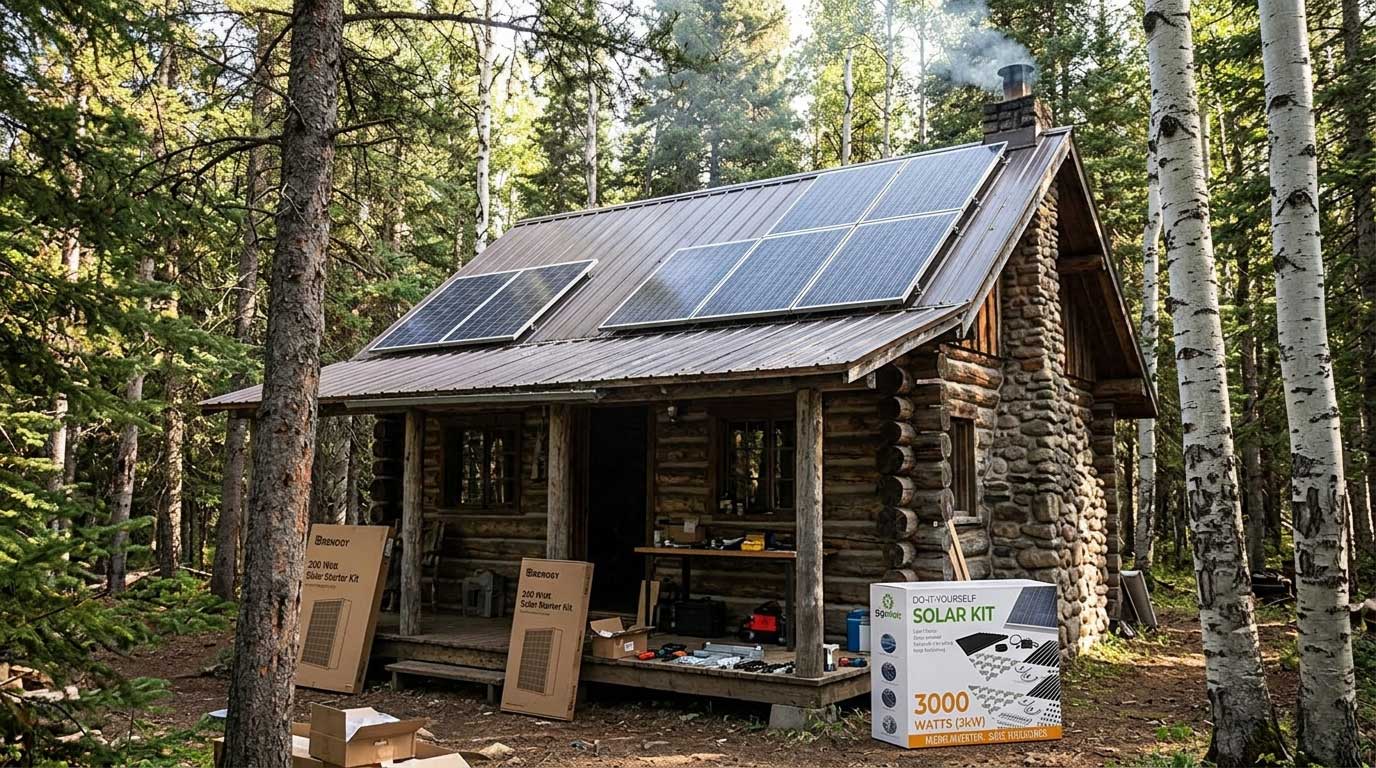
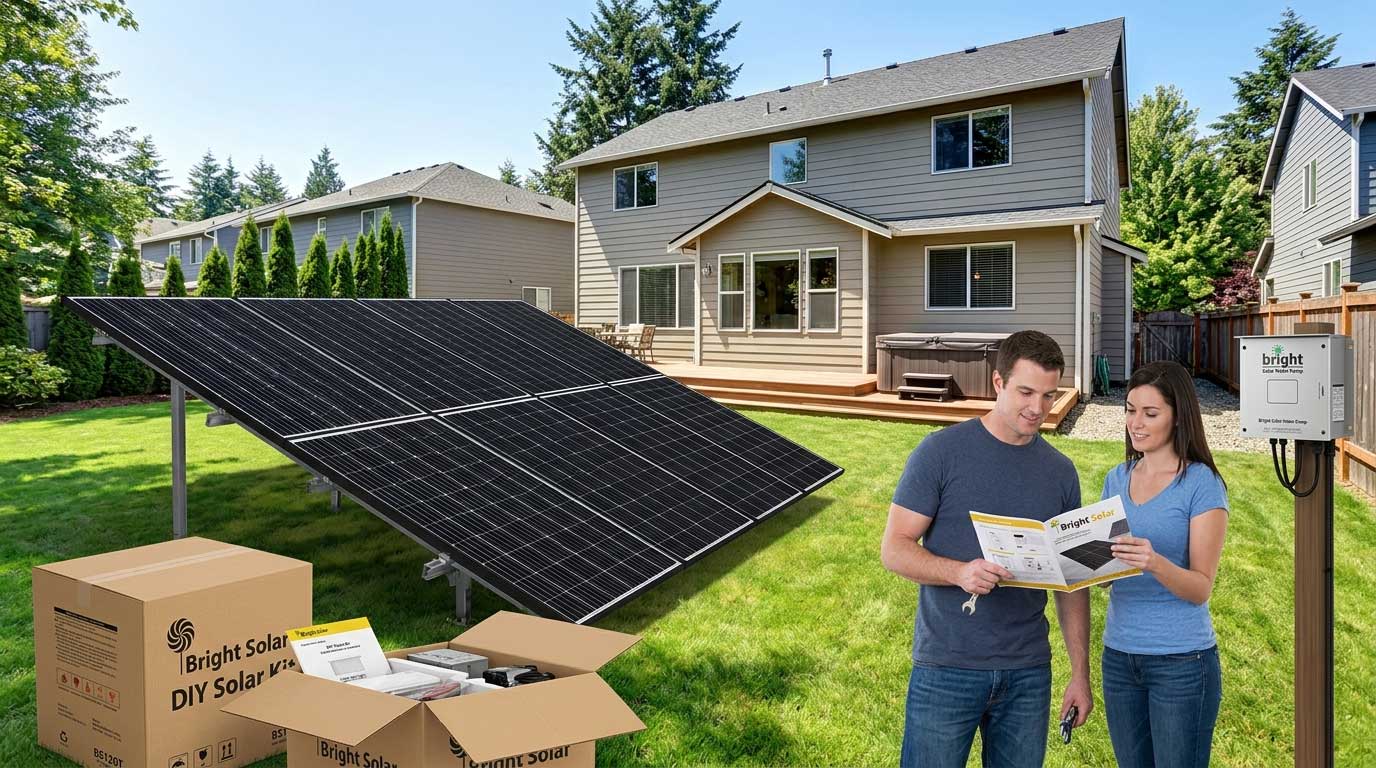
DIY solar kits are complete solar energy packages designed for users who want to install their own power system without complex engineering. A quality DIY solar kit typically includes solar panels, an inverter, charge controller, mounting hardware, and cables, allowing homeowners, RV owners, and off-grid users to generate reliable renewable energy at lower installation cost.
That’s the clean explanation. The real experience is messier.
I’ve helped install DIY solar systems on cabins, workshop roofs, trailers, farms, and small suburban homes. Some projects worked beautifully. Others struggled because buyers focused only on panel wattage and ignored battery sizing, cable loss, or shading.
The truth is simple: most solar problems are not panel problems. They’re system design problems.
That’s why choosing the right diy solar kits matters more than many first-time buyers realize.
What Are DIY Solar Kits?
A diy solar kit is a packaged solar energy system designed for easier self-installation.
Most kits include:
- solar panels
- inverter
- charge controller
- mounting brackets
- MC4 connectors and cables
- monitoring components
Some advanced systems also include:
- lithium battery storage
- smart app monitoring
- hybrid inverter support
- expandable panel connections
According to the U.S. Energy Information Administration (EIA), residential solar adoption continues to grow as equipment prices decline and energy costs rise.
That trend pushed DIY systems from niche hobby projects into mainstream home upgrades.More and more people are choosing DIY solar panel kits for home use.
Why DIY Solar Kits Became Popular
Five years ago, many people assumed solar installation required a full contractor team.
Today, pre-configured kits changed that.
The biggest reasons buyers choose complete solar kits include:
- lower installation costs
- easier setup
- energy independence
- backup power security
- RV and camping flexibility
- rising utility bills
One RV owner I worked with called his solar kit “the difference between camping and depending.”
That sums up the appeal pretty well.
Real Performance Depends on More Than Panel Wattage
A 2000W system on paper may underperform badly if installation quality is poor.
Common hidden issues:
- partial shading
- undersized cables
- weak battery management
- poor panel angle
- overheating inverters
- low airflow beneath panels
In one off-grid cabin project, relocating panels just 1.5 meters eliminated morning shade and improved daily charging noticeably.
Solar systems are surprisingly sensitive to small installation details.
Main Types of DIY Solar Kits
1. Grid-Tied DIY Solar Kits
These systems connect directly to the utility grid.
Best for:
- reducing electricity bills
- residential rooftops
- suburban homes
Advantages:
- high long-term savings
- no large battery requirement
- stable utility backup
Limitations:
- usually shut down during outages without battery support
2. Off Grid Solar Kit Systems
Designed for locations without utility access.
Best for:
- cabins
- farms
- remote workshops
- mobile systems
Advantages:
- full energy independence
- battery storage support
Limitations:
- requires careful battery planning
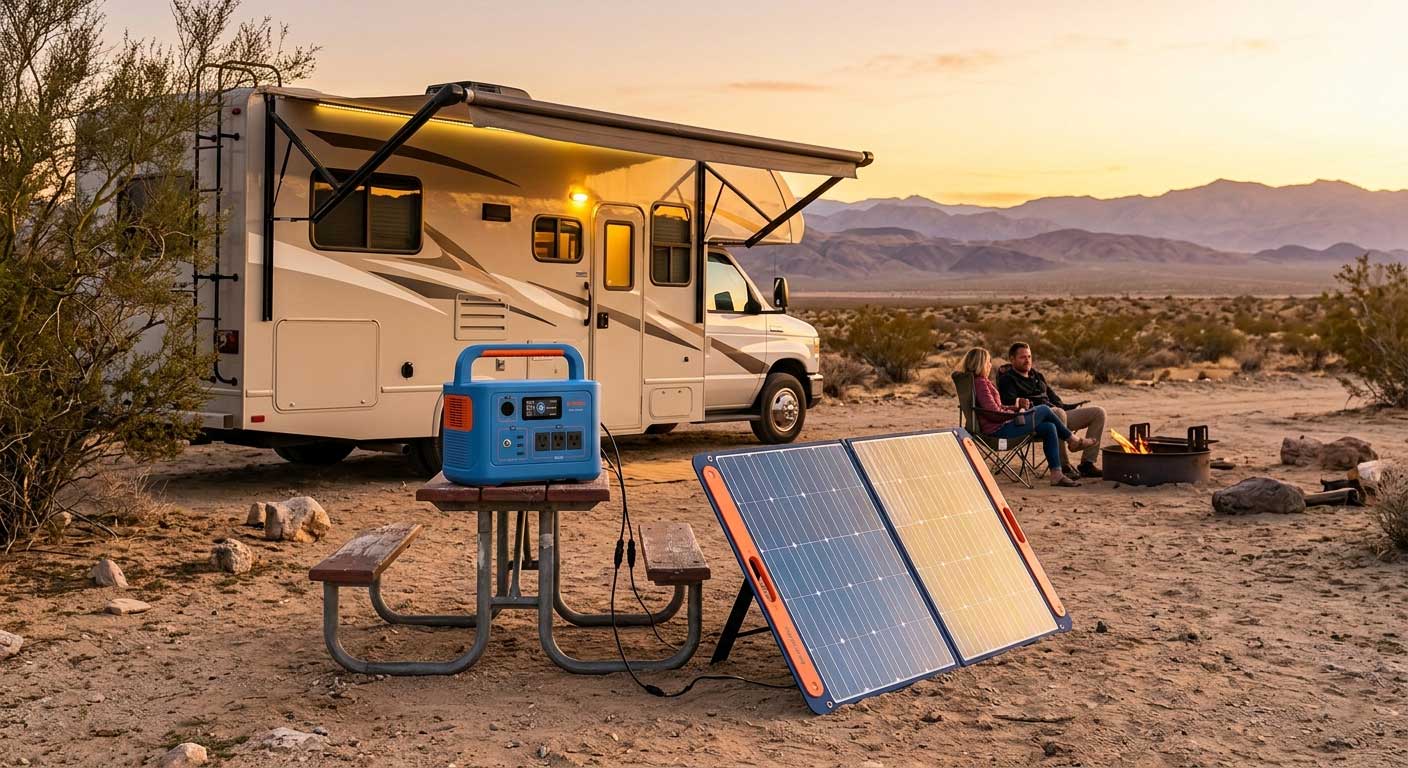
3. Portable Solar Power Kits
Ideal for:
- camping
- RV travel
- emergency backup
Advantages:
- mobility
- quick setup
- foldable panel options
Limitations:
- lower output capacity
What Size DIY Solar Kit Do You Need?
| Application | Recommended System Size |
|---|---|
| RV / Camper | 200W–800W |
| Small Cabin | 1kW–3kW |
| Home Backup | 3kW–5kW |
| Full Residential | 5kW–12kW |
| Agricultural Equipment | 2kW–10kW |
One mistake appears constantly: buyers underestimate battery storage.
Panels generate power during sunlight. Batteries determine whether you still have electricity at night.
Those are different jobs.
Key Components That Matter Most
Solar Panels
Modern solar panel kit for home systems usually use monocrystalline panels because they offer:
- higher efficiency
- better low-light performance
- improved space usage
According to NREL, commercial monocrystalline panels now regularly exceed 20% efficiency.
Inverter Quality
Cheap inverters cause more frustration than most panels ever will.
Poor inverters often lead to:
- unstable output
- overheating
- fan noise
- shutdowns under load
I’ve seen expensive solar arrays limited by low-grade inverters more times than I can count.
Battery Storage
Lithium batteries increasingly dominate DIY installations because they offer:
- longer lifespan
- deeper discharge capability
- lower maintenance
- lighter weight
Lead-acid batteries still exist, but many users underestimate maintenance demands.
Common DIY Solar Mistakes
- Buying based only on wattage
- Ignoring shading
- Undersized battery banks
- Weak mounting hardware
- Poor cable management
- Wrong inverter sizing
- No future expansion planning
Most DIY problems begin long before installation.
They begin during planning.
Why Bright Solar Focuses on Real-World Reliability
Bright Solar designs systems around practical outdoor use rather than ideal laboratory conditions.
Customers often prioritize:
- stable panel efficiency
- weather-resistant construction
- reliable connectors
- expandable system design
- easy installation layouts
Because solar systems should still perform after years outside—not only on day one.
FAQ – DIY Solar Kits
Are DIY solar kits difficult to install?
Many modern kits are designed for straightforward installation, though electrical work may still require professional assistance depending on local regulations.
How much electricity can a DIY solar kit produce?
Production depends on panel size, climate, installation angle, and battery setup.
Can DIY solar kits power an entire house?
Yes, large systems with proper battery storage and inverter sizing can support full residential loads.
What is the best battery type for DIY solar?
Lithium iron phosphate (LiFePO4) batteries are increasingly preferred for lifespan and efficiency.
Final Thoughts from Real Installations
When people ask me whether diy solar kits are worth it, I usually tell them this:
The technology is easier than ever. The planning still matters.
A well-designed solar kit quietly changes how you use energy.
A poorly planned one becomes an expensive lesson in voltage drop and dead batteries.
The best systems are balanced systems:
- proper panel sizing
- realistic battery capacity
- quality inverter selection
- clean installation
- future expansion planning
That balance matters more than marketing claims.
And for many homes, cabins, and RV setups, the right diy solar kits become the first real step toward energy independence.
Related recommendations
-

Tiny Home Solar Panels: Complete Guide to Solar Power Systems
175Tiny home solar panels provide clean, reliable power. Learn sizing, costs, installation tips, batteries, and flexible solar solutions from Bright Solar today.
View details -
Series vs Parallel Solar Panels: Which Wiring Method Performs Better?
146Compare series vs parallel solar panels for RVs, homes, and off-grid systems. Bright Solar explains voltage, current, shading, and wiring efficiency.
View details -
300W Flexible Solar Panels for Reliable Off-Grid Power
230Explore how 300W flexible solar panels deliver lightweight, reliable off-grid power for RVs, boats, camper vans, and portable solar systems.
View details -
Solar Panels in Parallel vs Series: A Complete Guide to Solar Panel Wiring
304Solar panels in parallel vs series explained with voltage, current, wiring methods, shading effects, and installation tips. Learn the best solar connection method with Bright Solar.
View details