What Are Solar Panels Made Out Of?
Direct Answer :
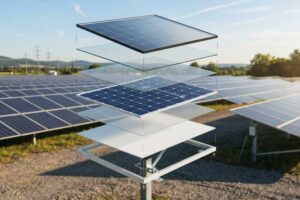
Solar panels are made out of photovoltaic cells, protective glass or polymer coatings, encapsulation materials, metal conductors, and structural components. Most modern panels use silicon solar cells because silicon efficiently converts sunlight into electricity. Different materials, such as ETFE films in flexible panels, determine durability, weight, and where the solar panel can be installed.
Understanding what are solar panels made out of helps buyers choose the right solar technology for different applications. A solar module is not a single material but a combination of semiconductor, protective, and electrical layers designed to work together for decades.
At Bright Solar, our team has worked with flexible solar panel solutions for RVs, marine equipment, portable power systems, and off-grid applications. Through real project experience, we have found that customers often focus on power ratings first, while the material structure determines whether a panel can handle heat, vibration, moisture, and outdoor exposure.
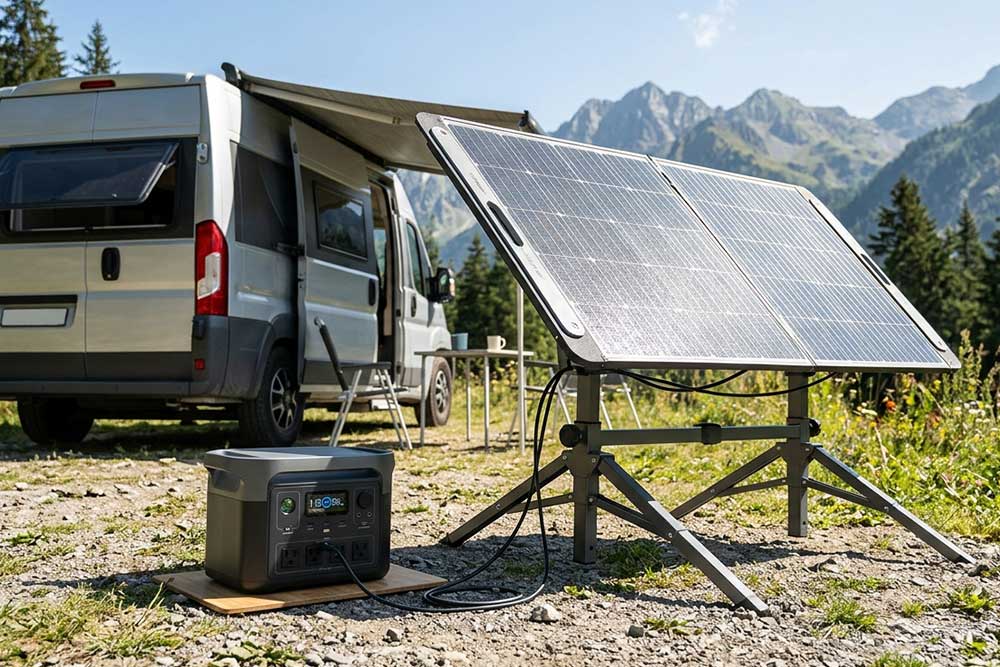
For example, a solar panel installed on a residential roof has different material requirements compared with one mounted on a curved RV roof. Weight, flexibility, UV resistance, and waterproof performance become critical factors in mobile applications.
The Main Materials Solar Panels Are Made From
A solar panel is built using several layers. Each material has a specific purpose, from capturing sunlight to protecting sensitive electrical components.
| Solar Panel Part | Common Material | Main Function |
|---|---|---|
| Photovoltaic cells | Silicon | Converts sunlight into electricity |
| Front protective layer | Tempered glass or ETFE film | Protects solar cells from weather |
| Encapsulation layer | EVA or POE | Prevents moisture and mechanical damage |
| Back layer | Backsheet or composite material | Electrical insulation and protection |
| Frame | Aluminum alloy | Adds structural strength |
| Junction box | Polymer housing + electrical parts | Transfers generated electricity |
According to the National Renewable Energy Laboratory, photovoltaic modules are manufactured with semiconductor materials, protective coverings, and electrical components designed to maintain performance under outdoor environmental conditions.
Source: National Renewable Energy Laboratory Photovoltaics Research
Silicon Solar Cells: The Core Material Inside Solar Panels
Why Silicon Is Used in Solar Panels
The most important material inside a solar panel is silicon.
Silicon is used because it is a semiconductor material that can generate electrical current when exposed to sunlight.
The process works like this:
- Sunlight reaches the photovoltaic cell.
- Photons transfer energy to electrons.
- Electrons move through the electrical circuit.
- Direct current electricity is produced.
Most commercial solar panels use crystalline silicon technology.
Common types include:
| Silicon Type | Characteristics |
|---|---|
| Monocrystalline silicon | Higher efficiency and uniform crystal structure |
| Polycrystalline silicon | Lower manufacturing cost |
| PERC silicon cells | Improved light absorption |
| TOPCon silicon cells | Advanced efficiency technology |
Bright Solar flexible solar panels typically use high-efficiency monocrystalline cells because mobile solar applications often have limited installation space. More efficient cells allow users to generate more power from a smaller surface area.
What Are the Protective Layers of a Solar Panel Made Of?
The solar cells are sensitive components. Without protection, moisture, UV radiation, and mechanical stress could reduce performance.
Glass Layer in Traditional Solar Panels
Most rigid solar panels use tempered glass as the front protection layer.
Benefits include:
- Strong mechanical protection
- High transparency
- Weather resistance
- Long outdoor durability
Glass panels are commonly installed on residential rooftops and commercial solar systems where weight is less restrictive.
ETFE Film in Flexible Solar Panels
Flexible solar panels often replace heavy glass with lightweight polymer materials.
ETFE (Ethylene Tetrafluoroethylene) film is commonly selected because it provides:
- UV resistance
- Lightweight construction
- Surface protection
- Better flexibility
For RVs, boats, and curved surfaces, reducing weight is often more important than using traditional glass structures.
However, flexible does not mean unlimited bending. The panel must still follow the manufacturer’s recommended bending radius to protect internal solar cells.
Encapsulation Materials Used Inside Solar Panels
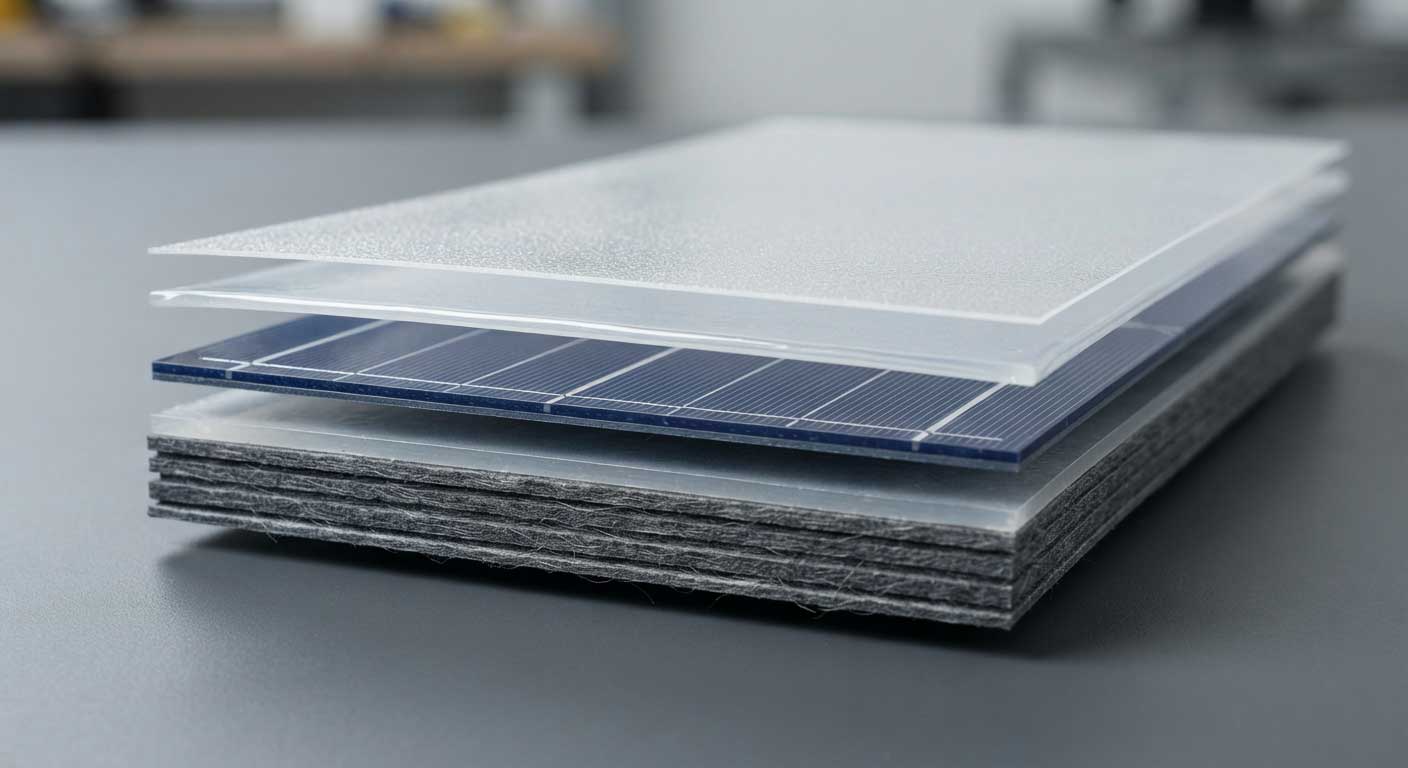
Between the protective layers and solar cells, manufacturers use encapsulation materials.
The main purposes are:
- Holding cells securely in place
- Blocking moisture penetration
- Improving mechanical stability
- Providing electrical insulation
Common encapsulation materials include:
EVA (Ethylene Vinyl Acetate)
EVA has been widely used in photovoltaic modules because it provides reliable cell protection and good transparency.
POE (Polyolefin Elastomer)
POE materials offer strong moisture resistance and are increasingly used in advanced solar modules.
The quality of encapsulation directly affects long-term reliability. Poor protection can lead to issues such as corrosion, delamination, and reduced output.
Electrical Materials Inside Solar Panels
Solar panels also contain several electrical materials responsible for collecting and transferring energy.
Conductive Metals
Common conductive materials include:
- Silver paste
- Copper wiring
- Tin-coated connectors
These materials collect electricity from solar cells and transfer it through the module.
Silver is commonly used in photovoltaic cell contacts because it provides excellent electrical conductivity, although manufacturers continue researching ways to reduce material usage and cost.
Junction Box and Solar Connectors
The junction box is located on the back of many solar panels.
It protects:
- Electrical connections
- Bypass diodes
- Output cables
Outdoor solar systems require sealed electrical components because moisture exposure can affect reliability.
For marine and RV applications, protection against humidity and temperature changes becomes especially important.
How Solar Panel Materials Affect Different Applications
The materials inside a solar panel determine where it works best.
| Application | Important Material Features |
|---|---|
| Home rooftop solar | Strong glass surface and structural frame |
| RV solar panels | Lightweight and flexible materials |
| Marine solar systems | UV and moisture resistance |
| Portable solar panels | Thin and durable construction |
A homeowner may prioritize long service life, while an RV owner may prioritize weight and installation flexibility.
At Bright Solar, product design decisions are based on these real application differences rather than simply maximizing one specification.
How Solar Panels Are Manufactured From Raw Materials
Understanding what are solar panels made out of also requires looking at how these materials become a finished photovoltaic module.
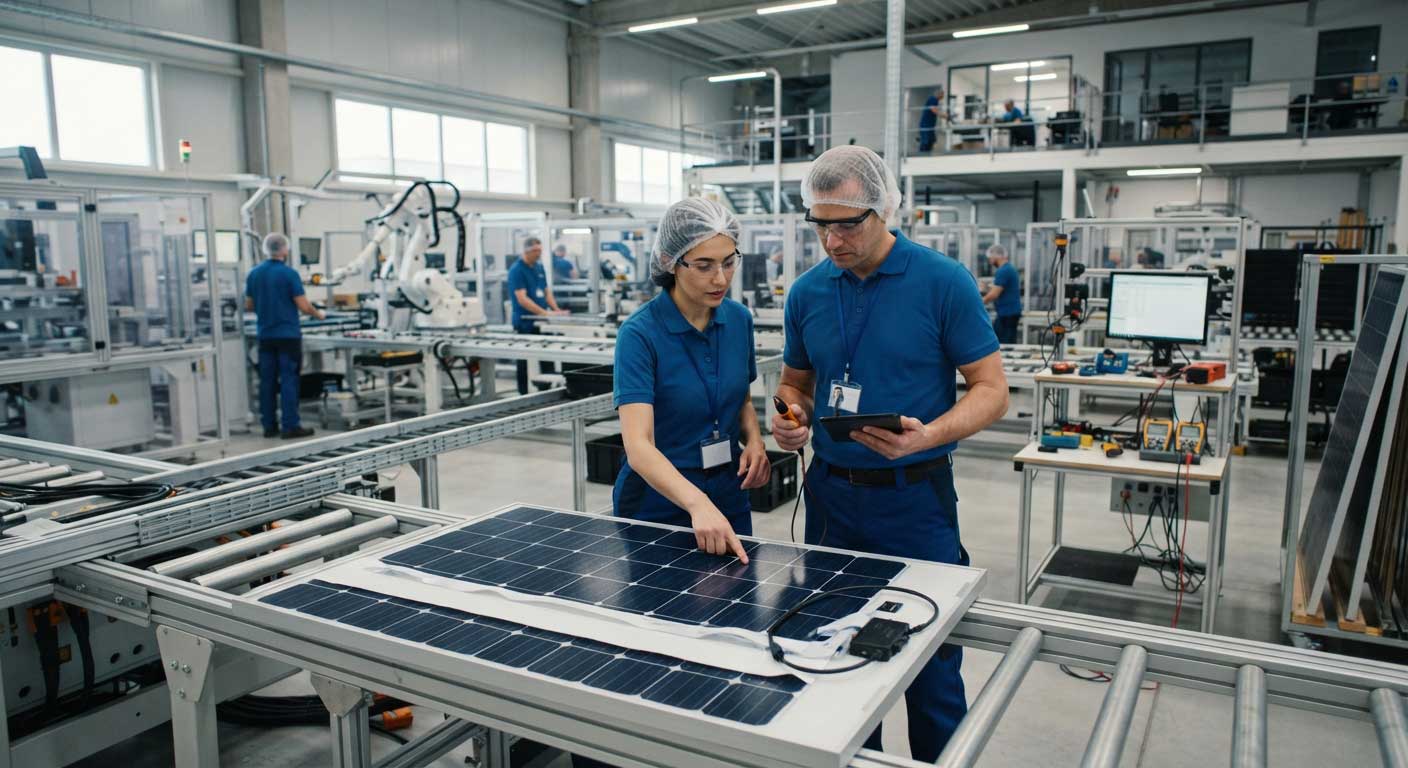
The manufacturing process involves several controlled stages:
Step 1 — Silicon Processing
Raw silicon is purified and processed into wafers.
These silicon wafers become the foundation of photovoltaic cells because they can generate electrical current when exposed to sunlight.
Step 2 — Solar Cell Production
During cell manufacturing:
- Silicon wafers receive electrical treatments
- Conductive layers are added
- Cell surfaces are optimized for light absorption
The finished solar cells are then tested for electrical performance before module assembly.
Step 3 — Solar Module Assembly
Solar cells are connected together and placed between protective layers.
The assembly usually includes:
- Front protection layer
- Encapsulation material
- Solar cells
- Back protection layer
- Electrical connections
Each layer must be precisely aligned because small manufacturing defects can affect long-term energy output.
Step 4 — Quality Testing
Finished solar panels undergo different reliability tests.
Common tests include:
- Electrical performance testing
- Temperature cycling
- Humidity exposure testing
- Mechanical stress testing
The International Electrotechnical Commission standard IEC 61215 defines testing requirements for terrestrial photovoltaic modules, including reliability evaluation under environmental stress conditions.
Source: International Electrotechnical Commission IEC 61215 Photovoltaic Module Standards
What Are Solar Panels Made Out Of for Flexible Solar Applications?
Flexible solar panels use a different material approach compared with traditional rigid modules.
Instead of heavy glass and aluminum frames, flexible modules focus on lightweight structures.
A typical flexible solar panel contains:
| Layer | Material Example | Purpose |
|---|---|---|
| Surface protection | ETFE film | UV and weather protection |
| Solar layer | Monocrystalline silicon cells | Energy conversion |
| Encapsulation | EVA or POE | Cell protection |
| Back layer | Flexible composite material | Structural support |
| Electrical system | Copper wiring and connectors | Energy transfer |
This construction allows flexible panels to be installed on:
- RV roofs
- Boat surfaces
- Camping equipment
- Curved structures
- Portable solar systems
At Bright Solar, flexible solar panel development focuses on balancing three factors:
- Energy output
- Weight reduction
- Outdoor durability
A lighter panel is valuable, but it still needs protection against heat, moisture, and mechanical stress.
Are Solar Panel Materials Environmentally Friendly?
Solar panels are designed to generate renewable electricity without fuel combustion during operation. However, their environmental impact also depends on manufacturing processes, material sourcing, and recycling methods.
Common recyclable materials include:
| Material | Recycling Value |
|---|---|
| Glass | High recycling potential |
| Aluminum frame | Easily recovered |
| Copper wiring | Valuable recyclable metal |
| Silicon | Can potentially be recovered |
| Polymer layers | More complex recycling process |
According to the International Renewable Energy Agency, photovoltaic module recycling and end-of-life management are becoming increasingly important as installed solar capacity continues to grow worldwide.
Source: International Renewable Energy Agency End-of-Life Management Solar Photovoltaic Panels
How Material Quality Influences Solar Panel Lifespan
The materials inside a solar panel directly affect how long it can operate outdoors.
Important durability factors include:
| Factor | Material Impact |
|---|---|
| UV exposure | Tests protective surface durability |
| Moisture | Challenges encapsulation quality |
| Temperature changes | Affects internal connections |
| Mechanical stress | Tests structural design |
| Installation environment | Determines suitable material selection |
The U.S. Department of Energy explains that photovoltaic systems are designed for long-term operation, with many solar modules continuing to generate electricity for 25 years or more under proper conditions.
Source: U.S. Department of Energy Solar Photovoltaics Basics
In practical installations, material quality becomes especially noticeable after years of outdoor exposure. A panel installed near the ocean, for example, faces different challenges compared with one installed in a dry inland area.
FAQ About What Solar Panels Are Made Out Of
What is the main material in solar panels?
The main material in most solar panels is silicon. Silicon photovoltaic cells convert sunlight into electrical energy through the photovoltaic effect.
Are all solar panels made with glass?
No. Most rigid solar panels use tempered glass, while flexible solar panels commonly use lightweight polymer materials such as ETFE instead of glass.
What are flexible solar panels made out of?
Flexible solar panels are made from silicon photovoltaic cells, ETFE protective layers, encapsulation materials, flexible backing layers, and electrical connectors.
Why are silicon cells used in solar panels?
Silicon is widely used because it has semiconductor properties that allow it to generate electricity when exposed to sunlight.
Do solar panel materials affect efficiency?
Yes. Solar cells, protective coatings, electrical connections, and thermal management materials all influence overall energy performance.
Can solar panel materials be recycled?
Yes. Materials such as glass, aluminum, copper, and some silicon components can be recovered through recycling processes.
Final Thoughts: Why Solar Panel Materials Matter
Knowing what are solar panels made out of helps users understand why different solar products perform differently in real environments.
The photovoltaic cells generate electricity, but the surrounding materials determine durability, installation flexibility, weather resistance, and service life.
For residential rooftops, rigid glass panels may provide strong structural protection. For RVs, boats, and portable systems, flexible solar panels offer advantages through lighter construction and easier installation.Learn more about the Flexible Solar Panel Installation Guide
Bright Solar focuses on developing solar solutions designed for practical applications where material selection matters. A high-quality solar panel is not defined by one component alone — it is the result of how every layer works together.
The prev: What a Solar Panel Is Made Of?The next: What Is IRC Certificate for Solar Panels?
Related recommendations
-

What a Solar Panel Is Made Of?
258A solar panel combines silicon cells, protective layers, encapsulants, structural materials, and electrical components to generate and protect solar power.
View details -
How Much Electric Does a Solar Panel Generate?
236How much electric does a solar panel generate? Discover daily and yearly solar panel output, real-world performance, and expert insights from Bright Solar with verified industry data.
View details -
does a solar panel need direct sunlight?
208does a solar panel need direct sunlight? Learn how solar panels work in cloudy weather, shade conditions, indirect light, and how to maximize solar energy output.
View details -
how to mount portable solar panels?
28Mount portable solar panels on stable supports, position them toward direct sunlight, and secure them against movement. Always follow manufacturer instructio...
View details