What Are Solar Panels?
What Are Solar Panels?
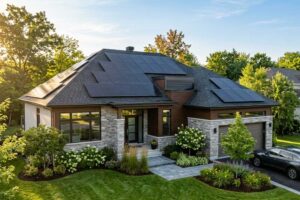
Solar panels are devices that convert sunlight into electricity using photovoltaic cells. They generate clean energy for homes, businesses, RVs, boats, and off-grid systems, reducing electricity costs and dependence on traditional power sources.
The first solar panel I ever touched wasn’t mounted on a house.
It sat on the roof of a weathered fishing boat. The aluminum frame had faded. Salt stains covered the corners. Yet the battery below deck remained fully charged.
That moment changed how I looked at solar technology.
Most people see glass.
Engineers see electricity.
Owners see independence.
And sometimes, after years in the field, solar panels become something simpler: quiet machines that work every day without asking for attention.
What Are Solar Panels Made Of?
Solar panels are built from photovoltaic cells that capture sunlight and convert it into direct current (DC) electricity.
A typical solar panel contains:
- Silicon solar cells
- Tempered glass
- EVA encapsulation layers
- Aluminum frame
- Junction box
- Electrical connectors
According to the U.S. Department of Energy, photovoltaic cells produce electricity when sunlight excites electrons within semiconductor materials.
Source:
https://www.energy.gov/eere/solar/solar-photovoltaic-technology-basics
Silicon remains the dominant material because it offers durability, efficiency, and large-scale manufacturing capability.
How Solar Panels Produce Electricity
The process happens silently.
No moving parts.
No fuel.
No combustion.
Sunlight strikes the silicon cells.
Electrons become energized.
Current begins flowing.
An inverter then converts direct current into usable alternating current.
Most homeowners never witness this process. They simply notice the electric meter slowing down.
The National Renewable Energy Laboratory explains that photovoltaic technology directly converts sunlight into electricity without mechanical systems.
Source:
Major Types of Solar Panels
Several technologies exist today.
Monocrystalline Solar Panels
Advantages:
- High efficiency.
- Long lifespan.
- Better appearance.
- Excellent low-light performance.
Efficiency often reaches 20–23%.
Polycrystalline Solar Panels
Advantages:
- Lower cost.
- Mature technology.
However, market demand continues declining.
Thin-Film Solar Panels
Advantages:
- Lightweight.
- Flexible applications.
Lower efficiency limits some installations.
Flexible Solar Panels
Flexible modules have become increasingly popular for:
- RVs.
- Boats.
- Camper vans.
- Portable systems.
- Curved surfaces.
At Bright Solar, flexible panels frequently solve problems that rigid panels cannot.
Solar Panel Efficiency Comparison
| Panel Type | Efficiency |
|---|---|
| Monocrystalline | 20–23% |
| Polycrystalline | 15–18% |
| Thin Film | 10–15% |
| Flexible Panels | 18–23% |
Higher efficiency means more electricity from limited roof space.
But efficiency is not always the deciding factor.
Weight matters.
Installation matters.
Environment matters.
I once watched an RV owner choose a slightly less efficient panel simply because his fiberglass roof could not support additional weight.
The decision made perfect sense.
Where Are Solar Panels Used?
Solar panels appear almost everywhere today.
Applications include:
- Residential homes.
- Commercial buildings.
- Warehouses.
- Farms.
- Boats.
- Recreational vehicles.
- Portable power stations.
- Telecommunications equipment.
According to the International Energy Agency, solar photovoltaic capacity continues growing globally as installation costs decline.
Source:
Twenty years ago, solar panels were unusual.
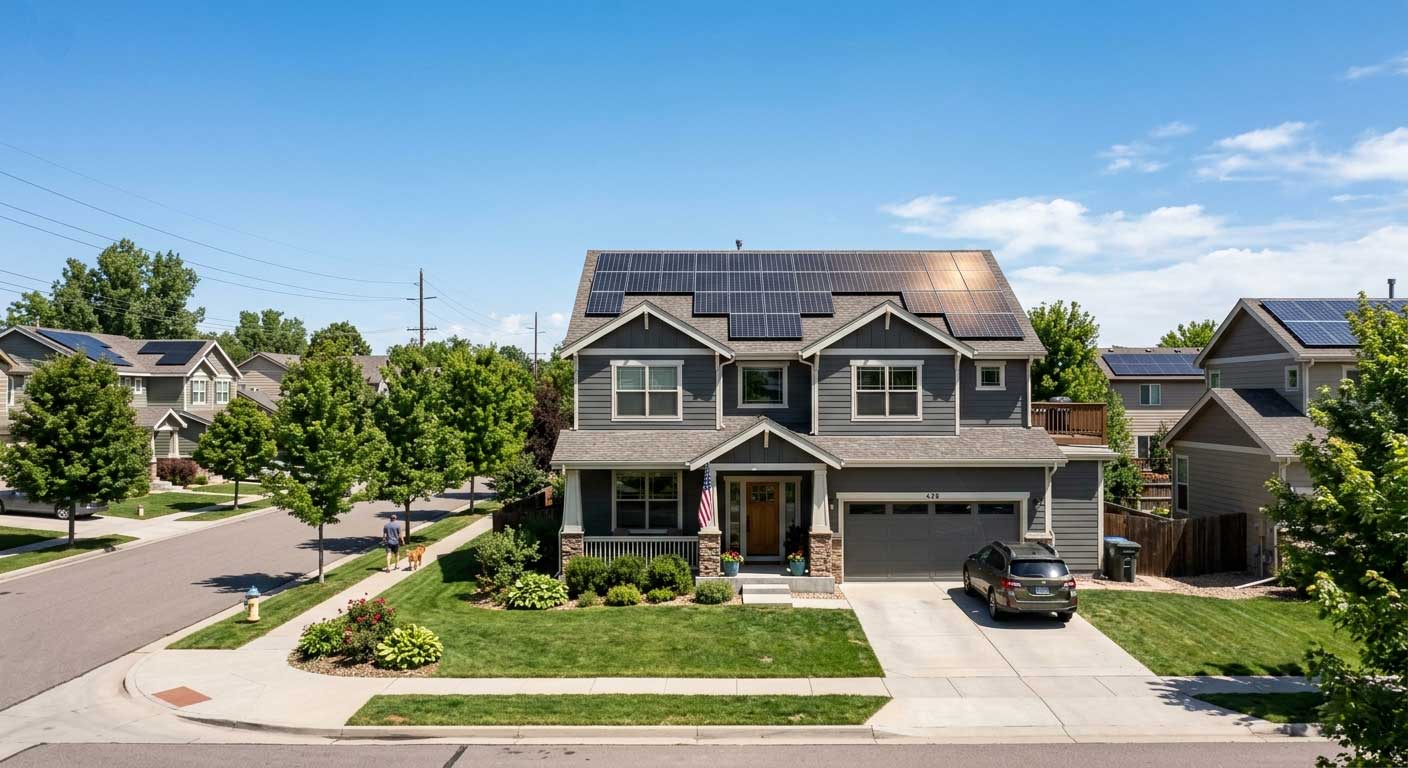
Today they appear on suburban roofs, highway signs, and mountain cabins.

How Long Do Solar Panels Last?
Modern solar panels commonly last 25 to 30 years.
Many manufacturers provide:
- 25-year performance warranties.
- 12–30 year product warranties.
The Solar Energy Industries Association reports that solar systems can continue producing electricity long after warranty periods end.
Source:
During inspections, I have seen panels installed nearly three decades ago still generating power.
Output declines gradually.
Failure is often slower than people expect.
What Happens Inside a Real Installation?
A homeowner in Nevada once stood beside his newly installed array.
He asked:
“So these things just sit there?”
Yes.
That is largely the beauty of solar.
No fuel deliveries.
No engine oil.
No moving belts.
Only sunlight.
Months later he called the installer.
Not because the system failed.
Because he forgot it existed.
The electric bill reminded him.
Why Flexible Solar Panels Continue Growing
Flexible technology has expanded rapidly.
Advantages include:
- Reduced weight.
- Easier transport.
- Curved surface installation.
- Lower roof stress.
Many marine applications now prefer ETFE-coated flexible panels.
RV builders increasingly select lightweight solutions.
For mobile applications, every pound matters.
Sometimes saving thirty pounds on a roof affects fuel consumption more than gaining several extra watts.
Author Experience
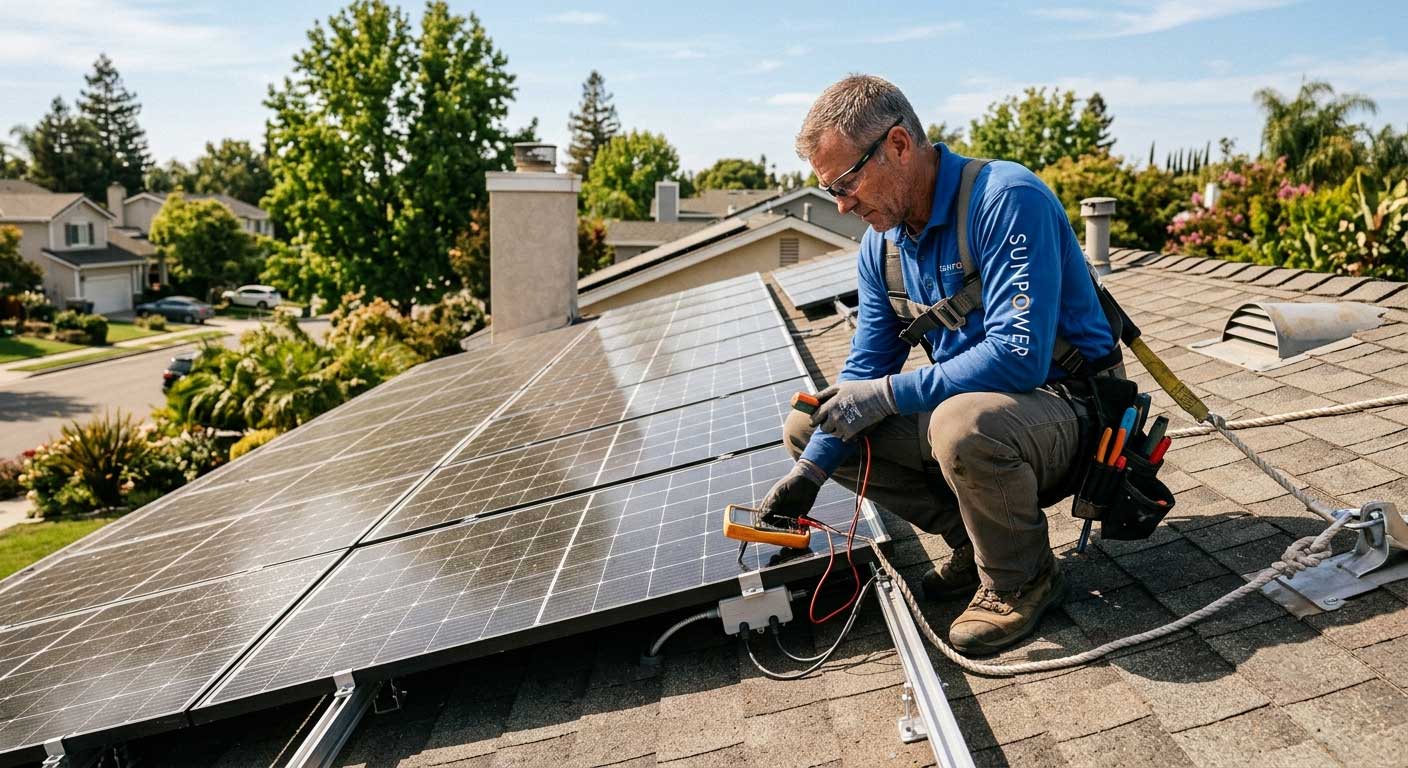
Michael Turner has spent more than twelve years evaluating solar installations, inspecting rooftop systems, testing flexible solar panels, and studying field performance across residential and mobile applications.
Professional experience includes:
- Residential solar inspections.
- RV installations.
- Marine solar evaluations.
- Flexible panel testing.
- Commercial rooftop assessments.
Many examples in this article come directly from customer visits and installation reviews.
FAQ About What Are Solar Panels?
What are solar panels made of?
Most solar panels contain silicon photovoltaic cells protected by glass and encapsulation materials.
Are solar panels renewable energy?
Yes. Solar energy is considered a renewable energy source.
What are flexible solar panels?
Flexible solar panels are lightweight modules that can conform to curved surfaces.
How much electricity do solar panels produce?
Production depends on wattage, sunlight conditions, and installation location.
Can solar panels work on cloudy days?
Yes. Output decreases, but panels continue generating electricity under cloudy conditions.
Final Thoughts
People searching what are solar panels often expect a technical definition.
The technical answer is easy.
Solar panels convert sunlight into electricity.
But after years of climbing roofs, opening electrical cabinets, and watching systems operate through heat, rain, and snow, the answer feels larger.
Solar panels are not only electrical devices.
For some homeowners they are lower utility bills.
For RV owners they mean freedom.
For boat owners they mean quiet mornings without generators.
And sometimes, as I learned beside that old fishing boat years ago, they simply become another dependable tool that keeps working long after everyone stops paying attention.
The prev: How Much Solar Panels?The next: How Much Does It Cost to Get Solar Panels?
Related recommendations
-

How Many Kilowatts Can a Solar Panel Produce?
281How many kilowatts can a solar panel produce? Learn typical solar panel power output, real-world performance, and expert insights from Bright Solar to estimate your energy production.
View details -
how many solar panels needed for a house?
193how many solar panels needed for a house? Estimate your panel count using energy use, sunlight, panel wattage, roof space, and real-world solar production.
View details -
How to Clean Solar Light Panels?
265Learn how to clean solar light panels properly, remove dirt from garden solar lights, improve charging performance, and extend solar lighting lifespan.
View details -
how to clean a solar light panel?
159Clean a solar light panel with clean water and a soft microfiber cloth after removing loose dust. Avoid abrasives, hard brushes, and high-pressure water.
View details