USB Solar Panel Flexible: Portable Solar Charging Solution for Outdoor Power Needs
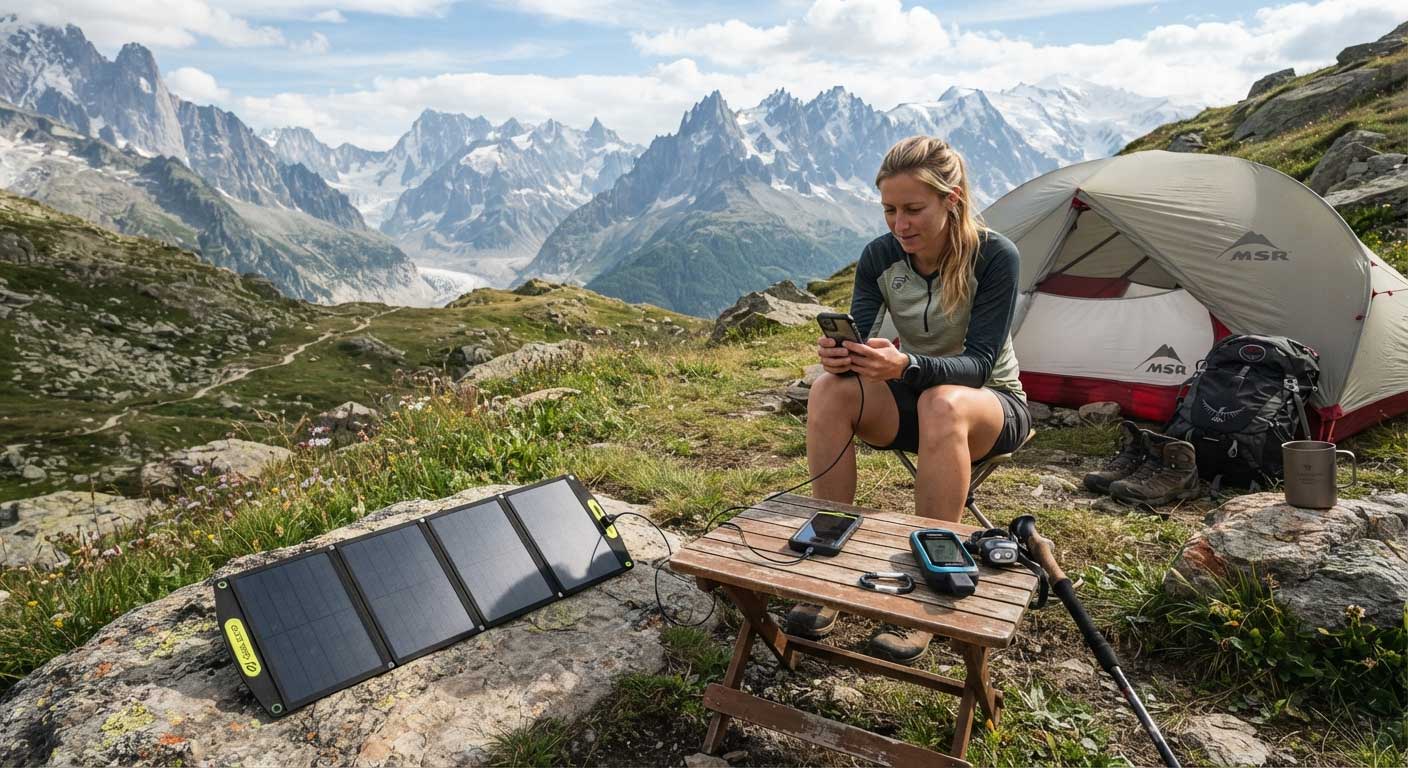
USB solar panel flexible is a lightweight solar charging solution that converts sunlight into USB power for mobile devices, outdoor equipment, and emergency applications. Its flexible design makes it easier to carry, install, and use where traditional solar panels are impractical.
When customers ask Bright Solar whether a flexible solar panel with USB output can replace a traditional charger, our answer is usually: it depends on the application. For a smartphone, GPS device, camping light, or small electronic equipment, a portable USB solar solution can provide valuable independent power.
However, solar charging outdoors is different from plugging into a wall outlet. Real performance depends on sunlight intensity, panel size, charging technology, weather conditions, and energy management.
During our product development process, we tested flexible USB solar solutions in different environments, including hiking trips, camper applications, and remote monitoring projects. The biggest lesson was not about adding more watts. It was about creating a lightweight system that people would actually carry and use.
A solar charger that stays at home because it is too heavy has no practical value.
What Is a USB Solar Panel Flexible?
A USB solar panel flexible is a bendable photovoltaic module designed to generate electricity from sunlight and provide power through a USB output interface.
Unlike traditional rigid solar panels that use glass surfaces and aluminum frames, flexible USB solar panels are built with lightweight materials that allow easier transportation and installation.
A typical flexible USB solar panel system includes:
| Component | Function |
|---|---|
| Solar cells | Convert sunlight into electrical energy |
| Flexible substrate | Allows bending and lightweight design |
| ETFE protective coating | Protects against UV, moisture, and scratches |
| USB controller module | Regulates output voltage |
| USB port | Connects mobile devices |
The purpose of this technology is simple:
Generate solar power wherever conventional electricity is unavailable.
Typical users include:
- Outdoor travelers
- Campers
- Hikers
- Emergency preparedness users
- Remote workers
- Field researchers
How Does a USB Solar Panel Flexible Work?
The working principle is based on photovoltaic conversion.
When sunlight reaches the solar cells, photons create electrical current. The generated electricity passes through a controller that regulates voltage before reaching the USB output.
The basic process:
Sunlight → Solar Cells → Electrical Energy → Charge Controller → USB Output → Device Charging
The USB controller is important because electronic devices require stable voltage.
A smartphone does not directly use unstable solar electricity. Cloud movement, changing sunlight angles, and partial shading can cause power fluctuations.
A quality flexible USB solar panel helps manage these changes.
USB Output Technology Explained
Most flexible USB solar chargers are designed around common consumer charging standards.
Typical outputs include:
| Output Type | Application |
|---|---|
| USB-A | Smartphones, GPS devices, small electronics |
| USB-C | Newer mobile devices and portable equipment |
| Multiple USB ports | Charging several devices |
The actual charging speed depends on:
- Solar panel wattage
- Sunlight intensity
- Device charging requirements
- Controller efficiency
For example, a small 10W panel may maintain phone charging in strong sunlight but may struggle during cloudy conditions.
A larger 20W–40W flexible solar panel provides more practical charging capability for outdoor users.
Why Choose a Flexible USB Solar Panel Instead of Traditional Solar Panels?
The biggest advantage is portability.
Traditional solar panels are designed mainly for permanent installation.
Flexible USB solar panels focus on mobility.
They provide advantages such as:
Lightweight Design
Outdoor users often carry every piece of equipment on their back.
Weight matters.
A backpacking solar charger needs to balance:
- Power output
- Size
- Durability
- Carrying comfort
Flexible construction removes unnecessary structural materials and reduces overall weight.
For hiking and camping applications, this difference can determine whether users bring solar equipment or leave it behind.
Flexible Installation Options
A flexible USB solar panel can be placed in locations where rigid panels cannot.
Examples:
- Backpack surface
- Tent area
- RV roof
- Boat canopy
- Outdoor equipment
The ability to adapt to different surfaces increases practical usability.
Easy Transportation
Portable energy systems are often used in locations without convenient infrastructure.
Examples include:
- Mountain trails
- National parks
- Remote campsites
- Disaster response areas
The easier a solar product is to transport, the more likely users are to deploy it.
Materials Used in USB Solar Panel Flexible Manufacturing
ETFE Protective Surface
Outdoor solar equipment must survive environmental exposure.
A flexible USB solar panel may experience:
- Direct sunlight
- Rain
- Dust
- Temperature changes
- Outdoor abrasion
Premium flexible solar products often use ETFE coating because it provides:
- UV resistance
- Lightweight protection
- High transparency
- Better outdoor durability
At Bright Solar, material selection is one of the first considerations during product development.
The solar cells generate electricity, but the protective structure determines how long the product can continue operating outdoors.
Monocrystalline Solar Cells
Many modern flexible solar chargers use monocrystalline cells because they provide higher conversion efficiency compared with older photovoltaic technologies.
According to the National Renewable Energy Laboratory (NREL), crystalline silicon remains the dominant photovoltaic technology due to its reliability, efficiency improvements, and established manufacturing ecosystem.
Source:
National Renewable Energy Laboratory
https://www.nrel.gov/solar/
For portable applications, efficiency is important because available installation space is limited.
A backpack or camping setup cannot always accommodate a large solar surface.
Real Experience: Testing Flexible USB Solar Panels in Outdoor Conditions
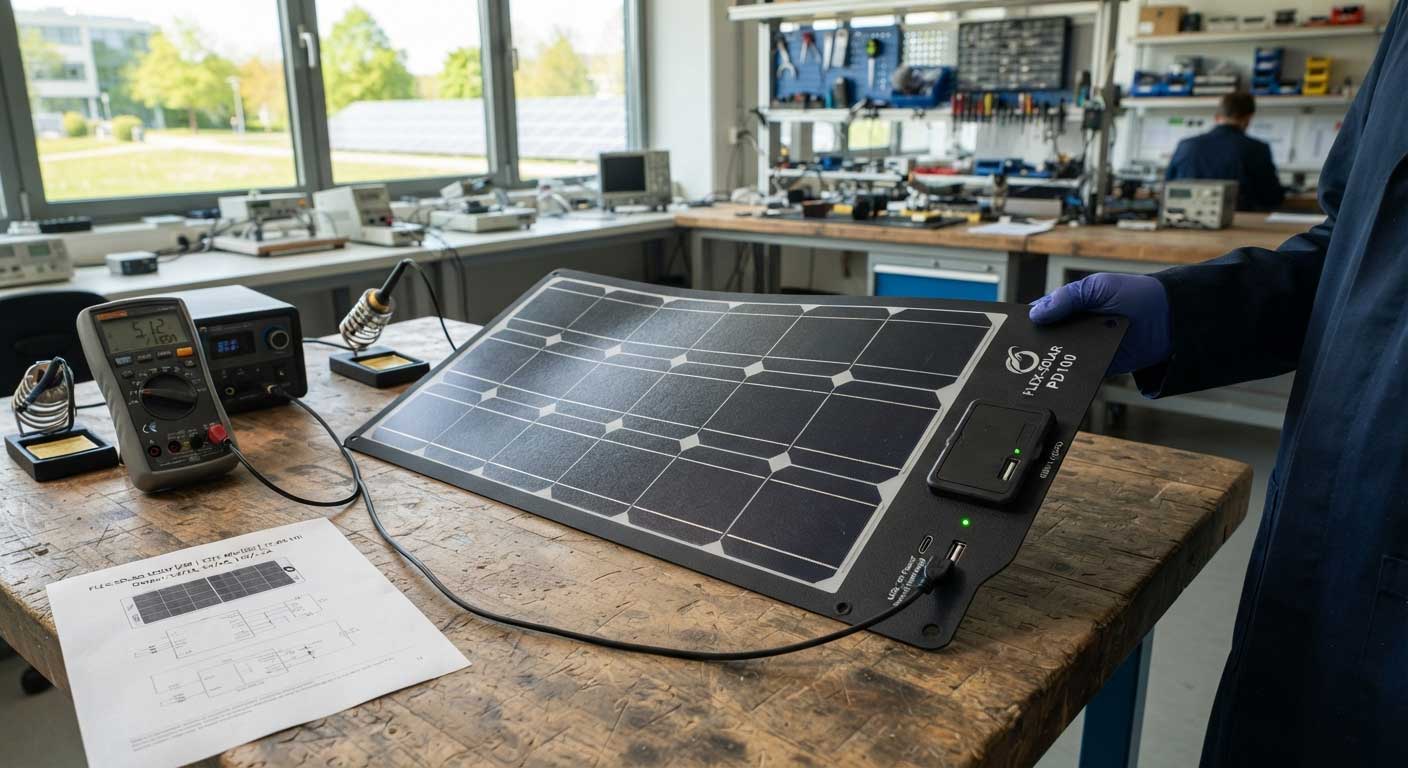
At Bright Solar, we found that laboratory testing only tells part of the story.
Outdoor users create different challenges.
A customer project in Germany involved developing a portable solar charging solution for long-distance hiking applications.
The original concept used a rigid mini solar panel.
The problems appeared quickly:
- Difficult to pack
- Fragile during transportation
- Limited placement options
The design was changed to a flexible USB solar panel system.
During field evaluation:
- The panel was carried through multiple outdoor routes
- Used under changing sunlight conditions
- Connected with smartphones and GPS equipment
- Tested through repeated folding and transportation
The feedback was clear.
Users preferred a slightly lower peak output if the product was easier to carry and deploy.
This experience influenced our approach at Bright Solar:
Solar products should fit user behavior, not only technical specifications.
Applications of USB Solar Panel Flexible
Flexible USB solar panels are commonly used where electricity access is limited.
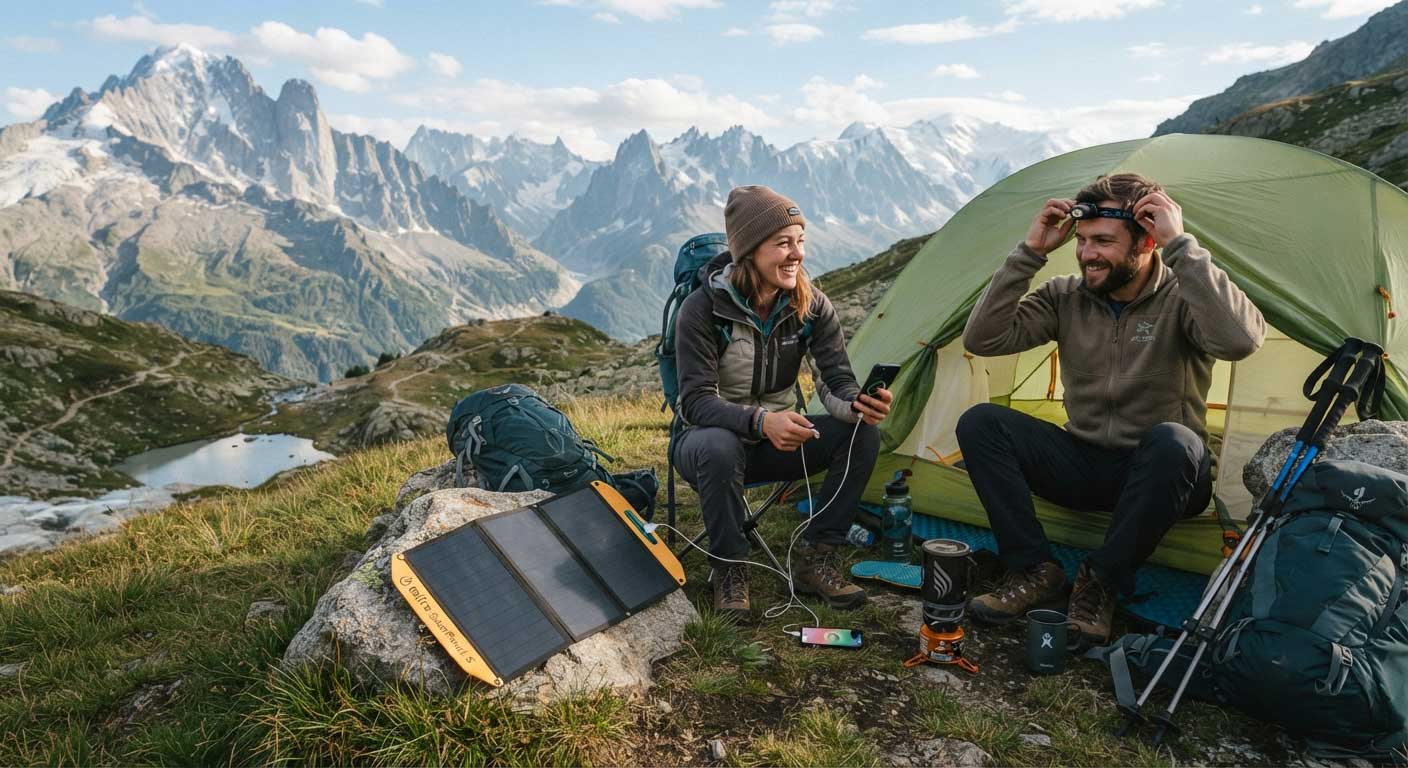
Camping and Hiking
Outdoor enthusiasts use flexible solar chargers for:
- Smartphones
- GPS devices
- Cameras
- Portable lights
The goal is not replacing a complete power system but extending independence.
Emergency Backup Power
During emergencies, access to electricity may become unreliable.
Portable solar charging can support:
- Communication devices
- Emergency lighting
- Small electronics
The U.S. Department of Energy recognizes solar photovoltaic technology as an important renewable energy resource that can support distributed energy applications.
Source:
U.S. Department of Energy Solar Photovoltaics
https://www.energy.gov/eere/solar/solar-photovoltaics
Remote Monitoring Equipment
Remote sensors and small electronic systems often require continuous low-power energy.
Flexible USB solar solutions can support:
- Environmental sensors
- Field cameras
- Remote communication equipment
Their lightweight structure makes deployment easier in locations without grid access.
How Much Power Can a USB Solar Panel Flexible Generate?
The output of a USB solar panel flexible depends on several real-world factors.
Many users expect a solar charger to produce the rated wattage all day, but outdoor conditions are constantly changing.
Actual charging performance is influenced by:
- Sunlight intensity
- Panel orientation
- Temperature
- Cloud coverage
- Shading
- Device charging requirements
A simple calculation:
Daily Energy Output = Solar Panel Wattage × Peak Sun Hours × System Efficiency
For example:
| Panel Size | Peak Sun Hours | Estimated Daily Output |
|---|---|---|
| 10W Flexible Solar Panel | 5 hours | Around 40–50Wh |
| 20W Flexible Solar Panel | 5 hours | Around 80–100Wh |
| 40W Flexible Solar Panel | 5 hours | Around 160–200Wh |
The actual result will vary depending on location.
According to the National Renewable Energy Laboratory (NREL), solar energy production is strongly affected by geographic location, weather conditions, system design, and installation factors.
Source:
National Renewable Energy Laboratory
https://www.nrel.gov/solar/
For outdoor charging, energy management is often more important than maximum output.
A user who positions the panel correctly for several hours may achieve better results than someone carrying a larger panel but using it incorrectly.
How to Choose the Right USB Solar Panel Flexible?
Choosing a flexible USB solar panel requires understanding the intended application.
A common mistake is buying based only on size or price.
Before selecting a product, consider:
- What devices need charging?
- How often will it be used?
- How much weight can you carry?
- What environment will it face?
Choose Based on Power Requirements
Different outdoor activities require different power levels.
| Application | Recommended Solar Power |
|---|---|
| Emergency phone charging | 10W–20W |
| Hiking and backpacking | 15W–30W |
| Camping equipment | 30W–60W |
| RV auxiliary charging | 100W+ |
For occasional smartphone charging, a compact USB solar charger may be enough.
For longer outdoor trips, higher wattage provides more flexibility.
Check USB Charging Compatibility
Modern devices use different charging standards.
Before purchasing, check:
- USB-A compatibility
- USB-C compatibility
- Fast charging support
- Output stability
A solar panel producing electricity is only useful if the connected device can properly receive that power.
Consider Weather Protection
Outdoor solar equipment faces unpredictable conditions.
Important features include:
- Waterproof design
- Scratch-resistant surface
- UV protection
- Durable connectors
A camping solar panel used occasionally has different requirements from a professional field power system.
The environment determines the necessary protection level.
USB Solar Panel Flexible vs Traditional Portable Solar Chargers
Many products are marketed as portable solar chargers, but construction quality can vary significantly.
The difference often comes down to engineering.
| Feature | USB Solar Panel Flexible | Basic Portable Solar Charger |
|---|---|---|
| Structure | Flexible photovoltaic module | Often rigid or folding design |
| Weight | Lightweight | Depends on construction |
| Installation | Multiple surfaces | Usually placed flat |
| Durability | Designed for outdoor exposure | Varies by product |
| Application | Camping, RV, remote systems | Short-term charging |
A professional flexible solar panel focuses on long-term outdoor usability.
It is not simply a charger with a solar surface attached.
Bright Solar Experience Developing Flexible USB Solar Solutions
At Bright Solar, our approach has always been based on application testing.
A solar product can look excellent in a specification sheet but fail when exposed to real users.
During product evaluation, our team focuses on:
- Material durability
- Electrical stability
- Outdoor usability
- Installation convenience
One field feedback example came from an outdoor equipment company in North America.
Their customers used portable solar charging during:
- Multi-day camping trips
- Remote photography projects
- Outdoor research activities
The first prototype performed well electrically, but users reported one practical issue:
The product was inconvenient to carry.
After redesigning the structure, reducing unnecessary weight, and improving folding flexibility, customer feedback improved significantly.
This reinforced a lesson we continue following:
The best portable solar product is the one people actually bring with them.
Advantages of Bright Solar USB Solar Panel Flexible Solutions
Bright Solar focuses on flexible photovoltaic products designed for practical applications.
Key advantages include:
Lightweight Engineering
Flexible solar technology reduces unnecessary weight while maintaining power generation capability.
This benefits:
- Travelers
- Campers
- Mobile workers
- Emergency users
Durable Outdoor Materials
Outdoor solar products must handle changing environments.
Material selection focuses on:
- UV resistance
- Weather protection
- Mechanical durability
Custom Solar Solutions
Different customers require different designs.
Bright Solar supports customized solutions including:
- Different wattages
- Different sizes
- Custom cable configurations
- OEM requirements
This is particularly useful for:
- Outdoor equipment manufacturers
- Portable power companies
- Specialized energy applications
FAQ About USB Solar Panel Flexible
What is a USB solar panel flexible?
A USB solar panel flexible is a lightweight photovoltaic panel that generates electricity from sunlight and provides power through USB output for mobile devices and small electronic equipment.
Can a flexible USB solar panel charge a smartphone?
Yes. A properly designed flexible USB solar panel can charge smartphones when there is sufficient sunlight and the output voltage is compatible with the device.
Are flexible USB solar panels waterproof?
Many outdoor flexible solar panels are designed with waterproof protection. However, waterproof performance depends on materials, sealing methods, and product design.
How long does a USB solar panel flexible last?
The lifespan depends on manufacturing quality, outdoor exposure, and maintenance. Products using durable coatings and quality photovoltaic materials generally provide longer service life.
Can I use a flexible USB solar panel for camping?
Yes. Camping is one of the most common applications because flexible solar panels are lightweight, portable, and easy to deploy.
Is a flexible solar panel better than a power bank?
They serve different purposes. A power bank stores energy, while a solar panel generates new energy from sunlight. Many outdoor users combine both for better reliability.
What size USB solar panel do I need?
The required size depends on your devices and usage. Small electronics may need 10W–20W, while larger outdoor systems may require higher wattage panels.
Final Thoughts: Why USB Solar Panel Flexible Technology Matters
USB solar panel flexible technology represents a practical shift toward portable renewable energy.
The value is not only producing electricity.
It is providing power in places where traditional charging methods are unavailable.
For hikers, campers, emergency users, and remote workers, flexible solar technology creates more freedom.
At Bright Solar, our experience shows that successful portable solar products need three qualities:
- Reliable energy generation
- Lightweight design
- Real-world durability
A solar panel that fits into everyday life has more impact than one that only performs well in controlled conditions.
As outdoor energy needs continue growing, USB solar panel flexible solutions will become an important part of personal and mobile renewable power systems.
Related recommendations
-

Walkable Solar Panels for Boats, RVs and High-Traffic Surfaces
286Discover how walkable solar panels provide reliable power while supporting foot traffic on boats, RVs, and marine decks. Learn key specifications, durability, and installation tips.
View details -
100w 12v Flexible Solar Panel: Output, Wiring and Installation Guide
342Learn how a 100w 12v flexible solar panel works, its output, battery sizing, wiring, installation, RV uses, and key selection factors for mobile power.
View details -
flexible solar panels for van roof: Lightweight Solar Solution for Camper Conversions
141Explore flexible solar panels for van roof with lightweight design, easy installation, and reliable off-grid power solutions for camper conversions and travel vehicles.
View details -
Flexible Solar Panel Kits: Complete Solar Solutions for Mobile and Off-Grid Power
166Explore flexible solar panel kits for RVs, boats, campervans, and off-grid systems. Lightweight, efficient, and easy to install for reliable solar power anywhere.
View details