How Much To Install Solar Panels On My House?
How Much To Install Solar Panels On My House?
Installing solar panels on a house typically costs $15,000–$30,000 before incentives for a complete residential system. The final price depends on system size, panel type, roof conditions, labor costs, and local installation requirements. A professional design can significantly change the total investment.
The question how much to install solar panels on my house is one of the first things homeowners ask before switching to solar.
The answer is not a single number because every home has different energy needs and installation conditions.
At Bright Solar, I have reviewed residential solar projects where two similar-looking houses received very different installation quotes. One home had a simple south-facing roof with easy electrical access, while another required additional structural work and longer cable routes. The difference came from installation details, not only the solar panels themselves.
What Is the Average Cost to Install Solar Panels on a House?
The average residential solar installation cost depends mainly on the size of the solar system.
According to data from the National Renewable Energy Laboratory (NREL), residential photovoltaic system costs include hardware, labor, permitting, installation, and other balance-of-system expenses.
Source:
https://www.nrel.gov/
In the United States, a typical home solar system is often between 5kW and 10kW.
Estimated installation ranges:
| Solar System Size | Typical Installation Cost Before Incentives |
|---|---|
| 3kW system | Around $9,000–$13,000 |
| 5kW system | Around $14,000–$20,000 |
| 7kW system | Around $18,000–$27,000 |
| 10kW system | Around $25,000–$35,000 |
Actual prices vary depending on location, equipment selection, and installer rates.
What Determines Solar Panel Installation Cost?
1. Solar System Size
The biggest factor affecting installation cost is system size.
A larger home with higher electricity consumption requires:
- More solar panels
- Larger inverter capacity
- More mounting materials
- Additional installation labor
For example:
A small energy-efficient home may only need a 4kW system, while a larger house with electric heating, an EV charger, and high daily consumption may require 8kW or more.
The correct system size should be calculated based on actual electricity usage rather than roof space alone.
2. Solar Panel Type and Quality
Solar panels represent an important part of the total investment.
Different panel technologies have different price ranges.
Common options include:
| Panel Type | Characteristics |
|---|---|
| Monocrystalline panels | High efficiency and widely used |
| Bifacial panels | Capture sunlight from both sides |
| Flexible solar panels | Lightweight and suitable for special applications |
| Premium efficiency panels | Higher output from limited space |
At Bright Solar, I often explain to customers that the cheapest panel is not always the lowest-cost solution.
A panel with better efficiency may reduce the number of modules needed, especially when roof space is limited.
How Much Does Labor Cost for Solar Installation?
Installation labor can represent a significant portion of the total solar project cost.
Labor expenses include:
- Roof preparation
- Mounting system installation
- Electrical wiring
- Inverter setup
- Inspection preparation
- System commissioning
A simple roof installation may take less time, while complex projects can require additional work.
Factors that increase installation difficulty include:
- Steep roofs
- Older electrical systems
- Long distances between panels and electrical panels
- Difficult access areas
During residential solar evaluations, installers usually inspect the roof structure and electrical system before providing a final quotation.
Are Solar Panels Cheaper Than Before?
Yes. Solar panel prices have decreased significantly over the past decade.
According to the International Energy Agency (IEA), solar photovoltaic technology costs have declined dramatically as manufacturing capacity increased and technology improved.
Source:
https://www.iea.org/
However, the installation price homeowners see today is not only the cost of panels.
A complete solar project includes:
- Solar modules
- Inverter
- Mounting equipment
- Electrical components
- Labor
- Permits
- Inspection fees
This is why comparing only panel prices can give an incomplete picture.
Solar Installation Cost Breakdown
A residential solar system usually includes several cost categories.
| Component | Approximate Share |
|---|---|
| Solar panels | 20–30% |
| Inverter | 10–15% |
| Mounting equipment | About 10% |
| Labor and installation | 25–35% |
| Permits and design | 10–15% |
| Electrical work | 10–15% |
These percentages can change depending on the project.
For example, a new home with solar-ready electrical infrastructure may have lower installation costs than an older home requiring upgrades.
How Can I Reduce the Cost of Installing Solar Panels?
Homeowners often ask how much to install solar panels on my house because they want to understand whether solar is affordable. The final price can often be reduced through careful planning rather than simply choosing the lowest-priced equipment.
Several practical methods can help lower installation costs:
1. Choose the Correct System Size
Oversizing a solar system increases the initial investment without always providing additional value.
A properly designed system should match:
- Annual electricity consumption
- Future energy needs
- Available roof space
- Local sunlight conditions
For example, a homeowner planning to install an electric vehicle charger in the future may need a larger system than someone with stable electricity usage.
2. Compare Complete Solar Quotes
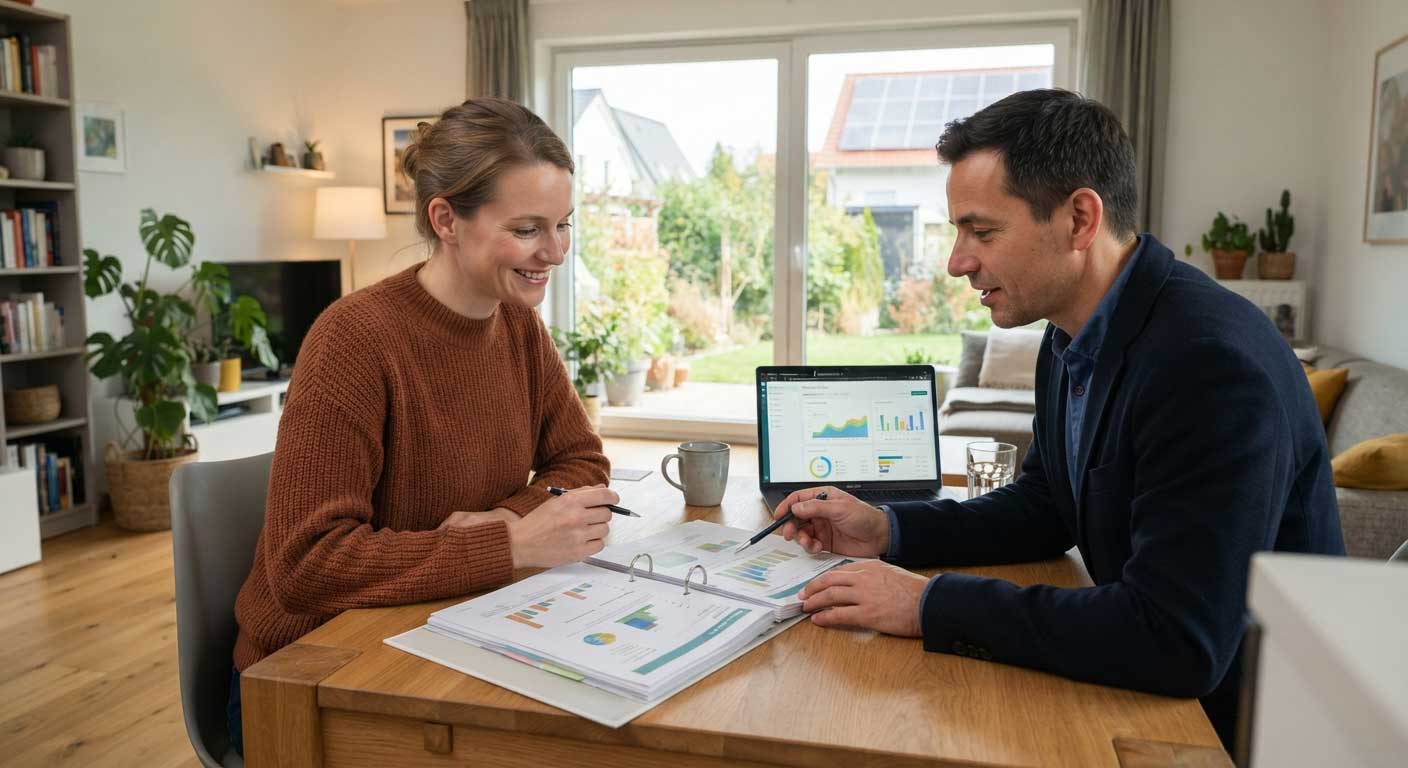
Solar installation quotes can vary widely.
When comparing proposals, homeowners should check:
- Panel brand and efficiency
- Inverter specifications
- Installation warranty
- Labor quality
- Expected annual energy production
A lower quotation may exclude important items such as electrical upgrades or monitoring equipment.
From my experience reviewing solar projects, the cheapest proposal is not always the most economical over 20 years. A slightly higher upfront cost can provide better reliability and energy production.
3. Consider Solar Incentives and Rebates
Government incentives can significantly reduce the final cost of a solar installation.
For example, in the United States, the federal solar investment tax credit (ITC) has historically helped reduce residential solar costs for eligible homeowners.
Because incentive programs change by location and year, homeowners should check current regulations before making decisions.
How Long Does Solar Installation Take?
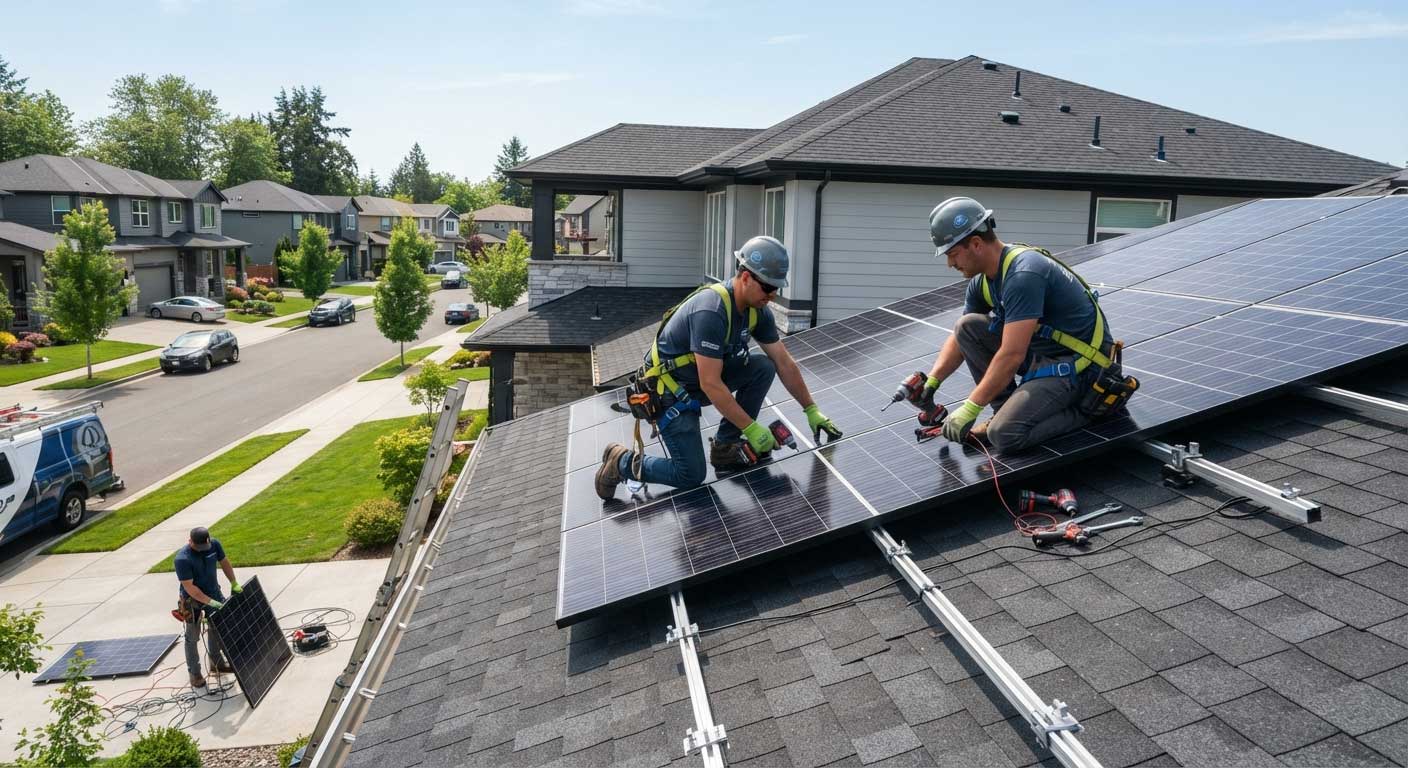
The installation process usually takes several days to several weeks depending on project complexity.
A typical residential solar project includes:
| Installation Stage | Estimated Time |
|---|---|
| Site assessment | 1–7 days |
| System design | Several days |
| Permit approval | Days to weeks |
| Panel installation | 1–3 days |
| Inspection and activation | Several days |
The physical installation of panels is often much faster than homeowners expect.
The longer waiting period usually comes from permits, utility approvals, and inspections.
Is Installing Solar Panels on a House Worth the Cost?
For many homeowners, solar can provide long-term energy savings and reduce dependence on traditional electricity sources.
The value depends on:
- Electricity prices in the area
- Available sunlight
- Installation cost
- System performance
- Ownership period
A solar system is usually a long-term investment rather than a quick purchase.
The first few years focus on recovering the initial investment, while later years can provide lower-cost electricity after the system has paid back its installation cost.
What Additional Costs Should Homeowners Consider?
Many people calculate only the cost of panels and forget the supporting equipment.
Additional expenses may include:
- Roof repairs before installation
- Electrical panel upgrades
- Battery storage systems
- Monitoring equipment
- Maintenance services
For example, installing solar panels on an older roof may require replacing roofing materials first. Completing roof work before solar installation can avoid removing panels later.
FAQ About How Much To Install Solar Panels On My House?
How much to install solar panels on my house?
The cost usually ranges from about $15,000 to $30,000 before incentives for a typical residential solar system. The exact price depends on system size, location, equipment, and installation conditions.
How many solar panels does a house need?
Most homes require around 10–25 solar panels depending on electricity usage, panel wattage, roof space, and local sunlight conditions.
Does roof size affect solar installation cost?
Yes. Roof size, shape, angle, and condition can affect installation difficulty and total project cost.
Are solar panels cheaper if I install more of them?
Larger solar projects may reduce the cost per watt because installation expenses are distributed across more equipment, but the total investment will still increase.
How long do residential solar panels last?
Most modern solar panels are designed to operate for 25 years or more. Performance gradually decreases over time depending on product quality and environmental conditions.
Can I install solar panels myself to save money?
DIY installation can reduce labor expenses, but professional installation is recommended for grid-connected systems because electrical work, permits, and safety requirements must be handled correctly.
how much to have solar panels installed?
How much to have solar panels installed depends on system size, equipment selection, roof conditions, labor rates, and local incentives. In the United States, most homeowners spend around $15,000–$30,000 before incentives for a complete solar system, while installation costs commonly range from $2.50–$3.50 per watt.Learn more about “how much to have solar panels installed“
how much is solar panel installation?
How much is solar panel installation depends on system size, equipment quality, labor costs, roof conditions, and local incentives. In the United States, most residential solar installations cost about $15,000–$30,000 before incentives, with average installed prices around $2.50–$3.50 per watt.Learn more about “how much is solar panel installation“
how much to install solar panels?
how much to install solar panels typically ranges from $15,000 to $30,000 for a residential system in 2026. The cost depends on system size, roof structure, labor complexity, and equipment choice. In real installations, soft costs often account for nearly half of the total price.Learn more about “how much to install solar panels“
How Much Does Solar Power Cost To Install?
Installing solar power typically costs between $15,000 and $30,000 for a residential system before incentives, depending on system size, equipment, labor, and installation conditions. Smaller systems may cost less, while larger homes or off-grid applications require higher investment.Learn more about “How Much Does Solar Power Cost To Install“
How Much Is Solar Panel Installation Cost?
Solar panel installation usually costs $15,000 to $30,000 before incentives for a typical residential system, depending on system size, equipment selection, labor expenses, roof conditions, and local requirements. Smaller systems cost less, while larger installations require higher investment.Learn more about “How Much Is Solar Panel Installation Cost“
Conclusion
The answer to how much to install solar panels on my house depends on much more than the price of solar modules alone.
A complete residential solar investment includes panels, inverter equipment, installation labor, electrical work, permits, and system design.
After working with Bright Solar customers, I have seen that successful solar projects come from matching the system with the homeowner’s real energy needs instead of simply choosing the cheapest option.
A well-designed solar installation can provide reliable electricity, reduce long-term energy expenses, and increase energy independence.
Before making a decision, homeowners should evaluate their electricity usage, roof condition, local incentives, and expected future needs.
Solar panels are not just a purchase—they are a long-term energy solution designed to generate value for many years.
Related recommendations
-

how to use portable solar panels at home?
169Use portable solar panels at home with a compatible power station or battery system. Check voltage, current, polarity, input limits, and local electrical req...
View details -
How To Mount Solar Panels To RV Roof?
189How to mount solar panels to RV roof? Learn RV solar panel mounting methods, installation tips, materials, and expert guidance from Bright Solar.
View details -
how much to have solar panels installed?
151Find out how much to have solar panels installed, including average costs, installation factors, incentives, and expert tips to reduce your solar investment with Bright Solar.
View details -
how can solar panels help the environment?
233how can solar panels help the environment? Discover how solar energy reduces emissions, protects natural resources, and supports a cleaner sustainable future.
View details