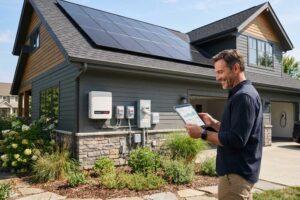
How Much Electricity Does a Solar Panel Make?
How much electricity does a solar panel make? A typical residential solar panel produces around 1.2 to 2.5 kWh of electricity per day, depending on panel wattage, sunlight hours, location, temperature, and installation angle.
When customers ask me this question, they usually want one simple number. In reality, solar output changes every day. A 400W solar panel installed on a sunny roof in Arizona will not produce the same electricity as the same panel installed in a cloudy northern climate.
During a residential solar evaluation I participated in, a homeowner expected his 400W panels to always produce exactly 400 watts. The misunderstanding was common—the watt rating represents the panel’s maximum output under laboratory conditions, not the electricity generated throughout an entire day.
After years working with photovoltaic products and Bright Solar applications, I have learned that understanding energy production requires looking at the complete system: sunlight availability, panel technology, installation conditions, and real-world usage.
How Much Power Does a Solar Panel Generate Per Day?
The electricity production of a solar panel depends mainly on its wattage and the number of effective sunlight hours.
A simple calculation:
Daily Energy Production = Solar Panel Wattage × Peak Sun Hours
Example:
A 400W solar panel receiving 5 peak sunlight hours:
400W × 5 hours = 2,000Wh
2,000Wh = 2 kWh per day
Typical daily production:
| Solar Panel Size | Average Daily Production |
|---|---|
| 100W panel | 0.3–0.6 kWh/day |
| 200W panel | 0.6–1.2 kWh/day |
| 300W panel | 0.9–1.8 kWh/day |
| 400W panel | 1.2–2.5 kWh/day |
| 500W panel | 1.5–3 kWh/day |
Actual results vary depending on weather, shading, panel orientation, and geographic location.
According to the National Renewable Energy Laboratory (NREL), solar photovoltaic electricity production is affected by solar radiation, system design, equipment characteristics, and environmental conditions.
Source:
- National Renewable Energy Laboratory (NREL): https://www.nrel.gov
What Determines How Much Electricity a Solar Panel Makes?
A solar panel’s rated wattage is only the starting point. Several factors influence actual energy generation.
1. Solar Panel Wattage
The watt rating indicates the maximum power output under standard test conditions.
Common residential panel ratings include:
- 300W panels
- 400W panels
- 450W panels
- 500W+ panels
A higher wattage panel can generate more electricity, but physical installation space and energy requirements should also be considered.
For example:
A homeowner with limited roof space may benefit from higher-efficiency panels because they can produce more electricity from a smaller area.
2. Peak Sun Hours
Peak sun hours represent the amount of sunlight available for solar electricity generation.
Different regions have different solar resources.
Example:
| Location Type | Approximate Peak Sun Hours |
|---|---|
| High solar regions | 5–7 hours/day |
| Moderate regions | 3–5 hours/day |
| Cloudier regions | 2–4 hours/day |
A solar panel installed in a high-sunlight area generally produces more electricity than the same panel installed in a region with frequent cloud cover.
3. Panel Orientation and Installation Angle
The way a solar panel faces the sun affects energy production.
Important installation factors include:
- Roof direction
- Tilt angle
- Shading conditions
- Nearby buildings or trees
Even a high-quality solar panel may produce less electricity if it is installed in a shaded or poorly positioned location.
How Much Electricity Does a 400W Solar Panel Make?
A 400W solar panel is one of the most common residential solar panel sizes today.
Under suitable conditions:
| Condition | Estimated Daily Output |
|---|---|
| 3 peak sun hours | About 1.2 kWh/day |
| 5 peak sun hours | About 2 kWh/day |
| 7 peak sun hours | About 2.8 kWh/day |
Annual production example:
A 400W panel producing 2 kWh/day:
2 kWh × 365 days = approximately 730 kWh/year
This number can change depending on seasonal sunlight and system losses.
How Many Solar Panels Does a Home Need?
The number of panels required depends on household electricity consumption.
Example:
| Monthly Electricity Usage | Approximate Solar Requirement |
|---|---|
| 300 kWh/month | 5–8 panels |
| 600 kWh/month | 10–15 panels |
| 1,000 kWh/month | 18–25 panels |
A typical American household consumes around 886 kWh per month, according to the U.S. Energy Information Administration (EIA).
Source:
- U.S. Energy Information Administration (EIA): https://www.eia.gov
For many homes, a solar system between 5kW and 8kW can provide a significant portion of annual electricity needs.
How Bright Solar Improves Real-World Solar Electricity Production
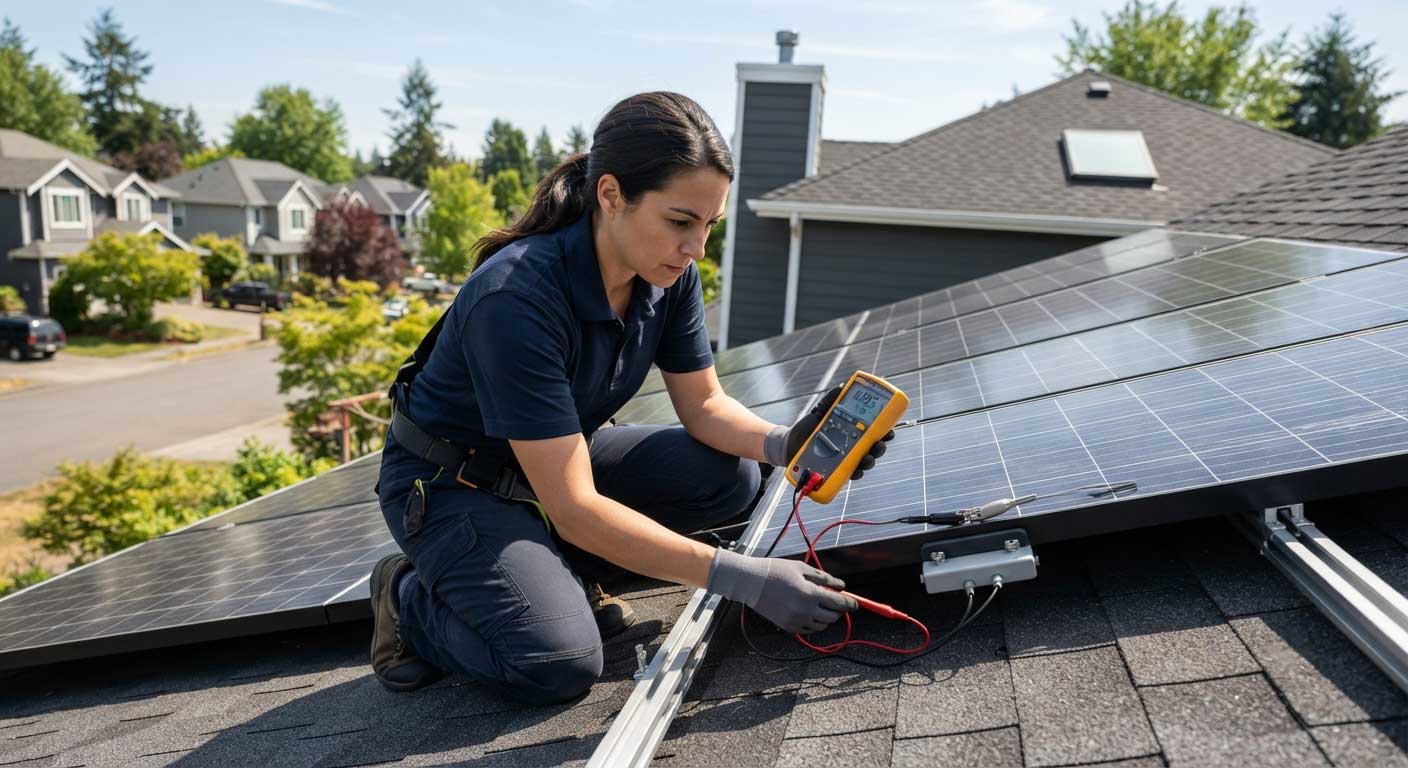
At Bright Solar, we understand that solar performance depends on more than panel wattage.
A practical solar solution must consider:
- Installation environment
- Available space
- Weight limitations
- Weather exposure
- Energy requirements
Bright Solar flexible solar panels are designed for applications where traditional rigid panels may not be suitable.
Common applications include:
- RV solar systems
- Marine solar solutions
- Portable energy systems
- Off-grid installations
- Lightweight structures
In one flexible solar project review, the customer initially focused only on maximum wattage. After evaluating the installation conditions, weight limitations became the deciding factor. The flexible solution delivered better overall performance because it matched the actual application.
Solar output is not just about producing more power—it is about producing useful power where it is needed.
Why Solar Panel Output Is Different From the Watt Rating
Many homeowners confuse panel wattage with daily electricity production.
A 400W solar panel does not produce:
400W × 24 hours = 9.6 kWh/day
because sunlight is not available all day.
The 400W rating means:
- Maximum output under test conditions
- Specific temperature conditions
- Specific sunlight intensity
Real-world production changes throughout the day.
Morning and evening:
- Lower sunlight angle
- Lower electricity production
Midday:
- Highest solar generation
Night:
- No solar production
Understanding this difference helps homeowners create more realistic energy expectations.
How Does Weather Affect How Much Electricity a Solar Panel Makes?
Weather conditions have a direct impact on solar panel electricity production.
Solar panels generate the highest output under strong sunlight, but they can still produce electricity during cloudy conditions.
Common weather impacts:
| Weather Condition | Effect on Solar Output |
|---|---|
| Clear sunny day | Maximum electricity production |
| Light clouds | Reduced but continued production |
| Heavy clouds | Lower energy generation |
| Snow coverage | Temporary reduction until panels are cleared |
| High temperature | Slight efficiency decrease |
Many people assume hot weather always means better solar production. In reality, solar panels generally perform best under strong sunlight with moderate temperatures.
According to the National Renewable Energy Laboratory (NREL), photovoltaic module performance changes with temperature, solar radiation, and operating conditions.
Source:
- National Renewable Energy Laboratory (NREL): https://www.nrel.gov
How Much Electricity Does a Solar Panel Make in a Year?
Annual electricity production provides a more accurate picture than daily output because solar generation changes throughout seasons.
A typical calculation:
Annual Energy Production = Panel Capacity × Sun Hours × System Efficiency
Example:
A 400W solar panel:
- Capacity: 0.4 kW
- Average sunlight: 5 peak sun hours/day
- Annual calculation:
0.4 kW × 5 hours × 365 days
= approximately 730 kWh per year
Real-world output may vary because of:
- Seasonal sunlight changes
- Temperature
- Dust accumulation
- Shading
- System losses
Estimated annual production:
| Solar Panel Size | Approximate Annual Output |
|---|---|
| 200W panel | 300–550 kWh/year |
| 300W panel | 500–800 kWh/year |
| 400W panel | 650–1,000 kWh/year |
| 500W panel | 800–1,300 kWh/year |
How Can You Increase Solar Panel Electricity Production?
Improving solar output is not always about buying larger panels. System design and installation quality often make a significant difference.
1. Install Panels in the Best Location
The installation position directly affects electricity generation.
Important considerations:
- Maximum sunlight exposure
- Minimal shading
- Correct tilt angle
- Proper orientation
A smaller system installed correctly can sometimes outperform a larger system installed poorly.
2. Keep Solar Panels Clean
Dust, leaves, bird droppings, and other surface contamination can reduce sunlight reaching photovoltaic cells.
Regular inspection helps maintain:
- Energy production
- Panel efficiency
- Long-term performance
The cleaning frequency depends on:
- Local weather
- Dust conditions
- Installation environment
3. Select Suitable Solar Technology
Different applications require different solar panel designs.
Traditional rigid panels are suitable for many rooftops, but flexible solar panels can provide advantages in special situations.
Bright Solar flexible solar panels are designed for:
- Lightweight installations
- Mobile applications
- Curved surfaces
- Space-limited projects
Choosing the right technology can improve practical energy performance.
How Bright Solar Helps Maximize Solar Electricity Generation
Bright Solar focuses on designing solar solutions based on real application requirements.
A solar panel’s electricity output depends on the relationship between:
- Solar technology
- Installation environment
- User requirements
- Operating conditions
Bright Solar flexible solar panels provide solutions for customers who need:
- Reduced installation weight
- Adaptable mounting options
- Reliable outdoor performance
- Portable renewable energy
For example, an RV owner may have enough roof area for solar panels but limited structural capacity. A lightweight flexible panel can provide a better solution because it allows solar installation without adding unnecessary weight.
The best solar system is not always the one with the highest rated output. It is the one that delivers dependable electricity in the environment where it operates.
FAQ About How Much Electricity Does a Solar Panel Make?
How much electricity does a solar panel make?
A typical residential solar panel produces around 1.2–2.5 kWh per day, depending on its wattage, sunlight hours, location, weather, and installation conditions.
How much electricity does a 400W solar panel make?
A 400W solar panel can produce approximately 1.2–2.5 kWh per day under normal conditions, depending on available sunlight and system efficiency.
How many kWh does one solar panel produce per month?
A typical 400W solar panel may generate around 35–75 kWh per month, depending on sunlight availability and location.
Do solar panels produce electricity on cloudy days?
Yes. Solar panels can still generate electricity during cloudy weather, but production is usually lower because less sunlight reaches the photovoltaic cells.
Why does my solar panel produce less electricity than expected?
Lower output can result from shading, incorrect installation angle, dirt buildup, high temperatures, equipment losses, or seasonal sunlight changes.
Can a single solar panel power a whole house?
Usually no. Most homes require multiple solar panels connected into a larger system because household electricity demand is much higher than the output of one panel.
Do flexible solar panels produce enough electricity?
Yes. Flexible solar panels can generate reliable electricity when properly designed for the application. They are especially useful where lightweight or adaptable installation is required.
Conclusion: Understanding How Much Electricity Does a Solar Panel Make
How much electricity does a solar panel make? A typical solar panel produces about 1.2–2.5 kWh of electricity per day, but actual output depends on panel wattage, sunlight conditions, installation quality, and environmental factors.
After years working with photovoltaic technology, I have found that solar performance is not determined by the panel label alone. The installation environment and system design often decide whether a solar project performs well.
Bright Solar continues developing flexible and reliable solar solutions that help customers generate clean electricity in residential, mobile, and off-grid applications.
Understanding solar panel output allows homeowners and businesses to design systems based on realistic energy expectations.
The prev: How Much For Solar Power Home?The next: How Much Energy Does One Solar Panel Produce?
Related recommendations
-

how to mount flexible solar panels on van?
320Learn how to mount flexible solar panels on van roofs safely and efficiently. Discover real installation methods, adhesive tips, airflow advice, and expert RV solar insights from Bright Solar.
View details -
How To Mount Flexible Solar Panels To RV Roof?
169How to mount flexible solar panels to RV roof? Learn professional installation methods, adhesive selection, wiring tips, and RV solar solutions from Bright Solar.
View details -
how to make a portable solar panel stand?
276Build a portable solar panel stand from lightweight aluminum or weather-resistant wood, with adjustable tilt, stable feet, and a foldable design.
View details -
How Much Does A Solar System For A House Cost?
164How much does a solar system for a house cost? Discover real home solar prices, cost factors, and expert installation insights from Bright Solar.
View details