How Do Solar Panels Work at Night?
How Do Solar Panels Work at Night?
Solar panels do not generate electricity at night because photovoltaic cells need sunlight to create electrical current. However, solar systems can still provide power after sunset by using stored battery energy or electricity from the utility grid.
Many homeowners ask us this question after installing solar systems: “If the sun goes down, does my solar panel stop working completely?”
The answer is yes and no.
The photovoltaic panel itself stops producing electricity when there are no photons from sunlight. But the complete solar energy system does not necessarily stop supplying power. The difference comes from how energy is managed before nighttime arrives.
At Bright Solar, we have tested flexible solar panels for RVs, marine applications, and off-grid systems where nighttime power availability is often one of the first concerns customers raise. During these projects, we found that understanding the difference between solar panel production and solar energy storage is critical.
How Do Solar Panels Work at Night Without Sunlight?
Solar Panels Stop Producing Electricity After Sunset
Solar panels rely on the photovoltaic effect. When sunlight reaches photovoltaic cells, photons transfer energy to semiconductor materials, causing electrons to move and create direct current (DC) electricity.
At night, this process stops because there is not enough sunlight reaching the solar cells.
A solar panel cannot create electricity from darkness alone.
The basic daytime process is:
Sunlight → Photovoltaic Cells → DC Electricity → Inverter → Electrical Loads
After sunset, the photovoltaic conversion stage stops:
No Sunlight → No New Solar Electricity Generation
This does not mean the entire solar system becomes useless. It means the system needs another electricity source.
According to the U.S. Department of Energy Solar Photovoltaic Technology Basics, photovoltaic devices directly convert sunlight into electricity through semiconductor materials. Without solar radiation reaching the cells, photovoltaic electricity generation cannot continue.
How Solar Energy Systems Provide Electricity at Night
Battery Storage Allows Solar Power After Dark
The most common way solar systems provide nighttime electricity is through battery storage.
During the day, excess solar electricity can charge a battery instead of being immediately consumed. After sunset, the battery releases stored electricity to power connected devices.
A typical energy flow looks like this:
| Time Period | Energy Process |
|---|---|
| Morning | Solar panels begin producing electricity |
| Afternoon | Excess electricity charges battery storage |
| Evening | Battery supplies stored solar energy |
| Night | Stored power or grid electricity supports loads |
Modern lithium-ion batteries have improved the practicality of nighttime solar usage. According to the National Renewable Energy Laboratory (NREL) Energy Storage Research, energy storage plays an important role in improving renewable energy reliability by balancing electricity generation and demand.
In our Bright Solar flexible panel projects, especially for campers and marine users, battery capacity is usually planned based on nighttime consumption rather than only daytime solar output.
For example, a user running:
- LED lighting
- Mobile phone charging
- Navigation equipment
- Small refrigeration systems
may need a very different battery size compared with someone powering air conditioning or household appliances overnight.
Do Solar Panels Work at Night With Moonlight?
Moonlight Is Not Strong Enough for Solar Electricity Production
A common misconception is that solar panels can generate meaningful electricity from moonlight because moonlight comes from the sun.
Technically, moonlight is reflected sunlight. However, its intensity is far too low for practical photovoltaic power generation.
The difference is enormous:
| Light Source | Solar Energy Availability |
|---|---|
| Direct sunlight | High energy input for PV generation |
| Cloudy daylight | Reduced but usable solar production |
| Moonlight | Extremely weak energy input |
Even under a bright full moon, the available light is thousands of times weaker than normal sunlight conditions.
During outdoor testing, we have observed that photovoltaic modules may show tiny voltage changes under very low light conditions, but the available current is nowhere near enough to operate normal electrical equipment.
For commercial solar applications, moonlight should not be considered an energy source.
How Do Grid-Connected Solar Systems Work at Night?
Solar Panels Use Grid Electricity When Solar Production Stops
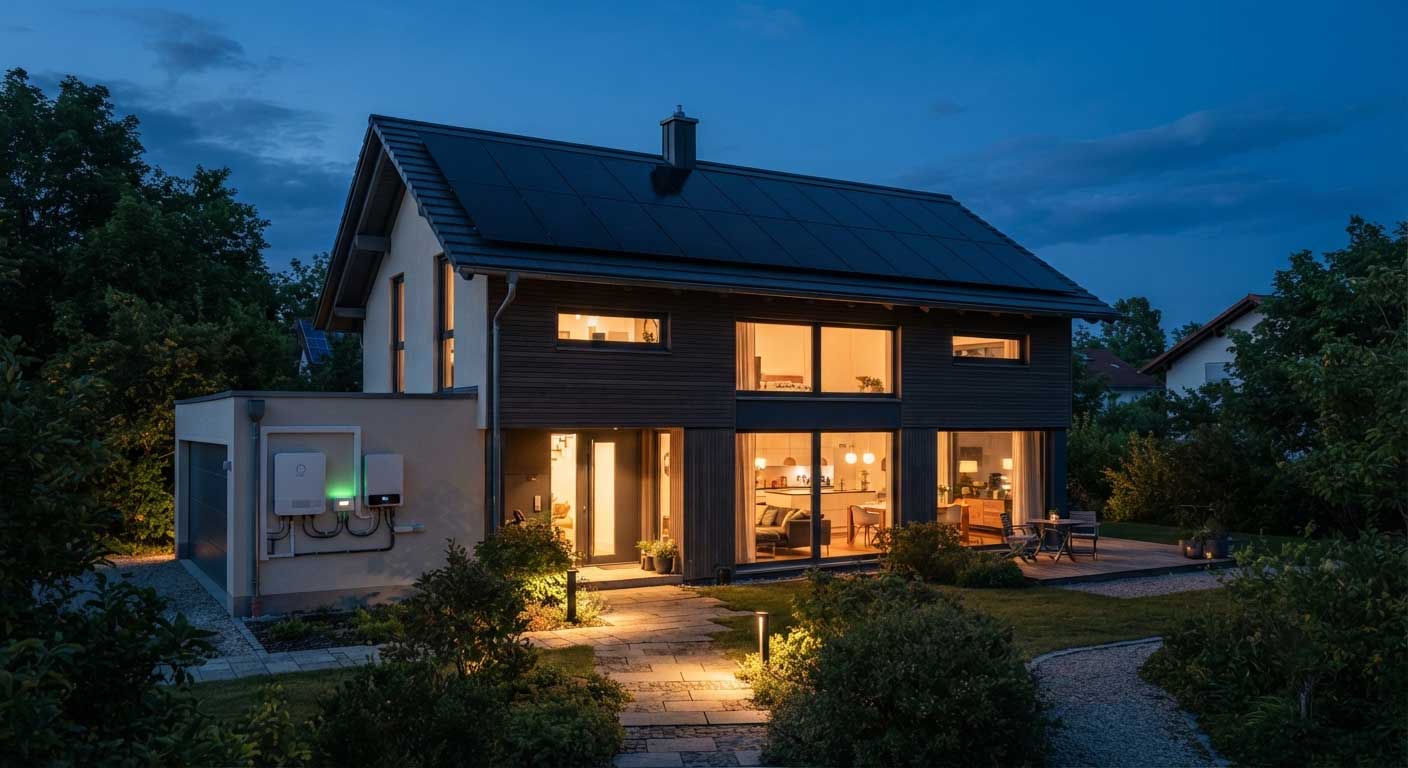
For most residential solar installations, nighttime electricity does not come directly from the solar panels. Instead, the home receives electricity from the utility grid unless a battery storage system has been installed.
A standard grid-connected solar system works differently from an off-grid system.
During daylight:
Solar Panels → Inverter → Home Appliances → Excess Electricity → Grid
At night:
Utility Grid → Home Appliances
The inverter manages this transition automatically. Homeowners usually do not notice when the energy source changes because the electrical system continuously maintains power supply.
According to the International Energy Agency (IEA) Solar PV Report, solar photovoltaic systems are increasingly integrated with electricity grids worldwide because grid connections help balance the variable nature of solar generation.
From our experience working with Bright Solar flexible solar solutions, many customers initially assume they need a very large battery to use solar energy at night. In reality, the correct solution depends on their energy habits.
A small RV user may only need enough stored power for lights and communication devices, while a household running heating, cooling, and kitchen appliances requires a much larger storage system.
How Much Energy Can Solar Batteries Store for Nighttime Use?
Battery Capacity Determines How Long Solar Power Lasts After Sunset
Battery storage capacity is measured in kilowatt-hours (kWh). A larger battery stores more electricity and can support electrical loads for a longer period.
For example:
| Battery Capacity | Typical Nighttime Usage |
|---|---|
| 2–5 kWh | Small appliances, lighting, electronics |
| 5–10 kWh | Average household evening consumption |
| 10+ kWh | Larger homes or extended backup requirements |
Actual runtime depends on power consumption.
A 5 kWh battery does not always provide five hours of electricity because different devices consume different amounts of power.
Example:
- LED lights: low energy consumption
- Laptop charging: moderate consumption
- Refrigerator: intermittent operation
- Air conditioner: high energy consumption
At Bright Solar, we often recommend customers calculate nighttime energy demand first instead of selecting a battery only based on solar panel wattage.
The solar panel size answers:
“How much energy can I produce during the day?”
The battery size answers:
“How much energy can I use after sunset?”
These are two different questions.
Can Solar Panels Charge Batteries During The Day For Night Use?
Daytime Solar Production Supports Evening Energy Needs
Yes. Solar panels can charge batteries during daylight hours, allowing stored energy to be used later.
The charging process depends on:
- Solar panel output
- Battery capacity
- Charge controller efficiency
- Weather conditions
- Daily electricity consumption
For example, a 400W solar panel receiving approximately 5 peak sun hours may theoretically produce around:
400W × 5 hours = 2,000Wh (2kWh)
In real conditions, energy losses from temperature, wiring, conversion, and system operation reduce the final usable amount.
The National Renewable Energy Laboratory (NREL) Photovoltaic System Performance Research highlights that photovoltaic system output depends on environmental conditions, module characteristics, and system design rather than rated panel power alone.
How Bright Solar Designs Solar Solutions For Nighttime Applications
Matching Solar Production With Real User Needs
At Bright Solar, we have found that nighttime performance is often determined before installation begins.
A well-designed solar system considers:
- Location
- Daily sunlight hours
- Energy consumption pattern
- Required backup time
- Battery capacity
- Installation environment
For flexible solar panels, this planning becomes even more important because they are frequently used in mobile and specialized environments.
For example:
A camper traveling through Europe may use solar energy differently from a marine user crossing coastal areas.
An RV owner may need:
- Interior lighting overnight
- USB charging
- Small refrigerator operation
A marine application may require:
- Navigation equipment
- Communication systems
- Monitoring devices
The solar panel itself is only one part of the complete energy solution.
Solar Panels At Night vs Daytime Operation
| Feature | Daytime Operation | Nighttime Operation |
|---|---|---|
| Solar panel electricity generation | Yes | No |
| Battery charging | Possible | Usually unavailable |
| Battery power supply | Possible | Common |
| Grid electricity usage | Reduced | Often increased |
| Photovoltaic activity | Active | Inactive |
This difference explains why professional solar system design focuses on the complete energy cycle rather than only panel output.
FAQ About How Do Solar Panels Work at Night?
How do solar panels work at night?
Solar panels do not generate electricity at night because photovoltaic cells require sunlight. However, solar systems can still provide nighttime power through batteries or electricity supplied by the utility grid.
Can solar panels generate electricity from moonlight?
No. Moonlight is reflected sunlight but does not provide enough energy for practical solar electricity production. Photovoltaic panels require much stronger solar radiation to generate usable power.
Do solar panels store electricity for nighttime use?
No. Solar panels only generate electricity. Energy storage requires additional equipment such as batteries that store excess daytime solar power.
How do solar batteries work at night?
Solar batteries release electricity stored during daylight hours. The stored DC energy passes through an inverter, which converts it into usable AC electricity for household appliances.
Do solar panels work during cloudy nights?
No. Solar panels cannot produce meaningful electricity during nighttime conditions, whether the sky is clear or cloudy. They require available sunlight to activate photovoltaic cells.
Can an off-grid solar system work overnight?
Yes. Off-grid systems can provide nighttime electricity when they include sufficient battery storage. The battery size must match expected energy consumption and required backup time.
Conclusion: How Do Solar Panels Work at Night?
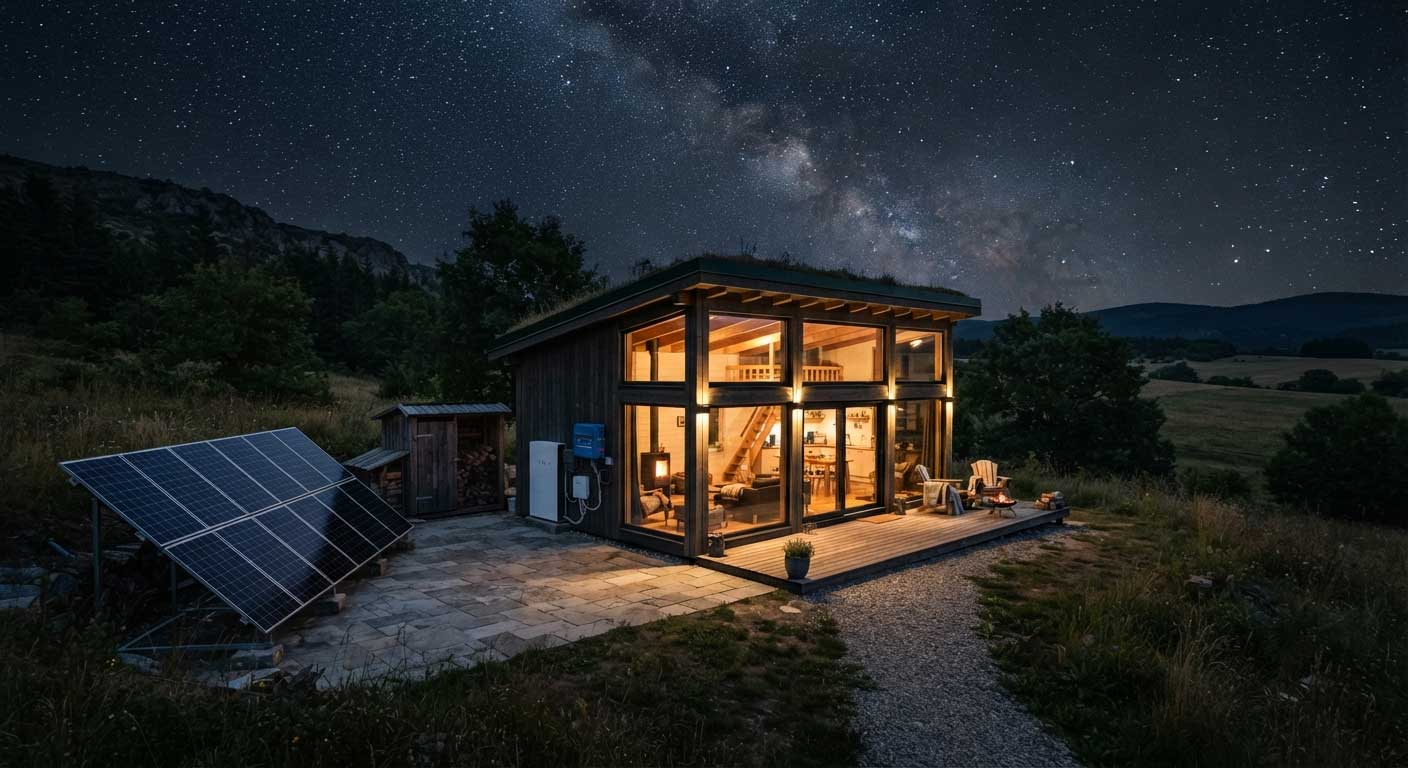
How do solar panels work at night? Solar panels themselves stop generating electricity after sunset because photovoltaic cells need sunlight. However, a complete solar energy system can continue providing power through battery storage or grid electricity.
From our experience at Bright Solar, nighttime energy availability is not a limitation of solar technology. It is a question of system design. The right combination of solar panels, batteries, and energy management allows users to maintain reliable power even when the sun is no longer visible.
Solar energy is not only about collecting sunlight during the day. It is about designing a system that manages energy intelligently throughout the entire 24-hour cycle.
Related recommendations
-

what is the life expectancy of a solar panel?
247what is the life expectancy of a solar panel? Discover solar panel lifespan, degradation rates, maintenance tips, and factors that affect long-term energy production.
View details -
How to Protect Solar Panels from Hail?
182Solar panels can be better protected from hail through durable materials, suitable installation angles, secure mounting, and post-storm inspections.
View details -
How Much Does Solar Panels Cost?
125How much does solar panels cost? Discover real solar panel prices, installation factors, system costs, and expert advice to plan your solar investment.
View details -
how durable are flexible solar panels?
317How durable are flexible solar panels? Learn their real lifespan, heat resistance, weather performance, and what causes early failure in RV and marine use.
View details