How Much Does One Solar Panel Cost?
How Much Does One Solar Panel Cost?
One residential solar panel typically costs between $150 and $450 for the panel alone, while premium high-efficiency models may exceed $500. The final installed cost depends on panel wattage, technology, brand, labor, mounting hardware, inverter selection, and local installation rates rather than the panel price itself.
When homeowners ask us this question at Bright Solar, they’re usually expecting a single number. In reality, the panel itself represents only one piece of the investment.
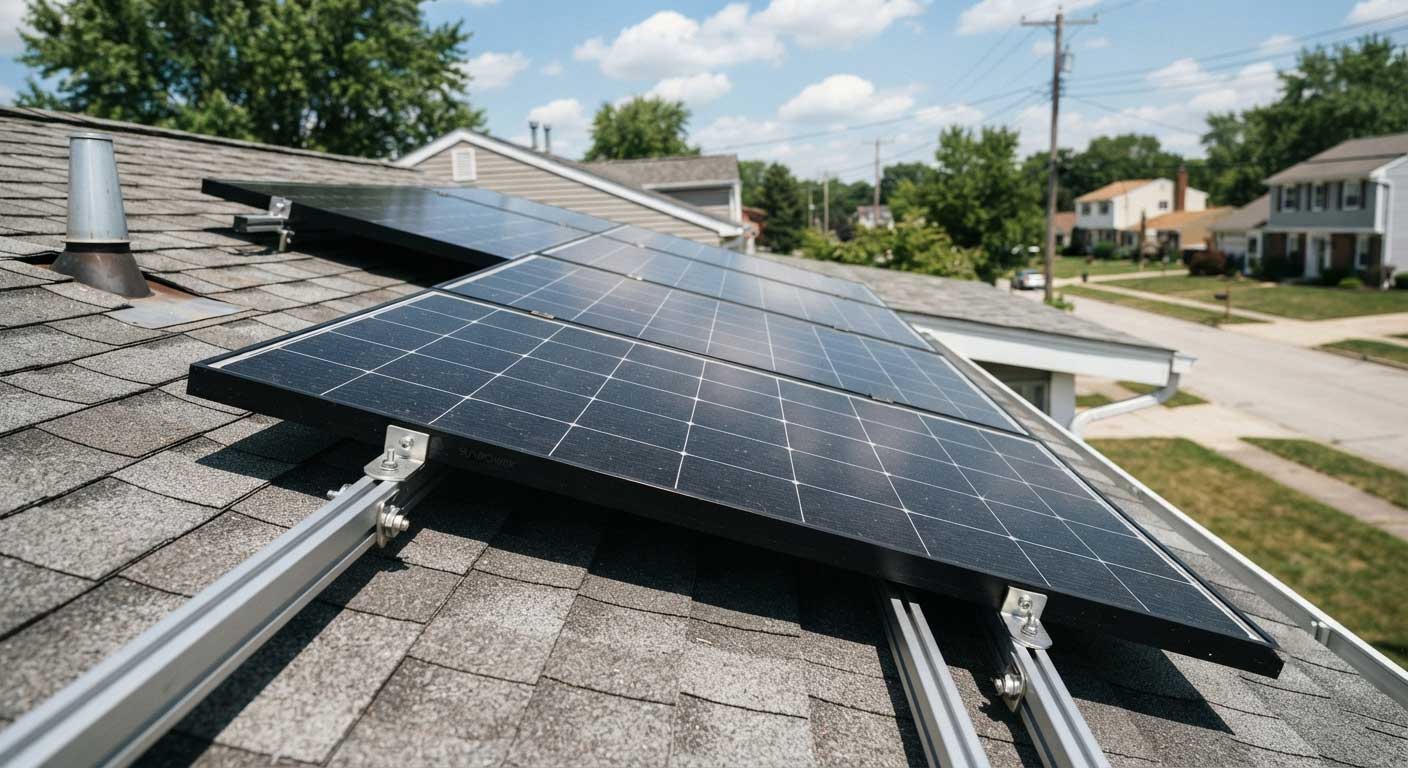
I’ve walked through projects where two neighboring homes selected nearly identical 450W modules, yet their total project costs differed by several thousand dollars. The difference wasn’t the panels—it was roof complexity, electrical upgrades, permitting requirements, and installation time.
That’s why experienced solar engineers discuss system cost before focusing on panel cost.
Understanding the Cost of a Single Solar Panel
A solar panel is priced according to several technical characteristics.
The most influential factors include:
- Power output (Wattage)
- Cell technology
- Conversion efficiency
- Manufacturing quality
- Product warranty
- Country of manufacture
- Market supply and demand
Modern residential systems generally use monocrystalline modules between 400W and 500W, offering higher efficiency than older polycrystalline products.
Typical retail panel prices are shown below.
| Solar Panel Type | Typical Wattage | Estimated Panel Price (USD) |
|---|---|---|
| Monocrystalline | 400–450W | $180–$350 |
| Premium Monocrystalline | 450–500W | $350–$500+ |
| Polycrystalline | 300–380W | $150–$280 |
| Flexible Solar Panel | 100–300W | $120–$350 |
Prices reflect panel-only purchases and exclude installation.
According to the National Renewable Energy Laboratory (NREL) and current U.S. residential market data, equipment pricing has continued to decline over the past decade while module efficiency has steadily improved.
Reference:
Why Installed Cost Is Much Higher Than Panel Cost
One mistake many first-time buyers make is multiplying the panel price by the number of panels required.
Unfortunately, that’s only a small part of the budget.
A complete residential solar system also includes:
- Solar inverter
- Mounting rails
- Roof attachments
- DC and AC wiring
- Electrical protection devices
- Monitoring system
- Installation labor
- Engineering design
- Local permits
- Utility inspection
For example:
A homeowner purchasing twenty 450W panels at $250 each spends roughly $5,000 on panels.
However, the finished residential system may cost $18,000–$30,000 before incentives because of the additional equipment and professional installation.
According to the U.S. Department of Energy, soft costs—including permitting, customer acquisition, engineering, and labor—remain a significant portion of residential solar pricing.
Reference:
https://www.energy.gov/eere/solar
Average Cost Per Watt
Solar professionals usually estimate projects using cost per watt rather than cost per panel.
This allows fair comparisons between systems using different module sizes.
For example:
| System Size | Estimated Installed Cost Before Incentives* |
|---|---|
| 5 kW | $12,500–$17,500 |
| 7 kW | $17,500–$24,500 |
| 10 kW | $25,000–$35,000 |
*Assuming approximately $2.50–$3.50 per watt, though actual pricing varies by location, equipment selection, and installer.
The Solar Energy Industries Association (SEIA) reports that residential solar pricing has fallen dramatically over the last decade as manufacturing efficiency and installation experience have improved.
Reference:
Rather than asking whether one panel costs $250 or $350, experienced buyers evaluate the total cost per watt and expected lifetime energy production.
What Influences the Price of a Solar Panel?
Not all 450W panels are built the same.
Several engineering differences explain why two products with identical wattage may have noticeably different prices.
Cell Technology
Modern modules generally use one of the following technologies:
- PERC
- TOPCon
- HJT (Heterojunction)
- Back Contact (IBC)
Higher-efficiency technologies usually command a higher purchase price but can produce more electricity over the system’s lifetime, especially when roof space is limited.
Warranty Coverage
A lower-priced panel may include only a 12-year product warranty.
Premium manufacturers commonly provide:
- 25-year product warranty
- 30-year performance warranty
- Higher annual power retention
For homeowners planning to stay in the same property for decades, warranty coverage often delivers more value than the initial purchase price alone.
Manufacturing Quality
Manufacturing consistency affects long-term reliability.
Panels produced with stricter quality control generally exhibit:
- Lower annual degradation
- Better resistance to moisture
- Improved performance under high temperatures
- Reduced risk of microcracks
This is one reason why experienced installers often recommend proven manufacturers instead of selecting solely on the lowest advertised price.
Are Expensive Solar Panels Worth It?
In many cases, yes—but not for every homeowner.
If your roof has abundant space, a mid-range panel with solid efficiency may provide the best return on investment.
On smaller or more complex roofs, premium high-efficiency modules can generate the required electricity using fewer panels, reducing the amount of roof area needed and simplifying the overall layout.
When our engineering team at Bright Solar compares proposals, we evaluate more than the purchase price. We look at expected annual energy production, long-term degradation, warranty support, and the levelized cost of electricity over the panel’s operating life. A lower upfront cost doesn’t always translate into the lowest cost over 25 to 30 years.
Cost Comparison by Solar Panel Wattage
Although installers usually price complete systems by the watt, many homeowners still want to know the approximate cost of an individual panel. The table below reflects typical retail price ranges in the U.S. market for panel-only purchases.
| Panel Wattage | Typical Retail Price (USD) | Common Applications |
|---|---|---|
| 100W | $70–$150 | RVs, boats, portable systems |
| 200W | $120–$220 | Cabins, small off-grid systems |
| 300W | $160–$280 | Small residential arrays |
| 400W | $180–$320 | Modern home installations |
| 450W | $220–$380 | Most new residential projects |
| 500W | $260–$450 | Residential & commercial |
| 600–700W | $320–$550+ | Commercial and utility-scale projects |
Higher wattage doesn’t automatically mean better value. A 500W module may cost more than a 450W panel, but if it produces more electricity while occupying nearly the same roof area, the overall system can require fewer modules and less mounting hardware.
Does Your Location Affect Solar Panel Prices?
Absolutely.
Even when two homeowners purchase the same model of solar panel, their final costs can differ because of regional market conditions.
Some of the biggest pricing factors include:
- Local labor rates
- Building permit fees
- Roof complexity
- Utility interconnection requirements
- Shipping distance
- State incentive programs
- Installer competition
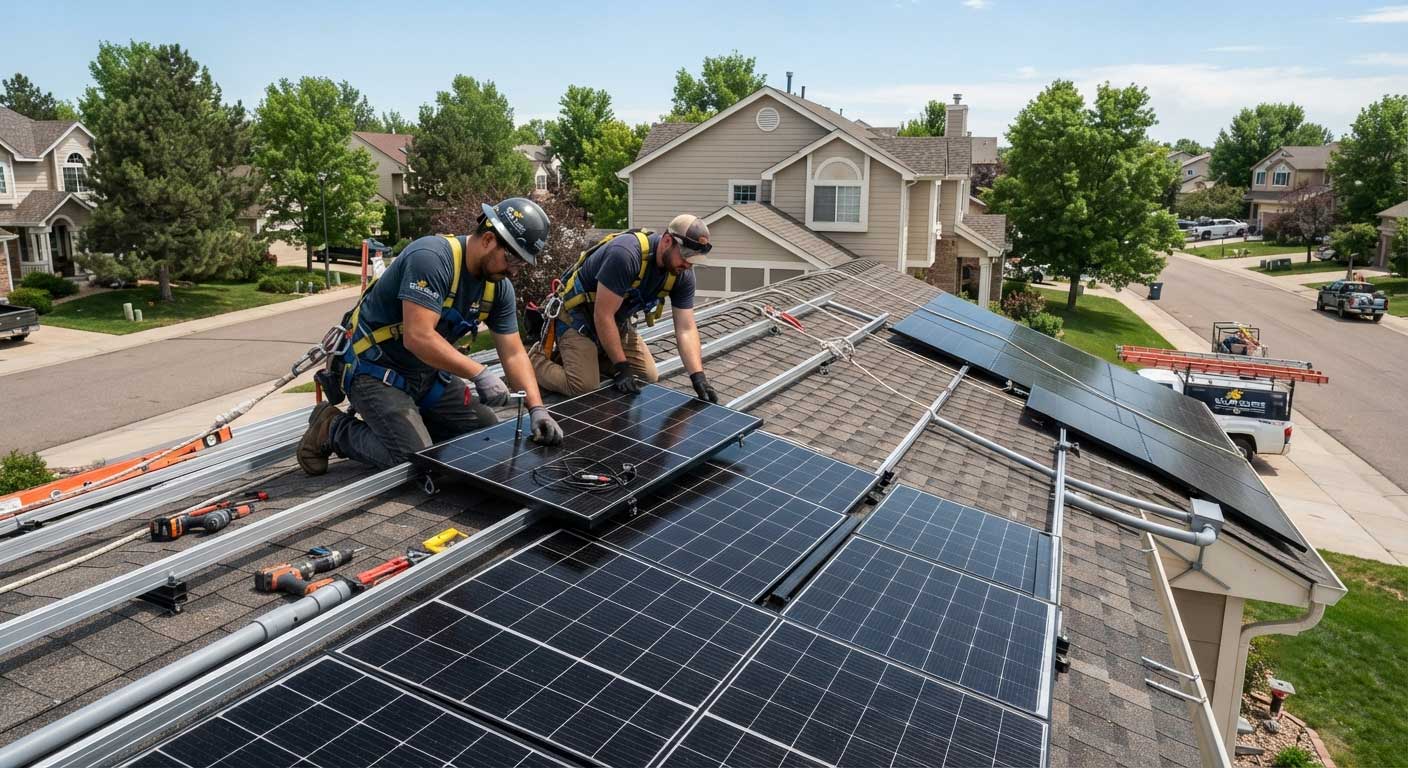
For example, labor costs in metropolitan areas are generally higher than in smaller cities. Likewise, a simple asphalt shingle roof usually costs less to install on than a steep tile or slate roof, which requires additional safety equipment and installation time.
At Bright Solar, we’ve found that site conditions often have a greater impact on the final proposal than the price difference between two comparable solar panels.
Can Buying Individual Solar Panels Save Money?
Some homeowners consider purchasing panels separately and hiring an installer later. While this approach may appear less expensive, it isn’t always the most cost-effective option.
Potential advantages include:
- Greater flexibility in selecting panel brands.
- Access to discounted inventory.
- Easier replacement of existing modules.
However, there are also challenges:
- Compatibility with inverters and mounting systems.
- Separate shipping costs.
- Limited manufacturer support if purchased through unauthorized channels.
- Potential warranty complications.
- Difficulty sourcing identical panels years later.
Professional installers generally purchase equipment through authorized distributors, ensuring compatibility, technical support, and full warranty coverage.
Hidden Costs Homeowners Often Overlook
When comparing quotes, it’s easy to focus on the panel price alone. In practice, several additional expenses may influence your overall investment.
Common hidden costs include:
- Main electrical panel upgrades.
- Roof repairs before installation.
- Battery-ready wiring.
- Monitoring subscriptions.
- Structural engineering reports.
- Utility application fees.
- Extended workmanship warranties.
A transparent proposal should clearly separate equipment costs from installation and permitting charges, allowing homeowners to understand exactly what they’re paying for.
Should You Choose the Cheapest Solar Panel?
Not necessarily.
During system design reviews, we often compare multiple panel options with customers. In many cases, the least expensive module delivers acceptable performance. In others, a premium panel generates enough additional electricity over 25 years to justify its higher purchase price.
Rather than asking, “Which panel costs the least?”, a better question is:
“Which panel provides the lowest lifetime cost per kilowatt-hour generated?”
That perspective considers:
- Energy production.
- Annual degradation.
- Product warranty.
- Manufacturer reliability.
- Long-term maintenance.
It’s an approach that typically leads to better value rather than simply a lower invoice.
FAQ About How Much Does One Solar Panel Cost?
How much does one solar panel cost for a house?
Most residential solar panels cost between $150 and $450 per panel before installation. Premium high-efficiency models may exceed $500, depending on the manufacturer and technology.
How much does a 400W solar panel cost?
A quality 400W monocrystalline panel generally costs $180–$320, excluding installation and related system components.
Is it cheaper to buy solar panels in bulk?
Yes. Installers and distributors often receive volume pricing, making complete system purchases more economical than buying individual panels at retail.
Why is installation more expensive than the panels?
Panels represent only part of the investment. Labor, inverters, mounting systems, electrical equipment, permitting, engineering, and inspections contribute significantly to the total installed cost.
Do expensive solar panels last longer?
Higher-priced panels often include better materials, stronger warranties, and lower annual degradation rates. However, overall value depends on product quality rather than price alone.
How can I get the most accurate solar panel cost estimate?
The best approach is to request a professional site assessment that considers your electricity usage, roof characteristics, equipment preferences, and local installation requirements.
How Much Is One Solar Panel?
How much is one solar panel depends on its wattage, technology, efficiency, and application. A single solar panel usually costs between $100 and $350 for standard residential models, while premium and flexible panels can range from $200 to over $700 depending on specifications.Learn more about “How Much Is One Solar Panel“
How Much Does It Cost for One Solar Panel?
How much does it cost for one solar panel? A single solar panel usually costs between $90 and $350, depending on wattage, efficiency, technology, and brand quality. Most residential 400W solar panels are priced around $140–$220 before installation, while premium models can cost more.Learn more about “How Much Does It Cost for One Solar Panel“
How Much Is A Solar Panel For House?
A single solar panel for a house usually costs between $100 and $500, depending on wattage, technology, and brand. However, a complete home solar system requires multiple panels, inverters, mounting equipment, and installation services.Learn more about “How Much Is A Solar Panel For House“
Conclusion
The answer to how much does one solar panel cost depends on more than the sticker price of a single module. While most residential panels cost between $150 and $450, the total value of a solar investment is determined by system design, installation quality, equipment compatibility, and long-term energy production.
At Bright Solar, we help homeowners evaluate more than upfront costs. By considering efficiency, warranty coverage, roof conditions, and expected lifetime performance, we design solar systems that deliver reliable energy and lasting value. If you’re comparing options, remember that the best solar panel isn’t always the cheapest—it’s the one that provides the greatest return over decades of operation.
The prev: How Much Do Solar Panels Cost for a House?The next: how long does solar panel last?
Related recommendations
-

What can i run on a 100 watt solar panel?
193What can i run on a 100 watt solar panel? Explore real power examples, device compatibility, energy calculations, and practical off-grid uses with Bright Solar.
View details -
How Much Power Does a Solar Panel Generate?
115Learn how much power does a solar panel generate, including solar panel output, watts, energy production factors, and how solar systems create electricity.
View details -
how do you mount flexible solar panels?
223How do you mount flexible solar panels? Learn proven RV and van installation methods, adhesive tips, airflow strategies, and real-world mounting mistakes to avoid.
View details -
How Much To Install Solar Panels On My House?
191How much to install solar panels on my house? Learn real solar installation costs, system factors, and expert advice from Bright Solar for homeowners.
View details