How Much Are Solar Panels for a Home?
How Much Are Solar Panels for a Home?
Solar panels for a home typically cost between $15,000 and $30,000 before incentives for a complete residential system. The final price depends on system size, panel quality, installation conditions, local labor costs, and available rebates or tax credits.
When homeowners ask how much are solar panels for a home, they usually want one simple number. After years of working with Bright Solar customers, I have learned that the real answer depends on how the system is designed, not just the number of panels installed.
A small energy-efficient home may require a modest system, while a larger property with electric vehicles, pool equipment, or electric heating may need significantly more capacity.
I have reviewed solar projects where two homes with similar roof sizes had completely different budgets because their electricity consumption patterns were not the same. The price of solar is not only about buying panels—it is about creating a system that produces the right amount of energy for that specific household.
What Is the Average Cost of Solar Panels for a Home?
The cost of residential solar has decreased significantly over the past decade, but several factors still influence the final investment.
According to the Solar Energy Industries Association (SEIA), residential solar system prices vary depending on market conditions, equipment choices, financing options, and installation factors.
Source:
https://www.seia.org/
Typical residential solar costs:
| Home Solar System Size | Estimated Before Incentives Cost |
|---|---|
| 3 kW system | $9,000–$13,000 |
| 5 kW system | $14,000–$20,000 |
| 7 kW system | $18,000–$27,000 |
| 10 kW system | $25,000–$35,000 |
These figures include major components such as:
- Solar panels
- Inverter
- Mounting equipment
- Electrical components
- Installation labor
The exact price can vary significantly between regions.
What Determines Home Solar Panel Cost?
Several elements influence how much homeowners actually pay.
1. Solar System Size
The largest cost factor is the amount of electricity the system needs to produce.
For example:
A home using 600 kWh per month may need a smaller system than a home consuming 1,500 kWh monthly.
Typical residential systems:
| Electricity Usage | Approximate System Size |
|---|---|
| Low consumption home | 3–5 kW |
| Average home | 5–8 kW |
| High consumption home | 8–12+ kW |
More panels increase upfront cost, but they can also provide greater long-term energy savings.
2. Solar Panel Type and Efficiency
Not all solar panels have the same price.
Common options include:
| Panel Type | Approximate Panel Cost |
|---|---|
| Standard monocrystalline | $100–$250 per panel |
| High-efficiency panels | $200–$400+ per panel |
| Flexible solar panels | $150–$700 depending on wattage |
Flexible panels usually cost more per watt because they are designed for specialized applications such as RVs, boats, curved surfaces, and lightweight installations.
At Bright Solar, we often explain to customers that the cheapest panel is not always the lowest-cost solution. A higher-efficiency panel may reduce the number of modules required and simplify installation.
How Much Does Solar Installation Cost?
The panels themselves are only part of the total investment.
A typical residential solar budget includes:
| Component | Approximate Share |
|---|---|
| Solar panels | 20–30% |
| Inverter | 10–15% |
| Mounting system | Around 10% |
| Labor and installation | 25–35% |
| Permits and electrical work | 10–20% |
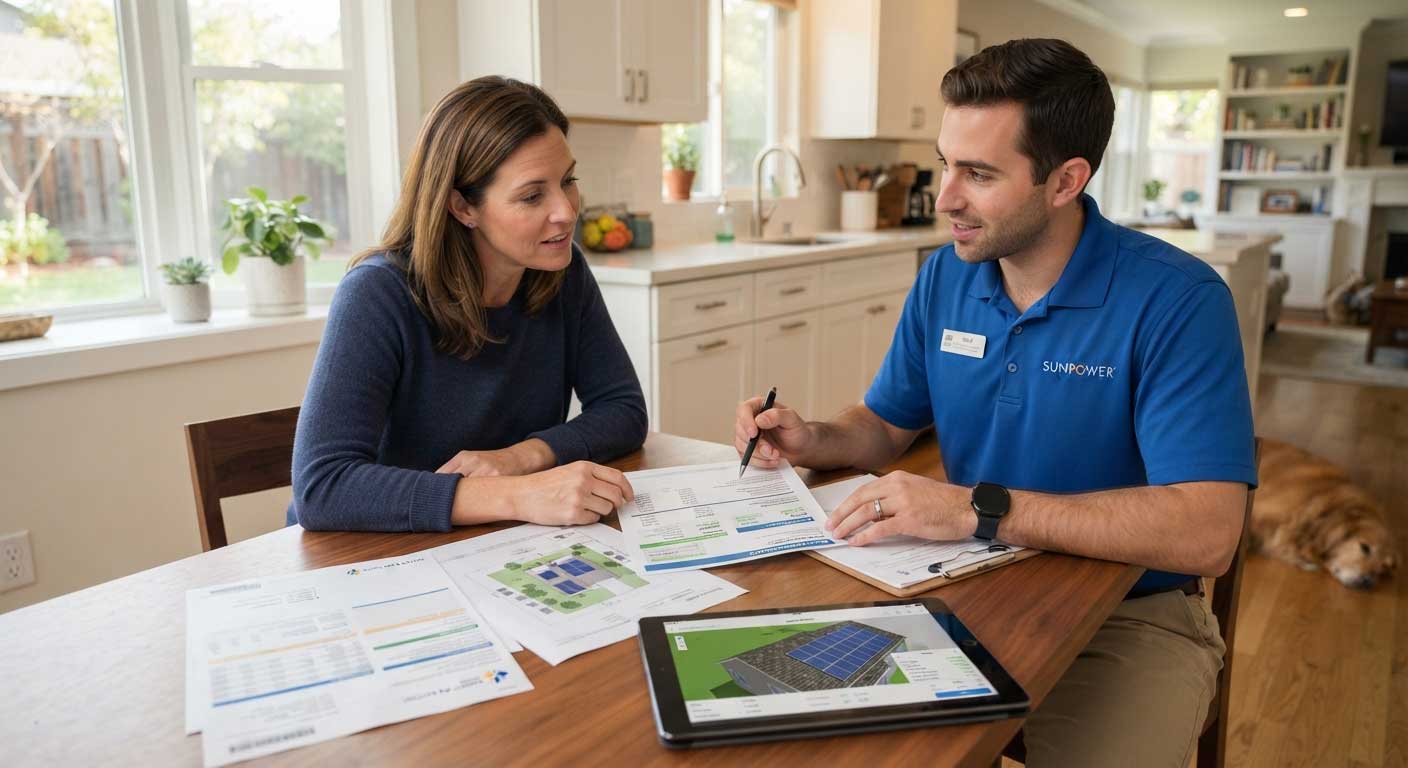
During one home solar assessment, I found that the customer focused heavily on panel prices but overlooked roof preparation and electrical upgrades. The panels represented only part of the final project cost.
This is common. Many homeowners compare equipment prices without considering the complete installation.
Are Solar Panels Worth the Cost for a Home?
Whether solar panels are worth the investment depends on electricity rates, sunlight availability, system size, and how long you plan to stay in the home.
For many homeowners, the biggest financial benefit comes from reducing monthly electricity bills over many years.
A properly designed solar system can provide:
- Lower electricity expenses
- Protection against future utility rate increases
- Increased energy independence
- Higher home value in some markets
The U.S. Department of Energy explains that residential solar can reduce electricity costs over the lifetime of the system, especially when homeowners have suitable roof conditions and strong solar resources.
Source:
https://www.energy.gov/
However, I always tell customers that solar should be evaluated as a long-term energy investment, not just a quick purchase.
A cheaper system that produces less electricity may cost more over time than a slightly higher-quality system designed correctly from the beginning.
How Much Do Solar Panels Cost After Incentives?
The final price homeowners pay may be lower after applying available incentives.
In the United States, the federal solar investment tax credit (ITC) has historically played an important role in reducing residential solar costs.
Available incentives depend on:
- Federal policies
- State programs
- Utility rebates
- Local regulations
Because incentive programs change over time, homeowners should verify current information through official government resources before making a decision.
A solar quote should always show:
- Total project price
- Incentive assumptions
- Expected energy production
- Estimated savings
This makes comparing different installers much easier.
How Much Are Solar Panels for a Home With Battery Storage?
Adding battery storage increases the total project cost but provides additional benefits.
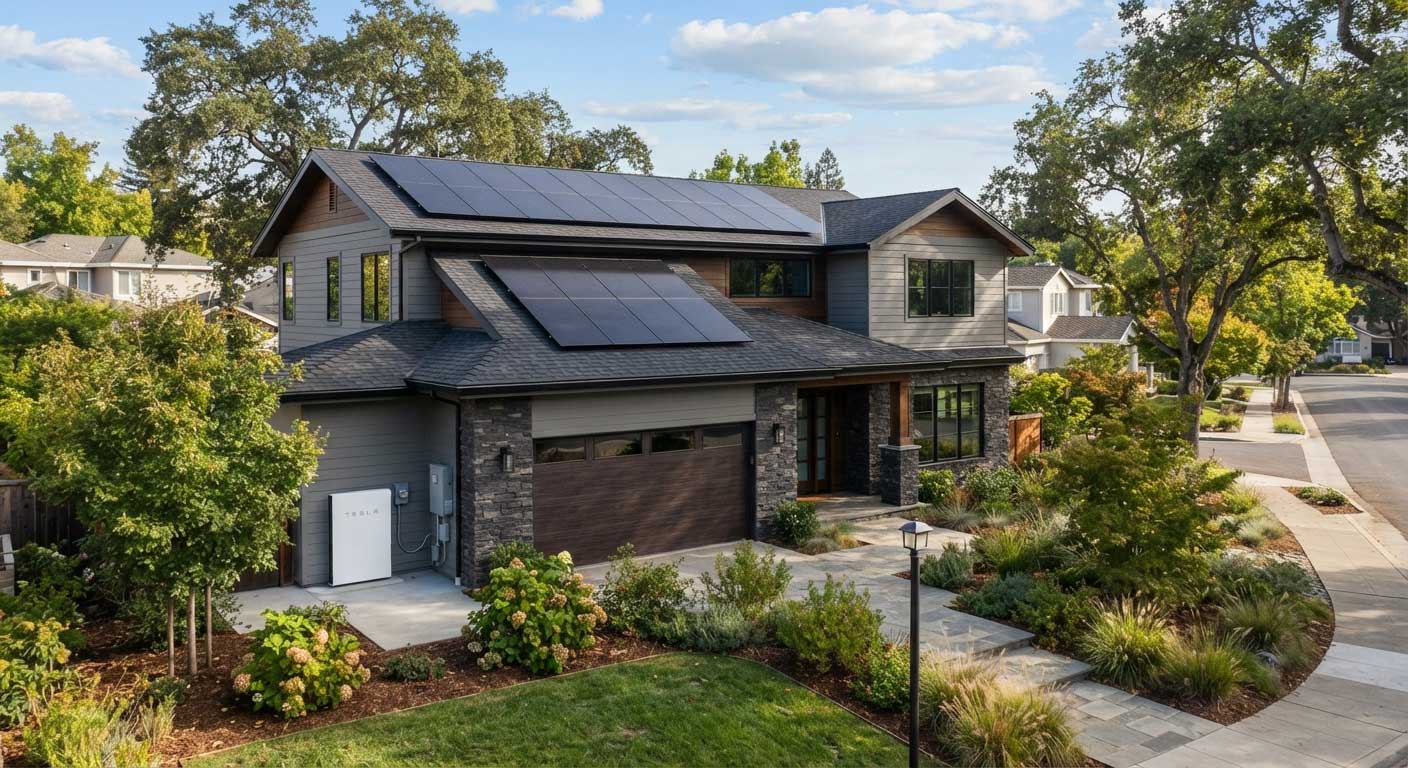
A solar-plus-storage system allows homeowners to:
- Store excess daytime solar energy
- Use electricity during outages
- Reduce dependence on the grid during peak hours
Typical residential battery systems may add several thousand dollars depending on capacity and brand.
From my experience reviewing off-grid and backup power projects, batteries are most valuable for homeowners who have frequent outages or want greater energy independence.
For others, a standard grid-connected solar system may provide better financial value.
FAQ About How Much Are Solar Panels for a Home?
How much are solar panels for a home on average?
A complete residential solar system usually costs around $15,000–$30,000 before incentives, depending on system size, equipment, and installation conditions.
How much does a 5kW solar system cost for a house?
A 5kW residential solar system commonly costs approximately $14,000–$20,000 before incentives, although local pricing can vary.
Are solar panels cheaper than buying electricity?
In many areas, solar can reduce long-term electricity expenses, especially where utility rates are high and homes receive good sunlight.
How many solar panels does a home need?
Most homes require around 15–25 solar panels, depending on electricity usage, panel wattage, and local solar conditions.
Do solar panels increase home value?
In some markets, owned solar systems may increase property value because they reduce future electricity expenses for homeowners.
What is the cheapest way to install solar panels at home?
The lowest upfront cost usually comes from choosing an appropriately sized system, comparing installers, and using available incentives rather than simply selecting the cheapest equipment.
Conclusion
The answer to how much are solar panels for a home is not just a panel price. A residential solar system is a combination of equipment, engineering, installation quality, and long-term energy planning.
After working with Bright Solar projects, I have seen homeowners make better decisions when they stop asking only, “How much does the equipment cost?” and start asking, “What system will actually meet my energy needs for the next 20 years?”
A well-designed solar installation should match your electricity usage, roof conditions, budget, and future plans.
The right solar investment is not always the cheapest quote. It is the system that delivers reliable energy, predictable savings, and dependable performance year after year.
Related recommendations
-

How Much Does Solar Panels Cost?
124How much does solar panels cost? Discover real solar panel prices, installation factors, system costs, and expert advice to plan your solar investment.
View details -
how solar panels make electricity?
260Solar panels use photovoltaic cells to convert sunlight into DC electricity, which an inverter can convert into AC power for homes, businesses, batteries, or...
View details -
How Much Is One Solar Panel?
194How much is one solar panel? Learn current panel prices, cost factors, wattage differences, and expert buying tips from Bright Solar for better decisions.
View details -
How to Compare Marine Flexible Solar Panels?
281Learn how to compare marine flexible solar panels beyond wattage. Discover real-world insights on durability, ETFE materials, saltwater resistance, and lifespan before buying.
View details