How Much Does a Solar Panel System Cost?
How Much Does a Solar Panel System Cost?
A residential solar panel system typically costs between $15,000 and $30,000 before incentives, with final pricing depending on system size, equipment selection, installation conditions, and location. A small system may cost less, while larger homes with higher energy demand require greater investment.
When homeowners ask how much does a solar panel system cost, they usually want a single price. After years of working with Bright Solar customers, I have found that the more important question is not only the upfront cost, but whether the system is correctly sized for the home’s long-term energy needs.
A solar system is not just a collection of panels mounted on a roof. It includes photovoltaic modules, inverters, mounting structures, wiring, safety equipment, labor, and system design.
I have reviewed projects where homeowners chose the lowest quote but later discovered the system produced less energy than expected. In other cases, a slightly higher-quality system delivered better long-term value because it matched the home’s electricity usage more accurately.
What Is the Average Cost of a Solar Panel System?
The total price of a solar installation depends mainly on the system capacity measured in kilowatts (kW).
Typical residential solar system costs:
| System Size | Estimated Cost Before Incentives |
|---|---|
| 3 kW system | $9,000–$13,000 |
| 5 kW system | $14,000–$20,000 |
| 7 kW system | $18,000–$27,000 |
| 10 kW system | $25,000–$35,000 |
These estimates generally include:
- Solar panels
- Inverter
- Mounting hardware
- Electrical components
- Installation labor
- Permits and design work
According to the Solar Energy Industries Association (SEIA), residential solar prices have decreased significantly over the past decade as technology improvements and market growth have reduced installation costs.
Source:
https://www.seia.org/
However, prices still vary widely between regions because labor rates, permitting requirements, roof conditions, and available incentives are different.
What Factors Affect Solar Panel System Cost?
1. System Size and Electricity Usage
The biggest factor affecting solar cost is how much electricity your home consumes.
A family using 400 kWh per month will need a much smaller system than a household using 1,500 kWh because of:
- Electric vehicles
- Air conditioning
- Electric heating
- Pool equipment
- Larger appliances
A typical calculation:
Monthly electricity usage → Required system size → Number of solar panels → Total project cost
For example:
| Monthly Electricity Usage | Approximate System Size |
|---|---|
| 400–600 kWh | 4–6 kW |
| 800–1,000 kWh | 6–8 kW |
| 1,200–1,500 kWh | 9–12 kW |
This is why two neighbors with similar homes may receive very different solar quotes.
2. Solar Panel Quality and Efficiency
Solar panels are available at different performance levels.
Common residential options include:
| Panel Type | Typical Characteristics |
|---|---|
| Standard monocrystalline | Balanced price and performance |
| High-efficiency panels | More power from limited roof space |
| Flexible solar panels | Lightweight and suitable for special applications |
At Bright Solar, we often work with customers who have limited installation areas, such as RV owners or off-grid users. In these situations, panel efficiency and weight can be more important than simply choosing the lowest-cost module.
A cheaper panel is not always cheaper over the system’s lifetime.
How Much Does Solar Installation Add to the Total Cost?
Many homeowners focus only on panel prices, but installation represents a significant part of the project.
A typical solar budget includes:
| Component | Approximate Percentage |
|---|---|
| Solar panels | 20–30% |
| Inverter | 10–15% |
| Mounting system | Around 10% |
| Labor and installation | 25–35% |
| Electrical upgrades and permits | 10–20% |
During a residential solar assessment I worked on, the customer expected the panels to be the largest expense. After reviewing the complete proposal, the biggest cost differences actually came from roof preparation, electrical updates, and installation complexity.
This is common because every house creates a different installation environment.
How Much Does a Solar Panel System Cost After Incentives?
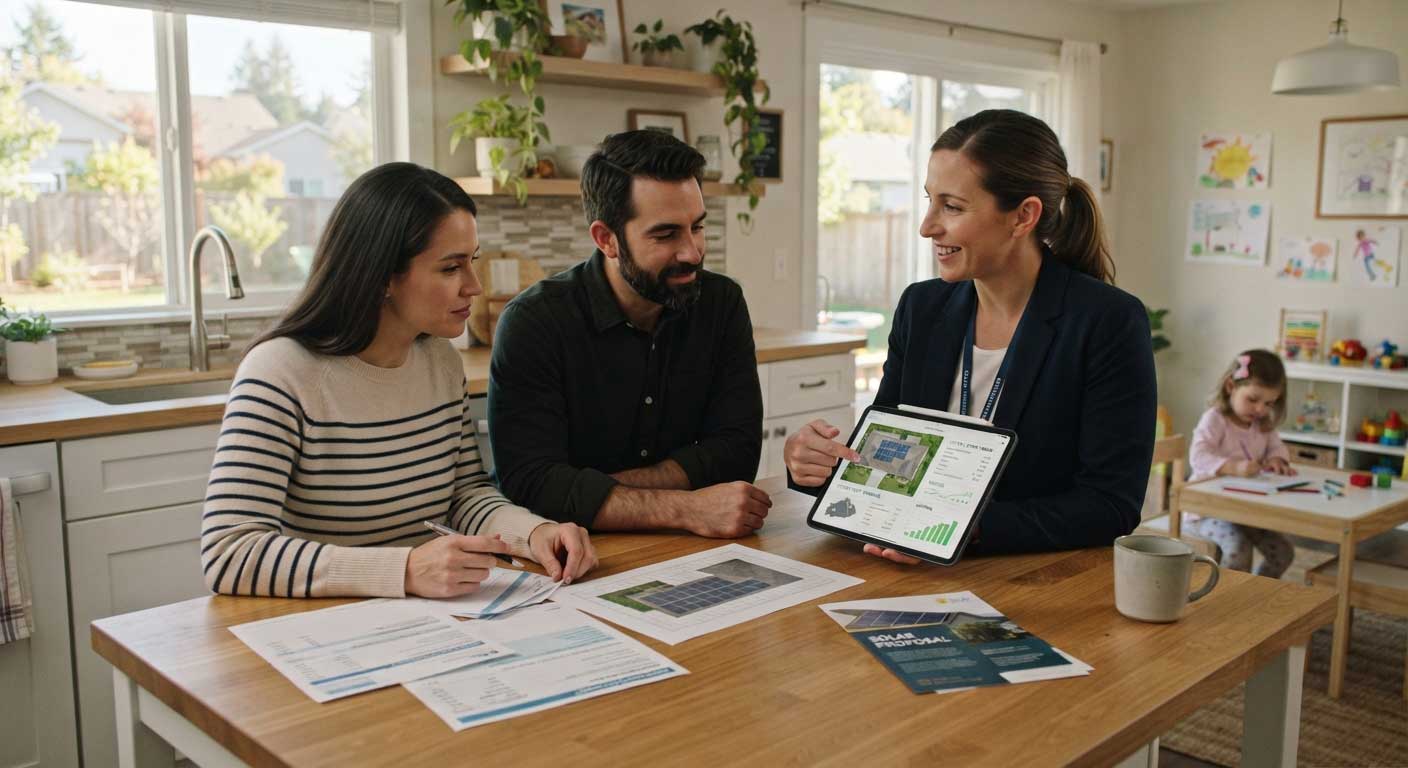
The final amount homeowners pay can be significantly different from the initial project price because incentives, rebates, and financing options may reduce the upfront burden.
In the United States, many homeowners consider the federal solar investment tax credit (ITC) when calculating the actual cost of installation. However, available incentives depend on current government policies and location.
Before making a decision, homeowners should review:
- Federal incentives
- State solar programs
- Utility rebates
- Local permitting requirements
- Financing options
A solar quote should clearly separate:
- Total system price
- Incentive assumptions
- Expected electricity production
- Estimated long-term savings
This makes it easier to compare different solar providers.
The U.S. Department of Energy recommends evaluating solar investments based on system performance, energy savings, and local conditions rather than only focusing on the initial purchase price.
Source:
https://www.energy.gov/
Does Adding Battery Storage Increase Solar System Cost?
Yes. Adding battery storage increases the total investment, but it also provides additional benefits.
A solar battery allows homeowners to:
- Store excess daytime solar energy
- Use stored power during outages
- Reduce dependence on grid electricity
- Improve energy flexibility
Typical solar-plus-storage projects cost more because they include:
- Battery hardware
- Additional installation work
- Energy management equipment
From my experience reviewing off-grid and backup power projects, batteries make the most sense for homeowners who value energy independence or experience frequent outages.
For households with reliable grid access, a standard grid-connected solar system may provide better financial value.
How Much Does a 5kW Solar Panel System Cost?
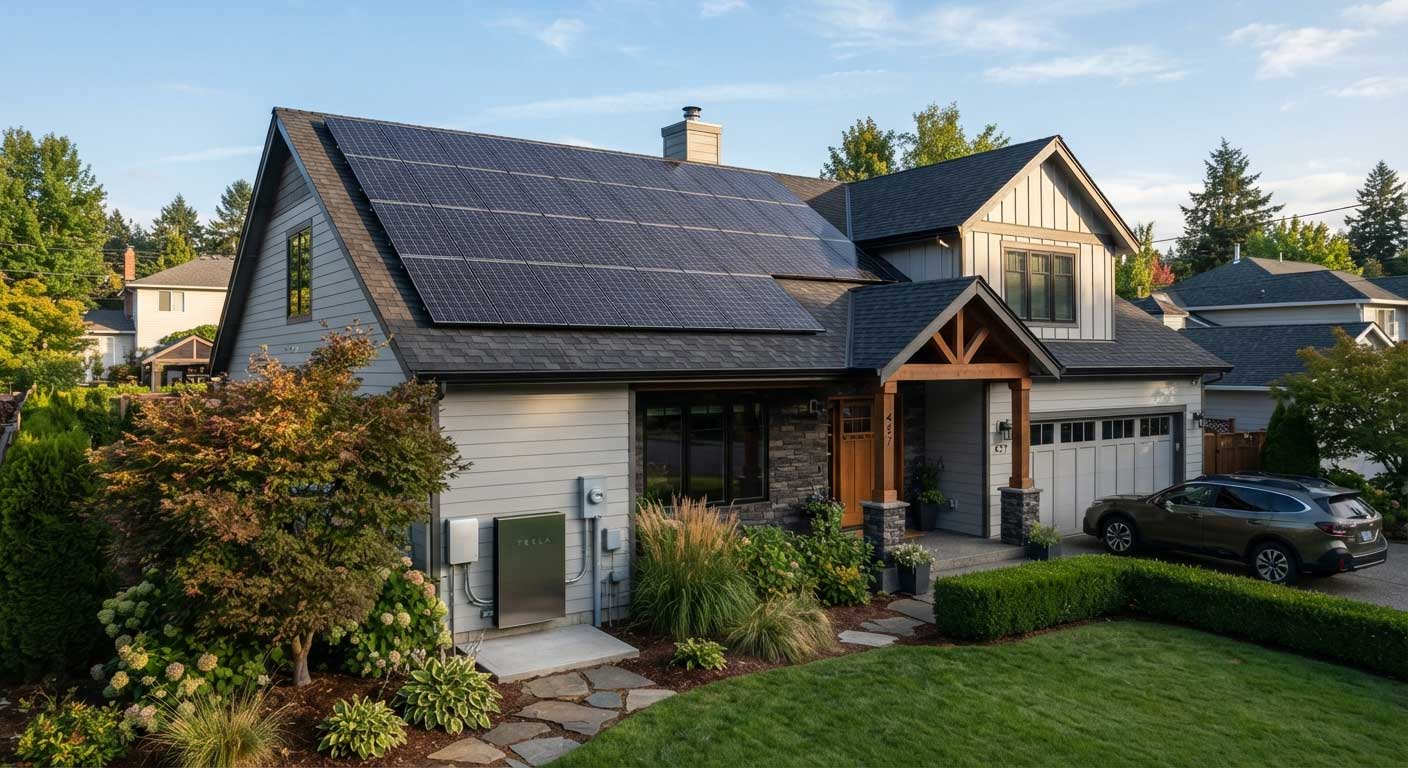
A 5kW solar system is one of the most common choices for smaller and average-sized homes.
Typical cost range:
$14,000–$20,000 before incentives
A 5kW system usually includes:
- Around 12–15 solar panels depending on wattage
- One residential inverter
- Roof mounting equipment
- Electrical installation
The final price depends on:
- Panel efficiency
- Roof complexity
- Labor rates
- Location
- Equipment brand
A homeowner with a simple south-facing roof may have a lower installation cost than someone with a shaded roof requiring additional design work.
FAQ About How Much Does a Solar Panel System Cost?
How much does a solar panel system cost for an average home?
Most residential solar systems cost approximately $15,000–$30,000 before incentives. The exact price depends on electricity usage, system size, equipment, and installation conditions.
How much does a 10kW solar system cost?
A 10kW residential solar system typically costs around $25,000–$35,000 before incentives, depending on location and installation requirements.
Is a solar panel system worth the cost?
For many homeowners, solar can provide long-term savings by reducing electricity bills, especially in areas with strong sunlight and high utility rates.
What is included in a solar panel system cost?
A complete solar system usually includes panels, inverter, mounting equipment, wiring, installation labor, permits, and system design.
Why do solar quotes have different prices?
Different quotes may vary because of equipment quality, installation experience, warranty coverage, labor costs, and system design approaches.
Does a bigger solar system always cost more?
Yes, larger systems usually have higher upfront costs because they require more panels and equipment. However, they may provide greater electricity savings over time.
Conclusion
The answer to how much does a solar panel system cost depends on more than the price of solar panels alone. A complete solar installation is a carefully designed energy system built around your home’s electricity usage, location, and future needs.
After working with Bright Solar projects, I have seen that the most successful installations are not always the cheapest ones. They are the systems where every component—from panel selection to installation method—matches the homeowner’s actual requirements.
A good solar investment should provide reliable energy for decades, not just a low starting price.
Before choosing a system, review your electricity consumption, compare complete installation proposals, and focus on long-term performance. The right solar system is the one that delivers dependable power and meaningful value throughout its operating life.
The prev: How Much Are Solar Panels for a Home?The next: How Much Does It Cost for Solar Panels?
Related recommendations
-

How To Make Solar Panels?
243How to make solar panels explained with each manufacturing step, from silicon materials to finished modules, using expert solar insights from Bright Solar.
View details -
How Often to Clean Solar Panels?
250Learn how often to clean solar panels, when washing solar panels is needed, and how proper cleaning improves solar PV performance and long-term energy output.
View details -
How Many Watts Are Solar Panels?
225How many watts are solar panels? Learn common solar panel wattages, output differences, and how to choose the right solar power size with Bright Solar.
View details -
How Much Are Solar Panels?
179Discover how much are solar panels in 2026, including panel prices, installation costs, system sizes, and real-world solar expenses from Bright Solar experts.
View details