How Many Solar Panels to Power House?
How many solar panels to power house depends on your electricity usage, roof conditions, sunlight hours, and panel efficiency. Most homes need around 15–25 standard solar panels to cover average annual energy consumption, but the exact number varies by household.
When homeowners ask this question, they usually expect a single number. In reality, solar sizing starts with a monthly electricity bill, not the roof itself. During Bright Solar project consultations, I have reviewed homes where two houses with identical roof areas required completely different solar systems because their energy habits were not the same.
A retired couple with efficient appliances may need fewer panels, while a family charging an electric vehicle and running air conditioning daily may need significantly more capacity.
According to the U.S. Energy Information Administration, the average U.S. residential customer consumes about 899 kWh of electricity per month, or approximately 10,800 kWh annually. This figure is one of the starting points installers use when estimating system size.
Source: https://www.eia.gov/electricity/
How Many Solar Panels Does a House Need?
The number of solar panels required for a home is mainly calculated by comparing:
- Annual electricity consumption
- Solar panel wattage
- Local peak sunlight hours
- Roof orientation and shading
- System losses
A simple calculation looks like this:
Number of panels = Annual electricity usage ÷ Annual production per panel
For example:
A household uses:
- 10,800 kWh/year
- 400W solar panels
- Approximately 1,400 kWh production per kW annually
A 400W panel produces roughly:
400W × sunlight conditions × system efficiency
A typical result:
| Home Energy Usage | System Size | Number of 400W Panels |
|---|---|---|
| 5,000 kWh/year | 3.5 kW | 9 panels |
| 10,000 kWh/year | 7 kW | 18 panels |
| 15,000 kWh/year | 10 kW | 25 panels |
These numbers are estimates. A professional design always adjusts for climate, roof angle, inverter efficiency, and future energy needs.
Factors That Change How Many Solar Panels You Need
Electricity Consumption Is the First Factor
The biggest mistake I see from first-time solar buyers is starting with roof size.
A large roof does not automatically mean a large solar system.
During one residential assessment, I inspected a suburban home with enough roof space for more than 30 panels. However, the owner’s electricity usage was low because the house had gas heating and energy-efficient appliances. Installing the maximum number of panels would have created unnecessary upfront costs.
Before selecting panels, check:
- Last 12 months of electricity bills
- Average monthly kWh usage
- Future changes such as EV charging or home expansion
Solar Panel Wattage Affects Panel Quantity
Modern solar panels produce more power than older models.
For example:
| Panel Type | Typical Output |
|---|---|
| Older residential panel | 250W–300W |
| Standard modern panel | 350W–450W |
| High-output panel | 450W–600W |
A home requiring a 7kW system could need:
- 28 panels at 250W
- 18 panels at 400W
- 14 panels at 500W
Higher wattage panels reduce the physical space required, which is especially useful for smaller rooftops.
Bright Solar’s residential and flexible solar solutions are designed around different installation environments, including RVs, marine applications, and limited-space projects where traditional rooftop layouts are not practical.
How Roof Location Affects Solar Panel Numbers
Two houses with identical electricity usage can require different numbers of panels because sunlight availability changes.
A roof in Arizona may generate more electricity from each panel than a roof in Washington because of different solar radiation levels.
The National Renewable Energy Laboratory provides solar resource data showing that annual solar production varies significantly by location across the United States.
Source: https://www.nrel.gov/
Important factors include:
- Roof direction
- Roof tilt angle
- Nearby trees
- Seasonal shading
- Weather patterns
A south-facing roof in the Northern Hemisphere generally provides strong solar exposure, but modern systems can still perform well on east- and west-facing roofs when properly designed.
Understanding Solar Panel Production Per Day
Another way to estimate panel requirements is by looking at daily energy production.
A typical 400W solar panel may generate:
- Around 1.5–2.0 kWh per day in moderate conditions
- More in high-sun regions
- Less during winter or cloudy periods
For example:
A home using 30 kWh daily may need approximately:
30 kWh ÷ 1.8 kWh per panel ≈ 17 panels
However, installers usually add a safety margin because real-world production changes throughout the year.
According to the National Renewable Energy Laboratory, photovoltaic system output depends on factors including irradiance, temperature, orientation, and system losses.
How Many Solar Panels to Power House: Real Installation Insights
Real Experience: Sizing Solar Panels for Different Homes
In real solar projects, the answer to how many solar panels to power house is rarely decided by mathematics alone. Field conditions often change the final design.
I remember reviewing a residential solar request where the homeowner wanted complete energy independence. The initial idea was to install as many panels as possible because the roof had enough available space. After checking 18 months of electricity records, we found that the home’s average usage was only about 720 kWh per month.
The larger system would have increased the installation cost without creating meaningful additional savings.
Instead, we designed a system based on actual consumption, future appliance upgrades, and battery preparation. The final solution used fewer panels but delivered a better return on investment.
This is something many online calculators miss: solar is not only about producing more electricity. It is about producing the right amount of electricity for the way a household actually operates.
How to Calculate Solar Panels Needed for Home Energy Use
Step 1: Check Your Annual Electricity Consumption
Start with your utility bills.
Look for:
- Annual kWh usage
- Highest monthly consumption
- Seasonal changes
- Future electricity increases
A home using electricity mainly during summer may require a different design than a home with consistent year-round consumption.
For example:
| Household Type | Monthly Usage | Estimated Solar Requirement |
|---|---|---|
| Small apartment-style home | 300–500 kWh | 8–12 panels |
| Average family home | 800–1,000 kWh | 18–22 panels |
| Large home with EV | 1,500+ kWh | 30+ panels |
These numbers assume modern 400W–450W solar modules and average sunlight conditions.
Step 2: Consider Future Electricity Needs
A solar system installed today should not only match current consumption.
Many homeowners add:
- Electric vehicles
- Heat pumps
- Home batteries
- Pool equipment
- Smart home systems
A customer I worked with initially needed around 16 panels. After planning for an electric vehicle purchase within two years, the recommended system increased to 22 panels.
Planning ahead avoids expensive system expansion later.
Residential Solar Panel Size Comparison
Solar technology has changed significantly over the past decade.
Older systems often required more panels because module efficiency was lower. Modern panels can generate more electricity from the same roof area.
| Solar Panel Power | Panels Needed for 8kW System |
|---|---|
| 300W panel | About 27 panels |
| 400W panel | About 20 panels |
| 500W panel | About 16 panels |
Higher wattage does not always mean better performance. Roof dimensions, shading, temperature, and product quality still influence total energy production.
For residential projects, Bright Solar focuses on matching panel specifications with actual installation conditions instead of simply recommending the highest wattage available.
How Many Solar Panels Do I Need for Off-Grid Homes?
Off-grid solar systems require a different calculation.
Unlike grid-connected homes, off-grid properties need enough energy for:
- Daily electricity consumption
- Battery charging
- Weather conditions
- Backup periods
For example, a cabin using 8 kWh per day may need:
- Solar panels producing 10–12 kWh daily
- Battery storage capacity
- Charge controller and inverter system
The additional solar capacity helps maintain electricity availability during cloudy periods.
Off-grid installations are common for:
- Remote cabins
- RVs
- Marine applications
- Agricultural buildings
Flexible solar panels can also be useful where traditional rigid modules cannot be installed because of weight or surface limitations.Visit the product page: Flexible Solar Panel
Common Mistakes When Choosing Solar Panel Quantity
Installing Too Few Panels
Some homeowners only calculate current electricity usage and ignore future needs.
This can create problems when:
- Energy consumption increases
- Utility rates rise
- More appliances are added
A slightly larger system can provide better long-term value.
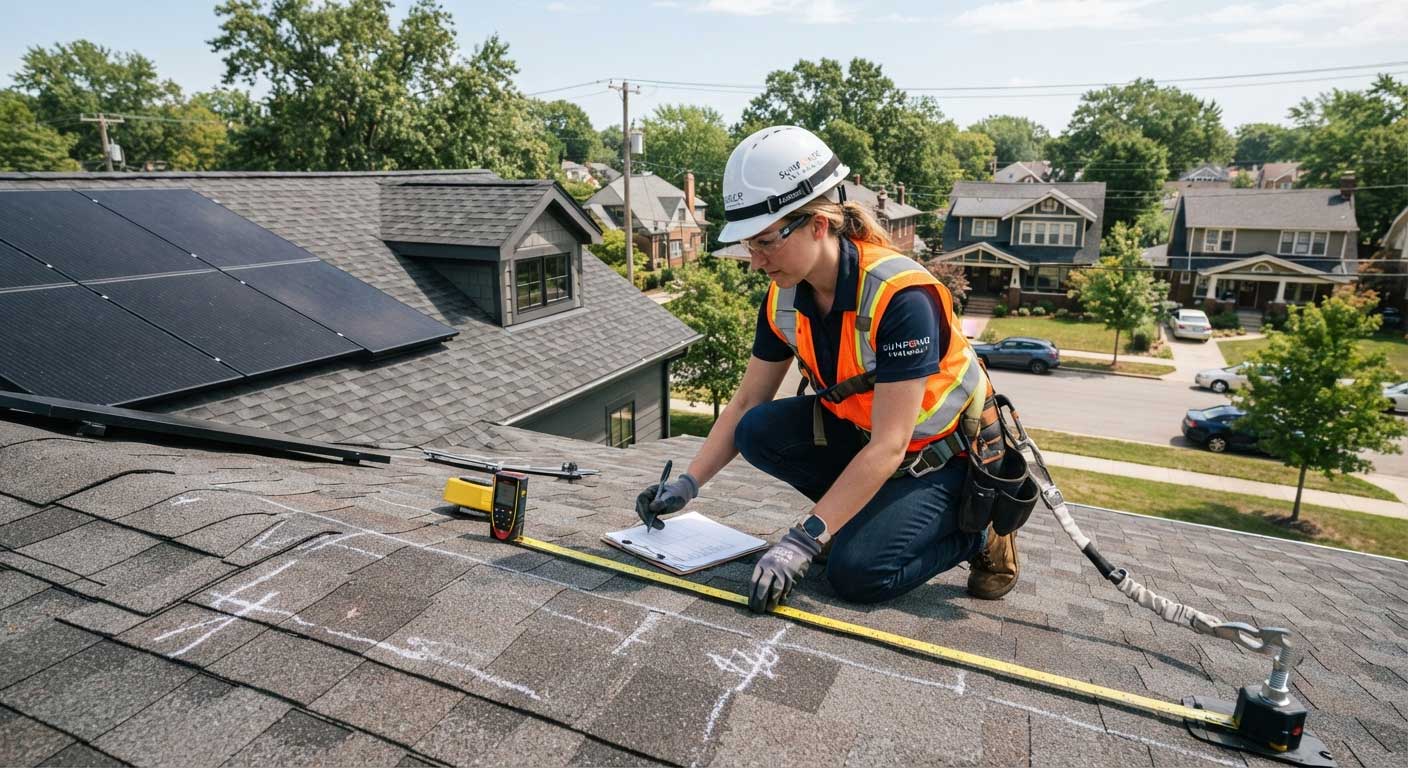
Ignoring Roof Conditions
A roof inspection should consider:
- Remaining roof lifespan
- Structural strength
- Shading problems
- Installation direction
Installing solar panels on a roof that needs replacement soon can create unnecessary removal and reinstallation costs.
Choosing Panels Only by Price
The cheapest panel is not always the lowest-cost solution.
Important factors include:
| Factor | Why It Matters |
|---|---|
| Efficiency | Determines energy production per area |
| Warranty | Protects long-term investment |
| Temperature performance | Affects hot climate output |
| Material quality | Influences durability |
The International Energy Agency reports that solar photovoltaic technology has become one of the fastest-growing renewable energy technologies worldwide, driven by improvements in efficiency and reduced costs.
Source:
https://www.iea.org/energy-system/renewables/solar-pv
FAQ About How Many Solar Panels to Power House
How many solar panels does an average house need?
Most average homes require approximately 15–25 solar panels when using modern 400W panels. The exact number depends on electricity consumption, location, roof conditions, and system design.
How many solar panels do I need for a 2,000 square foot house?
A 2,000 square foot house does not automatically determine solar panel quantity. Many homes of this size need around 18–30 panels, depending on annual electricity usage and appliance requirements.
Can 10 solar panels power a house?
Yes, 10 solar panels can power a house with low electricity consumption. A 400W panel system with 10 modules creates approximately a 4kW solar array, which may cover smaller homes or energy-efficient households.
How many solar panels do I need to go off-grid?
Off-grid homes usually require more panels than grid-connected systems because they must produce extra energy for battery storage and cloudy periods. The final number depends on daily energy use and battery capacity.
Do more solar panels always mean more savings?
Not necessarily. Installing more panels can increase production, but if the system generates significantly more electricity than a home uses, the financial benefit may decrease depending on local utility rules.
How long do solar panels last on a house?
Most modern solar panels are designed to operate for 25 years or longer. Many manufacturers provide performance warranties guaranteeing around 80% or more output after 25 years.
Should I install more solar panels than I currently need?
In many cases, adding extra capacity can be beneficial if you expect higher electricity consumption in the future, such as adding an electric vehicle or battery storage system.
Final Thoughts: Finding the Right Number of Solar Panels
The answer to how many solar panels to power house depends on the relationship between energy demand and solar production.
A successful solar installation is not the one with the most panels. It is the system designed around real household behavior, local sunlight conditions, and future energy plans.
At Bright Solar, our approach starts with understanding how customers use electricity before recommending a solar solution. From residential rooftops to flexible solar applications, proper system sizing helps improve reliability, efficiency, and long-term value.
Whether you are planning a new home solar installation or upgrading an existing system, calculating the correct number of panels is the first step toward achieving better energy independence.
The prev: how do solar panels work on a house?The next: how expensive are solar panels?
Related recommendations
-

How Do Solar Panels Make Energy?
156How do solar panels make energy? Learn how photovoltaic cells convert sunlight into electricity, with expert insights, real data, and solar engineering experience.
View details -
How Often to Clean Solar Panels?
195Learn how often to clean solar panels, when washing solar panels is needed, and how proper cleaning improves solar PV performance and long-term energy output.
View details -
do solar panels cause cancer?
198do solar panels cause cancer? Learn what science says about solar panels, electromagnetic fields, toxic metals, radiation, and everyday health and safety risks.
View details -
how much can you save with solar panels?
166Discover how much can you save with solar panels using real cost data, electricity savings examples, and Bright solar insights for long-term energy value.
View details