How Long Does a Flexible Solar Panel Last?
How Long Does a Flexible Solar Panel Last?
A high-quality flexible solar panel typically lasts 10–20 years, depending on materials, installation quality, climate, and maintenance. Premium ETFE-coated monocrystalline panels generally outlast older PET-based designs and can continue producing useful power long after their warranty period when properly installed.
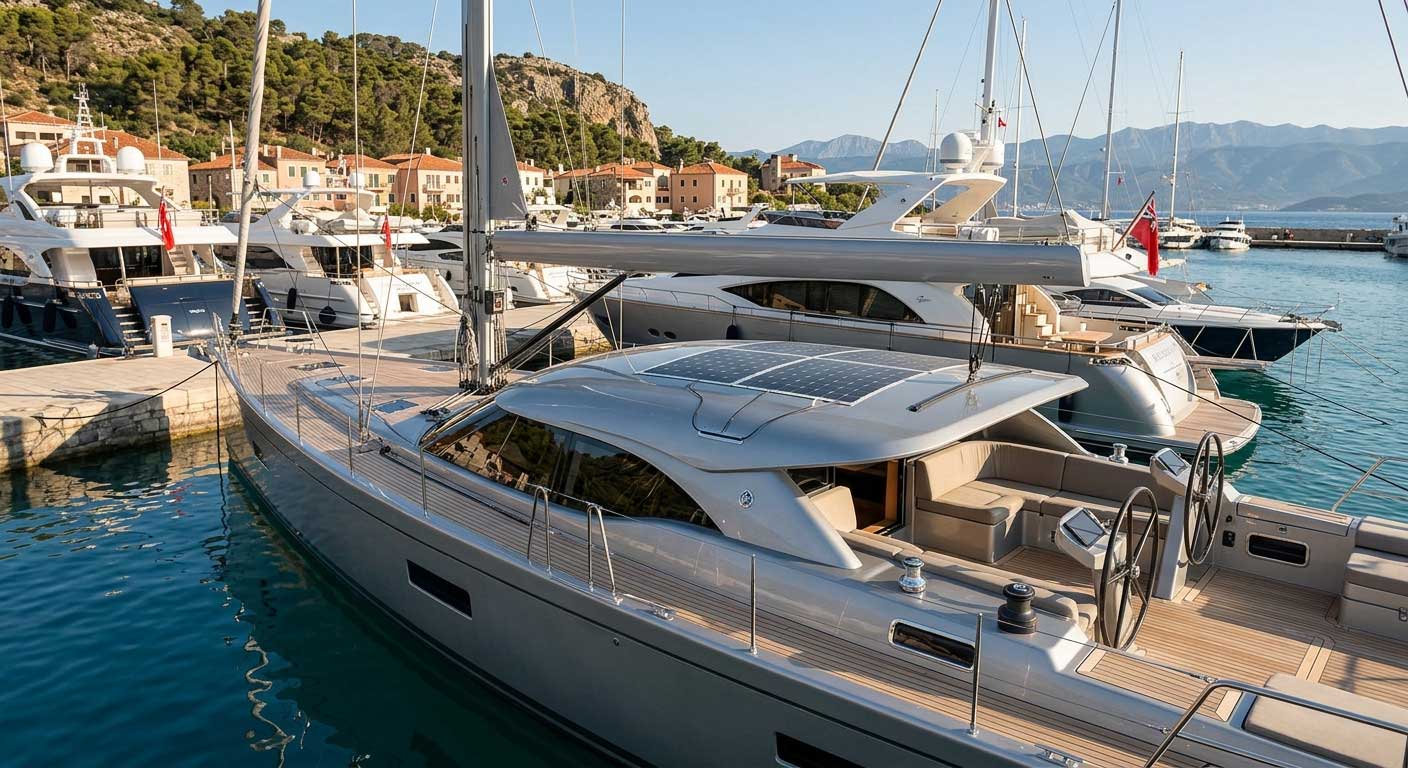
A few years ago, I revisited a sailboat I had first seen at a marina on the Gulf Coast.
The owner had installed flexible solar panels nearly a decade earlier.
The panels looked older.
The surface showed minor wear.
The output wasn’t exactly what it had been on day one.
But the batteries were charging.
The refrigerator was running.
The navigation electronics still depended on those same panels.
That visit reminded me of something buyers often overlook.
Solar panels rarely stop working overnight.
They age gradually.
The real question isn’t whether a flexible solar panel survives.
It’s how well it performs as the years pass.
Understanding Flexible Solar Panel Lifespan
When customers ask how long a flexible solar panel lasts, they’re usually asking two different questions.
First:
“How long before it completely stops working?”
Second:
“How long before performance noticeably declines?”
Those answers are not the same.
Like all photovoltaic products, flexible solar panels slowly lose output over time.
This process is called degradation.
According to research published by the U.S. Department of Energy, solar modules naturally experience performance degradation throughout their operational life, though rates vary depending on materials and environmental conditions.
Source:
https://www.energy.gov
Most quality flexible solar panels continue producing useful electricity long after their initial installation.
Typical Flexible Solar Panel Lifespan
Based on field observations, manufacturer data, and industry experience, lifespan expectations generally look like this:
| Panel Type | Expected Lifespan |
|---|---|
| Low-Cost PET Flexible Panels | 3–8 Years |
| Standard Flexible Panels | 8–12 Years |
| Premium ETFE Flexible Panels | 10–20 Years |
| High-End Monocrystalline ETFE Models | Up to 20+ Years |
The gap between budget and premium products is substantial.
In many cases, lifespan is determined more by construction quality than by the solar cells themselves.
The cells often outlast the surrounding materials.
Why Some Flexible Solar Panels Last Longer Than Others
Not all flexible solar panels are built the same.
I’ve inspected systems that failed after four years.
I’ve also seen panels continue operating after more than a decade of marine exposure.
The difference usually comes down to materials.
ETFE vs PET Surface Materials
One of the most important developments in the industry has been the transition from PET coatings to ETFE surfaces.
ETFE offers:
- Better UV resistance
- Improved weather durability
- Higher scratch resistance
- Better heat tolerance
- Longer-term optical clarity
According to material performance data from DuPont, ETFE maintains excellent transparency and environmental resistance even after prolonged outdoor exposure.
Source:
https://www.dupont.com
That matters because sunlight is relentless.
Day after day.
Year after year.
The outer layer often determines whether a panel ages gracefully or deteriorates prematurely.
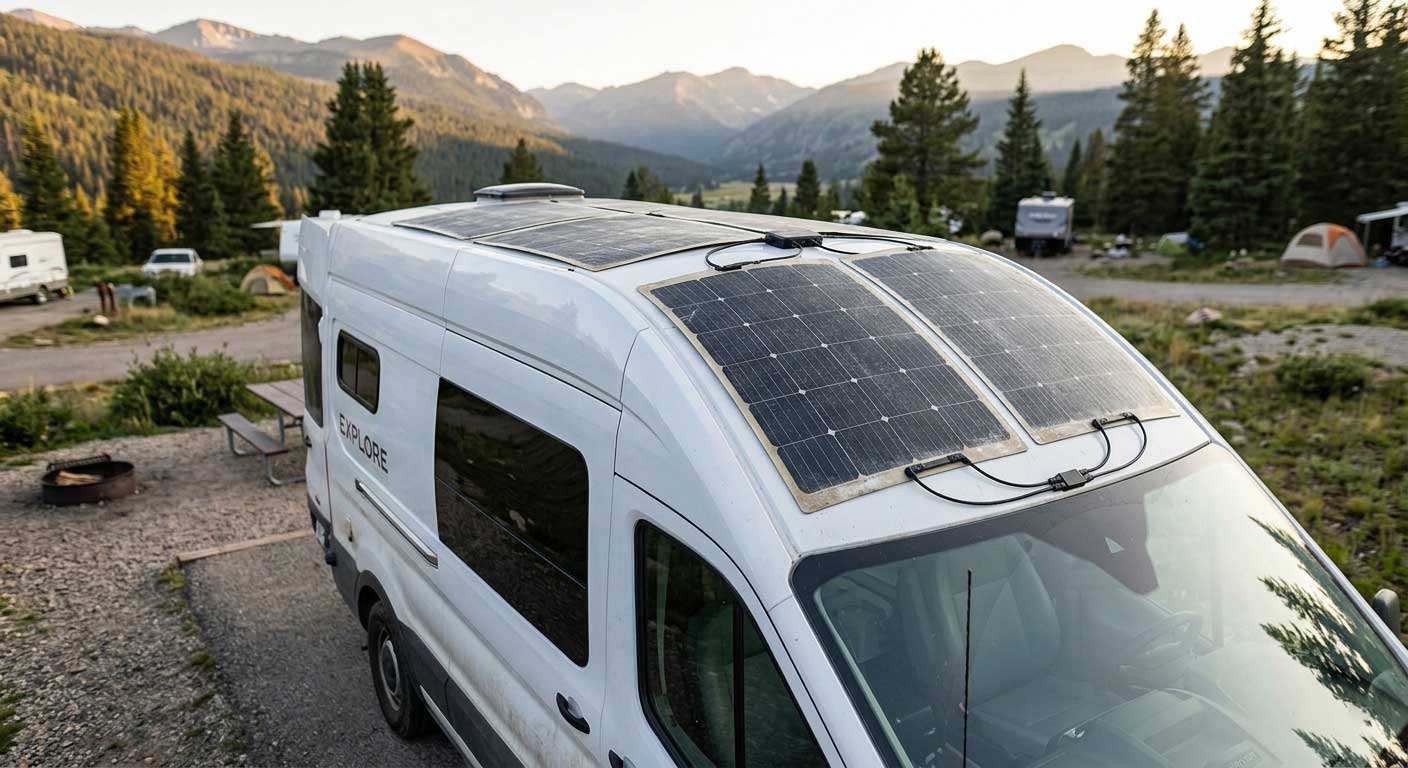
Environmental Conditions Matter More Than Most Buyers Realize
Two identical solar panels can age very differently.
Location plays a major role.
Consider these examples:
Moderate Climate Installation
- Pacific Northwest
- Lower UV exposure
- Cooler temperatures
- Less thermal stress
Expected lifespan may exceed industry averages.
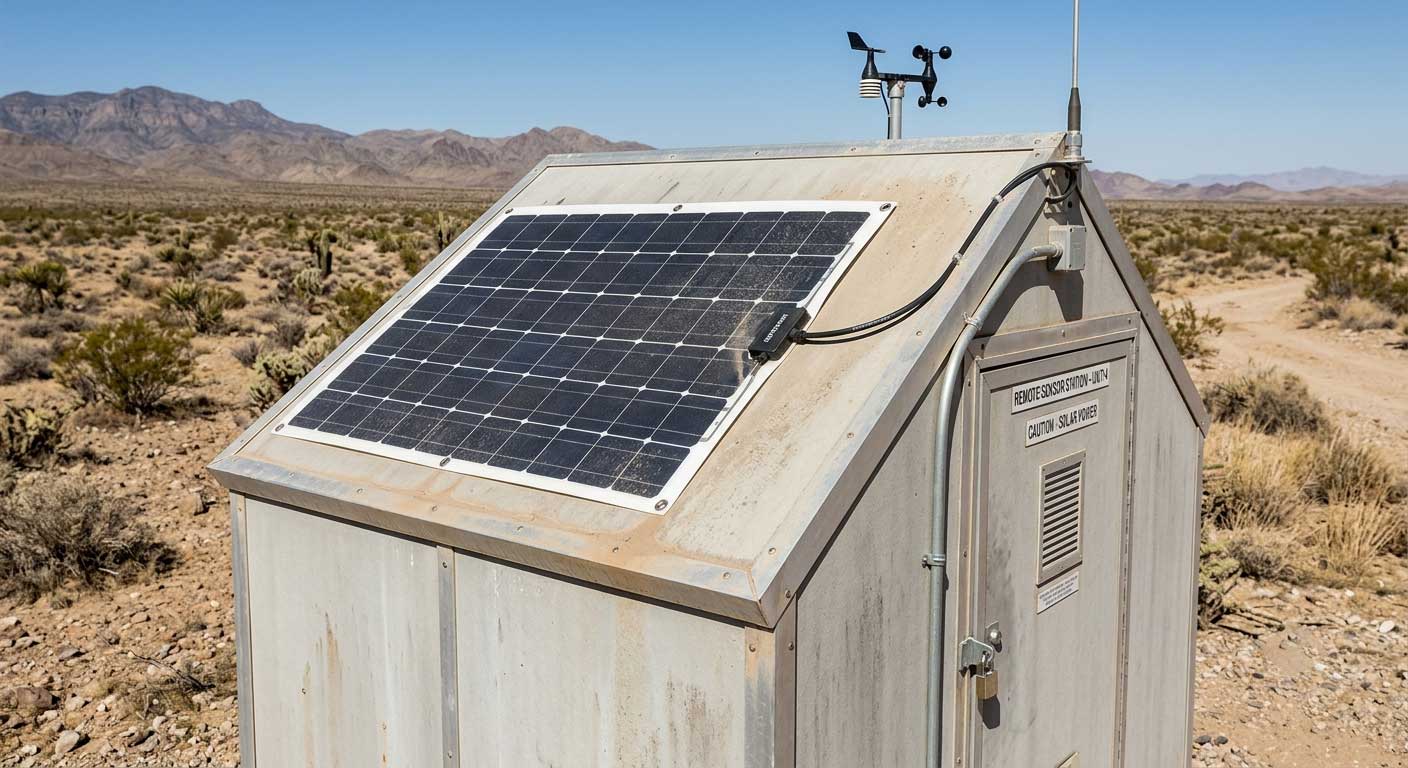
Extreme Desert Installation
- Arizona
- Nevada
- Southern California deserts
- High UV intensity
- Surface temperatures above 170°F (77°C)
Materials experience significantly greater stress.
Marine Environment
Saltwater introduces unique challenges:
- Salt spray
- Humidity
- Constant vibration
- Intense reflected sunlight
Interestingly, many premium marine installations still achieve excellent longevity because owners tend to invest in higher-quality components.
The Hidden Lifespan Factor: Installation Quality
I once inspected two nearly identical camper vans.
Both used the same flexible solar panel model.
Both operated in similar climates.
One system was approaching ten years of service.
The other failed after five.
The difference wasn’t manufacturing quality.
It was installation.
The failed system had been mounted directly onto a dark steel roof with poor drainage and excessive thermal buildup.
The longer-lasting system had better airflow and cleaner cable management.
The lesson was obvious.
Even premium solar panels cannot compensate for poor installation practices.
Lifespan-Extending Installation Practices
- Follow manufacturer bend-radius limits
- Avoid standing water
- Minimize unnecessary foot traffic
- Keep cable connections protected
- Clean debris regularly
- Use compatible mounting methods
Small details accumulate over time.
What Causes Flexible Solar Panels to Fail?
Most failures don’t begin in the solar cells.
They begin elsewhere.
Common failure mechanisms include:
- Delamination
- UV degradation
- Connector corrosion
- Surface cracking
- Water intrusion
- Adhesive failure
According to research from the National Renewable Energy Laboratory (NREL), environmental stress and material aging remain major factors affecting photovoltaic system durability.
Source:
https://www.nrel.gov
The good news?
Many of these issues are less common in modern ETFE-based products than they were a decade ago.
How Fast Do Flexible Solar Panels Degrade?
No solar panel maintains 100% output forever.
Performance declines gradually.
Typical annual degradation rates often range between:
- 0.5% to 1.5% annually for quality panels
- Higher rates for lower-cost products
For example:
| Year | Approximate Remaining Output |
|---|---|
| Year 1 | 100% |
| Year 5 | 95–98% |
| Year 10 | 90–95% |
| Year 15 | 85–92% |
| Year 20 | 80–90% |
Actual results vary significantly depending on operating conditions.
These figures represent realistic expectations rather than guarantees.
Signs a Flexible Solar Panel Is Reaching End of Life
Most panels don’t fail suddenly.
Instead, they provide warnings.
Watch for:
- Noticeable power loss
- Surface discoloration
- Cracks or bubbles
- Delamination
- Corroded connectors
- Water ingress
A decline in charging performance is often the first clue.
The panel may still function.
Just not as efficiently.
Real-World Lifespan Expectations
After years of observing installations on RVs, boats, trailers, and off-grid systems, my practical expectation is simple:
A quality ETFE monocrystalline flexible solar panel should reasonably provide:
- 10–15 years in demanding environments
- 15–20 years in moderate climates
- Potentially longer under ideal conditions
That’s not marketing language.
That’s what field installations consistently suggest.
The oldest systems I’ve inspected rarely look perfect.
But many continue generating useful electricity long after buyers expected.
FAQ About How Long Does a Flexible Solar Panel Last?
How long does a flexible solar panel last on an RV?
Most quality RV flexible solar panels last 10–20 years depending on climate, installation quality, and maintenance.
Do flexible solar panels last as long as rigid panels?
Generally no. Traditional glass panels often achieve longer service lives, but premium flexible panels have significantly narrowed the gap.
What is the lifespan of ETFE flexible solar panels?
Premium ETFE flexible solar panels commonly achieve service lives of 10–20 years under normal operating conditions.
How can I make my flexible solar panel last longer?
Choose ETFE materials, install correctly, keep surfaces clean, protect connectors, and avoid exceeding recommended bending limits.
H3 Do flexible solar panels lose efficiency over time?
Yes. Like all solar panels, flexible modules gradually degrade and produce slightly less power each year.
Final Thoughts
So, how long does a flexible solar panel last?
For modern ETFE monocrystalline products, a realistic lifespan is typically 10–20 years, with many systems continuing to provide useful power beyond that timeframe. Material quality, installation practices, climate, and maintenance ultimately determine longevity far more than any single specification printed on a product datasheet.
The prev: How to Wire Solar Panels in Series?The next: How Much Do Flexible Solar Panels Cost?
Related recommendations
-

What will a 100 watt solar panel kit run?
201What will a 100 watt solar panel kit run? Discover appliances, power limits, battery needs, and real-world applications of 100W solar kits with Bright Solar.
View details -
Can You Put Solar Panels on a Mobile Home?
105Yes. Solar panels can be installed on a mobile home if the structure, mounting method, electrical system, and applicable requirements support the installation.
View details -
how many solar panels can i fit on my roof?
155how many solar panels can i fit on my roof? Estimate panel capacity from usable roof area, panel size, efficiency, roof layout, access pathways, and obstructions.
View details -
What Are the Best Solar Panels?
100Discover what are the best solar panels in 2026. Compare efficiency, durability, warranties, flexible panels, and real-world performance with Bright Solar.
View details