How Long Do Solar Panels Last on a House?
How Long Do Solar Panels Last on a House?
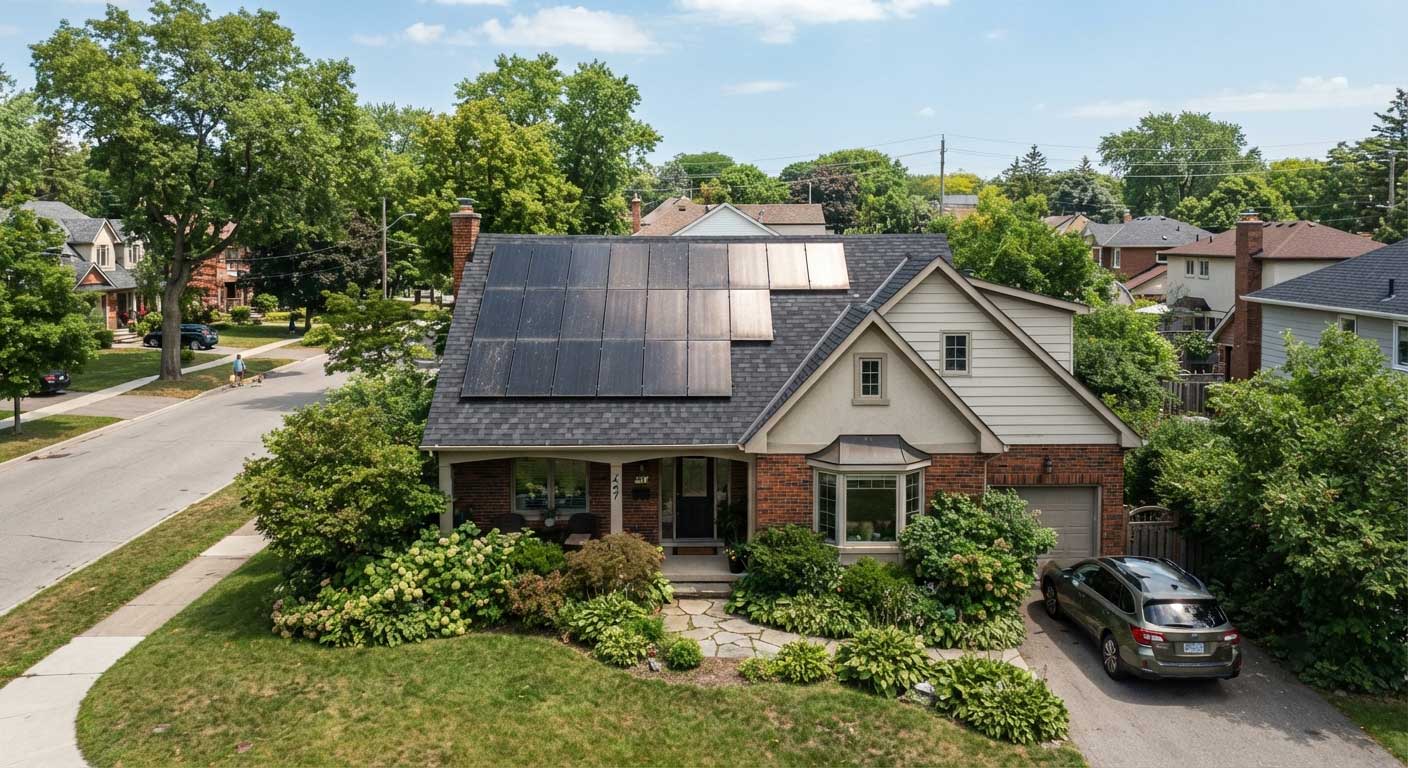
Solar panels on a house typically last 25 to 30 years or longer, with many modern modules continuing to produce electricity beyond their original warranty period. Their lifespan depends on panel quality, installation conditions, climate exposure, maintenance, and annual degradation rates.
When homeowners ask us at Bright Solar, “How long will these panels really last?”, they are usually thinking beyond the warranty date. A solar installation is not a short-term appliance replacement—it is an energy asset expected to operate through decades of changing weather, temperature cycles, and seasonal conditions.
From reviewing residential solar projects, one detail becomes clear: the panels installed on the roof are only part of the longevity equation. The quality of the module, mounting system, installation workmanship, and environmental conditions all influence how well a system performs after years of exposure.
A 10-year-old solar system on a well-maintained roof can still produce impressive energy. In many cases, the question is not whether the panels stop working after 25 years, but how much electricity they continue generating as they age.
What Is the Average Lifespan of Residential Solar Panels?
Most residential solar panels are designed for long-term outdoor operation.
The typical expectation is:
| Solar Panel Age | Expected Performance |
|---|---|
| 0–10 years | Near original production levels |
| 10–20 years | Gradual efficiency reduction |
| 20–30 years | Continued electricity generation with lower output |
| 30+ years | Possible operation depending on condition |
Many manufacturers provide:
- 10–15 year product warranties.
- 25–30 year performance warranties.
A performance warranty usually guarantees that the panel will still produce a certain percentage of its original rated output after a specified period.
For example, a manufacturer may guarantee approximately 80–90% of initial power output after 25 years, depending on the product design.
According to the National Renewable Energy Laboratory (NREL), photovoltaic modules generally degrade slowly over time, with modern systems often maintaining strong performance well beyond their initial warranty periods.
Reference:
How Solar Panel Degradation Affects Lifespan
Solar panels do not suddenly stop working when they become old.
Instead, they gradually lose a small amount of energy production each year. This process is called degradation.
The main causes include:
- Ultraviolet radiation exposure.
- Temperature changes.
- Moisture penetration.
- Mechanical stress.
- Material aging.
- Electrical connection wear.
A typical degradation rate for modern solar panels is approximately:
0.3%–0.5% per year
This means a panel producing 450W when new may still generate around 85–90% of its original capacity after 25 years.
Example:
| Operating Time | Approximate Output |
|---|---|
| New installation | 100% |
| After 10 years | 95–97% |
| After 25 years | 85–92% |
| After 30 years | 82–90% |
The exact performance depends on the manufacturing quality and operating environment.
What Determines How Long Solar Panels Last on a House?
1. Solar Panel Quality
Not all solar panels are manufactured with the same materials or quality standards.
Higher-quality modules typically include:
- Better silicon cell consistency.
- Stronger encapsulation materials.
- Improved resistance against moisture.
- More reliable electrical connections.
- Lower degradation rates.
At Bright Solar, we evaluate panel suppliers based on technical documentation, testing standards, warranty terms, and long-term reliability—not only the advertised efficiency rating.
A panel with slightly higher upfront cost may provide better value if it maintains stronger production over decades.
2. Installation Quality
Even the best solar panel can experience problems if installed incorrectly.
Professional installation affects lifespan through:
- Correct mounting pressure.
- Proper waterproofing.
- Secure electrical connections.
- Appropriate cable management.
- Correct roof attachment methods.
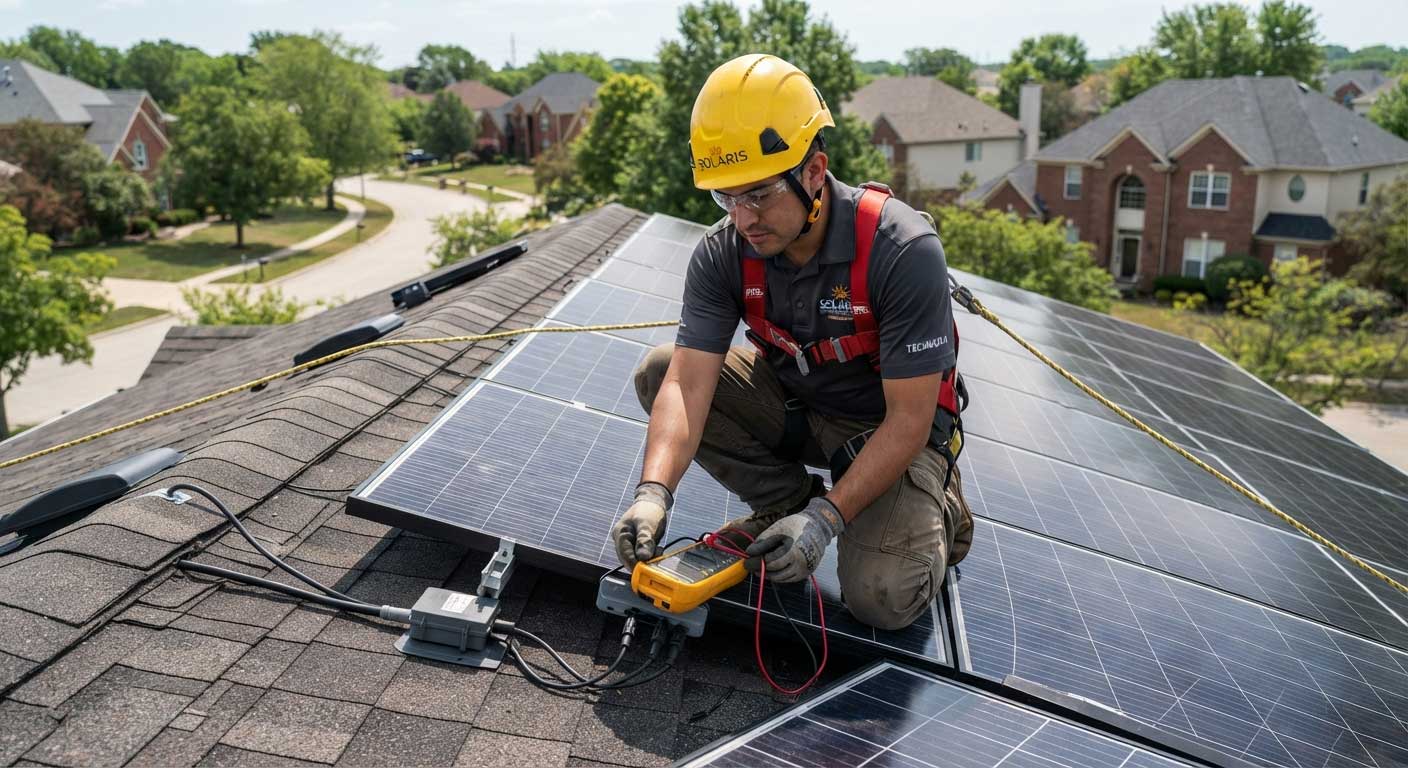
During site inspections, we often find that installation details invisible from the ground—such as cable routing and mounting points—play an important role in preventing future issues.
A well-installed system protects both the panels and the roof structure.
3. Climate and Weather Conditions
Solar panels are designed to survive outdoor conditions, but climate affects aging.
Important environmental factors include:
| Condition | Possible Effect |
|---|---|
| Extreme heat | Higher thermal stress |
| Heavy snow | Mechanical load |
| Coastal environments | Salt corrosion risk |
| Hail storms | Glass and frame damage |
| Dust accumulation | Reduced energy production |
According to the International Electrotechnical Commission (IEC), photovoltaic modules undergo environmental qualification tests designed to evaluate durability against temperature cycling, humidity, mechanical loading, and other outdoor stresses.
Reference:
Do Solar Panels Stop Working After 25 Years?
No.
The 25-year figure is often misunderstood.
It does not mean solar panels suddenly fail after 25 years. Instead, it usually represents the period covered by a manufacturer’s performance warranty.
Many older photovoltaic systems installed decades ago are still producing electricity today.
After 25 years, homeowners may notice:
- Slightly lower electricity production.
- More frequent inverter maintenance.
- Potential replacement of electrical components.
However, the solar modules themselves may continue operating.
The long-term value of a solar installation comes from decades of energy generation, not only the first few years of operation.
How to Extend the Lifespan of Solar Panels on a House
Solar panels are designed to operate with minimal maintenance, but a few practical steps can help preserve long-term performance.
At Bright Solar, we often tell homeowners that solar maintenance is less about frequent repairs and more about preventing small issues from becoming expensive problems. A quick inspection every year can reveal loose connections, debris buildup, or shading changes caused by growing trees.
The most effective ways to extend solar panel lifespan include:
- Keeping panels reasonably clean.
- Monitoring electricity production.
- Checking for visible damage after severe weather.
- Maintaining proper roof conditions.
- Using qualified technicians for repairs.
A solar panel system does not require daily attention. However, ignoring it completely for decades is not recommended.Visit the product page: Flexible Solar Panel
How Often Should Solar Panels Be Maintained?
For most residential systems, professional maintenance is usually limited.
Typical recommendations include:
| Maintenance Task | Suggested Frequency |
|---|---|
| Visual inspection | Once or twice per year |
| Panel cleaning | As needed based on environment |
| Production monitoring | Monthly or through monitoring software |
| Electrical inspection | Every few years or after issues |
| Roof inspection | During regular roof maintenance |
In areas with frequent dust, pollen, agricultural activity, or bird activity, cleaning may be needed more often.
A light layer of dust usually has a small effect, but heavy buildup can reduce energy production.
According to the National Renewable Energy Laboratory (NREL), soiling losses vary significantly depending on location, climate, rainfall patterns, and environmental conditions.
Reference:
Which Solar Components Usually Fail First?
Although solar panels are built for long-term operation, the entire system includes multiple components with different lifespans.
The solar modules themselves are often among the most durable parts of the system.
Common replacement items include:
| Component | Typical Lifespan |
|---|---|
| Solar panels | 25–30+ years |
| Inverter | 10–15 years |
| Mounting system | 25–30+ years |
| Monitoring equipment | 5–15 years |
| Batteries (if installed) | 8–15 years |
The inverter is often the first major component homeowners replace because it handles continuous power conversion from DC electricity generated by panels into AC electricity used by the home.
When planning a solar investment, homeowners should consider the entire system lifecycle—not only the expected lifespan of the modules.
How Solar Panel Technology Has Improved Lifespan
Solar panels manufactured today benefit from decades of engineering improvements.
Modern technologies improving durability include:
TOPCon Solar Cells
Tunnel Oxide Passivated Contact (TOPCon) technology improves electrical performance by reducing energy losses within the solar cell.
Heterojunction (HJT) Technology
HJT combines crystalline silicon with thin-film layers to improve efficiency and temperature performance.
Improved Encapsulation Materials
Advanced encapsulants help protect cells against:
- Moisture.
- UV exposure.
- Thermal cycling.
Better Quality Control
Modern factories use automated inspection systems, including electroluminescence testing, to detect invisible defects before panels leave production.
These improvements contribute to longer service life and more predictable energy production.
Real-World Factors That Can Shorten Solar Panel Lifespan
While modern panels are durable, certain conditions may accelerate aging.
Extreme Weather Events
Strong hail, hurricanes, and severe storms can physically damage panels.
Most certified modules undergo mechanical load testing, but unusually severe events may still cause damage.
Poor Installation Practices
Incorrect mounting, improper cable management, or poor waterproofing can create problems years later.
Persistent Shading
Trees that grow after installation can reduce output and create uneven operating conditions across the array.
Low-Quality Equipment
Cheaper modules may use lower-cost materials that degrade faster under demanding environmental conditions.
This is why selecting a solar supplier requires evaluating technical specifications, manufacturing standards, and after-sales support.
Are Solar Panels Worth It If They Last 25 Years?
For many homeowners, the long lifespan is one of the strongest advantages of solar energy.
A properly designed system can provide:
- Reduced electricity expenses.
- Greater energy independence.
- Protection against future electricity price increases.
- Decades of renewable energy production.
The financial value depends on several factors:
- Local electricity rates.
- Solar production.
- Installation cost.
- Available incentives.
- System maintenance.
The U.S. Department of Energy explains that homeowners should evaluate solar investments based on energy savings, system performance, financing options, and local conditions.
Reference:
https://www.energy.gov/eere/solar
A solar system producing electricity for 25–30 years can generate significant value even after the initial payback period.
FAQ About How Long Do Solar Panels Last on a House?
How long do solar panels last on a house?
Solar panels typically last 25 to 30 years or longer. Most modern panels continue producing electricity after their warranty period, although output gradually decreases due to normal degradation.
Do solar panels need to be replaced after 25 years?
No. Twenty-five years is usually a performance warranty period, not an expiration date. Many panels continue operating beyond this point with reduced energy production.
What is the average solar panel degradation rate?
Most modern solar panels degrade approximately 0.3% to 0.5% per year, meaning they usually retain around 85–90% of their original output after 25 years.
What part of a solar system fails first?
The inverter usually requires replacement before the solar panels because it contains electronic components that experience continuous operation.
Can weather damage shorten solar panel lifespan?
Yes. Severe hail, storms, extreme heat, and coastal salt exposure can affect system durability. Choosing certified panels and professional installation helps reduce these risks.
How can I make solar panels last longer?
Regular monitoring, occasional cleaning, professional inspections, proper installation, and maintaining surrounding areas free from excessive shading can help maximize system lifespan.
Conclusion
The answer to how long do solar panels last on a house is generally 25 to 30 years or more, but lifespan depends on much more than the calendar. Manufacturing quality, installation practices, climate exposure, maintenance habits, and system components all influence long-term performance.
At Bright Solar, we view residential solar as a long-term engineering investment rather than a short-term purchase. A well-designed system should continue producing reliable electricity decades after installation, with predictable performance supported by proper equipment selection and professional installation.
For homeowners considering solar, understanding expected lifespan is an important step in evaluating the true value of renewable energy. The best solar system is not only one that produces power today—it is one designed to keep performing year after year.
The prev: How Solar Panels Manufactured?The next: How Much Solar System Cost for Home?
Related recommendations
-

Do Solar Panels Charge on Cloudy Days?
129Yes. Solar panels can still generate electricity and charge batteries on cloudy days, but output and charging speed usually decrease as cloud cover becomes t...
View details -
How to Transfer Solar Energy to Electricity?
128How to transfer solar energy to electricity explained with photovoltaic technology, energy conversion steps, system components, and expert solar insights.
View details -
Why Are Solar Panels Good for the Environment?
84Solar panels generate electricity without fuel combustion during operation, helping reduce greenhouse-gas emissions and air pollution.
View details -
How Solar Panels Generate Electricity?
192How solar panels generate electricity explained with photovoltaic technology, solar cells, energy conversion steps, and expert solar insights from Bright Solar.
View details