How Hot Do Flexible Solar Panels Get?
How Hot Do Flexible Solar Panels Get?
Flexible solar panels typically reach surface temperatures between 131°F and 167°F (55°C–75°C) during sunny conditions, and can occasionally exceed 176°F (80°C) on dark surfaces in extremely hot climates. These temperatures are normal and do not necessarily indicate a problem, provided the panel is designed for outdoor operation and installed correctly.
A customer once called me from Lake Havasu, Arizona, convinced his flexible solar panels were failing.
“It feels like I could fry an egg on them,” he said.
Honestly, he wasn’t far off.
Using an infrared thermometer, he measured nearly 158°F (70°C) on the panel surface at midday. The ambient air temperature was only 104°F (40°C).
The surprise wasn’t that the panels were hot.
The surprise was that they were still producing power almost exactly where they should have been.
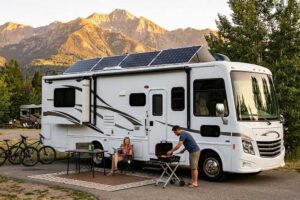
That experience mirrors what many RV owners, boat operators, and off-grid users discover when they first touch a solar panel on a sunny afternoon.
Solar panels are supposed to get hot.
The interesting part is understanding why.
Why Flexible Solar Panels Get Hot
Solar panels convert sunlight into electricity.
But electricity is only part of the equation.
Most incoming solar radiation never becomes usable electrical power.
Instead, a large percentage becomes heat.
According to the U.S. Department of Energy, most commercial solar panels operate within efficiency ranges that leave a significant portion of absorbed solar energy converted into thermal energy rather than electricity.
Source:
https://www.energy.gov
That heat accumulates naturally.
Flexible solar panels often run hotter than traditional framed panels because they sit much closer to the mounting surface.
Less airflow.
Less heat dissipation.
More retained temperature.
It’s basic physics rather than a design flaw.
Typical Flexible Solar Panel Temperatures
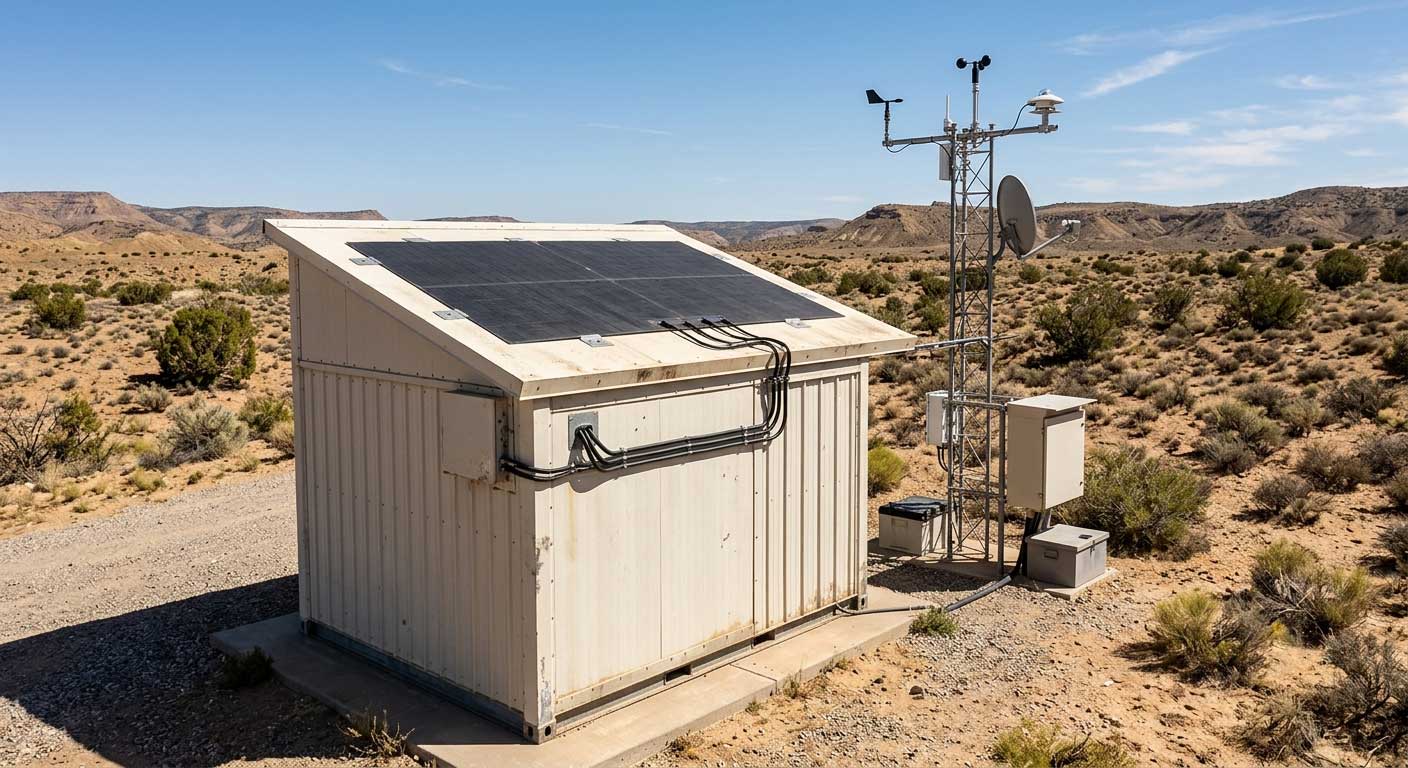
In the field, I have measured flexible panels on RVs, sailboats, utility trailers, and remote monitoring stations.
The numbers are remarkably consistent.
| Condition | Typical Surface Temperature |
|---|---|
| Air Temperature 77°F (25°C) | 104°F–122°F (40°C–50°C) |
| Air Temperature 86°F (30°C) | 122°F–149°F (50°C–65°C) |
| Air Temperature 95°F (35°C) | 131°F–167°F (55°C–75°C) |
| Extreme Desert Conditions | Up to 176°F+ (80°C+) |
What surprises people most is that solar panels are often much hotter than the surrounding air.
That’s completely normal.
A panel absorbs direct solar radiation continuously throughout the day.
The roof underneath can become equally hot.
Sometimes even hotter.
Why Flexible Panels Run Hotter Than Rigid Panels
Traditional solar panels usually sit above the roof.
Several inches of open air separate the panel from the mounting surface.
That air acts as a cooling channel.
Flexible panels work differently.
Their advantages come from being low-profile and lightweight.
The trade-off is reduced airflow.
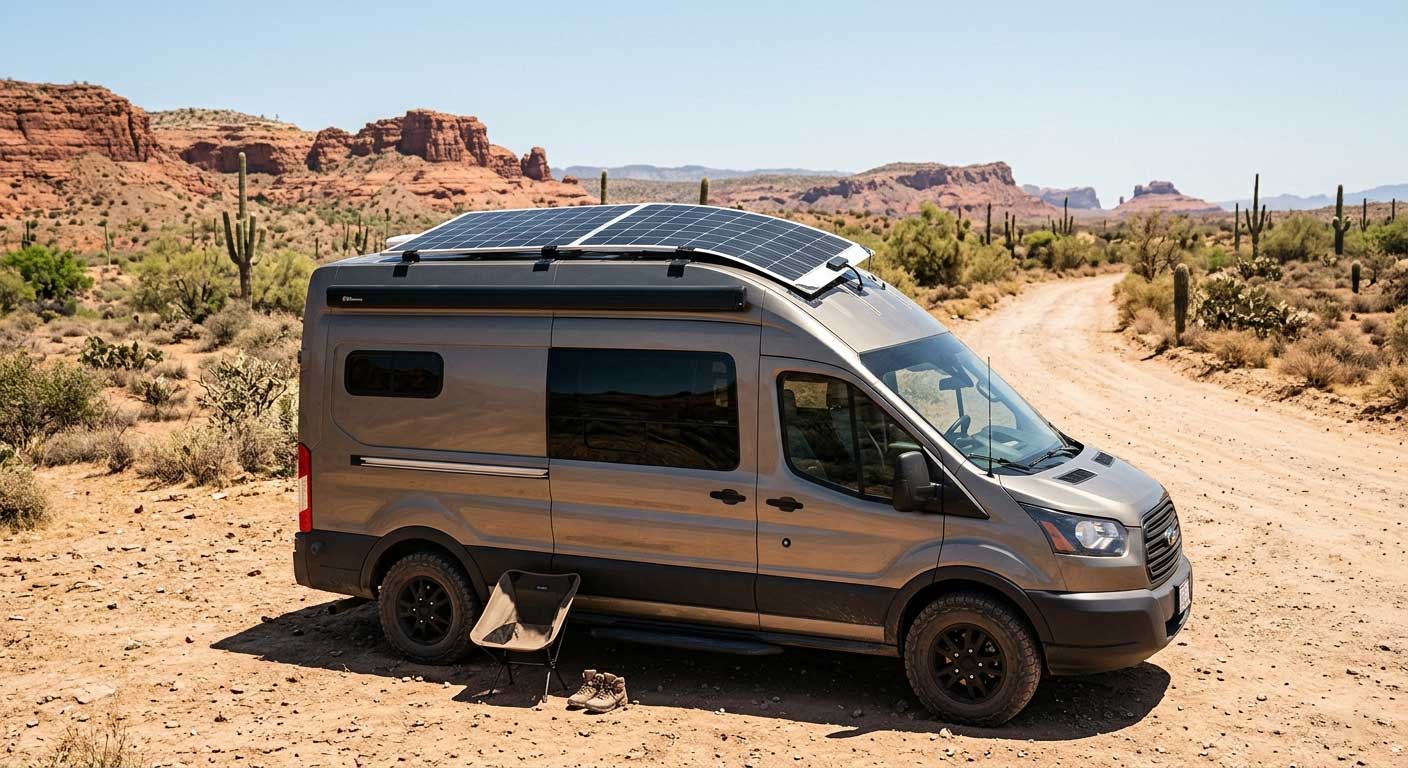
Common Installation Surfaces
Flexible panels are frequently installed on:
- RV roofs
- Camper vans
- Boat cabins
- Fiberglass decks
- Mobile trailers
- Portable structures
These surfaces absorb and retain heat differently.
A white fiberglass roof generally stays cooler than black painted steel.
The solar panel itself may be identical.
The installation environment is not.
Does High Temperature Reduce Solar Panel Performance?
Yes.
Every solar panel loses some efficiency as temperature increases.
This affects:
- Flexible solar panels
- Rigid solar panels
- Residential rooftop systems
- Utility-scale solar farms
According to the International Energy Agency (IEA), photovoltaic performance decreases as cell temperatures rise above standard test conditions.
Source:
https://www.iea.org
This doesn’t mean power production stops.
It simply means output becomes slightly lower than laboratory-rated values.
One RV owner I worked with noticed his system producing fewer watts during a scorching afternoon than during a cooler spring morning.
The sunlight intensity was similar.
The temperature was not.
Heat was the deciding factor.
Temperature Coefficient Matters
Premium solar panels often feature lower temperature coefficients.
That specification indicates how much power is lost as temperatures rise.
Higher-quality monocrystalline cells generally perform better in hot conditions than older technologies.
Can Flexible Solar Panels Overheat?
The word “overheat” is often misunderstood.
A flexible panel operating at 150°F (66°C) is not necessarily overheating.
It’s simply hot.
Actual overheating occurs when temperatures exceed design limits or when materials begin degrading prematurely.
Modern premium flexible solar panels are engineered to tolerate:
- Intense sunlight
- UV exposure
- Thermal cycling
- Outdoor weather conditions
The National Renewable Energy Laboratory (NREL) continues researching long-term solar module durability under thermal stress and environmental exposure.
Source:
https://www.nrel.gov
Most quality panels are built with these operating realities in mind.
Why ETFE Panels Handle Heat Better
Several years ago, the flexible solar market contained many inexpensive PET-coated panels.
Some performed adequately.
Others aged quickly.
Surface yellowing became common.
Cracking and delamination occasionally appeared after prolonged UV exposure.
Today, premium flexible solar panels often use ETFE surfaces.
Benefits include:
- Better UV resistance
- Improved heat tolerance
- Enhanced durability
- Higher light transmission
- Better marine performance
According to material data published by DuPont, ETFE maintains excellent optical and environmental performance after years of outdoor exposure.
Source:
https://www.dupont.com
The difference becomes particularly noticeable in hot climates.
Practical Ways to Reduce Flexible Solar Panel Temperatures
You cannot eliminate heat entirely.
You can manage it.
Over the years, I’ve noticed several installation practices consistently improve thermal performance.
Choose Light-Colored Roof Surfaces
White fiberglass roofs often run noticeably cooler than dark-painted metal surfaces.
Use High-Quality ETFE Panels
Premium materials tolerate elevated temperatures more effectively.
Keep Panels Clean
Dust and dirt absorb heat while reducing energy production.
Avoid Partial Shading
Localized hotspots can increase cell temperatures unevenly.
Follow Manufacturer Installation Guidelines
Many heat-related complaints trace back to installation shortcuts rather than product failures.
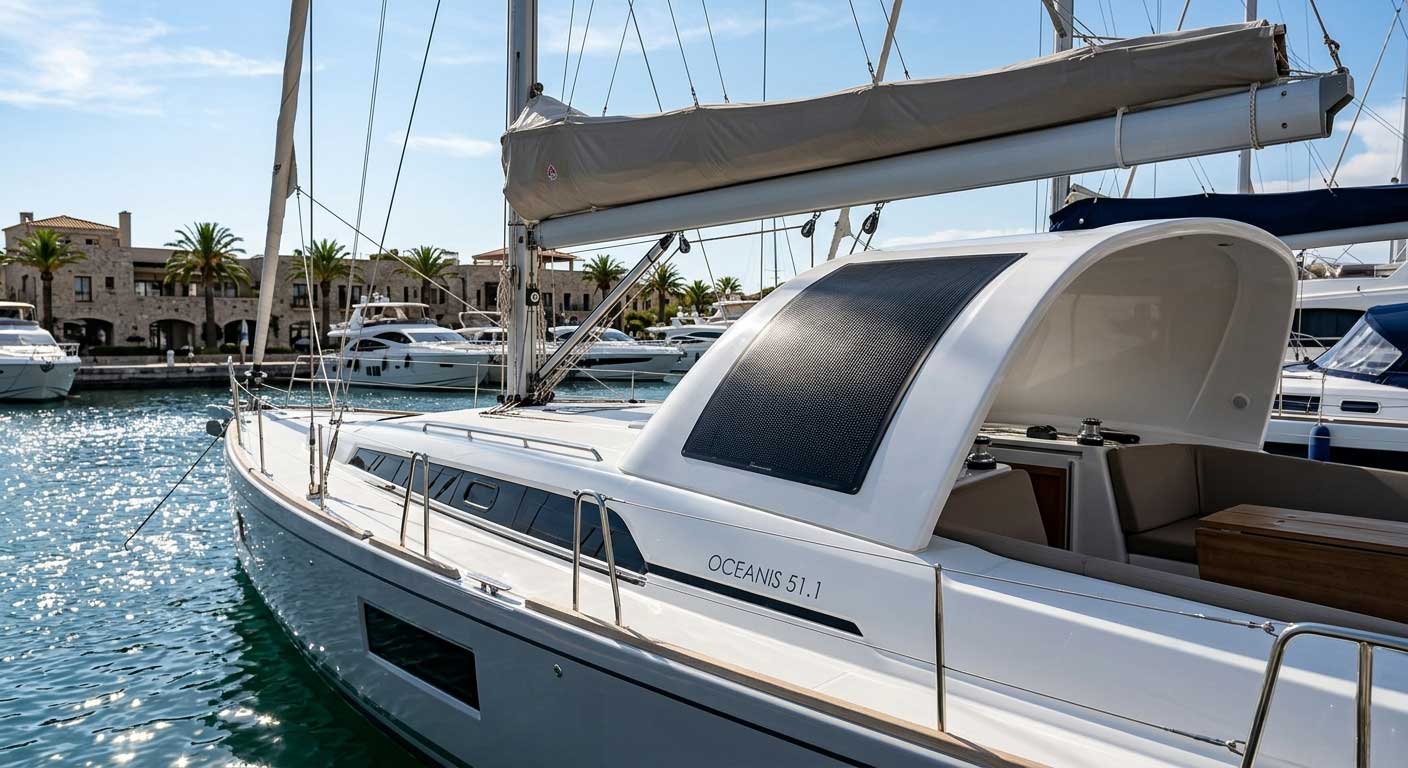
What Marine Installations Teach Us About Heat
Boats provide one of the best long-term tests for flexible solar technology.
They combine:
- Intense UV exposure
- Reflected sunlight from water
- High humidity
- Salt spray
- Elevated temperatures
Yet properly installed systems routinely operate for years.
One marine technician told me something memorable:
“The sun isn’t what kills most panels. Bad installations do.”
After years of inspecting systems, I think he was largely correct.
FAQ:How Hot Do Flexible Solar Panels Get?
How hot do flexible solar panels get on an RV roof?
Flexible solar panels commonly reach 131°F–167°F (55°C–75°C) on RV roofs during sunny weather, depending on ambient temperature and roof material.
Do flexible solar panels get hotter than rigid panels?
Yes. Flexible panels generally run hotter because they sit closer to the mounting surface and have less airflow beneath them.
Is it normal for a flexible solar panel to feel too hot to touch?
Yes. Surface temperatures above 140°F (60°C) are common in direct sunlight and can feel extremely hot.
Can high temperatures damage flexible solar panels?
Modern ETFE-based flexible solar panels are designed for high-temperature outdoor environments, but poor-quality materials may degrade faster under prolonged heat exposure.
Are flexible solar panels suitable for desert climates?
Yes. Quality flexible solar panels are widely used in desert regions, RV applications, and remote monitoring systems where temperatures regularly exceed 100°F (38°C).
Final Thoughts
So, how hot do flexible solar panels get?
In real-world operation, temperatures between 131°F and 167°F (55°C–75°C) are entirely normal, and even higher temperatures can occur under extreme conditions. The key is not avoiding heat altogether but choosing quality materials, proper installation methods, and premium ETFE construction that allows flexible solar panels to perform reliably despite challenging environmental conditions.
The prev: How Good Are Flexible Solar Panels?The next: How to Wire Solar Panels in Series?
Related recommendations
-

How to Hook Up Solar Panel to Battery?
155Connect the solar panel to a compatible charge controller first, then connect the controller to the battery with correct polarity.
View details -
How to Install Flexible Solar Panels on RV?
170Learn how to install flexible solar panels on RV roofs safely and efficiently. Expert RV installer tips, wiring advice, airflow methods, and real-world solar insights.
View details -
what direction do solar panels face?
149what direction do solar panels face? Learn the best solar panel orientation, compare south, east, and west-facing roofs, and improve home solar production.
View details -
how do solar panels generate power?
227how do solar panels generate power? Learn how photovoltaic cells convert sunlight into electricity, from solar energy absorption to usable home power systems.
View details