How Good Are Flexible Solar Panels?
How Good Are Flexible Solar Panels?
Flexible solar panels are very good for applications where weight, curved surfaces, and easy installation matter more than maximum lifespan. Modern monocrystalline flexible panels can deliver strong power output, excellent portability, and reliable performance on RVs, boats, camper vans, and off-grid systems when properly installed.
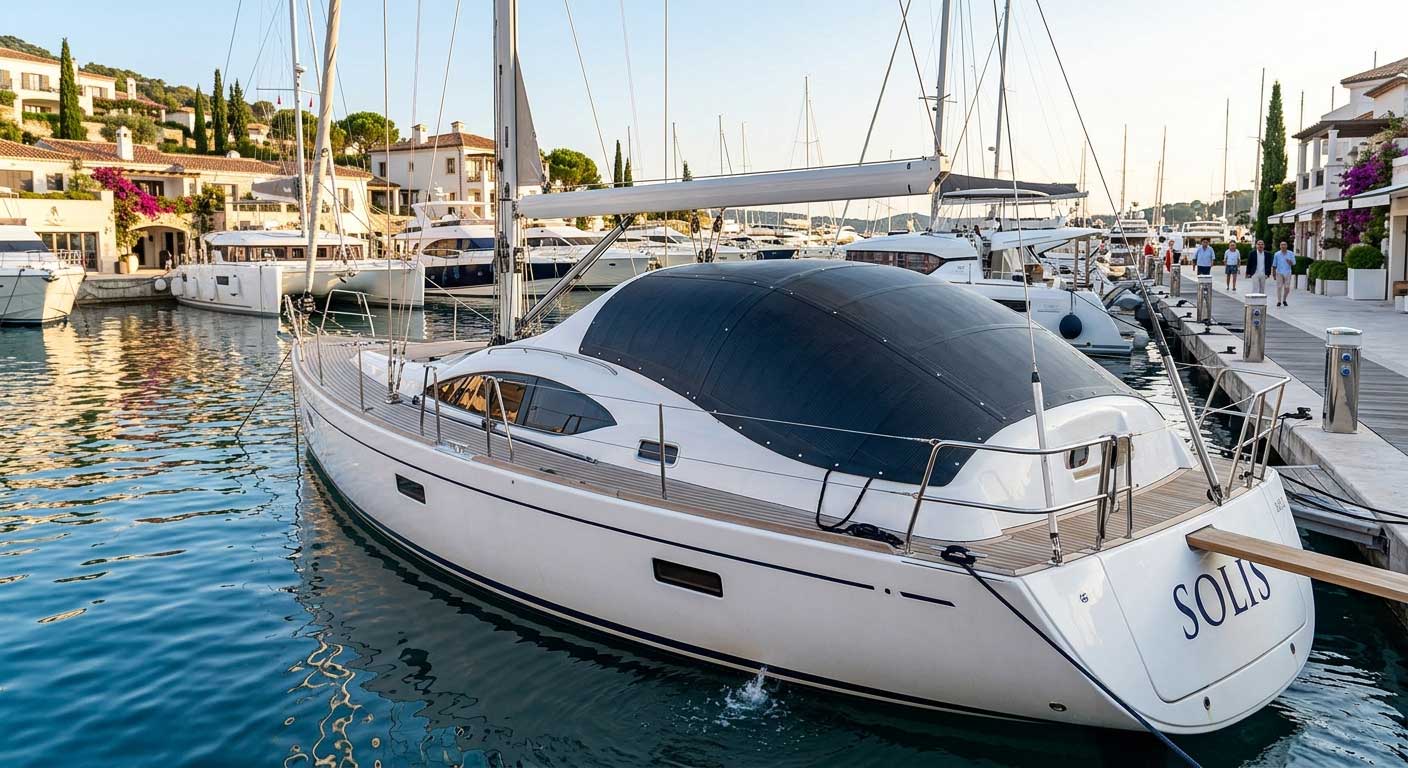
Several years ago, I stood on the roof of a customer’s sailboat in Charleston Harbor looking at a solar setup that had survived countless weekends offshore.
The panels were not perfect.
They showed signs of weather.
Salt exposure had left its mark.
Yet they were still generating power.
At nearly the same time, I visited an RV owner whose rigid panels produced slightly more electricity but required heavy aluminum mounts, roof penetrations, and additional installation costs.
Both systems worked.
Both owners were happy.
That experience reinforced something I’ve learned after years working with mobile solar systems:
The question isn’t whether flexible solar panels are good.
The question is whether they are good for your application.
For many users, the answer is absolutely yes.
What Makes Flexible Solar Panels Different?
Flexible solar panels generate electricity using the same photovoltaic principle as traditional solar panels.
Sunlight strikes silicon cells.
Electrons move.
Electricity flows.
The difference lies in construction.
Instead of heavy tempered glass and aluminum framing, flexible panels use lightweight composite materials and polymer surfaces.
That change creates several practical advantages.
| Feature | Flexible Solar Panels | Traditional Solar Panels |
|---|---|---|
| Weight | Very Low | Higher |
| Curved Surface Compatibility | Excellent | Limited |
| Installation Complexity | Low | Moderate |
| Portability | Excellent | Limited |
| Roof Penetration Requirements | Often Minimal | Usually Required |
| Lifespan | Moderate to High | High |
According to the U.S. Department of Energy, lightweight photovoltaic technologies continue expanding opportunities for transportation, marine, and mobile energy applications.
Source:
https://www.energy.gov
The technology isn’t trying to replace every rigid solar panel.
It’s solving a different problem.
Where Flexible Solar Panels Perform Best
This is where flexible solar panels truly shine.
Over the years, I’ve seen them installed on:
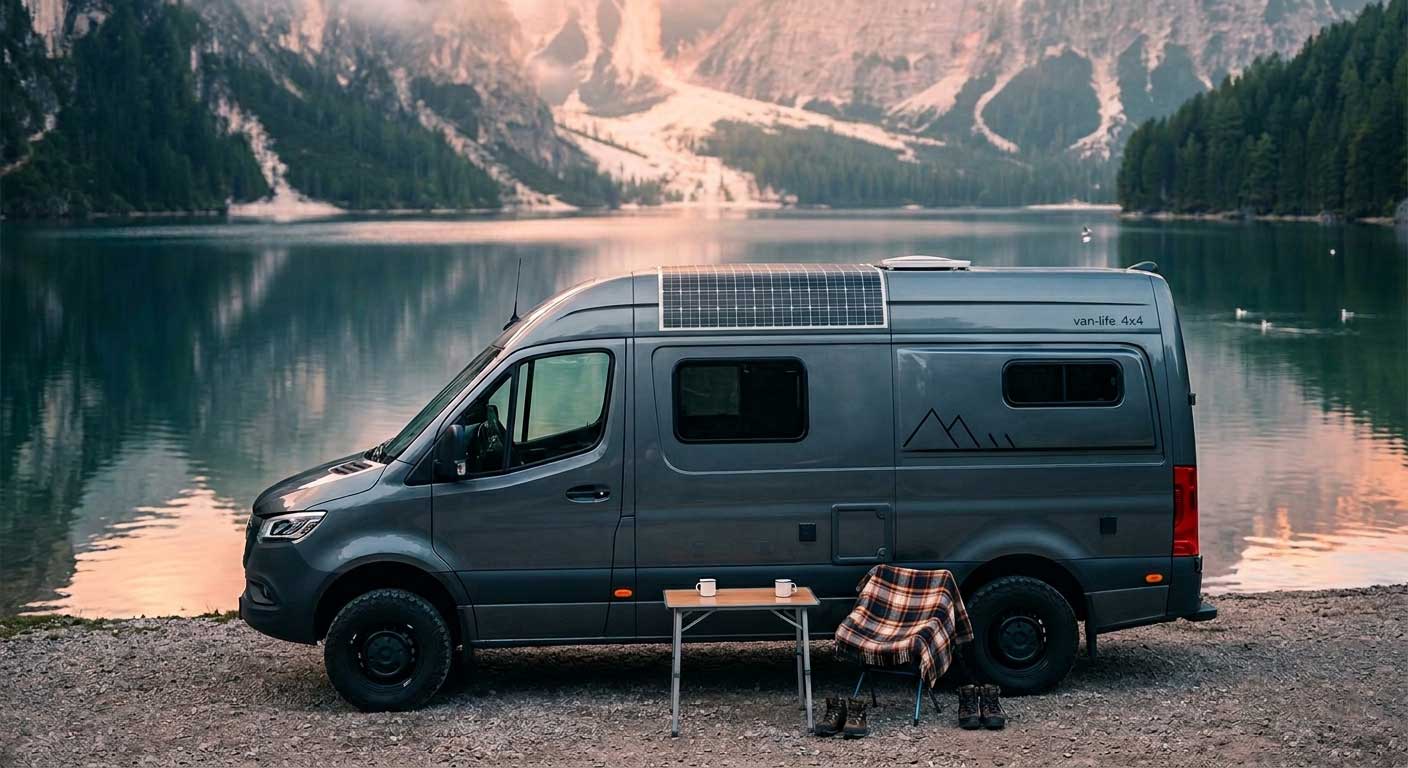
- Camper vans
- RV roofs
- Sailboats
- Fishing boats
- Utility trailers
- Mobile workstations
- Emergency response vehicles
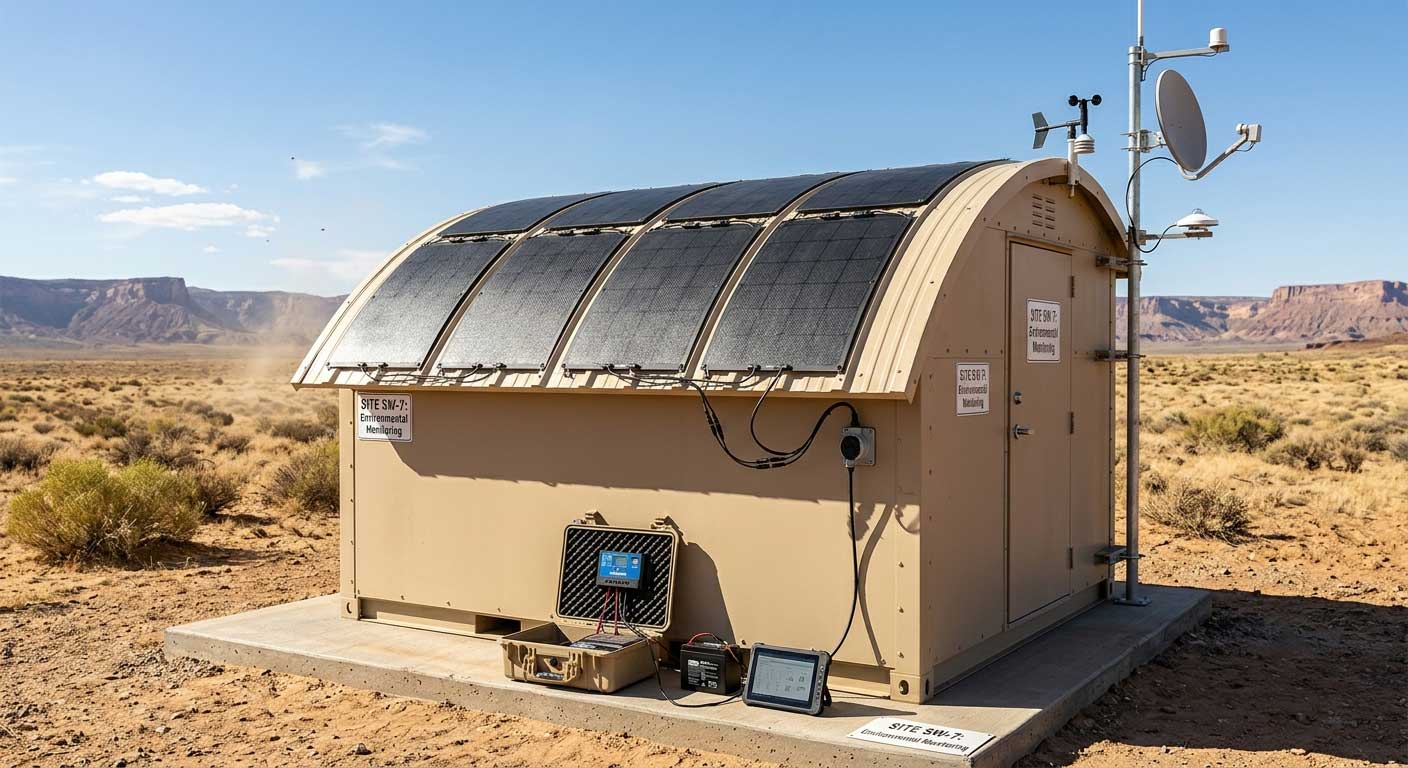
One project involved a remote communications trailer operating in western Texas.
Weight restrictions prevented the use of traditional framed modules.
Flexible panels provided enough charging capacity to keep communication equipment operating continuously.
Would rigid panels have produced slightly more power?
Possibly.
Could they have been installed easily?
Not likely.
Performance should always be measured against real-world requirements.
Not laboratory comparisons.
How Efficient Are Modern Flexible Solar Panels?
Efficiency has improved dramatically.
A decade ago, many flexible solar panels sacrificed significant performance for portability.
Today’s premium monocrystalline flexible panels are much more competitive.
According to the National Renewable Energy Laboratory (NREL), monocrystalline solar technology remains among the most efficient commercially available photovoltaic technologies.
Source:
https://www.nrel.gov
Many quality flexible panels now use:
- Monocrystalline PERC cells
- Half-cut cell designs
- ETFE protective surfaces
- Advanced lamination techniques
The result is significantly better energy production compared with earlier generations.
For RV owners and boat operators with limited roof space, that improvement matters.
Every watt counts.
Efficiency Isn’t Everything
One common mistake is focusing only on efficiency ratings.
In practice, installation opportunities often matter more.
A 200W flexible panel mounted successfully on a curved roof can outperform a 250W rigid panel that never gets installed because of weight or space limitations.
Real-world performance is often more complicated than specifications suggest.
Durability: The Area Buyers Worry About Most
When customers ask me whether flexible solar panels are “good,” durability is usually what they really mean.
That’s understandable.
Early flexible panels developed a mixed reputation.
Some aged poorly.
Some experienced surface discoloration.
Others suffered from delamination after years of UV exposure.
The industry has improved substantially.
Today’s premium models commonly use ETFE surfaces rather than older PET materials.
Benefits include:
- Better UV resistance
- Improved scratch resistance
- Enhanced weather protection
- Greater saltwater durability
- Longer service life
According to DuPont material performance data, ETFE films maintain excellent transparency and environmental resistance after prolonged outdoor exposure.
Source:
https://www.dupont.com
The difference between a low-cost PET panel and a premium ETFE panel is often more significant than buyers realize.
Weight Savings Can Change an Entire Project
One specification rarely receives enough attention.
Weight.
A typical 100W flexible panel may weigh less than 5 pounds.
A comparable framed glass panel can weigh more than 15 pounds.
For stationary rooftop installations, that difference may not matter.
For moving vehicles, it often does.
One fleet operator we worked with reduced roof-mounted equipment weight by more than 100 pounds across multiple service vehicles after transitioning to lightweight solar solutions.
The power output remained similar.
The installation became simpler.
Fuel efficiency improved slightly as well.
Not dramatic.
But measurable.
The Biggest Limitation of Flexible Solar Panels
No technology is perfect.
Flexible solar panels have trade-offs.
The most significant challenge is heat.
Because flexible panels typically sit directly against the mounting surface, airflow underneath is limited.
Higher operating temperatures can slightly reduce efficiency.
The International Energy Agency (IEA) notes that photovoltaic performance declines as cell temperatures rise above standard testing conditions.
Source:
https://www.iea.org
That doesn’t make flexible panels ineffective.
It simply means installation quality matters.
The best-performing systems often incorporate thoughtful mounting methods and premium materials designed to tolerate elevated temperatures.
What Experienced Installers Have Learned
After reviewing hundreds of installations, I’ve noticed something interesting.
The happiest customers rarely talk about efficiency percentages.
They talk about convenience.
They talk about weight savings.
They talk about finally being able to install solar where rigid panels wouldn’t fit.
A boat owner values flexibility.
A camper van owner values aerodynamics.
A remote monitoring operator values simplicity.
Flexible solar panels succeed because they solve practical problems.
That’s why demand continues growing despite the availability of traditional panels.
FAQ:How Good Are Flexible Solar Panels?
How good are flexible solar panels compared with rigid panels?
Flexible solar panels are excellent for curved surfaces, lightweight applications, and mobile installations, while rigid panels generally offer longer lifespans and slightly better cooling.
Are flexible solar panels worth buying?
Yes. They are often worth buying for RVs, boats, camper vans, and other applications where weight and installation flexibility are important.
How long do flexible solar panels last?
High-quality ETFE flexible solar panels commonly last 10–20 years when installed correctly and maintained properly.
Are flexible solar panels efficient?
Modern monocrystalline flexible solar panels offer strong efficiency levels and significantly outperform many earlier flexible solar technologies.
Are flexible solar panels good for boats?
Yes. Marine environments remain one of the most popular applications because flexible panels adapt well to curved surfaces and minimize wind resistance.
Final Thoughts
So, how good are flexible solar panels?
For RV owners, boat operators, camper van travelers, and off-grid users, they are often one of the most practical solar solutions available. Modern monocrystalline technology, lightweight construction, and improved ETFE materials have transformed flexible solar panels from a niche product into a proven energy solution. When matched with the right application, flexible solar panels can deliver reliable performance that far exceeds what their thin profile might suggest.
Related recommendations
-

how many kwh will a solar panel produce?
8A 400W solar panel can generate about 1.6 kWh with four equivalent full-sun hours, before system losses. Actual daily production depends on sunlight, weather...
View details -
What Is the Price of Solar Panels?
157What is the price of solar panels? Learn real solar panel costs, pricing factors, system expenses, and expert buying insights from Bright Solar.
View details -
How Much Do Flexible Solar Panels Weight?
212How much do flexible solar panels weight in real-world applications? Discover actual panel weights, weight savings versus rigid panels, and RV and marine installation benefits.
View details -
How Much Is One Solar Panel?
143How much is one solar panel? Learn current panel prices, cost factors, wattage differences, and expert buying tips from Bright Solar for better decisions.
View details