Flexible solar panel 200w home: Lightweight Solar Power for Modern Homes
A flexible solar panel 200w home system provides lightweight solar power for residential backup energy, small rooftops, balconies, and off-grid household applications. A 200W flexible panel can typically generate about 600Wh–1000Wh of electricity per day depending on sunlight conditions and installation location.
At Bright Solar, we often hear homeowners say:
“I want solar power, but my roof is not designed for traditional panels.”
That sentence explains why flexible solar technology has become more interesting for residential applications.
Not every home has a large south-facing roof.
Some houses have:
- Small roof areas
- Curved structures
- Balcony spaces
- Lightweight construction
- Restrictions on drilling or heavy mounting systems
When we discuss a flexible solar panel 200w home solution with customers, the conversation is usually not about replacing a full rooftop solar system.
It is about adding practical solar generation where conventional panels are inconvenient.
After working with flexible photovoltaic products for residential and mobile applications, our team at Bright Solar has seen a clear pattern:
Smaller solar systems are often successful when they solve a specific energy problem.
What is a flexible solar panel 200w home system?
A flexible solar panel 200W home system uses lightweight photovoltaic technology to generate electricity while allowing easier installation compared with traditional rigid modules.
A typical 200W flexible solar panel includes:
| Component | Function |
|---|---|
| Monocrystalline solar cells | Convert sunlight into electricity |
| ETFE protective layer | Protect against UV and weather |
| Flexible backing material | Allows installation on curved surfaces |
| Junction box | Provides electrical connection protection |
| Bypass diodes | Reduce power loss from shading |
The main difference is the structure.
Traditional residential solar panels usually use:
- Tempered glass
- Aluminum frames
- Heavy mounting rails
Flexible panels replace much of this rigid structure with lighter materials.
This creates advantages for:
- Small homes
- Apartments
- RV-home combinations
- Garden buildings
- Emergency backup systems
According to the U.S. Department of Energy, residential photovoltaic system performance depends on factors including sunlight availability, orientation, shading, and system design.
Source:
U.S. Department of Energy – Solar Photovoltaic System Design
https://www.energy.gov/energysaver/solar-photovoltaic-system-design
Why homeowners choose 200W flexible solar panels
A 200W flexible solar panel is not designed to compete directly with large rooftop solar arrays.
Its value comes from flexibility.
Many homeowners have energy needs that do not require a 10kW system.
Examples:
- Keeping communication devices running during outages
- Charging batteries
- Powering garden equipment
- Supporting outdoor lighting
- Running small appliances
A homeowner in California contacted Bright Solar because he wanted solar power for a backyard workshop.
The building roof was made from lightweight material and could not easily support standard glass panels.
The original quotation for a rigid solar installation included:
- Additional roof reinforcement
- Aluminum mounting structure
- More installation labor
After switching to flexible modules:
- Installation time decreased from two days to several hours
- Roof modification was avoided
- The system remained visually cleaner
The customer was not trying to power the entire house.
He wanted reliable electricity in a space that previously had none.
This is where flexible solar makes sense.
How much electricity can a 200W flexible solar panel produce at home?
The actual output of a flexible solar panel depends on:
- Geographic location
- Weather conditions
- Installation angle
- Temperature
- Shading
The basic calculation is:
Daily Energy Output = Panel Wattage × Peak Sun Hours × System Efficiency
For a 200W flexible solar panel:
| Location | Estimated Daily Energy |
|---|---|
| Arizona, USA | 0.9–1.1kWh/day |
| Germany | 0.5–0.8kWh/day |
| Australia | 0.9–1.2kWh/day |
A 200W system may support:
| Home Application | Suitable Usage |
|---|---|
| LED lighting | Yes |
| Wi-Fi router backup | Yes |
| Phone/laptop charging | Yes |
| Small DC refrigerator | Possible |
| Air conditioning | Not recommended |
The National Renewable Energy Laboratory (NREL) provides solar resource data showing that energy production varies significantly depending on location and solar conditions.
Source:
National Renewable Energy Laboratory Solar Resource Maps
https://www.nrel.gov/gis/solar-resource-maps.html
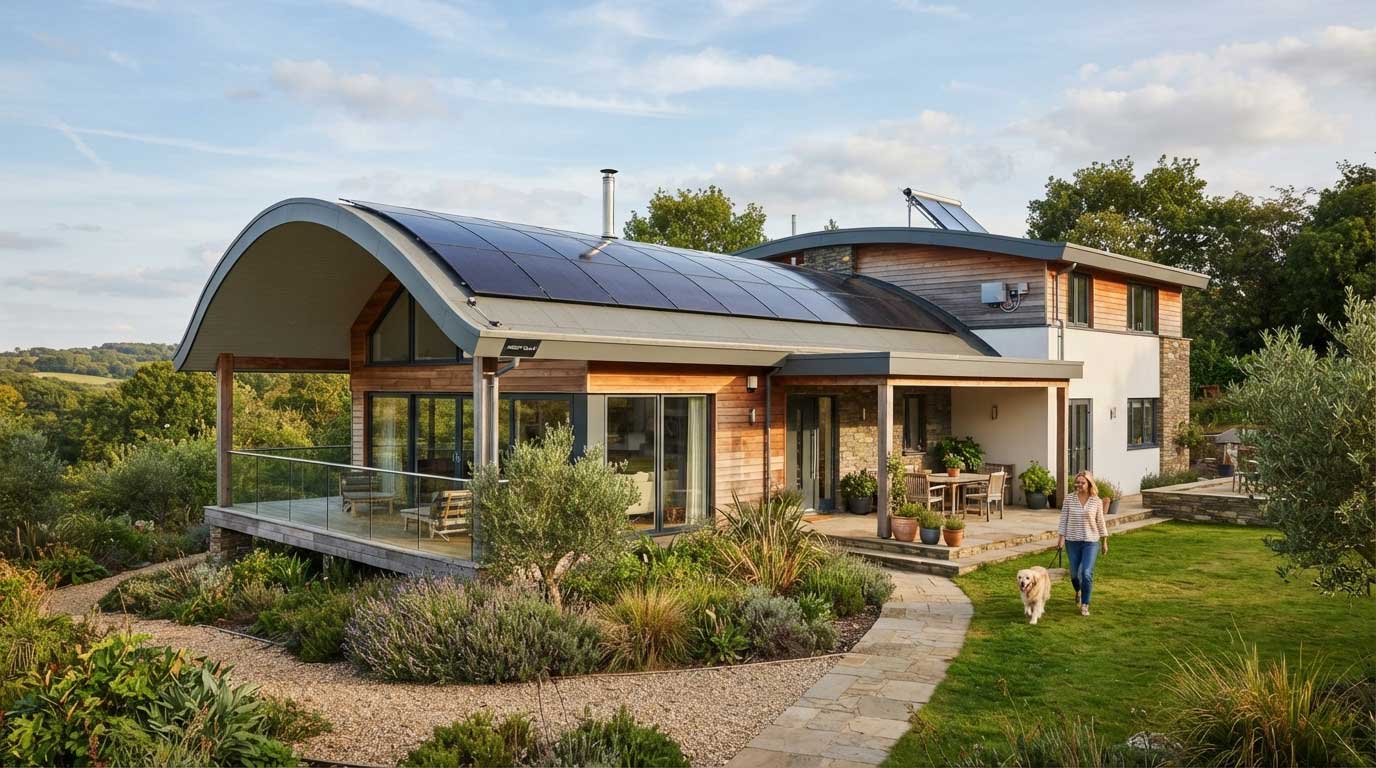
Flexible solar panel 200W compared with traditional home solar panels
The biggest difference between flexible and rigid solar panels is not only power output.
It is installation freedom.
| Feature | Flexible Solar Panel 200W | Traditional Solar Panel |
|---|---|---|
| Weight | Lightweight | Heavier |
| Surface requirement | Curved and unusual surfaces possible | Mainly flat roofs |
| Installation | Easier for small projects | Requires mounting system |
| Mobility | High | Low |
| Best applications | Small homes, backup, special areas | Full rooftop solar systems |
A homeowner choosing solar should consider:
- Available space
- Roof structure
- Energy requirements
- Future expansion plans
A flexible 200W panel may not replace a complete residential solar system.
However, it can provide electricity in locations where traditional panels are impractical.
Materials and durability of Bright Solar flexible panels
Residential solar equipment must survive years of outdoor exposure.
A panel installed at home experiences:
- UV radiation
- Rain
- Temperature changes
- Dust
- Seasonal weather
Bright Solar focuses on protective materials because flexible solar products are often installed in locations where maintenance is difficult.
Important design considerations include:
- UV resistance
- Waterproof protection
- Surface durability
- Reliable electrical connections
The International Energy Agency (IEA) highlights that photovoltaic reliability depends on module quality, environmental exposure, and installation practices.
Source:
International Energy Agency – Solar PV Tracking Report
https://www.iea.org/reports/solar-pv
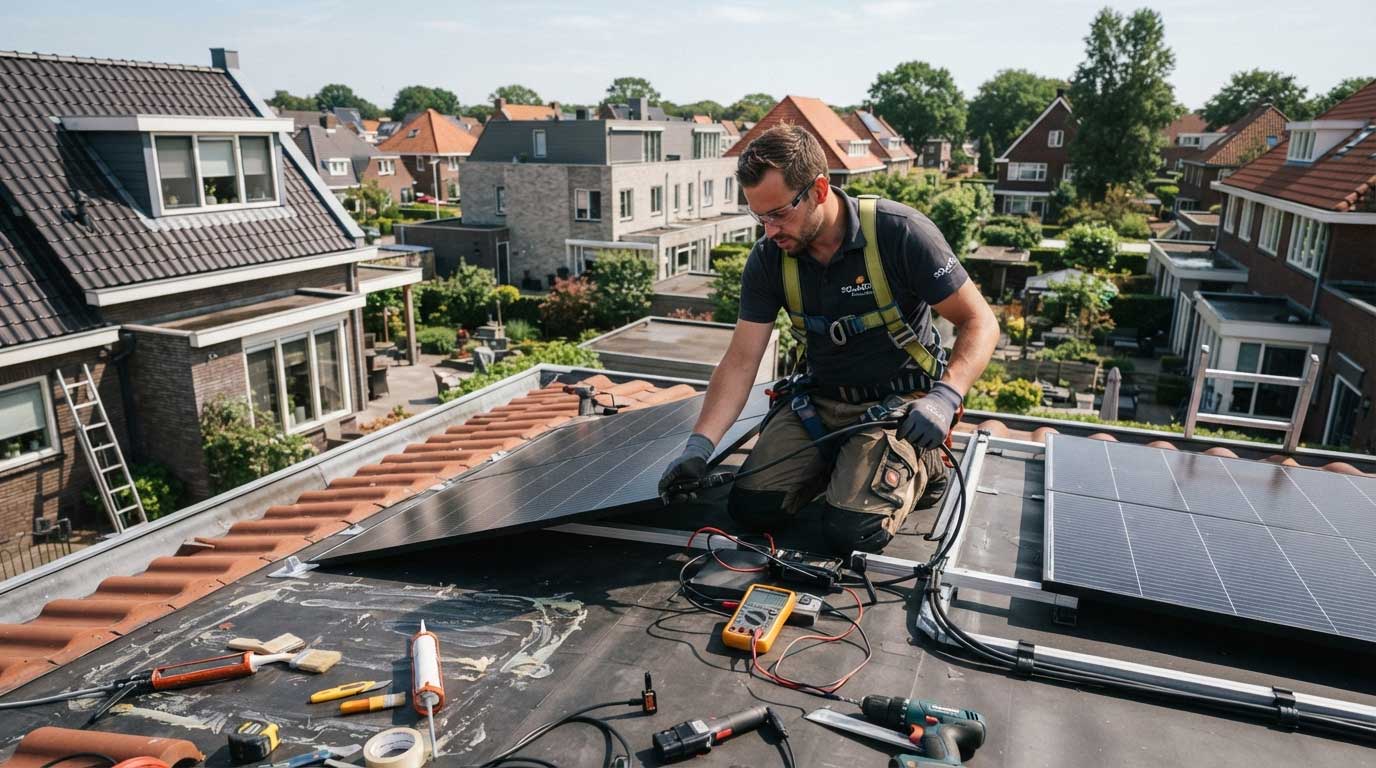
How to install a flexible solar panel 200w home system
One advantage of a flexible solar panel 200w home system is the simpler installation process compared with traditional glass solar modules.
However, flexible does not mean careless.
A good installation still requires planning.
At Bright Solar, we usually recommend homeowners follow four important steps before connecting the system.
Step 1: Select the best installation location
The first decision is not where the panel fits.
It is where the panel receives the most useful sunlight.
Before installation, check:
- Direct sunlight hours
- Nearby trees or buildings
- Roof orientation
- Seasonal shading
- Cable routing distance
A small solar panel in a high-quality location can outperform a larger panel installed in a shaded area.
For example, a homeowner in Oregon planned to install a flexible solar panel on a backyard shed.
The shed roof was convenient, but afternoon shading reduced solar exposure.
After moving the panel to a south-facing fence structure:
- Daily production improved
- Cable routing became shorter
- Maintenance became easier
The installation location mattered more than the original mounting idea.
Step 2: Prepare the mounting surface
Before attaching a flexible solar panel, the surface must be properly prepared.
Recommended preparation:
- Clean the installation area
- Remove dust and grease
- Ensure the surface is completely dry
- Check adhesion compatibility
Common installation surfaces include:
- Metal roofs
- RV roofs
- Composite materials
- Small home structures
- Balcony systems
One issue we have seen during field feedback is poor surface preparation.
A flexible solar panel may be high quality, but if installation conditions are ignored, performance problems can appear later.
The panel and the installation environment must work together.
Step 3: Connect the electrical system correctly
A 200W flexible solar panel normally connects with:
- Solar charge controller
- Battery storage system
- Inverter (if AC power is required)
- Monitoring equipment
For home backup applications, many users combine flexible panels with:
- LiFePO4 batteries
- Portable power stations
- Off-grid controllers
The solar panel provides energy generation.
The battery determines when that energy can be used.
Step 4: Test system performance
After installation, check:
- Voltage output
- Charging current
- Battery charging status
- Connection temperature
- Cable protection
A simple monitoring system can help identify:
- Shading problems
- Loose connections
- Unexpected performance drops
For residential users, monitoring turns solar from a “set and forget” product into an energy system that can be improved over time.
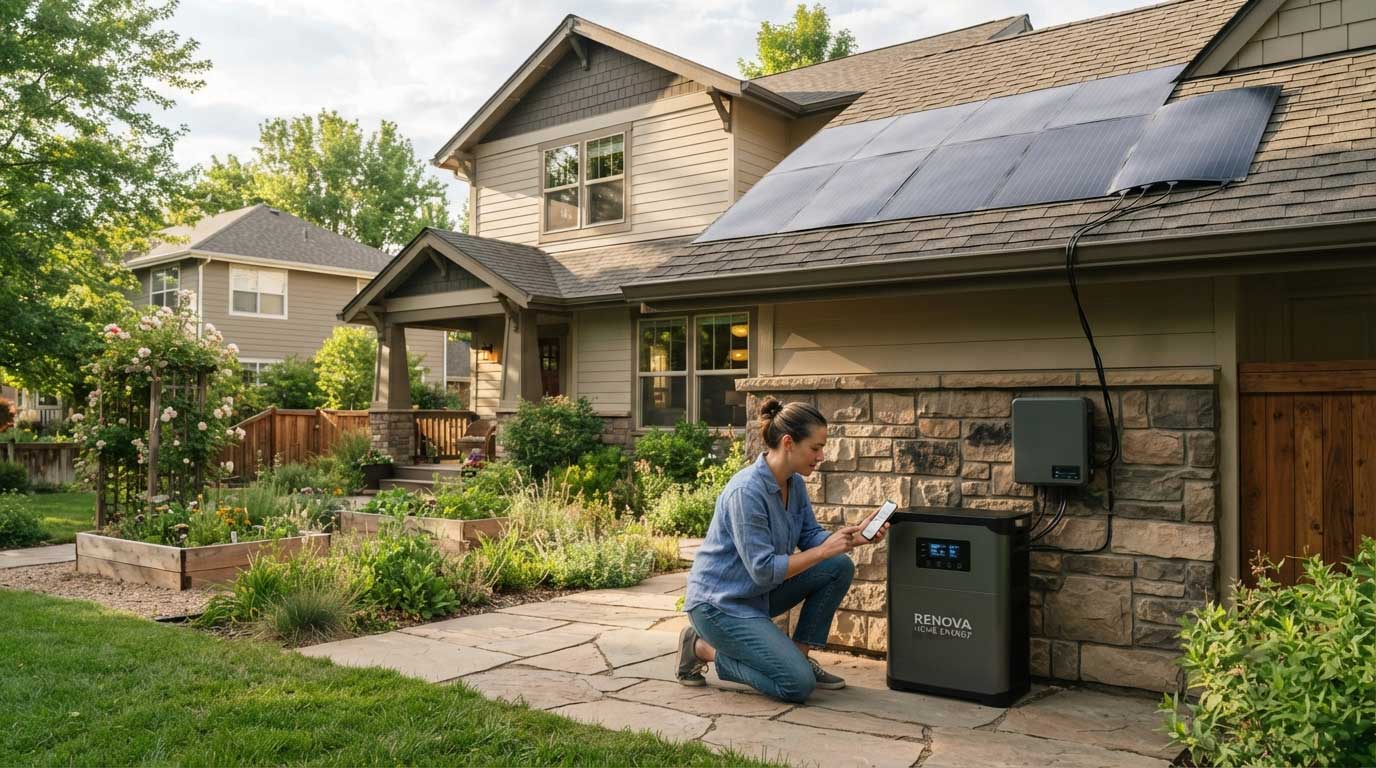
Best home applications for a 200W flexible solar panel
A 200W flexible solar panel is suitable for many residential situations where traditional rooftop solar is not practical.
Small homes and cabins
Remote cabins often have limited electricity access.
A flexible solar panel system can support:
- Lighting
- Communication devices
- Small electronics
- Battery charging
For seasonal properties, a lightweight solar system can provide basic energy without installing a complete grid-connected system.
Balcony solar applications
In urban areas, many residents do not own large rooftop spaces.
Flexible panels can provide an option for:
- Apartments with balconies
- Rental properties
- Small outdoor spaces
However, users should always check local regulations before installing solar equipment on shared buildings.
Home emergency backup power
Power outages are becoming a concern in many regions.
A 200W flexible solar system combined with battery storage can support:
- Mobile phones
- Internet routers
- Emergency lighting
- Small communication equipment
It is not designed to replace a whole-house generator.
Instead, it provides targeted energy support when electricity is unavailable.
Garden buildings and workshops
Many homeowners have outdoor spaces that need independent power.
Examples:
- Garden offices
- Workshops
- Storage buildings
- Greenhouses
A flexible solar panel can avoid complex electrical installation and provide independent renewable energy.
How much does a flexible solar panel 200w home system cost?
The cost depends on:
- Solar cell technology
- Protective materials
- Brand quality
- Accessories
- Installation method
Typical market pricing:
| System Type | Estimated Price Range |
|---|---|
| 200W flexible panel only | $180–$350 |
| Panel + controller kit | $250–$500 |
| Complete battery backup system | $500–$1,200+ |
A lower purchase price does not always mean lower total cost.
For home applications, consider:
- Product lifespan
- Warranty support
- Installation difficulty
- Replacement cost
A panel that fails after installation may require removing adhesives, replacing cables, and repeating labor.
That hidden cost is often ignored during the initial purchase decision.
Maintenance tips for flexible solar panel 200W systems
Flexible solar panels require relatively low maintenance, but regular checks improve long-term performance.
Recommended maintenance:
Clean the surface regularly
Dust, leaves, and bird residue can reduce sunlight reaching the solar cells.
Cleaning frequency depends on:
- Local climate
- Installation angle
- Surrounding environment
Check electrical connections
Inspect:
- Cable condition
- Connector protection
- Junction box area
Outdoor electrical connections should remain protected from moisture.
Monitor power output
A sudden production decrease may indicate:
- New shading
- Connection issues
- Surface contamination
Simple monitoring helps homeowners identify problems early.
FAQ About Flexible Solar Panel 200W Home Systems
Can a flexible solar panel 200w home system power a house?
A 200W flexible solar panel can support small household devices and backup applications, but it is usually not designed to power an entire home. Larger systems are required for full residential energy needs.
How much electricity does a 200W flexible solar panel produce?
Production depends on location and sunlight. Under good conditions, a 200W panel may generate around 600Wh to 1000Wh per day.
Are flexible solar panels suitable for home rooftops?
Yes. They are especially useful for lightweight roofs, unusual surfaces, and locations where traditional mounting systems are difficult.
Can I install a 200W flexible solar panel myself?
Some small systems can be installed by experienced homeowners. However, electrical connections and waterproof protection should be handled carefully.
How long does a flexible solar panel last?
The lifespan depends on materials, environmental conditions, and installation quality. High-quality flexible solar panels are designed for long-term outdoor operation.
Is a 200W flexible solar panel better than a traditional solar panel?
It depends on the application. Flexible panels provide advantages in weight and installation flexibility, while rigid panels may offer higher efficiency for large fixed systems.
Can a flexible solar panel work on cloudy days?
Yes. Solar panels can still generate electricity in cloudy conditions, although output will be lower than under direct sunlight.
Final Thoughts: Choosing a Flexible Solar Panel 200W Home Solution
A flexible solar panel 200w home system is not designed to replace every traditional solar installation.
Its value comes from solving specific residential challenges.
For homeowners who need:
- Lightweight solar power
- Simple installation
- Portable energy
- Backup electricity
- Solar solutions for unusual spaces
a flexible 200W panel provides a practical option.
At Bright Solar, our experience shows that successful solar projects start with understanding the application first.
A homeowner’s roof, energy habits, and installation environment are different.
The best solar solution is not always the largest one.
Sometimes it is the panel that fits where others cannot.
Related recommendations
-

Parallel vs Series Solar Panels: Which Wiring Method Actually Performs Better?
125Learn the differences between parallel vs series solar panels. Compare voltage, current, shading performance, efficiency, and real-world applications to choose the best solar wiring method.
View details -
solar panel 12v 40w flexible (Real Micro Energy Guide from Bright Solar)
221solar panel 12v 40w flexible explained with real RV and boat use cases, low-power system behavior, charging data, and installation insights for off-grid setups.
View details -
Solar Panels Series or Parallel: Which Wiring Method Works Better?
114Learn whether solar panels series or parallel wiring is better for RVs, boats, homes, and off-grid systems. Compare efficiency, shading, and performance.
View details -
Flat Flexible Solar Panels: Uses, Benefits and Installation Guide
64Flat flexible solar panels offer lightweight, low-profile power for selected RV, boat, campervan, and off-grid installations where rigid modules may be diffi...
View details