flexible 400w solar panel: Lightweight High-Power Solar Solution for RV, Marine and Off-Grid Use
A flexible 400w solar panel is a lightweight photovoltaic solution designed to deliver 400 watts of solar power while fitting curved, mobile, and space-limited surfaces. It is widely used for RVs, boats, portable systems, and off-grid applications where traditional rigid panels are difficult to install.
When customers ask us whether a flexible 400W panel can replace a conventional solar module, the answer depends on the application. In our experience at Bright Solar, the biggest advantage is not only the wattage. It is the ability to install reliable solar power where weight, shape, and mounting limitations become the real challenges.
Over the past years, we have worked with flexible solar projects for recreational vehicles, marine equipment, outdoor power systems, and customized OEM applications. One thing became clear during field testing: a solar panel that produces more power but cannot fit the installation environment is not always the better solution.
A well-designed flexible 400w solar panel balances output, weight, durability, and installation freedom.
What is a flexible 400w solar panel?
A flexible 400w solar panel is a photovoltaic module capable of producing up to 400 watts of peak power under Standard Test Conditions (STC), while using a flexible construction that allows installation on curved or irregular surfaces.
Unlike traditional glass solar panels, flexible solar modules usually replace heavy glass layers with lightweight composite materials. This makes them suitable for applications where every kilogram matters.
The main structure normally includes:
| Component | Purpose |
|---|---|
| Monocrystalline solar cells | Convert sunlight into electrical energy |
| ETFE protective layer | Protects against UV radiation, scratches, and weather exposure |
| Flexible substrate | Provides lightweight bending capability |
| Conductive circuits | Transfers electrical current |
| Junction box | Connects the solar module with the system |
According to the National Renewable Energy Laboratory (NREL), photovoltaic module performance is affected by factors including solar radiation, temperature, system design, and installation conditions.
This is why professional solar selection should focus on the complete operating environment rather than only looking at rated wattage.
A 400W flexible solar panel installed correctly on a curved RV roof may deliver better practical value than a higher-rated rigid panel that cannot use the available surface efficiently.
Why choose a flexible 400w solar panel?
Many customers originally compare solar panels based only on power output. However, after discussing real projects with installers and end users, we found that installation limitations often determine the final product choice.
A flexible 400W solar panel provides several practical benefits.
Lightweight design for mobile solar systems
Weight reduction is one of the strongest reasons people choose flexible solar technology.
Traditional framed panels typically include:
- Tempered glass
- Aluminum frame
- Heavy mounting structures
Flexible modules remove many of these components.
This creates advantages for:
- RV owners
- Camper manufacturers
- Marine operators
- Portable energy suppliers
For example, a camper conversion company in Germany contacted Bright Solar because their customers wanted more solar capacity but had limited roof loading capability.
Their previous design used several rigid panels. The issues were:
- Additional mounting rails increased weight.
- Roof drilling created more waterproofing concerns.
- Curved roof sections remained unused.
After switching to flexible solar modules, the installation team reported approximately 25–30% less mounting work during the installation process.
The biggest improvement was not simply reducing weight. The installers could use more available roof area without changing the vehicle structure.
How much power can a flexible 400w solar panel produce?
A flexible 400w solar panel can generate different amounts of electricity depending on location, sunlight hours, temperature, and system efficiency.
The basic calculation is:
Daily Energy Production = Panel Wattage × Peak Sun Hours × System Efficiency
Example:
400W panel × 5 peak sunlight hours × 80% system efficiency
= approximately 1.6 kWh per day
In good conditions, this amount of energy can support many mobile and off-grid applications.
Typical uses include:
| Application | Possible Energy Support |
|---|---|
| RV travel | Refrigerator, lights, mobile devices |
| Marine systems | Navigation equipment, communication devices |
| Camping | Portable batteries and outdoor appliances |
| Remote monitoring | Sensors and communication equipment |
The U.S. Department of Energy Solar Energy Technologies Office explains that actual photovoltaic output depends on solar resource availability, system orientation, shading, and equipment efficiency.
Therefore, a professional solar design always considers the complete installation environment.

Key technologies behind a high-performance flexible 400w solar panel
A 400W flexible solar panel is not simply a smaller version of a traditional solar module. Achieving high output in a lightweight structure requires careful engineering.
At Bright Solar, flexible panel development focuses on balancing three important factors:
- Power density
- Mechanical flexibility
- Outdoor durability
Improving one area often creates challenges in another.
For example, adding thicker protective materials may increase durability but also increases weight. Reducing material thickness may lower weight but requires better manufacturing control.
Monocrystalline cells for higher energy conversion
Most modern flexible solar panels use monocrystalline photovoltaic cells because they provide higher conversion efficiency compared with older technologies.
This matters because flexible applications usually have limited installation space.
A boat roof, camper roof, or portable power system cannot always accommodate unlimited solar area.
Higher-efficiency cells allow manufacturers to produce more power from a smaller footprint.
For a 400W flexible solar panel, efficient cell selection helps achieve:
- Higher output per square meter
- Better performance in limited spaces
- Reduced system size
- Easier transportation
ETFE coating improves outdoor performance
Outdoor solar panels face continuous exposure to:
- UV radiation
- Rain
- Temperature changes
- Dust
- Mechanical impact
High-quality flexible solar modules often use ETFE surface layers because they provide strong transparency and weather resistance.
Bright Solar uses ETFE coating technology in selected flexible solar products to improve:
- Surface protection
- Light transmission
- Scratch resistance
- Long-term outdoor reliability
This is particularly important for marine and RV customers because replacing a poorly performing panel after installation can be expensive and inconvenient.
Flexible structure for difficult installation areas
Traditional solar panels require flat mounting surfaces.
Flexible modules can adapt to:
- Curved RV roofs
- Boat decks
- Portable structures
- Custom equipment surfaces
However, flexibility does not mean unlimited bending.
Every flexible solar panel has technical limits, including:
- Maximum bending radius
- Recommended installation method
- Weight pressure limitations
During product discussions, we often remind customers that correct installation is more important than simply choosing the most flexible product.
A panel installed beyond its mechanical limits may experience internal stress and reduced performance.
Real-world applications of flexible 400w solar panel
RV and camper solar systems
The RV market is one of the fastest-growing application areas for flexible solar technology.
Users typically want:
- Energy independence
- Lightweight equipment
- Clean installation appearance
- Reliable charging capability
A 400W flexible panel can work with:
- Lithium battery systems
- MPPT controllers
- Portable power stations
- DC appliances
For long-distance travelers, solar capacity often determines how long they can stay away from campsites and grid electricity.
Marine solar applications
Boats create unique solar installation challenges:
- Limited available space
- Curved surfaces
- Saltwater exposure
- Continuous movement
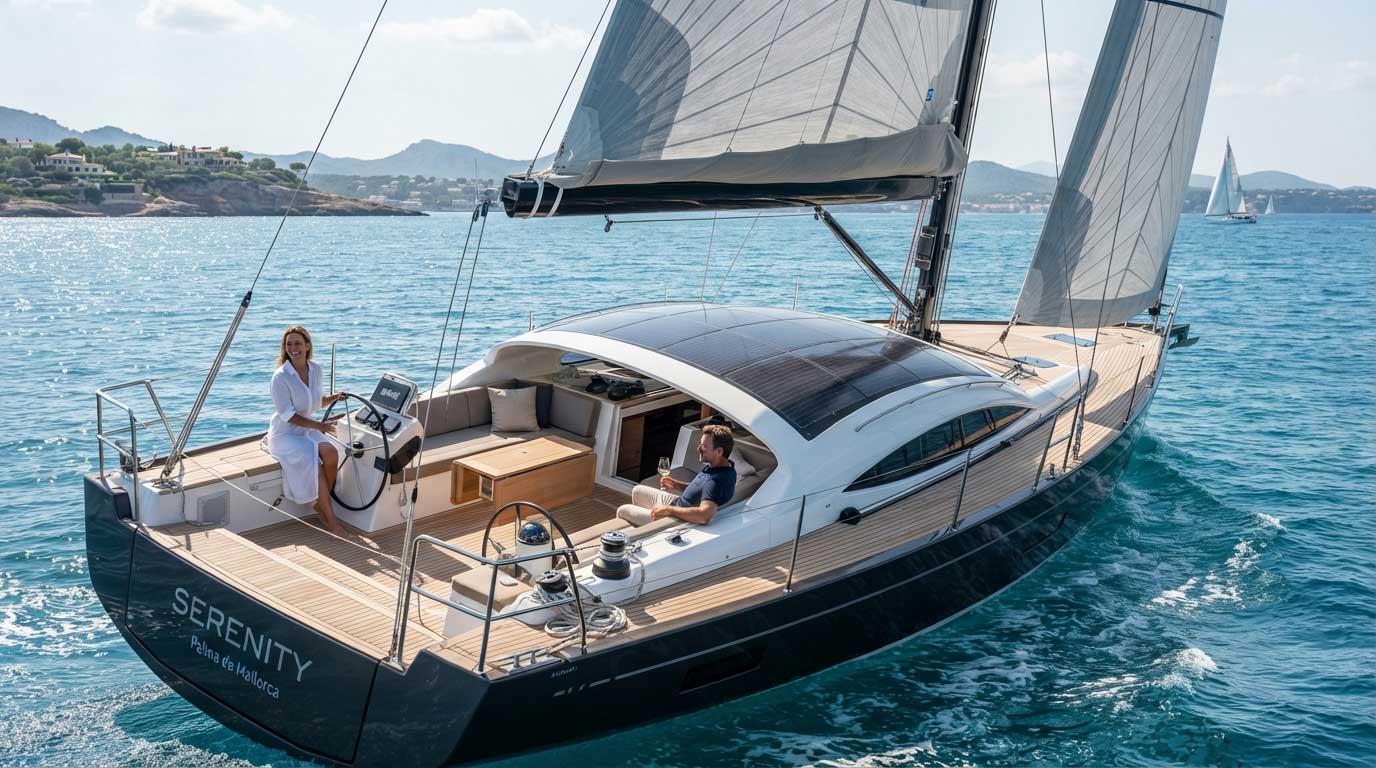
Flexible solar panels are often preferred because they integrate more naturally into marine designs.
A yacht owner may not want large framed panels blocking walking areas or affecting the appearance of the vessel.
How to install a flexible 400w solar panel correctly?
Installing a flexible 400w solar panel is different from installing a traditional framed solar module. The panel itself is lightweight, but the installation surface, adhesive method, wiring design, and environmental conditions determine the long-term performance.
From Bright Solar’s project experience, most installation problems are not caused by photovoltaic cells. They usually happen because the mounting surface was not prepared correctly or the electrical system was not matched properly.
A professional installation should focus on three areas:
- Mechanical attachment
- Electrical connection
- Environmental protection
Step 1: Check the installation location before mounting
Before installing a flexible 400W solar panel, evaluate:
- Available surface area
- Roof or deck curvature
- Shadow conditions
- Heat exposure
- Water drainage
- Cable routing space
For RV applications, avoid areas blocked by:
- Air conditioners
- Roof vents
- Antennas
- Storage racks
Even partial shading can reduce overall system performance because solar cells are connected in electrical circuits.
During a Bright Solar RV application review, one customer initially planned to place panels behind a roof ventilation unit. The available area looked sufficient, but afternoon shadows reduced actual output.
After repositioning the panel layout, the system gained noticeably better daily energy production without changing the panel model.
This experience shows why installation planning should happen before purchasing equipment.
Step 2: Prepare the mounting surface
A clean installation surface is critical for flexible solar panels.
Recommended preparation:
- Remove dust and debris
- Clean oil or grease
- Ensure the surface is completely dry
- Confirm material compatibility
Common installation surfaces include:
- Fiberglass RV roofs
- Aluminum boat decks
- Composite panels
- Outdoor equipment housings
For adhesive-mounted installations, surface preparation directly affects bonding strength.
A strong adhesive connection helps prevent:
- Panel movement
- Water penetration
- Mechanical stress
Step 3: Connect the solar electrical system
A 400W flexible solar panel normally works together with:
- Solar charge controller
- Battery storage
- Inverter system
The system design should consider:
| Parameter | Importance |
|---|---|
| Voltage | Determines controller compatibility |
| Current | Affects cable selection |
| Battery capacity | Controls stored energy availability |
| Inverter size | Determines appliance support |
For mobile applications, many installers prefer MPPT charge controllers because they can better optimize energy harvesting under changing sunlight conditions.
Flexible 400w solar panel vs traditional 400W rigid solar panel
Choosing between flexible and rigid solar panels depends on the project environment.
Both technologies have advantages.
| Comparison Factor | Flexible 400W Solar Panel | Rigid 400W Solar Panel |
|---|---|---|
| Weight | Lower | Higher |
| Installation surface | Curved and irregular surfaces | Flat surfaces |
| Transportation | Easier | Requires more protection |
| Mounting structure | Minimal or adhesive mounting | Rails and brackets often required |
| RV suitability | Excellent | Depends on roof design |
| Marine suitability | Excellent | More difficult |
| Large rooftop projects | Less common | Widely used |
For residential houses with large flat roofs, traditional solar panels remain the common choice.
However, for applications where weight and shape limitations matter, flexible technology offers advantages.
A camper van roof, for example, is not designed like a residential rooftop. The available area is limited, and every additional kilogram affects vehicle efficiency.
How much does a flexible 400w solar panel cost?
The cost of a flexible 400w solar panel depends on several technical factors:
- Solar cell quality
- Surface material
- Manufacturing process
- Waterproof design
- Certification requirements
- Order volume
Typical market pricing:
| Flexible Solar Panel Type | Approximate Price Range |
|---|---|
| Standard flexible panel | $180–$300 |
| Premium ETFE flexible panel | $300–$500 |
| Customized OEM flexible panel | Depends on specification |
A 400W flexible solar panel usually costs more per watt than standard rigid modules because flexible products require specialized materials and manufacturing processes.
According to data published by the International Energy Agency (IEA), solar photovoltaic costs have decreased significantly over the past decade due to manufacturing scale and technology improvements. However, specialized products such as flexible modules maintain higher pricing because of their unique design advantages.
When comparing suppliers, buyers should consider:
- Warranty period
- Material quality
- Manufacturing experience
- Real application feedback
- Technical support
A lower initial price may not represent the lowest lifetime cost.
Bright Solar case study: Flexible 400W solar panel for mobile energy applications
One practical project involved a European outdoor equipment company developing solar solutions for adventure vehicles.
The customer’s challenge:
They wanted to increase solar capacity but had three limitations:
- Limited roof space
- Curved vehicle surface
- Maximum weight requirements
The original concept used multiple rigid modules.
Problems appeared during testing:
- Additional brackets increased installation complexity.
- Some roof areas could not be used.
- The appearance was less integrated.
Bright Solar proposed a flexible solar solution.
The final design achieved:
| Project Improvement | Result |
|---|---|
| Roof utilization | Increased usable solar area |
| Installation components | Reduced |
| Vehicle appearance | More integrated |
| Installation process | Simplified |
The customer’s feedback was that the flexible design solved a space problem rather than simply a power problem.
This is an important difference.
In mobile solar applications, the best panel is often the one that fits the environment most effectively.
How to choose the best flexible 400w solar panel?
Before purchasing a flexible solar module, consider the following factors.
1. Check electrical specifications
Important specifications include:
- Maximum power output
- Open circuit voltage
- Operating voltage
- Short circuit current
- Operating temperature range
These values determine whether the panel matches your solar controller and battery system.
2. Evaluate material quality
A reliable flexible solar panel should provide information about:
- Surface coating
- Encapsulation technology
- Waterproof protection
- Junction box quality
Outdoor solar products experience thousands of environmental cycles during their service life.
Material selection directly affects reliability.
3. Consider manufacturer experience
A flexible solar supplier should understand different applications, including:
- RV systems
- Marine environments
- Portable energy
- OEM customization
Bright Solar develops flexible solar solutions for customers who require lightweight and adaptable photovoltaic products.
The company focuses on:
- Flexible solar panel manufacturing
- Customized solutions
- Outdoor application experience
- Stable photovoltaic performance
FAQ About flexible 400w solar panel
What can a flexible 400w solar panel power?
A flexible 400W solar panel can support RV appliances, marine equipment, portable batteries, lighting systems, communication devices, and small off-grid energy applications when combined with suitable storage equipment.
Is a flexible 400w solar panel suitable for RV roofs?
Yes. RV roofs are one of the most suitable applications because flexible panels reduce weight and can fit curved surfaces that are difficult for traditional framed modules.
How much electricity does a 400W flexible solar panel generate?
A 400W flexible solar panel may generate around 1.5–2 kWh per day under favorable sunlight conditions. Actual production depends on location, weather, orientation, and system efficiency.
Can flexible solar panels be installed on boats?
Yes. Flexible solar panels are commonly used in marine applications because they can adapt to curved deck areas and reduce installation weight.
Are flexible solar panels durable?
High-quality flexible solar panels using materials such as ETFE protective layers can provide strong outdoor durability. Proper installation is essential for long-term performance.
What is the lifespan of a flexible 400W solar panel?
The lifespan depends on product quality, materials, installation environment, and maintenance. Premium flexible modules are designed for long-term outdoor operation.
How do I maintain a flexible solar panel?
Maintenance usually includes:
- Cleaning surface dirt
- Checking cable connections
- Inspecting mounting areas
- Monitoring system output
Regular inspection helps maintain stable energy production.
Conclusion: Is a flexible 400w solar panel the right choice?
A flexible 400w solar panel provides a practical balance between power output, lightweight construction, and installation flexibility.
For RVs, boats, portable systems, and off-grid applications, the ability to install solar power on curved or limited surfaces can be more valuable than choosing a traditional panel with higher theoretical output.
Bright Solar continues developing flexible solar solutions designed for real-world environments where reliability, weight reduction, and design freedom matter.
Choosing the right flexible solar panel means looking beyond wattage. The best solution is the one that performs consistently in the environment where it will actually be used.
Related recommendations
-

flexible solar panels for van roof: Lightweight Solar Solution for Camper Conversions
108Explore flexible solar panels for van roof with lightweight design, easy installation, and reliable off-grid power solutions for camper conversions and travel vehicles.
View details -
Best Marine Solar Panels for Boats and Yachts
183Find the best marine solar panels for boats, yachts and RVs near the water. Compare flexible and rigid panels, salt-mist resistance, mounting, wiring and maintenance.
View details -
flexible solar panels for marine use: Lightweight Solar Power Solution for Boats and Yachts
97Explore flexible solar panels for marine use with lightweight design, waterproof protection, and reliable energy output for boats, yachts, and offshore applications.
View details -
450w Solar Panels: Output, Size and Applications
183450w solar panels deliver high power in limited space. Compare output, efficiency, dimensions, wiring and applications for RV, home and off-grid solar systems.
View details