Black on Black Solar Panels: Do They Really Combine Beauty and Performance?
Yes. Modern black on black solar panels deliver strong energy output while creating a cleaner, more uniform appearance than traditional silver-framed modules. For homeowners, RV builders, marine users, and architects, they often provide the best balance between visual appeal and long-term solar performance.
Not long ago, I stood on a residential project in Southern California where the homeowner had delayed installing solar for nearly three years.
The reason wasn’t cost.
It wasn’t efficiency.
It was appearance.
He pointed toward his newly renovated dark-gray roof and said:
“I don’t want my roof looking like an industrial warehouse.”
That conversation comes up far more often than many solar manufacturers admit.
After spending more than a decade working around photovoltaic systems, flexible solar technology, and lightweight energy solutions, I’ve noticed that purchasing decisions are increasingly driven by architecture as much as electricity production.Learn more:Flexible Solar Panel
That’s exactly where black on black solar panels entered the market.
What Are Black on Black Solar Panels?
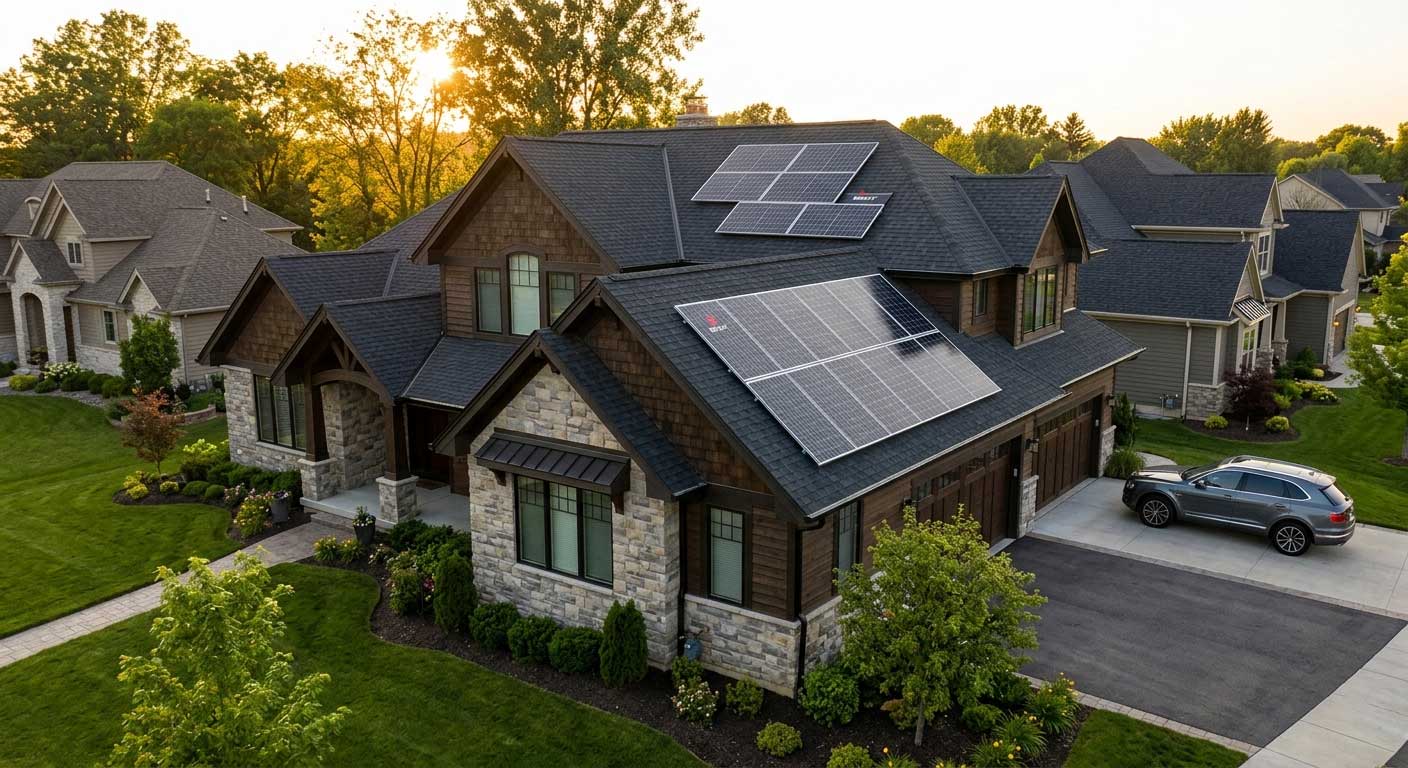
Traditional solar panels typically contain:
- Silver aluminum frames
- Visible silver busbars
- White backsheet materials
Black on black solar panels replace those visual elements with darker components:
| Component | Traditional Panel | Black on Black Panel |
|---|---|---|
| Frame | Silver Aluminum | Black Anodized Frame |
| Backsheet | White | Black |
| Cell Appearance | Mixed Colors | Uniform Black |
| Roof Visibility | High | Low |
| Architectural Appeal | Standard | Premium |
The result isn’t subtle.
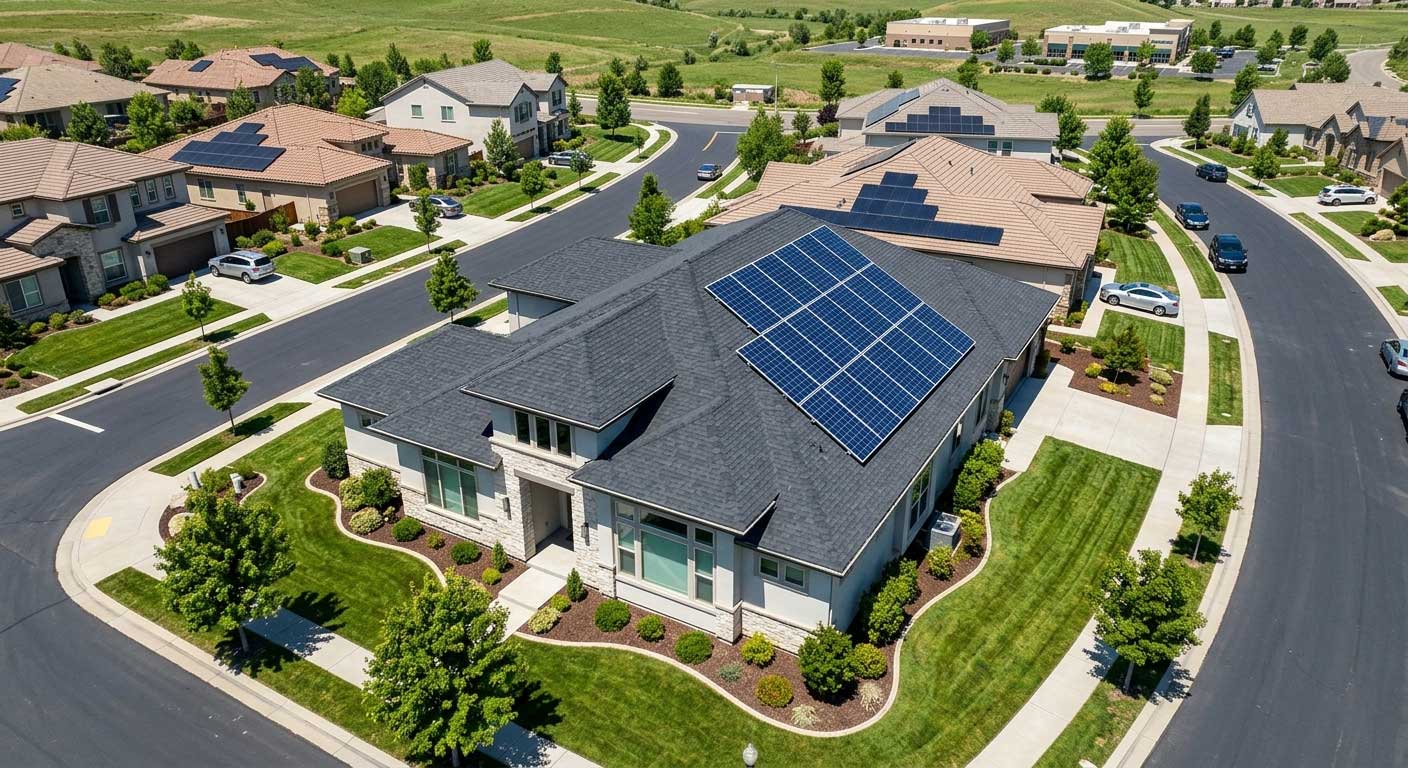
Viewed from the street, the array often appears as a single integrated surface rather than dozens of individual modules.
For modern homes, that visual difference can be dramatic.
Why Homeowners Are Choosing Black on Black Solar Panels
Energy savings may start the conversation.
Appearance often closes the sale.
According to the U.S. Department of Energy’s Solar Energy Technologies Office, residential solar adoption continues to grow as homeowners seek both energy independence and property value improvements.
Yet when installers conduct consultations, aesthetics remain one of the most common concerns among homeowners.
I’ve personally seen projects approved only after switching from standard silver-framed modules to all-black designs.
Not because output increased.
Because resistance disappeared.
A homeowner can accept a 1–2% performance difference.
What they struggle with is looking at something they dislike every day.
Do Black on Black Solar Panels Produce Less Power?
This question comes up constantly.
The short answer:
Not enough to matter in most real-world installations.
Years ago, black backsheets could slightly increase operating temperature.
Higher temperatures reduce photovoltaic efficiency.
According to the U.S. Department of Energy’s National Renewable Energy Laboratory (NREL), solar cell performance decreases as cell temperature rises.
However, modern cell technologies have narrowed that gap substantially.
Today’s premium black modules commonly feature:
- PERC cells
- TOPCon technology
- Half-cut cells
- Multi-busbar architecture
- Advanced anti-reflective coatings
In practical field conditions, the difference between premium black modules and standard modules is often negligible.
For many homeowners, the visual gain outweighs the tiny efficiency variation.
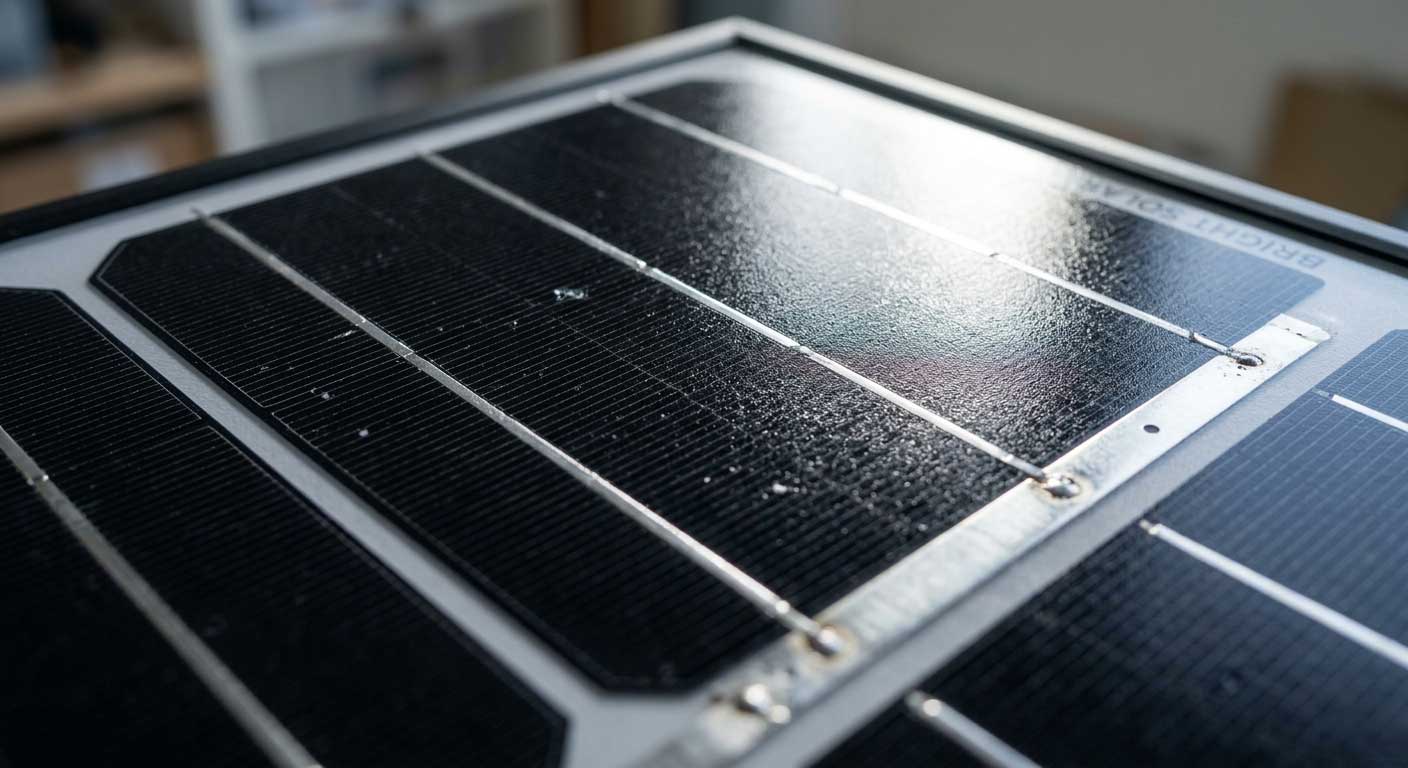
Where Black on Black Solar Panels Make the Most Sense
Not every project prioritizes aesthetics equally.
Some applications benefit far more than others.
Residential Homes
This remains the largest market.
Especially for:
- Dark asphalt roofs
- Slate roofs
- Architectural metal roofs
- Contemporary home designs
Luxury Villas
Architects increasingly specify black modules because visual integration matters.
A multi-million-dollar property rarely wants industrial-looking equipment on the roof.
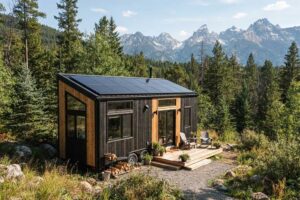
Tiny Homes
Tiny home builders face unique design constraints.
Every visible component matters.
Black modules blend naturally into compact structures.
Premium RV Conversions
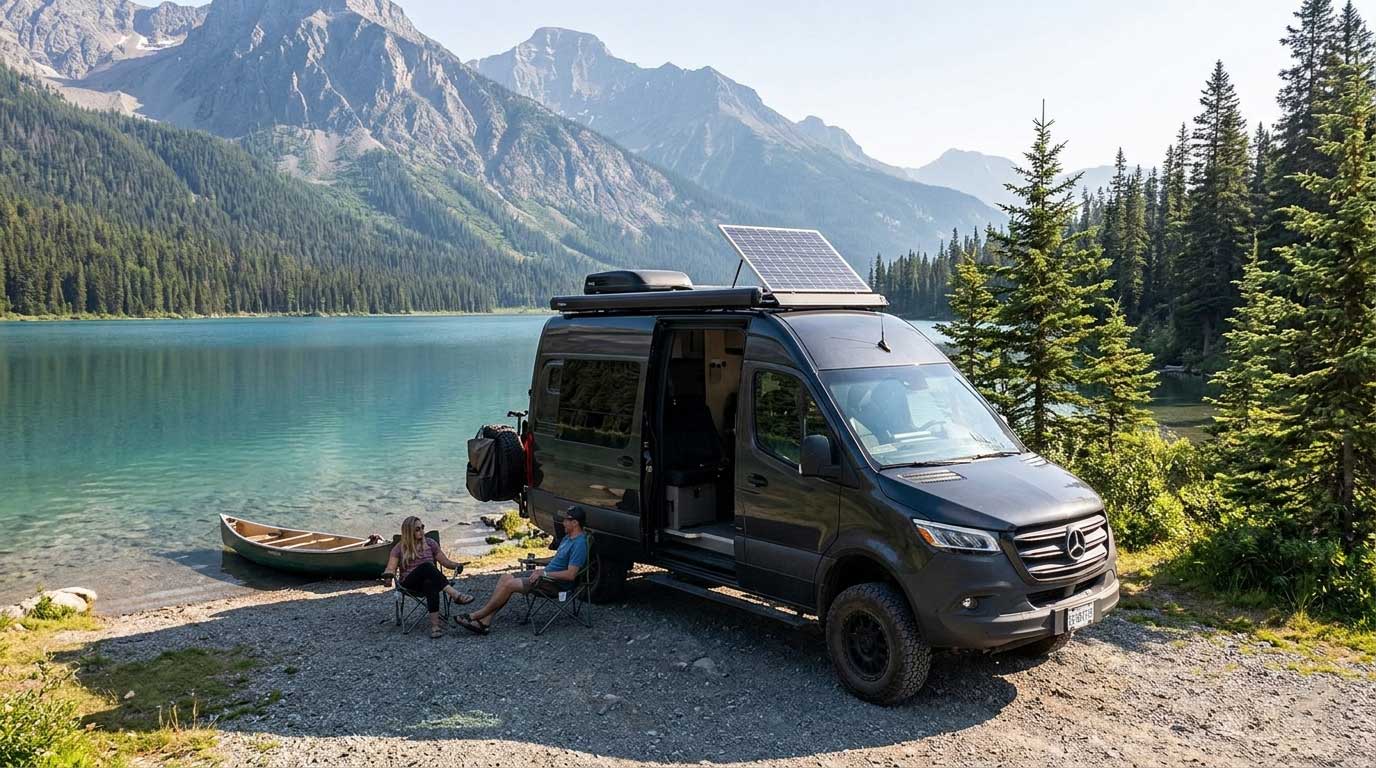
Custom Sprinter vans and expedition vehicles often use black solar systems to maintain a sleek appearance.
Many builders specifically request dark solar modules for this reason.
Real Project Example: Luxury Home Retrofit
In 2024, I participated in a consultation involving a high-end residential renovation.
The homeowner initially reviewed two proposals:
| Option | Visual Preference | Estimated Production |
|---|---|---|
| Standard Panels | Moderate | 100% |
| Black on Black Panels | Very High | 98-99% |
The homeowner selected the black-on-black option immediately.
One year later, production data showed performance nearly identical to projections.
What surprised the homeowner wasn’t energy output.
It was neighborhood feedback.
Several visitors didn’t realize solar panels had even been installed.
That level of visual integration simply doesn’t happen with older silver-framed modules.
Are Black on Black Solar Panels Worth the Additional Cost?
Usually yes.
Typical price premiums vary by manufacturer.
In many markets the difference ranges from:
- 3% to 10%
- Sometimes less on large projects
- Often negligible compared with total installation costs
Consider a complete residential system:
| Expense Category | Percentage of Project Cost |
|---|---|
| Solar Modules | 20-30% |
| Inverters | 10-15% |
| Mounting Hardware | 10-15% |
| Labor | 30-40% |
| Electrical Components | 10-20% |
Because panels represent only part of total system cost, upgrading to black modules may have a surprisingly small impact on final project pricing.
Meanwhile the visual improvement remains visible for decades.
Black on Black Solar Panels and Property Value
Homeowners rarely ask only one question.
After aesthetics comes another:
“Will this help my home’s value?”
Research from the U.S. Department of Energy’s Lawrence Berkeley National Laboratory has found that homes with solar systems can command price premiums compared with similar non-solar properties.
While studies focus on solar ownership rather than panel color specifically, visual integration may influence buyer perception.
A solar system that appears intentional rather than added later tends to attract less resistance from prospective buyers.
That matters during resale discussions.
Common Misconceptions About Black Solar Panels
“Black Panels Always Run Too Hot”
Not true.
All photovoltaic modules experience temperature-related losses.
Modern cell technologies have significantly reduced the practical difference.
“They’re Only for Luxury Homes”
Incorrect.
Prices have become increasingly competitive.
Many mainstream residential projects now use black modules.
“Black Panels Produce Less Energy”
Not necessarily.
Module quality matters far more than color alone.
“They’re Only About Appearance”
Appearance may drive adoption, but performance remains highly competitive.
Choosing the Right Black on Black Solar Panels
When evaluating products, I recommend focusing on these factors:
Cell Technology
Look for:
- TOPCon
- PERC
- N-Type cells
Warranty
Prefer:
- 25-year product warranty
- 25-year performance warranty
Temperature Coefficient
Lower coefficients generally improve performance during hot weather.
Manufacturing Quality
Review:
- IEC certifications
- Independent testing
- Degradation guarantees
Application Fit
A home roof has different requirements than:
- Marine systems
- RV installations
- Portable power applications
Performance Comparison: Black on Black vs Traditional Solar Panels
The discussion around aesthetics often overshadows a more practical question:
“How much power am I actually giving up?”
In most modern installations, very little.
Ten years ago, I would have hesitated to recommend black modules for hot climates. Cell temperatures could climb noticeably higher than comparable white-backsheet designs.
Today, that gap has narrowed.
The biggest performance gains now come from cell technology rather than module color.
A premium N-Type TOPCon black module will often outperform an older silver-framed PERC panel despite having the darker appearance.
| Specification | Standard Solar Panel | Black on Black Solar Panel |
|---|---|---|
| Appearance | Visible silver frame | Uniform black design |
| Roof Integration | Moderate | Excellent |
| Heat Absorption | Slightly Lower | Slightly Higher |
| Modern Cell Technology Availability | High | High |
| Residential Demand | High | Very High |
| Premium Property Applications | Moderate | Excellent |
On several Bright Solar partner projects, annual production differences typically remained within normal system performance variation.
Weather changes had a greater impact than panel color.
That reality often surprises homeowners.
Black on Black Solar Panels for RVs and Mobile Applications
One trend that has accelerated dramatically during the past five years is mobile solar adoption.
RV owners increasingly want:
- Cleaner roof aesthetics
- Lower-profile installations
- Better integration with vehicle design
- Reduced visual clutter
This is especially common among premium van conversion builders.
A builder in Colorado showed me two nearly identical expedition vans.
One used conventional silver-framed panels.
The other used black modules.
The electrical systems were nearly identical.
Customer preference wasn’t.
Almost every buyer preferred the black-roof configuration.
The reason wasn’t technical.
It simply looked like it belonged there.
Marine Applications: Why Black Solar Panels Are Gaining Popularity
Marine customers tend to focus on durability first.
Appearance comes second.
Yet black modules are becoming increasingly common aboard:
- Sailing yachts
- Catamarans
- Motor cruisers
- Expedition vessels
The reason is simple.
Many premium boats now feature dark fiberglass decks, black canvas covers, smoked glass, and dark trim packages.
Traditional silver-framed modules often look out of place.
Black panels integrate naturally into modern marine design.
From a distance, they appear less intrusive.
I’ve seen several yacht owners reject perfectly functional panels solely because the silver frames disrupted the vessel’s appearance.
That may sound superficial.
Until you remember these boats often represent investments exceeding six figures.
Visual consistency matters.
The ROI Question Nobody Talks About
Solar discussions usually focus on:
- Wattage
- Efficiency
- Battery storage
- Payback periods
What rarely gets mentioned is owner satisfaction.
A solar system sits on a roof for decades.
The homeowner sees it every day.
The installer leaves.
The homeowner stays.
I’ve revisited projects years after installation.
Interestingly, homeowners almost never discuss panel efficiency.
They discuss how the system looks.
That isn’t marketing language.
It’s field observation.
A system that produces slightly more energy but causes constant dissatisfaction may not be the better choice.
For many buyers, black-on-black modules deliver value beyond kilowatt-hours.
Original Industry Insight: Architecture Is Becoming a Solar Purchasing Factor
Twenty years ago, solar purchasing decisions were dominated by engineers.
Today, architects and homeowners have a much larger voice.
That’s changing the industry.
Several emerging trends support this:
Trend 1 – Solar Is Becoming a Design Element
Architects increasingly incorporate solar during the planning phase rather than adding it later.
Trend 2 – Visible Hardware Is Being Minimized
Homeowners want:
- Hidden wiring
- Flush mounting
- Integrated systems
- Uniform panel surfaces
Trend 3 – Premium Residential Markets Favor Aesthetics
In higher-value housing markets, visual consistency can outweigh minor efficiency differences.
I expect black-on-black designs to continue gaining market share for exactly this reason.
How to Choose the Best Black on Black Solar Panels
The appearance may be similar across brands.
The quality is not.
Here’s what I personally evaluate before recommending a module.
Cell Type
Priority order:
- N-Type TOPCon
- High-efficiency PERC
- Standard Mono
Power Warranty
Look for:
- 25-year performance warranty
- Low annual degradation rate
Mechanical Load Rating
Particularly important in:
- Snow regions
- Coastal regions
- High-wind areas
Corrosion Resistance
Critical for marine installations.
Salt exposure can destroy poorly manufactured modules long before power output becomes a concern.
Manufacturer Reputation
Always investigate:
- Testing history
- Warranty support
- Project references
- Production standards
FAQs About Black on Black Solar Panels
Are black on black solar panels more expensive?
Usually yes, but the premium is often modest compared with total installation cost. In many residential projects the difference may represent only a small percentage of the complete system budget.
Do black on black solar panels produce less electricity?
Modern high-efficiency black modules generally perform very similarly to standard panels. Cell technology influences production far more than panel color.
Are black solar panels better for modern homes?
For architectural integration, absolutely. They blend more naturally into dark roofs and contemporary building designs.
Do black solar panels last as long as standard panels?
Yes. Lifespan depends primarily on manufacturing quality, materials, and installation standards rather than appearance.
Many premium black modules include 25-year warranties.
Are black solar panels suitable for marine environments?
Yes, provided they are specifically engineered for harsh environments and include corrosion-resistant materials.
Marine installations should always prioritize saltwater durability.
Can black solar panels increase property value?
Solar ownership itself has been associated with higher home values in multiple studies. Attractive, integrated systems may further improve buyer perception.
Conclusion
Black on black solar panels have moved far beyond being a niche architectural product.
They now represent one of the fastest-growing segments of the residential solar market because they solve a problem traditional panels never addressed very well: appearance.
After years of visiting installations across homes, RVs, boats, and custom off-grid projects, I’ve noticed a simple pattern.
Homeowners rarely regret choosing a cleaner-looking solar system.
They may forget the exact wattage.
They may never remember the inverter model.
But every day they see the roof.
That’s why aesthetics matter.
For customers seeking a balance between modern design, dependable energy production, and long-term property appeal, black on black solar panels remain one of the most compelling options available today.
References
- U.S. Department of Energy Solar Energy Technologies Office: https://www.energy.gov/eere/solar/solar-energy-technologies-office
- National Renewable Energy Laboratory (NREL): https://www.nrel.gov
- Lawrence Berkeley National Laboratory Solar Research: https://emp.lbl.gov/projects/solar
Related recommendations
-

Parallel vs Series Solar Panels: Which Wiring Method Actually Performs Better?
162Learn the differences between parallel vs series solar panels. Compare voltage, current, shading performance, efficiency, and real-world applications to choose the best solar wiring method.
View details -
Solar Panels for Tiny House: Complete Guide to Off-Grid Energy Solutions
252Solar panels for tiny house provide clean, reliable power. Learn system sizing, costs, installation tips, batteries, and flexible solar solutions from Bright Solar.
View details -
Complete Solar Systems for Off Grid Living
263Design complete solar systems for off grid living with the right panels, batteries, inverter, and protection. Learn sizing, wiring, storage, and real-world system planning.
View details -
200 Watt Flexible Solar Panel for RV, Marine, and Off-Grid Applications
207200 watt flexible solar panel solutions provide lightweight, durable off-grid energy for RVs, boats, cabins, and mobile systems with reliable solar efficiency.
View details