Marine Flexible Solar Panel Installation Guide
1.How to Measure Available Space for Marine Solar Panels?
Before selecting flexible solar panels for a boat, it is essential to first measure the actual available space on the deck, cabin roof, or other planned installation areas. For yacht manufacturers, boat equipment brands, and system integrators, accurate measurements help determine panel specifications, installation quantities, and overall layout, reducing the need for later design modifications.
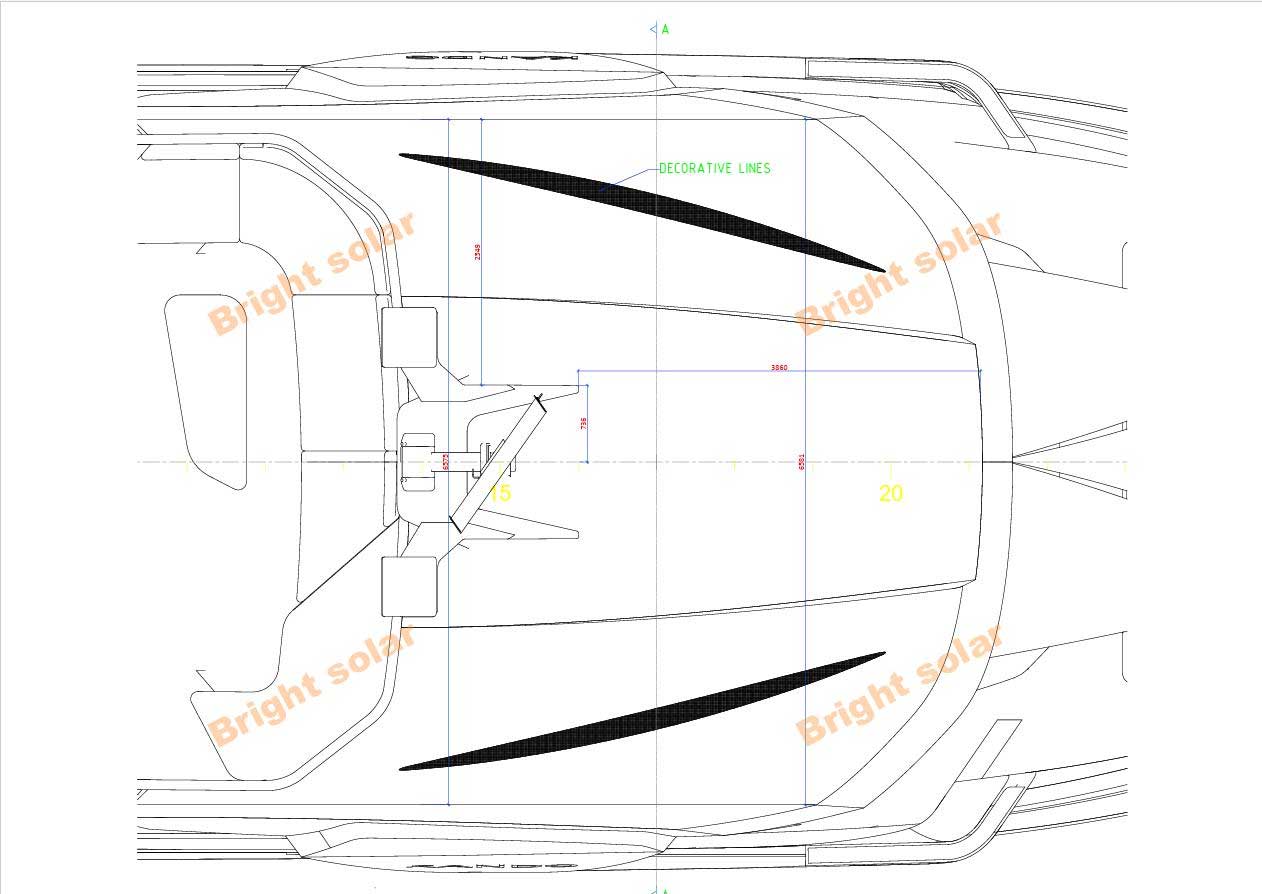
During measurements, the length, width, and irregular boundaries of the installation area should be recorded, and hatches, skylights, railings, antennas, vents, and other uncovered areas should be marked. Sufficient space must also be allocated for cable outlets, connectors, drainage paths, and subsequent inspections.
配图1
If the installation area has curved surfaces, steps, or structures of varying heights, it is recommended to provide a top view, side view, or CAD drawing with dimensions. For non-standard sized items, the panel shape, cable outlet location, and actual installation boundaries should be confirmed before formal procurement.
2. How to assess the shading risks caused by deck equipment, etc., and then optimize the solar panel wiring layout.
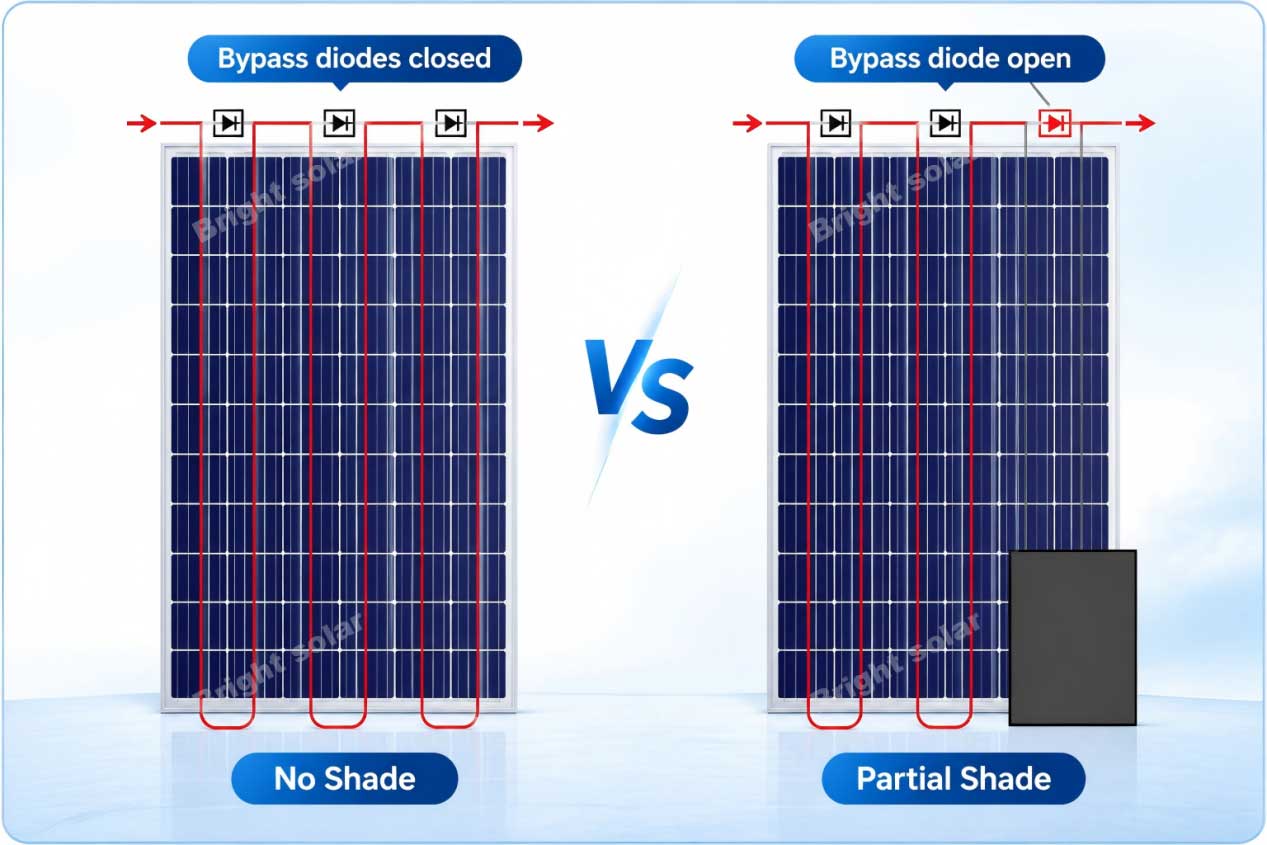
In marine applications such as sailboats, yachts, and other marine applications, partial shading by masts, sails, rigging, radar antennas, and deck equipment will affect the overall output of solar panels. It cannot be simply assumed that if only a small part of the shadow is covered, the power generation loss will be very small.
配图1
Of course, Bright Solar has further reduced the impact of shading by optimizing the internal arrangement of solar cells, the internal circuitry of modules, and the design of bypass diodes.
For decks with limited space, priority should be given to comparing the sunlight conditions of different candidate locations, while also considering the convenience of personnel access, equipment operation, and daily cleaning.
If the project involves multiple panels, it is recommended that the shading of each panel be assessed simultaneously during the layout phase, and that you provide us with photos of the installation locations to facilitate further discussion of component configuration and system solutions.
3.How to Check Deck Curvature and Flexible Solar Panel Compatibility.
Boat decks and cabin roofs may have varying degrees of curvature. Therefore, when selecting flexible solar panels, in addition to confirming the length and width dimensions, it is also necessary to assess whether the curvature of the mounting surface matches the panel structure.
First, it should be determined whether the mounting surface is a flat, unidirectionally curved surface, or a composite curved surface with curvature in multiple directions. For curved installation areas, the curvature or bending radius should be measured according to the actual structure and verified against the allowable bending range, bending direction, and installation requirements of the target model.
配图1
It should be noted that flexible solar panels do not mean they can be folded, twisted, or repeatedly bent at will.
For projects with significant curvature, irregular surfaces, or localized elevation differences, it is recommended to provide side-view photos, dimensional drawings, or 3D structural data of the installation area before procurement, so that the supplier can further assess product compatibility. The final selection should be based on the specific model’s technical specifications and the manufacturer’s installation limitations.
4.How to Choose the Mounting Method and Check Surface Compatibility?
For boat projects, a suitable fixing scheme should be determined based on the installation location, deck substrate, panel structure, and actual usage conditions, rather than directly applying a general adhesive method.
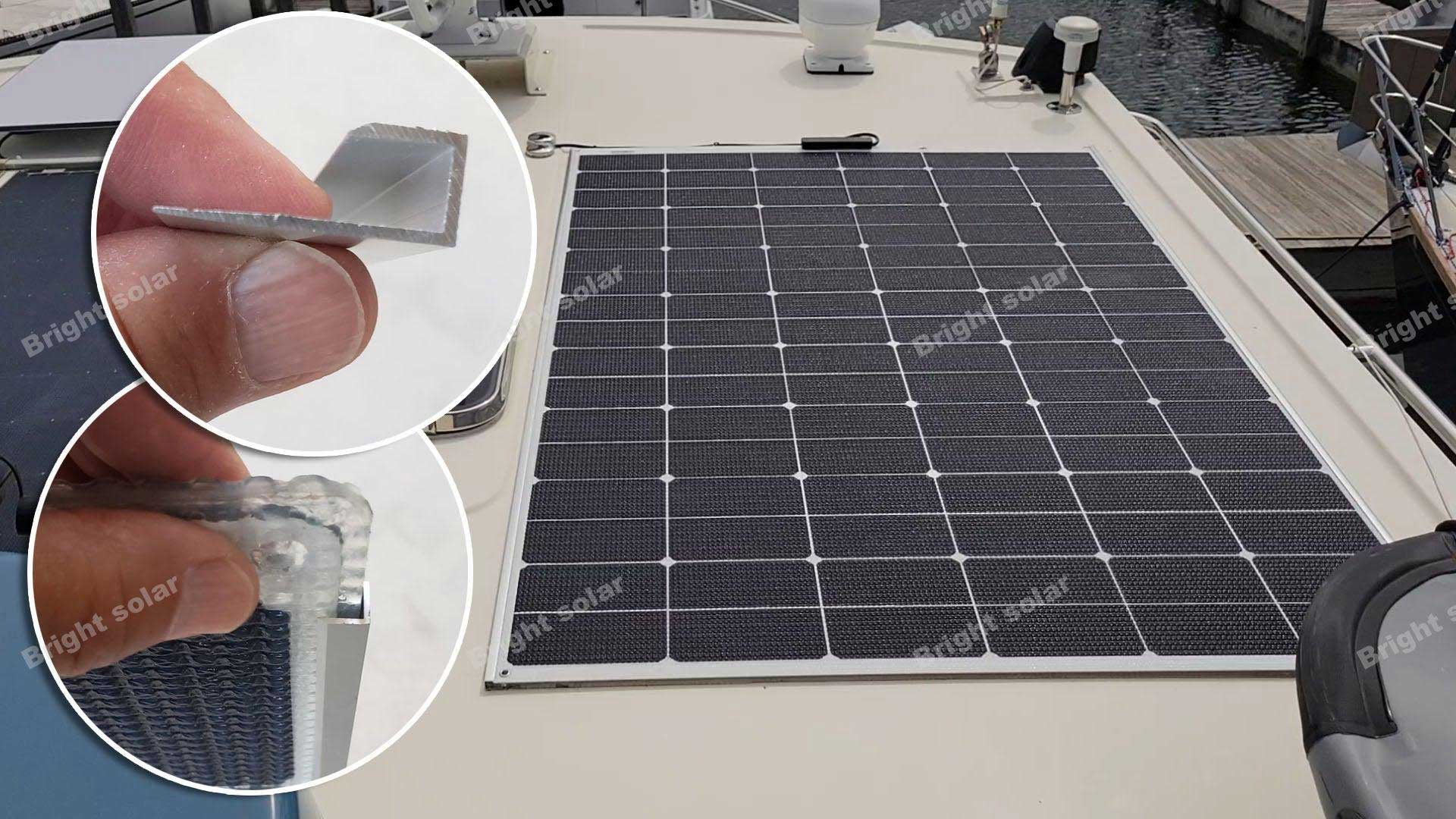
Before installation, ensure the surface is flat, dry, and clean, and check for oil stains, powdering, peeling of old coatings, or other conditions that may affect adhesion. If adhesive installation is used, verify the compatibility of the adhesive with the deck substrate, the material on the back of the panel, and the environment in which it will be used, and complete the surface treatment, application, and curing according to the corresponding product instructions.
配图2
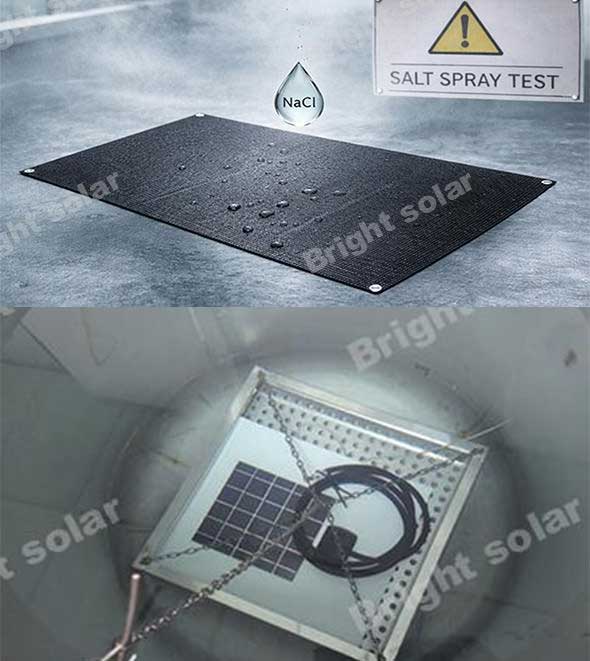
Brightsolar’s marine flexible solar panel series is specifically designed for marine environments. It uses corrosion-resistant and moisture-resistant composite materials and has passed salt spray testing to ensure the long-term stability of the solar panels.
For projects that require disassembly and maintenance, installation on soft canopies, or involve special curved structures, a suitable fixing solution should be selected during the design phase.
5.How to Match Marine Solar Panels with a Charge Controller and Battery System?
When selecting marine flexible solar panels, the Bright Solar H series offers a variety of power and electrical specifications. For OEM projects and system integration applications, we can assist with a preliminary electrical compatibility assessment based on the specific model specifications and customer-provided system information.
- Verify Module Parameters: Confirm the target model’s rated power, Voc, Vmp, Isc, and Imp.
- Assess Controller Matching: Check the controller’s maximum PV input voltage, current, power limits, and relevant operating conditions.
- Confirm System Configuration: Assess the impact of series connection on voltage and parallel connection on current, and verify the battery type and charging requirements.
The final configuration should be calculated based on component parameters, temperature conditions, controller manuals, and battery manufacturer requirements, and should not be determined solely based on the panel’s nominal power or system nominal voltage.
It is recommended to provide component datasheets, target battery specifications, and controller models before project confirmation to facilitate system configuration verification. Final electrical design and safety protection measures should be confirmed by qualified professionals.
6.How to Plan Marine Solar Wiring, Connectors and Electrical Protection?
For boat manufacturers, marine equipment brands, and system integrators, solar panels need to be compatible with existing wiring harnesses, controllers, and equipment interfaces. Cable length, conductor cross-sectional area, connector type, and junction box configuration are all parameters that need to be confirmed in advance during product selection and OEM customization.
Bright Solar can evaluate the appropriate cable and connector configurations based on specific models and project requirements, helping customers clarify interface requirements before prototyping and mass production.
- Confirm Standard Configuration: Verify cable length, cross-sectional area, connector type, junction box parameters, and cable exit locations.
配图1
- Assess customization needs: Confirm cable length, wire diameter, connector, and cable routing options based on actual manufacturing capabilities.
- Verify interface compatibility: Confirm connector type, positive and negative polarity definitions, installation space, and cable routing.
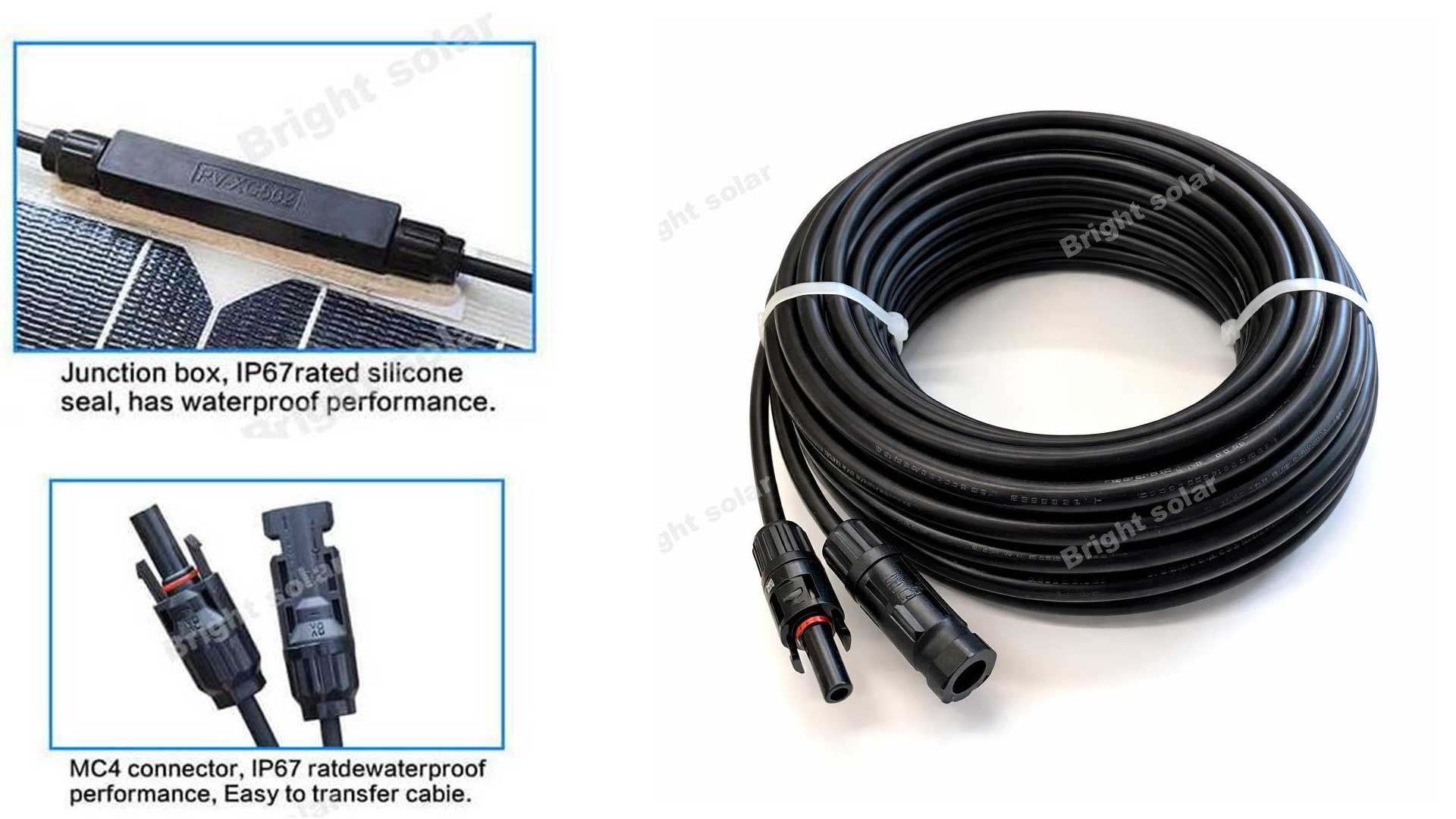
- Verify product configuration: Confirm through specification sheets, interface drawings, and samples to reduce compatibility issues during the design and assembly stages.
Specific customization options depend on the product model, engineering assessment, and order requirements.
7. How does Bright Solar inspect and ensure the quality of its Marine Solar Panels?
Before installation and commissioning, a comprehensive mechanical and electrical inspection should be conducted to ensure that the solar panels, mounting structure, cables, and charging system are all in compliance with requirements.
With Bright Solar, you can have complete peace of mind. We have established a comprehensive quality inspection, quality tracking, customer technical support, and after-sales support system:
EL and IV Testing: We conduct EL testing on semi-finished and finished products and verify electrical performance through IV testing, maintaining the relevant test data.
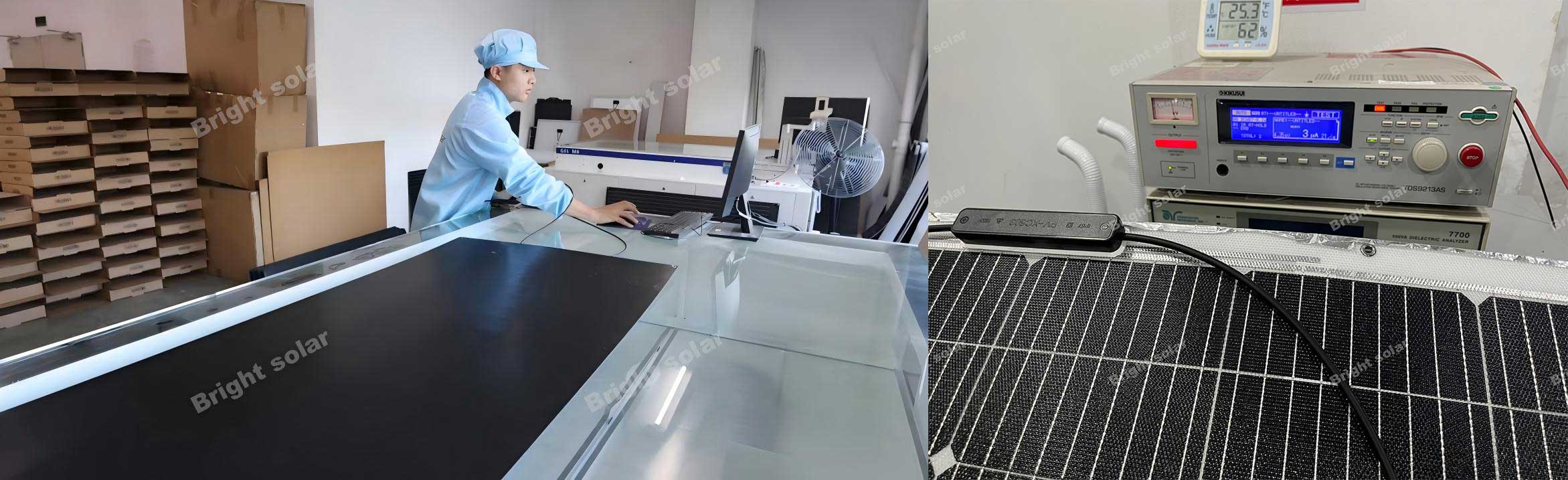
Pre-shipment inspection: Inspect the product’s appearance and related components before packaging, and confirm according to the corresponding shipping inspection requirements.
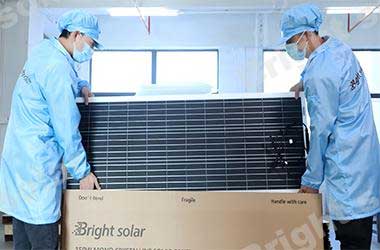
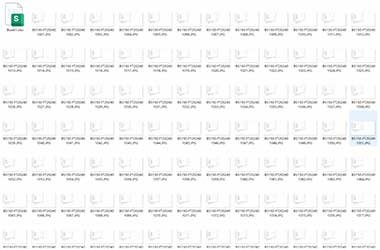
Product traceability and after-sales service: Product models and batch information are linked through lamination serial numbers, and quality issues are followed up using standard installation instructions, after-sales record forms, and internal processing procedures.
Customers can apply for corresponding product specifications, test records and quality documents according to project needs, subject to the actual information available.
Conclusion
Successful marine flexible solar panel installation requires more than selecting the right panel size. Available deck space, shading risks, surface curvature, mounting compatibility, charge controller and battery matching, wiring configuration, and product quality must all be evaluated before installation.
For boat manufacturers, yacht brands, and marine system integrators, early technical assessment helps reduce compatibility issues and avoid unnecessary design changes. Bright Solar provides marine flexible solar panel solutions with support for electrical specification verification, cable and connector configuration, EL and IV testing, and product traceability to meet project requirements.
Before confirming an OEM or custom project, provide your installation drawings, deck photos, electrical system specifications, and expected configuration. Bright Solar can help assess product suitability and support the development of a marine solar solution based on your specific application and technical requirements.
The prev: Custom Mono Semi- Flexible Solar Panel
Related recommendations
-

what is bifacial solar panel – Bright Solar explains in simple terms
649what is bifacial solar panel and why does it generate more power than conventional modules? Bright Solar explains how bifacial design, installation angle and reflective surfaces boost energy yield for utility and commercial projects.
View details -
flexible solar panels marine Solutions – Bright Solar H Series for Boats and Yachts
252flexible solar panels marine solutions from Bright Solar are built with ETFE, high-efficiency mono cells and lightweight design, ideal for keeping boat batteries charged on cabins, decks and yacht roofs.
View details -
Flexible Solar Panels for the RV Market – Benz WESTFAILA
282Customer Needs: To meet the installation needs of RV customers, requiring flexible solar panels with varying power ratings to suit their usage requirements. Project Timeline: 2025Country: ItalyCustomer Type: RV Flexible Solar Panel DistributorProd...
View details -
Project Newsland RV 2013: Our Real-World Test with the Bright Solar 100W Panel
213See how Project Newsland RV 2013 used a Bright Solar 100W flexible solar panel for real off-grid power. This case study shows the installation and results.
View details