Project France RV 2013: The 80W Folding Solar Panel Reality Check
Everyone talks about massive 400-watt solar kits bolted to the roof. But what if you’re not ready for a permanent install, or you’re just starting out? Let me take you back to a specific project I remember – let’s call it the “France RV 2013” setup. The heart of it was a single 80W folding solar panel. It wasn’t a magic bullet, but it taught me a lot about what you really need for off-grid power.
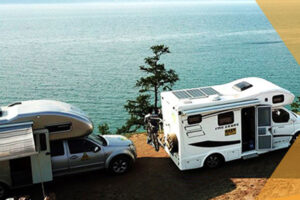
Honestly, seeing that lone 80-watt panel set up in a campsite near Arles, you’d wonder if it was even worth it. It looks… small. And it is. This isn’t going to power an air conditioner or a microwave. The dream sold is endless free energy; the reality is that you need to manage your expectations. For us, it was about keeping the lights on, the phones charged, and the water pump running for a couple of days without hookups. That 80W panel, bless its heart, was just enough for that, provided the sun played along.
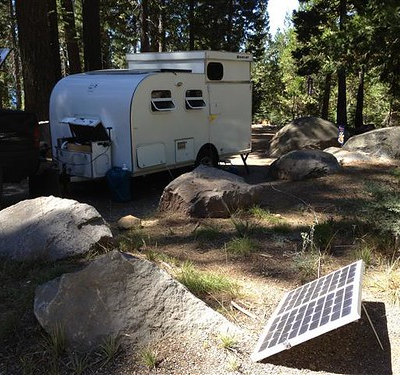
The big lesson I learned from that France RV 2013 season was that the panel is just the start. Everyone obsesses over the watts, but the real magic (or headache) happens in the supporting cast.
You absolutely need a decent battery. I skimped initially on an old, tired lead-acid battery, and it was a total waste. The panel would supposedly charge it, but the power would vanish overnight. A battery monitor—something as simple as a cheap voltmeter—is a non-negotiable. It stops you from guessing and lets you see the real, frustratingly slow trickle of energy coming in from that 80w folding solar panel. You learn that a “full sun” day in Provence is very different from a “partly cloudy” one in Brittany, and the numbers on your monitor don’t lie.
Then there’s the inverter. This is where I made my biggest mistake. I bought a clunky, modified sine wave inverter because it was cheap. It made a horrible humming noise and caused my sensitive laptop charger to get warm. I learned the hard way that for anything with modern electronics, you really want a pure sine wave inverter. It’s more expensive, but it won’t slowly fry your gadgets. This is a controversial topic in some DIY forums—some folks swear their modified sine wave units work fine—but from my experience, just spend the extra money.
Looking back, that whole France RV 2013 setup was a lesson in balance. A 400-watt roof-mounted system is fantastic, but it’s a commitment. Our humble 80W folding panel was about flexibility. We could park in the shade and run the panel out into the sun. It was our introduction to solar, flaws and all. It’s not the most powerful solution, but for a beginner wanting to dip their toes in, it’s a solid, tangible starting point that forces you to understand the entire ecosystem of your RV’s power, one cautious watt at a time.
Related recommendations
-

Project Netherlands Marine 2018: Keeping Our Sailboat Powered with 160W Flexible Solar Panels
189Discover how Project Netherlands Marine 2018 utilized the 160W flexible solar panel from Bright Solar to create a reliable marine power system for coastal sailing.
View details -
Project USA RV 2019: Finding the Best Flexible Solar Panels for Cross-Country Travel
299See why we call them the best flexible solar panels. Project USA RV 2019 features three Bright Solar 100W panels powering a 6-month journey across America's national parks.
View details -
Customized flexible solar panels for yacht customers
219Customer Needs: The customer required flexible solar panels suitable for their local yacht manufacturer clients. These panels needed to be lightweight, stable, and suitable for outdoor installation, as previous solar panels could not perfectly fit...
View details -
Glass Solar Panels for RVs
173Customer Needs: Are there solar panels that reduce wind resistance during RV operation?Project Time: 2024Country: AustraliaCustomer Type: Solar Panel Brand OwnerProduct: RV Solar PanelProduct Power: 100WOur Solution: Based on the customer's needs,...
View details