How to Reduce the Risk of Hot Spots in Solar Panels?
Description:
Hot spots on solar panels are typically associated with localized shading, current mismatch, cell defects, and abnormal electrical connections. When some cells fail to generate or conduct current properly, localized reverse bias may occur, converting electrical energy into heat and creating localized high-temperature areas.
Therefore, reducing the probability of hot spots requires control over several aspects, including module design, material quality, manufacturing processes, and actual use.
1.Minimize Partial Shading
Reducing localized shading is an important measure to lower the risk of hot spots.
Localized obstructions caused by trees, building structures, vents, dust, bird droppings, etc., can reduce the current of some solar cells and may cause current mismatch.
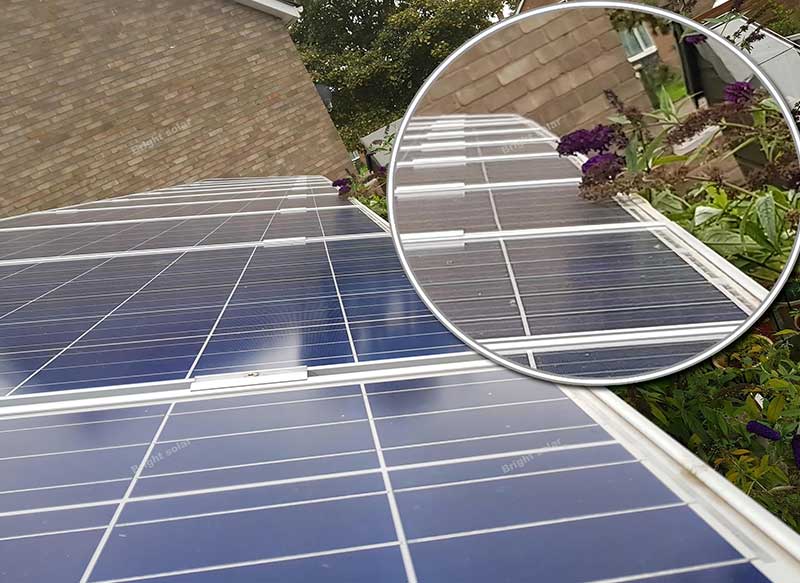
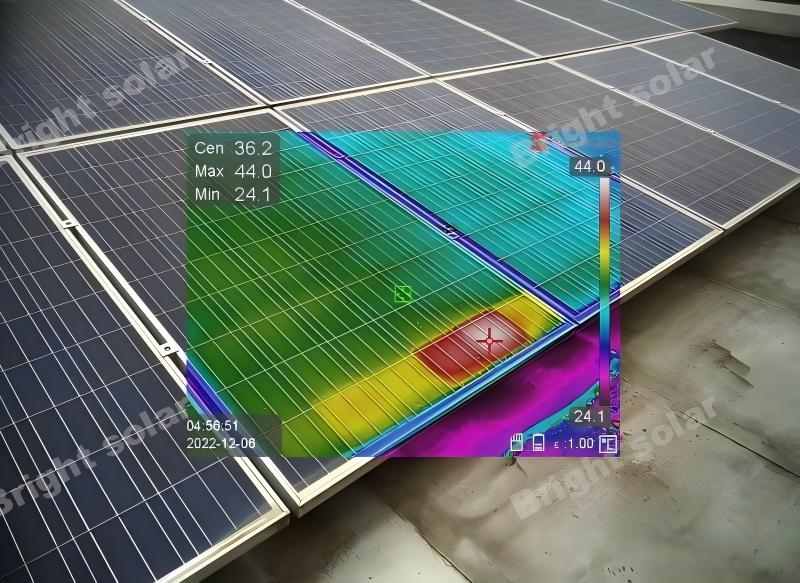
Therefore, we should try our best to:
- Reduce persistent localized shading
- Keep module surfaces clean
- Optimize module installation layout
- Avoid objects obstructing the solar cells
Studies show that under partial shading conditions, affected batteries may enter a reverse bias state and generate significant localized heat.
Core logic:
Less Shading → Less Mismatch → Lower Hot-Spot Risk
2. Optimize Bypass Diode Protection
A well-designed bypass diode can reduce the risk of hot spots caused by partial shading.
When a group of cells is severely shaded, bypass diodes can provide an alternative current path, allowing current to bypass the affected battery group, thereby reducing its reverse bias and heating.
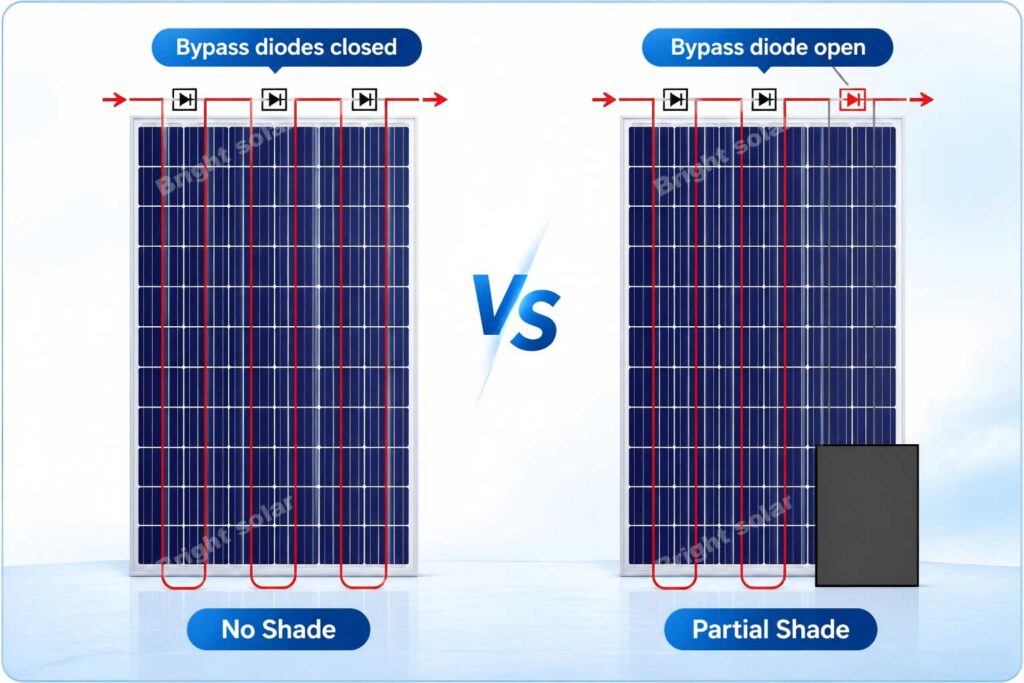
Bypass diodes are an important measure for protecting hot spots in PV modules. If the bypass diodes fail, localized heating may become more severe.
However, please note:
Bypass diodes reduce hot-spot risk; they do not eliminate every possible hot spot.
Therefore, bypass diodes need to be used in conjunction with a reasonable cell layout and component circuit design.
3. Improve Cell & Module Quality
To reduce the risk of hot spots, it is also necessary to start with the manufacturing quality of solar cells and modules.
Cracks in the battery cells, performance mismatch, welding abnormalities, and electrical connection defects can all lead to localized abnormal current and overheating.
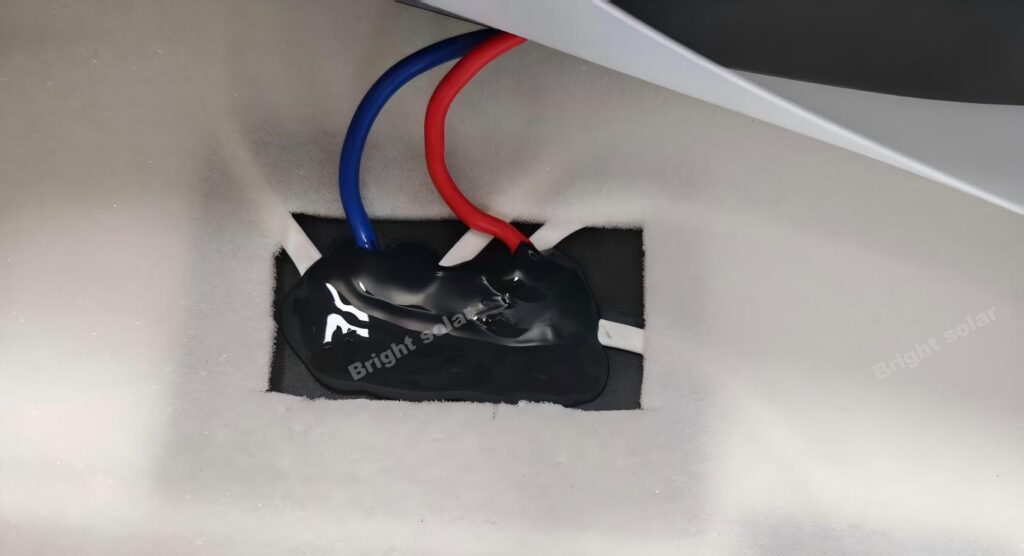
Therefore, the following should be the focus of control during the production process:
- Cell Consistency
- Microcracks
- Soldering Quality
- Electrical Connections
- Encapsulation Quality
4. Test Before Delivery
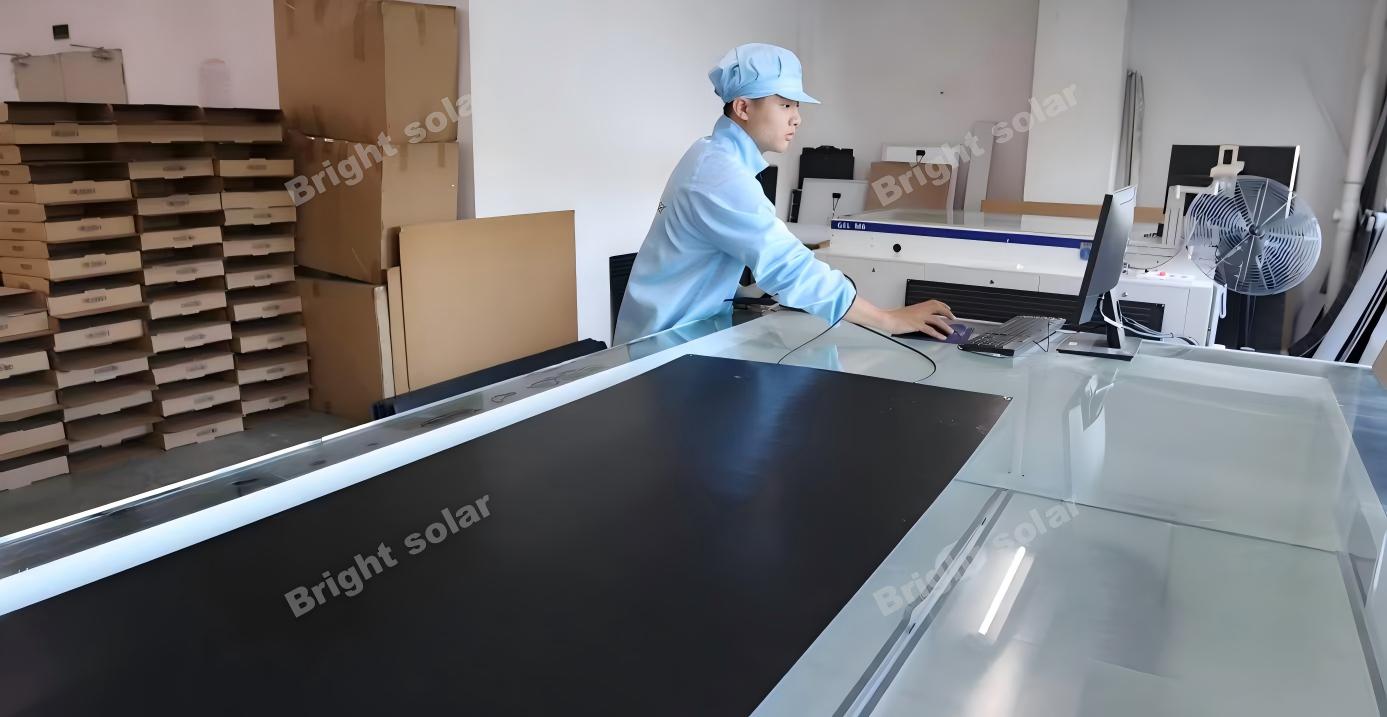
Hot spot risk control cannot rely solely on design; it also requires verification through testing.
During the production process, it can be achieved through:
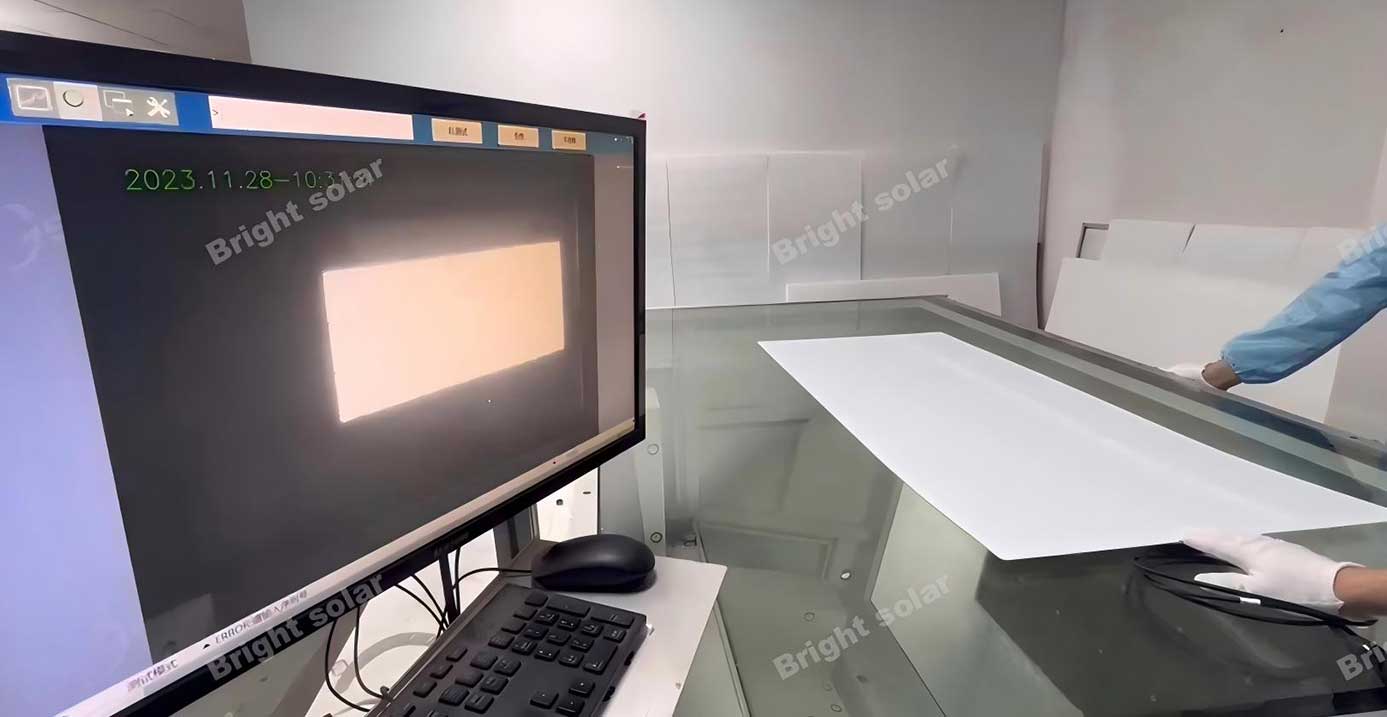
EL Testing
Potential defects such as microcracks and abnormal areas were discovered in the battery cells.
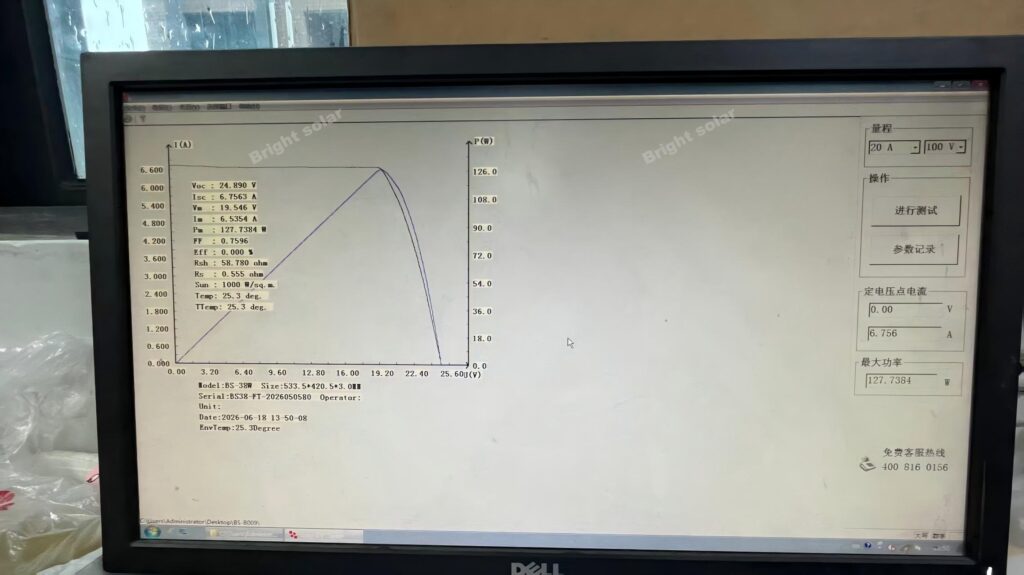
IV Testing
Confirm the component’s current, voltage, and power output.
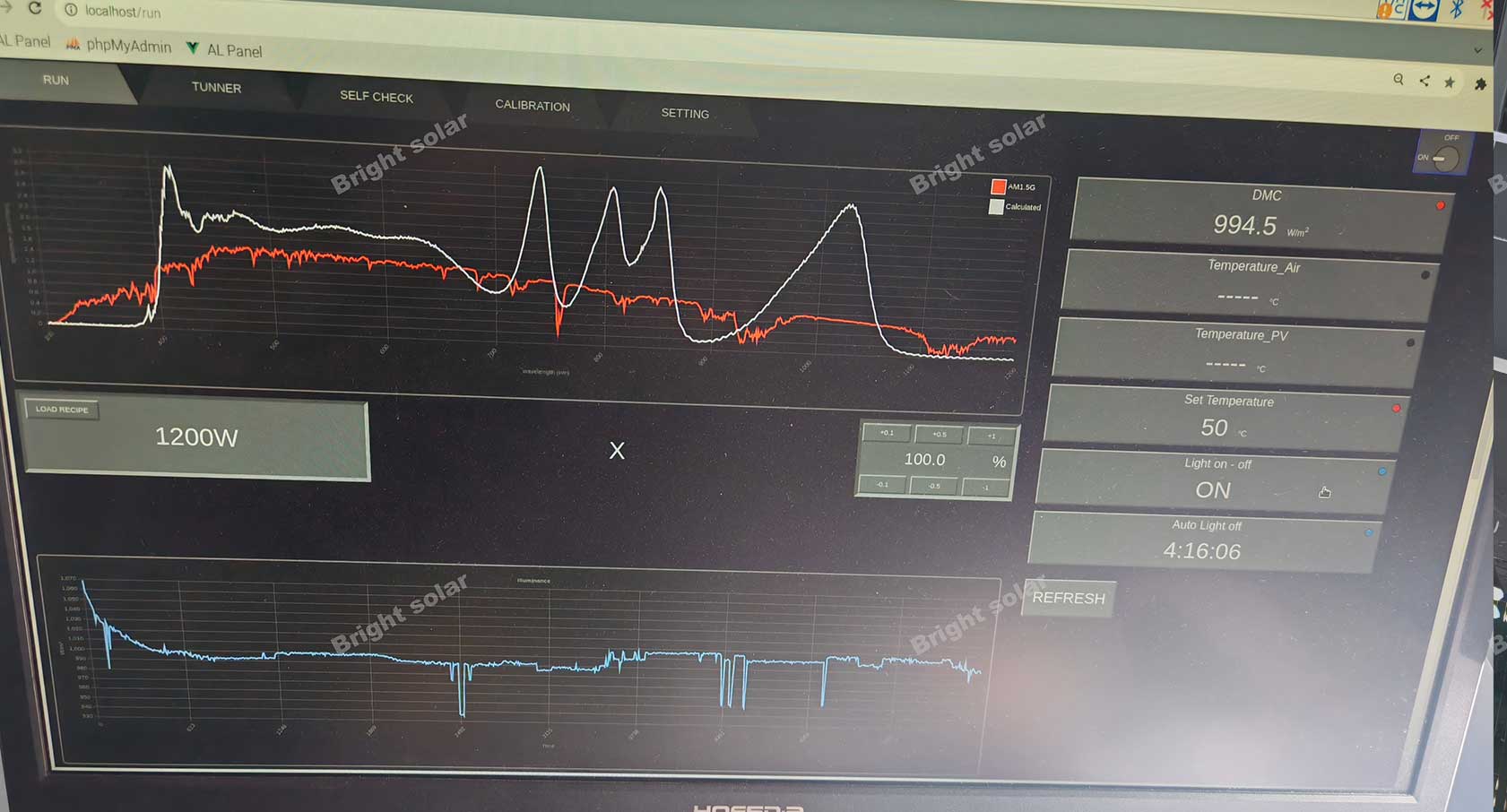
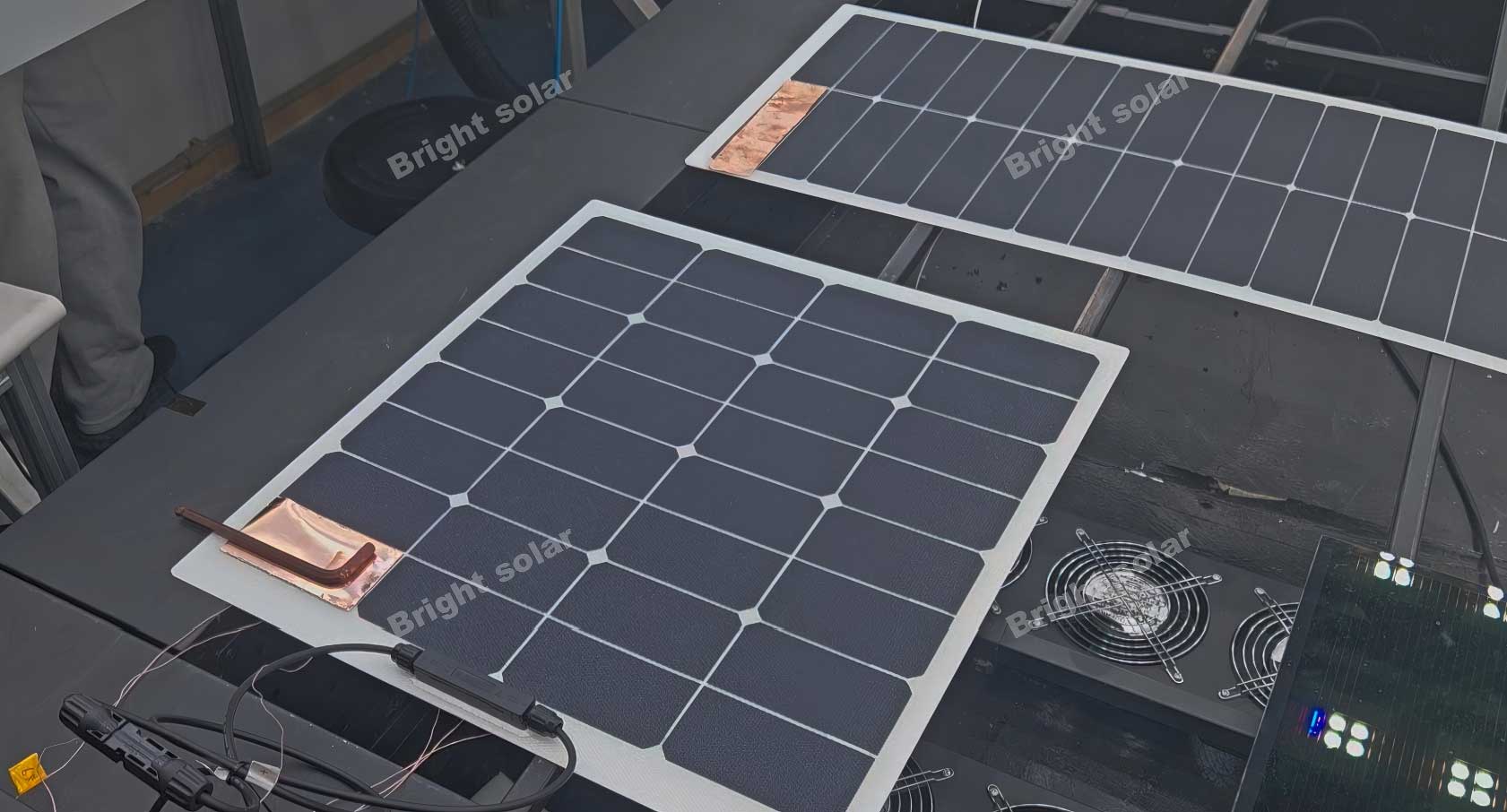
Hot-Spot Endurance Test
Verify the component’s tolerance to hot spot conditions.
5.Conclusion
Reduce Hot-Spot Risk from Design to Production
Reducing the probability of hot spots on solar panels requires control from multiple aspects:
Minimize Shading
↓
Reduce Current Mismatch
↓
Optimize Bypass Protection
↓
Control Cell & Module Quality
↓
EL / IV Testing
↓
Hot-Spot Endurance Testing
Better module design, consistent cell quality and strict testing help reduce the risk of hot spots and improve long-term PV module reliability.
Related recommendations
-

Customized flexible solar panels for yacht customers
224Customer Needs: The customer required flexible solar panels suitable for their local yacht manufacturer clients. These panels needed to be lightweight, stable, and suitable for outdoor installation, as previous solar panels could not perfectly fit...
View details -
Project Australia RV 2018: Conquering the Outback with Simple, Powerful Solar
468Discover how Project Australia RV 2018 used 400W of flexible solar panels for RV to conquer the outback. This case study shows a simple, powerful setup with Bright Solar 200W panels.
View details -
Bright Solar L Series 100W Flexible Solar Panel: Product Overview
104Bright Solar’s L Series 100W flexible solar panel is a lightweight, thin module for selected RV, camper, mobile, outdoor, marine, and off-grid applications.
View details -
Custom Mono Semi- Flexible Solar Panel
70Custom semi-flexible solar panels can be designed around RV roof dimensions, battery requirements, weight limits, and installation conditions.
View details