How to Minimize Solar Panel Shading and Power Loss in Different Applications?
Briefly:
Partial shading is one of the main factors causing a sharp decrease in the power output of solar power systems. Trees, chimneys, and building structures on residential rooftops, vents and air conditioners on RV rooftops, and masts, sails, and rigging on yachts can all cause partial shading. Its impact depends not only on the area of shading but also on the location of the shading, the module circuit design, the series-parallel connection method, the MPPT architecture, and the installation environment.
Analysis of actual photovoltaic systems by the IEA PVPS shows that the annual cumulative shading loss for a typical system is approximately 1%–5%. Research and measured data show that a 20% shading of a single photovoltaic cell can lead to a 30% to 50% decrease in the output power of the entire module string. To maximize system power generation efficiency, shading should be comprehensively assessed during the system design phase and during installation.
The actual power loss depends strongly on module architecture and system configuration.So how do solar panels address this issue in different application scenarios?
一、Residential Roofs: Focus on Addressing Permanent and Seasonal Shading:
The most common sources of shading for residential roofs include:
- Trees
- Chimneys
- Satellite dishes
- Roof vents
- Nearby buildings
- Antennas
- Roof structures
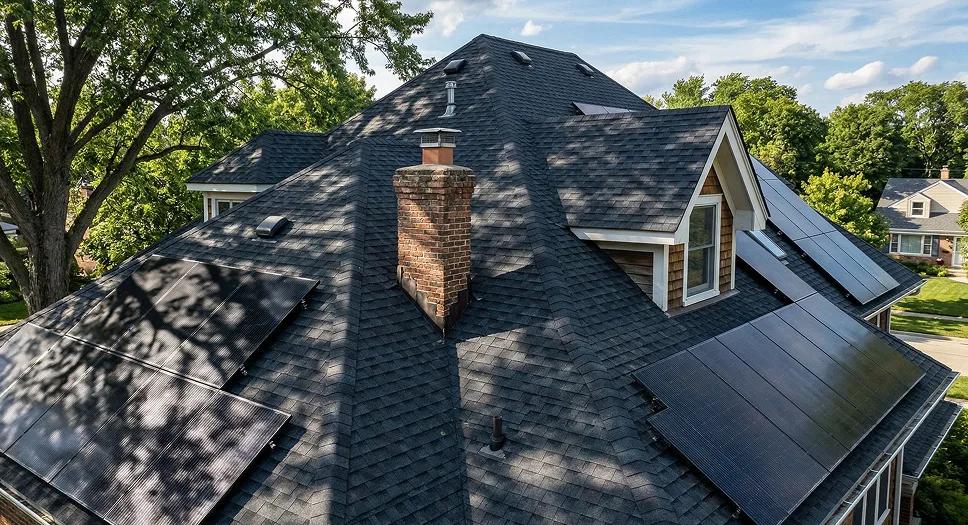
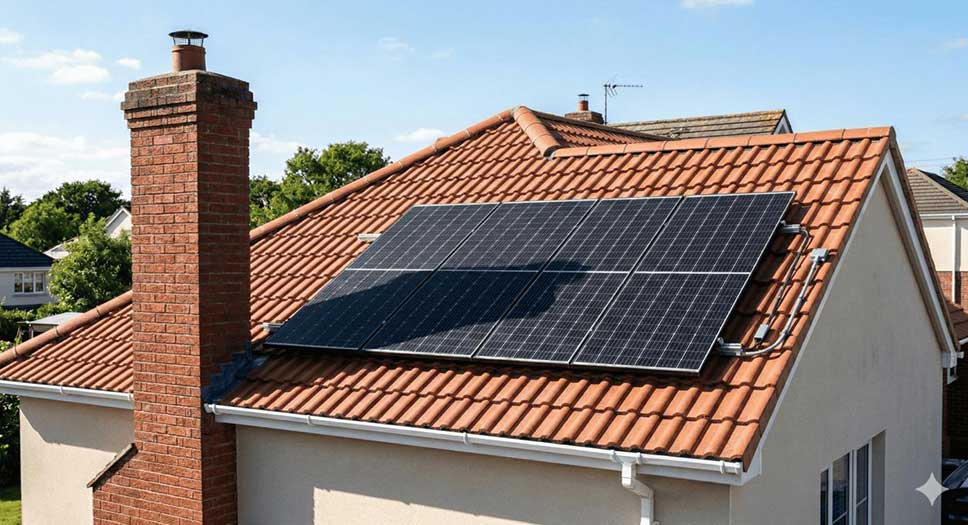
How to do ?
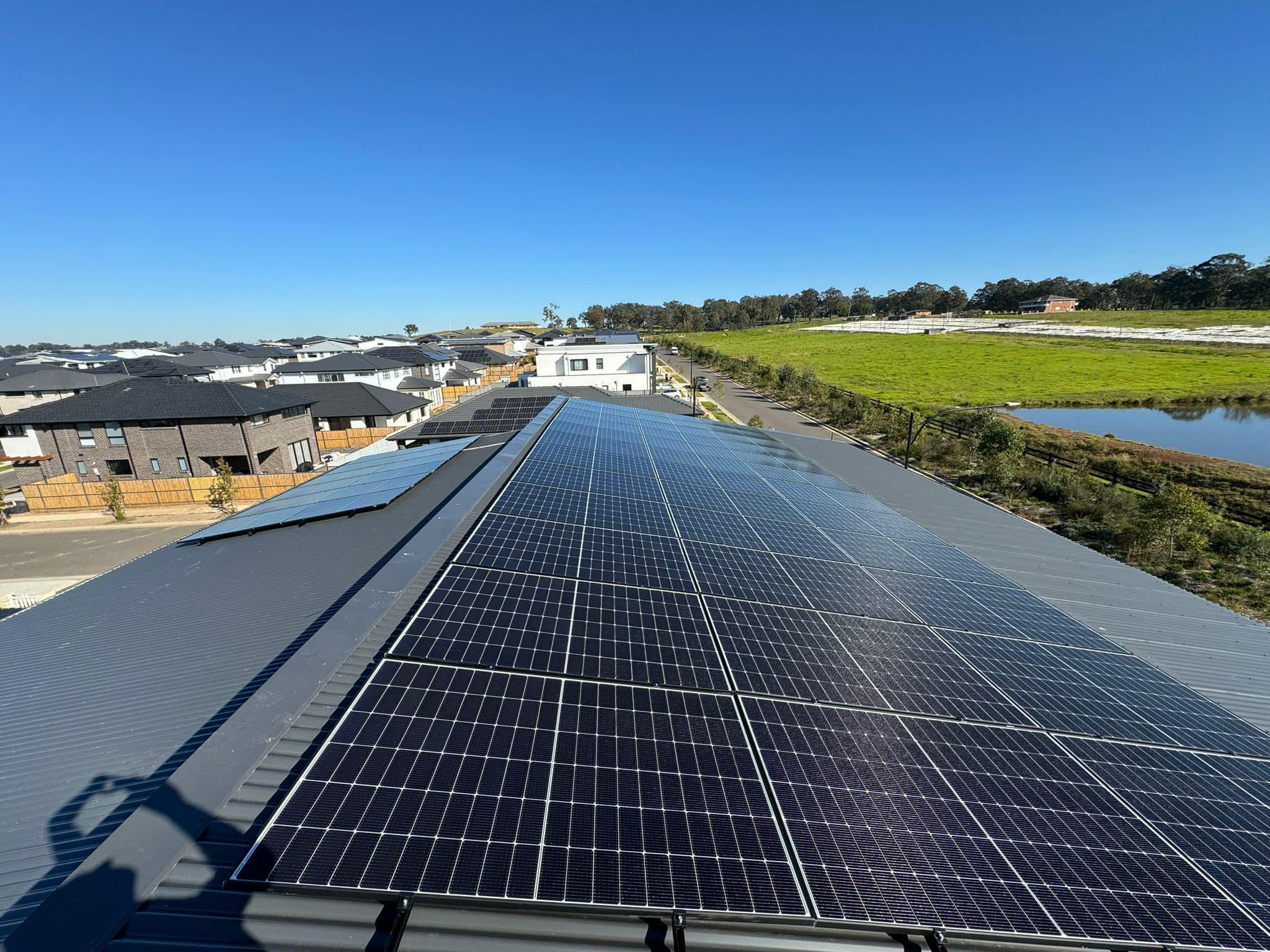
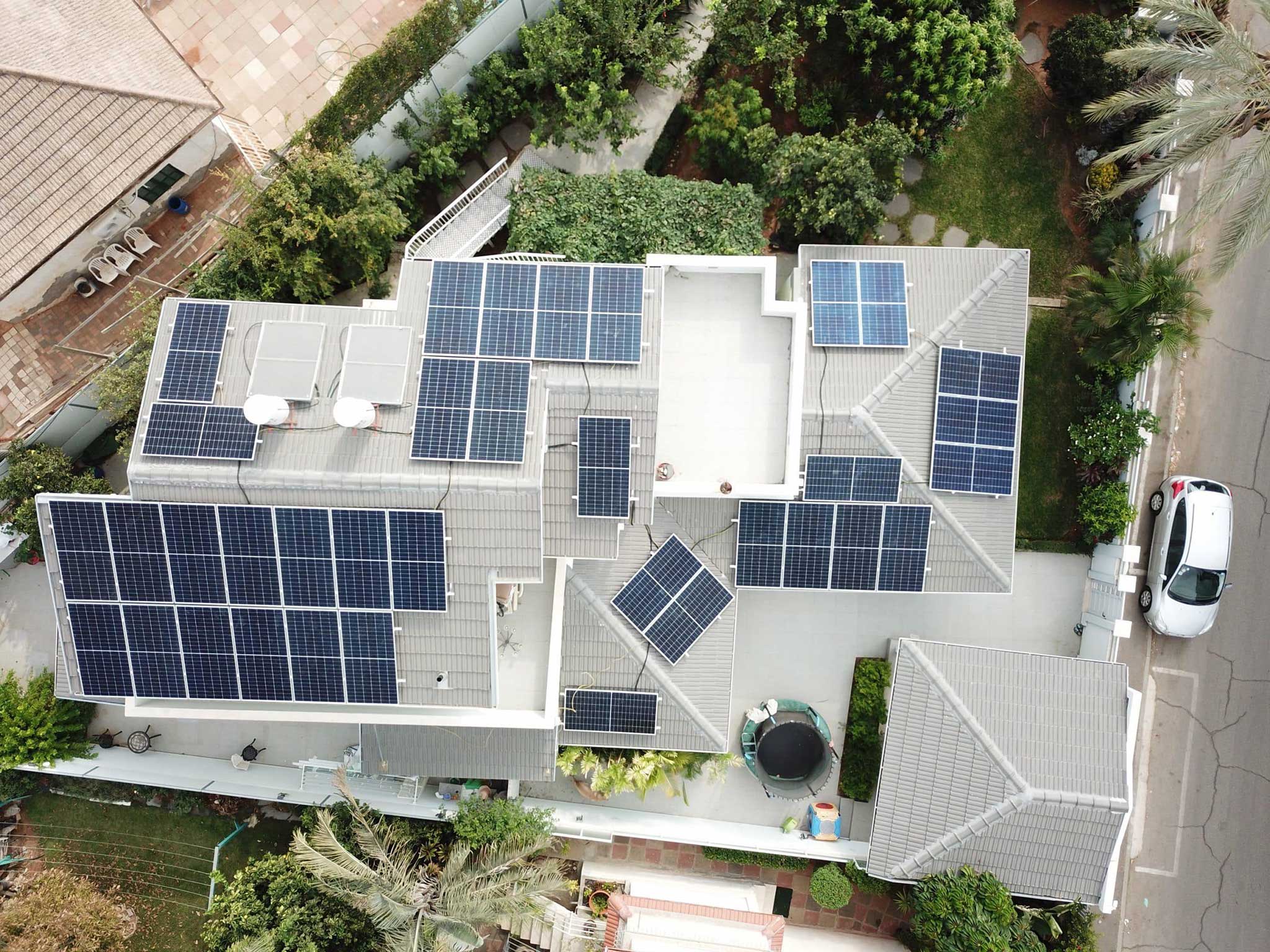
① Site & Shade Analysis
Before installation, analyze the changes in the sun’s path and shadow at different times of the year.
② Avoid Permanent Shading
If an area is shaded for extended periods during peak power generation times, it is best to avoid installing components there.
③ Optimize Module Layout
By arranging components horizontally and vertically, adjusting component positions, and grouping them into different MPPTs, the obscured areas are reasonably isolated from the unobscured areas.
④ Module-Level Power Electronics
In complex rooftop scenarios, MLPE solutions such as Microinverter or Power Optimizer can be considered.
SolarEdge currently positions Power Optimizer as a technical solution to address partial shading, module mismatch, and panel-level performance.
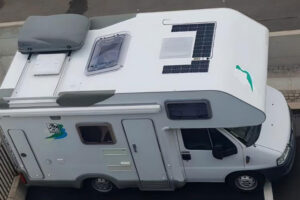
二、RV/Camper: Roof-mounted equipment and camping parking spots are the most commonly overlooked sources of obstruction:
The special issue with RVs is:
The rooftop space is limited, and the equipment is very densely packed.
Common sources of occlusion:
- Roof vents
- Air conditioners
- Roof racks
- Antennas
- Satellite equipment
- Other solar panels
- Trees when camping
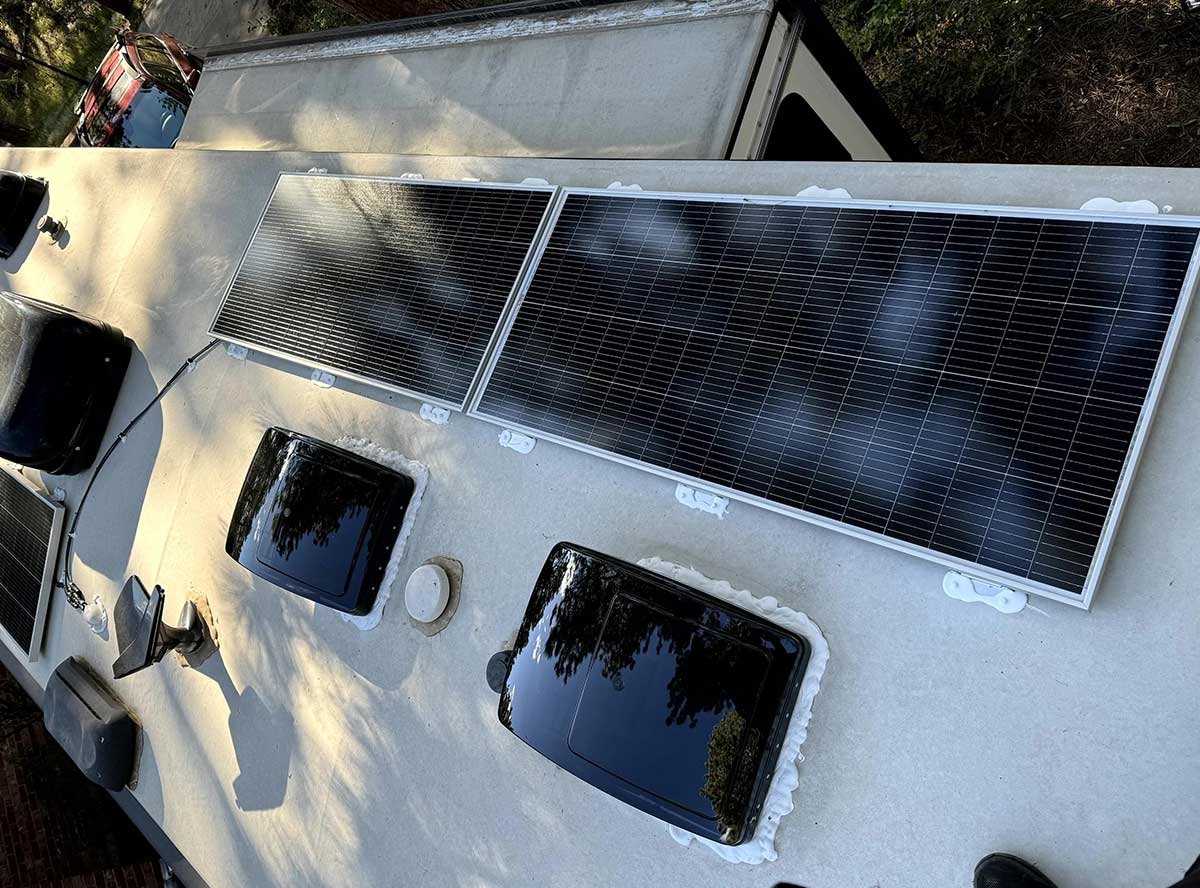
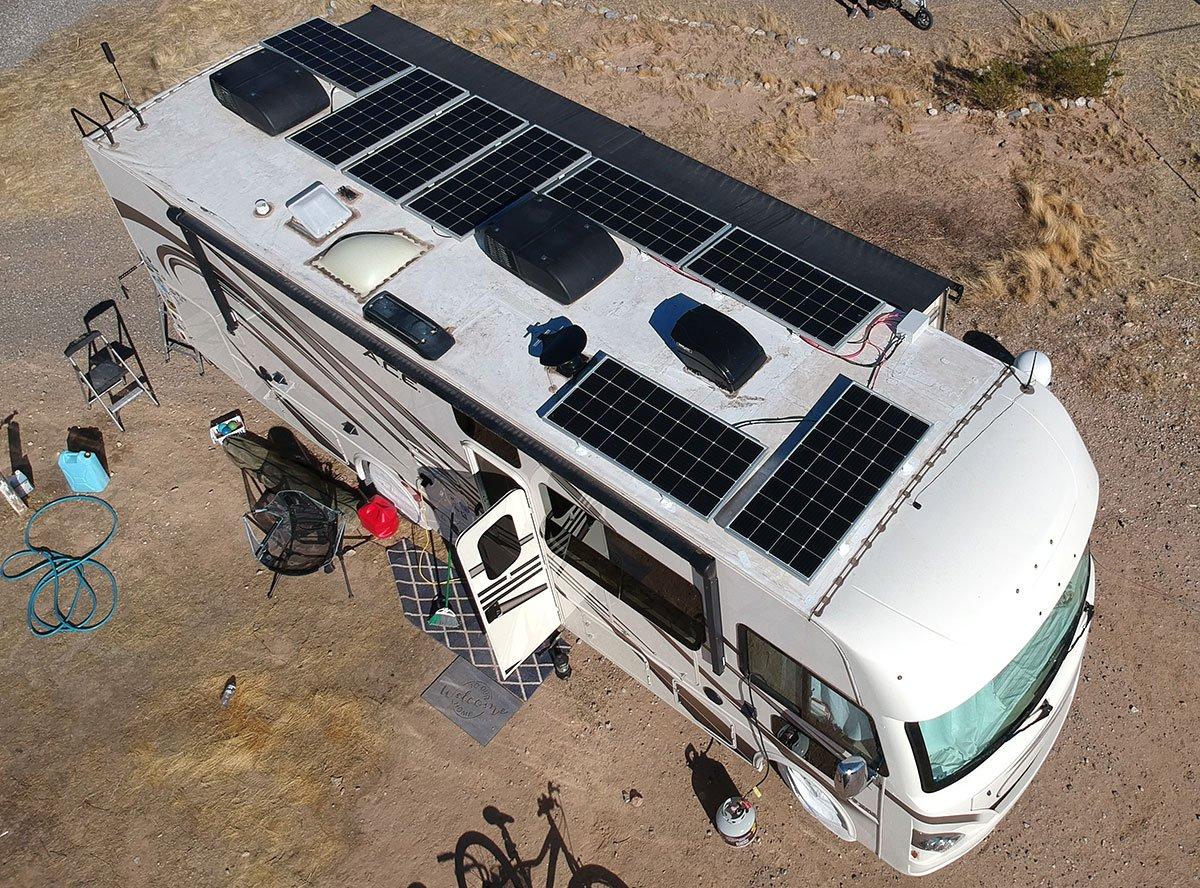
How to do?
1. Circuit Architecture Optimization (Circuit Damage Prevention)
Parallel string connection is preferred: Multiple roof panels should be connected in parallel to prevent the “weakest link” effect caused by a single panel being blocked, which would reduce the power of the entire string.
Independent MPPT routing: Multi-channel MPPT controllers are used to independently track different areas, isolating the effects of local occlusion.
2. Hardware selection and layout (physical obstacle avoidance and damage reduction)
- Avoid the roof’s shadow area: When installing, maintain a safe distance from tall obstacles such as air conditioners, antennas, and exhaust fans to prevent oblique sunlight from lengthening the shadow.
- Highly resilient components: Optional built-in multi-bypass diodes or solar panels using half-cut/shingled technology provide current bypass paths and reduce the risk of overheating.
3. Campsite practical training and daily operation and maintenance (details to avoid pitfalls)
Direction and location selection: Before parking, observe the sun’s trajectory and direct the sunlit side toward the main sun corner, avoiding the path of tree shadows.
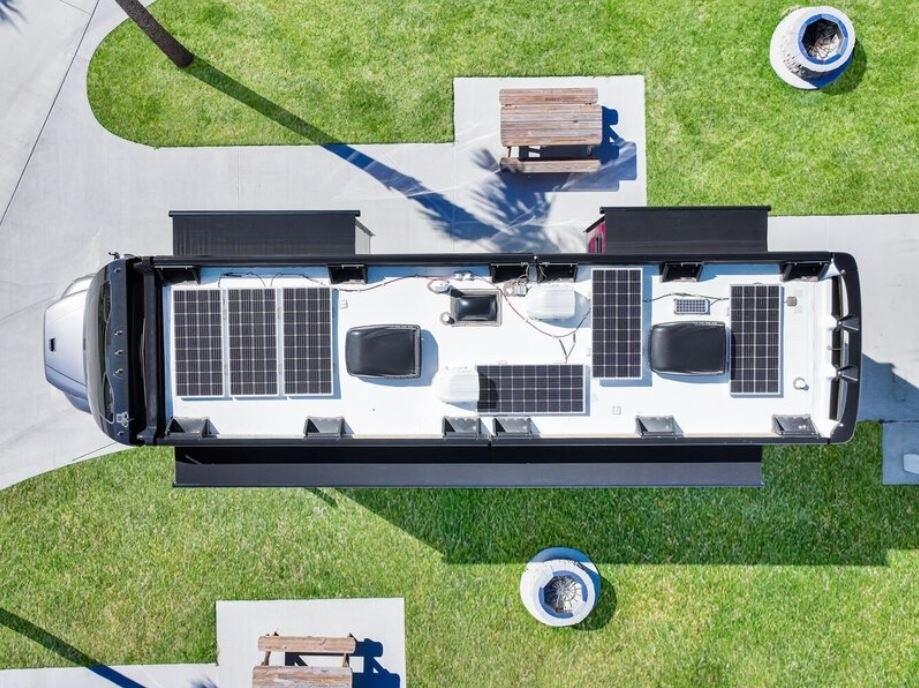
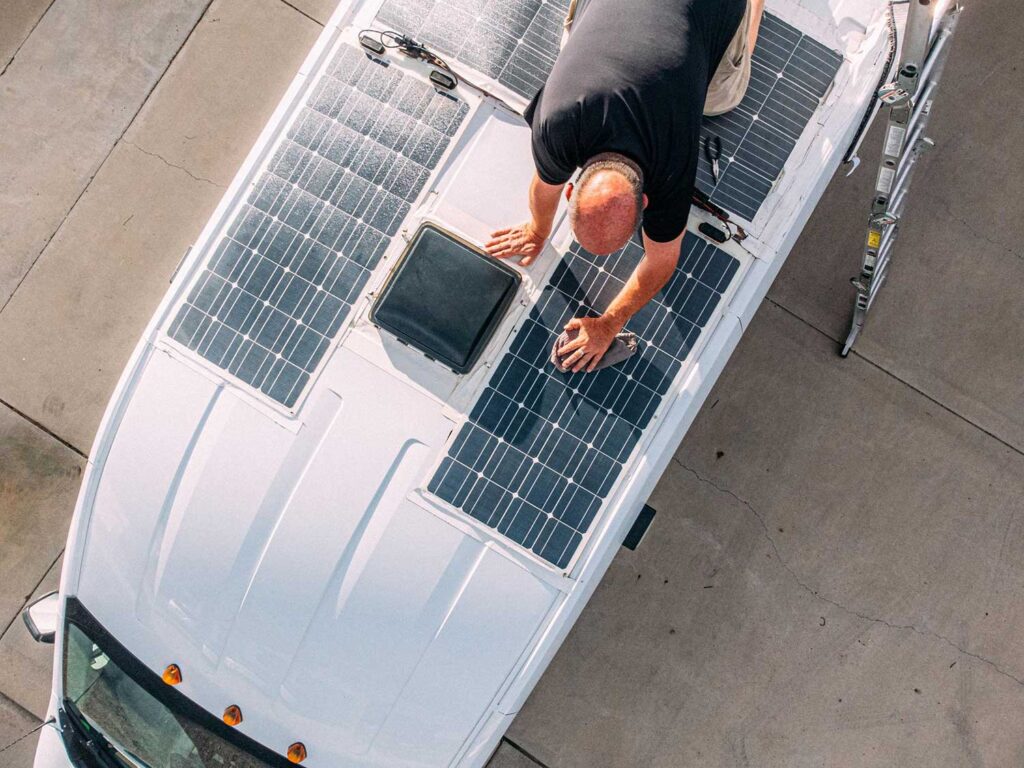
Cleaning and inspection: Clean leaves, bird droppings and dust off the vehicle roof in a timely manner to prevent heat spot effects and equipment damage caused by localized hard obstructions.
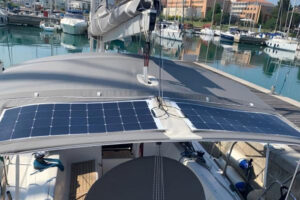
三、Marine & Yacht Solar: Mast and Rigging Are the Key Challenges:
One of the biggest differences between marine solar power and residential solar power is:
The obstruction itself may move.
Common sources of occlusion:
- Mast
- Boom
- Sails
- Rigging
- Radar
- Antennas
- Bimini structure
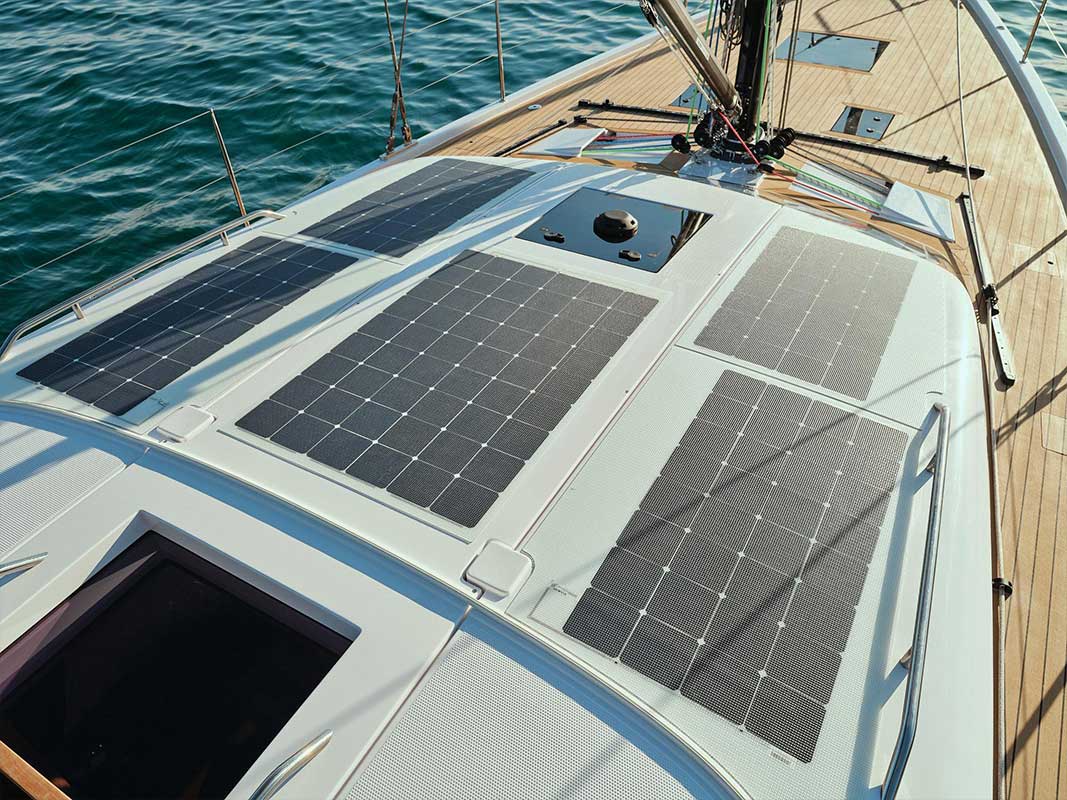
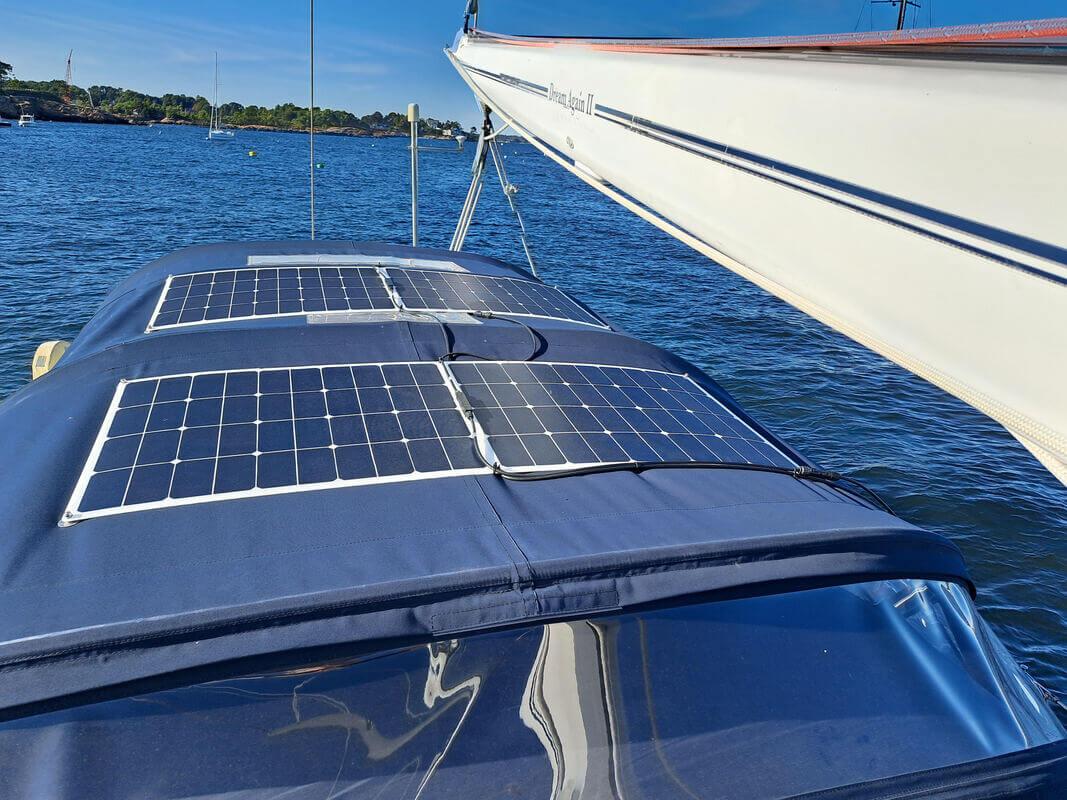
It is recommended that when installing solar panels on sailboats, special consideration should be given to the shadows cast by sails, rigging, and other structures during the main periods of sunlight.
四、Considering the different application scenarios of solar panels:
How can shadow loss be minimized from a comprehensive perspective that encompasses system design, installation, and operation?
Here’s a very concise summary:
1. Optimize Installation Position
Avoid fixed shading during peak power generation periods.
2. Divide Shaded and Unshaded Areas
Group the obstructed areas appropriately to avoid mixing components with different obstruction conditions in the same electrical circuit.
3. Use Bypass Diodes
Bypass diodes can bypass shaded sub-components, thereby reducing the impact of partial shading on the component.
4. Select the Right MPPT Architecture
Choose a single/multiple MPPT, parallel or series connection, or other solutions based on the actual application.
5. Consider Module-Level Electronics
For complex occlusion scenarios, Microinverter or Power Optimizer can be used.
6. Keep Modules Clean
Localized pollution such as dust, fallen leaves, and bird droppings can also create localized obstructions.
五、at last:
The shading problem cannot be solved simply by “increasing the number of solar panels”.
for:
- Residential Rooftop
- RV & Camper Vans
- Marine & Yachts
Different application scenarios require separate consideration:
Installation Layout + Shading Pattern + Module Design + Bypass Diodes + Wiring + MPPT
The ultimate goal is not to achieve:
Zero Shade
Instead:
Minimize Shading Loss and Maintain Reliable Energy Yield.
The prev: Glass Solar Panels for RVsThe next: How to Reduce the Risk of Hot Spots in Solar Panels?
Related recommendations
-

Zipper-style Flexible Solar Panels for Ship Shade Installation
186Customer Needs: The customer is a yacht solar panel installer in the local market, requiring long-term use at sea. They need lightweight yet stable solar panels that are easy to install and remove. Project Timeline: 2018Country: USACustomer Type: ...
View details -
Customized Flexible Solar Panels for Special RV Roofs
119Client Needs: The client's RV roof installation was unique, requiring a perfectly compatible solar panel to meet the roof's usage requirements. Project Time: 2016Country: FranceClient Type: RV Flexible Solar Panel DistributorProduct: Custom Mono S...
View details -
Glass Solar Panels for RVs
179Customer Needs: Are there solar panels that reduce wind resistance during RV operation?Project Time: 2024Country: AustraliaCustomer Type: Solar Panel Brand OwnerProduct: RV Solar PanelProduct Power: 100WOur Solution: Based on the customer's needs,...
View details -
Bright Solar Staff Party 2022
305Bright Solar Staff Party Everyone enjoy the moment in the party, smile in the face just like sunshine on the solar panel ! Happy work ,Happy life with Bright Solar !
View details