how many watts can a solar panel generate?
A solar panel can generate 50W to over 700W, depending on its size, solar cells, efficiency, and operating conditions. Residential panels commonly produce 250W–450W, while commercial modules can exceed 600W. Actual output depends on sunlight intensity, temperature, installation angle, and system design.
At Bright Solar, we evaluate solar output from real application conditions rather than only laboratory ratings. During flexible solar panel projects for RV, marine, and off-grid customers, we often find that the same rated wattage can deliver different daily energy because installation environments vary significantly.
A panel labeled 100W does not continuously produce 100 watts. The rating represents output under Standard Test Conditions (STC): 1000W/m² solar irradiance, 25°C cell temperature, and specific test conditions defined by the solar industry. Real-world production changes throughout the day.
According to the U.S. Department of Energy, solar photovoltaic system performance depends on factors including sunlight availability, module orientation, temperature, shading, and system losses.
Source: https://www.energy.gov/eere/solar/solar-photovoltaic-system-design-basics
What Determines How Many Watts a Solar Panel Can Generate?
Solar panel wattage is mainly determined by four practical factors:
| Factor | Impact on Solar Output |
|---|---|
| Panel rated power | Defines maximum output under STC conditions |
| Solar cell efficiency | Higher efficiency converts more sunlight into electricity |
| Panel size | Larger surface area allows more cells and higher watt ratings |
| Installation conditions | Heat, shading, angle, and dirt reduce actual output |
For example, a 100W flexible solar panel installed on an RV roof may produce less than its rated output during a cloudy afternoon. However, in strong sunlight with proper ventilation, it can approach its rated power.
Bright Solar’s flexible solar panels are designed for applications where weight, available space, and installation surfaces are important. RV roofs, boat decks, and curved surfaces often require different solutions compared with traditional rooftop solar installations.
Solar Panel Watt Output by Common Panel Sizes
Different applications require different watt ranges. The following values represent common market ratings:
| Solar Panel Size | Typical Rated Output | Common Applications |
|---|---|---|
| 50W–100W | Small power generation | Camping, sensors, portable systems |
| 100W–200W | Medium portable power | RVs, boats, outdoor equipment |
| 200W–400W | Residential and mobile systems | Homes, vans, off-grid systems |
| 400W–600W+ | High-power modules | Commercial solar installations |
A 200W solar panel does not always produce 200 watts every hour. If it receives 5 hours of strong sunlight, the theoretical daily energy is:
200W × 5 hours = 1000Wh (1kWh)
Real output may be lower because of controller efficiency, wiring losses, temperature effects, and weather conditions.
How Many Watts Does a Solar Panel Produce in Real Conditions?
The rated wattage is only the starting point. Field performance depends heavily on location and daily sunlight conditions.
A few examples:
- A 100W solar panel may generate around 300Wh–600Wh per day depending on sunlight hours.
- A 200W solar panel may produce approximately 0.6kWh–1.2kWh daily in suitable conditions.
- A 400W solar panel system can often generate several kilowatt-hours per day in sunny regions.
The National Renewable Energy Laboratory (NREL) provides PV performance modeling tools that account for solar radiation, temperature, system losses, and geographic conditions.
Source: https://pvwatts.nrel.gov/
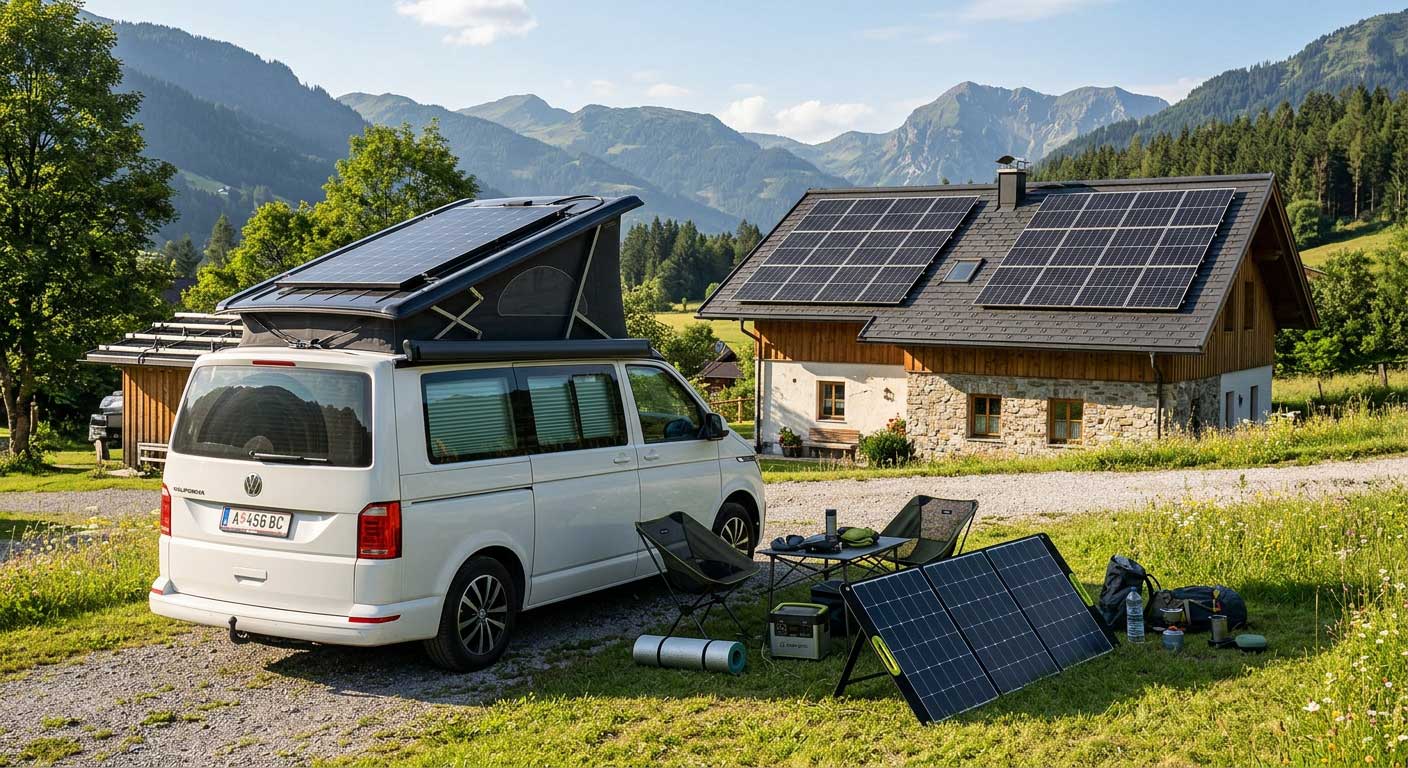
From Bright Solar’s engineering experience, flexible panels installed on vehicles often face challenges that fixed rooftop systems avoid. Roof curvature, airflow limitations, partial shading from roof accessories, and vehicle parking direction can noticeably influence daily generation.
A customer using a 200W flexible solar panel on a camper traveling through southern Europe may see very different results from the same panel installed permanently in Arizona.
Does a Higher Watt Solar Panel Always Produce More Power?
A higher watt rating generally means a panel can generate more electricity under identical conditions, but wattage alone is not the only consideration.
For mobile applications, a lower-weight flexible solar panel can sometimes provide better practical value than a heavier high-wattage module.
Important comparison factors include:
- Available installation area
- Panel weight limitations
- Required voltage and current
- Battery capacity
- Charge controller compatibility
- Environmental exposure
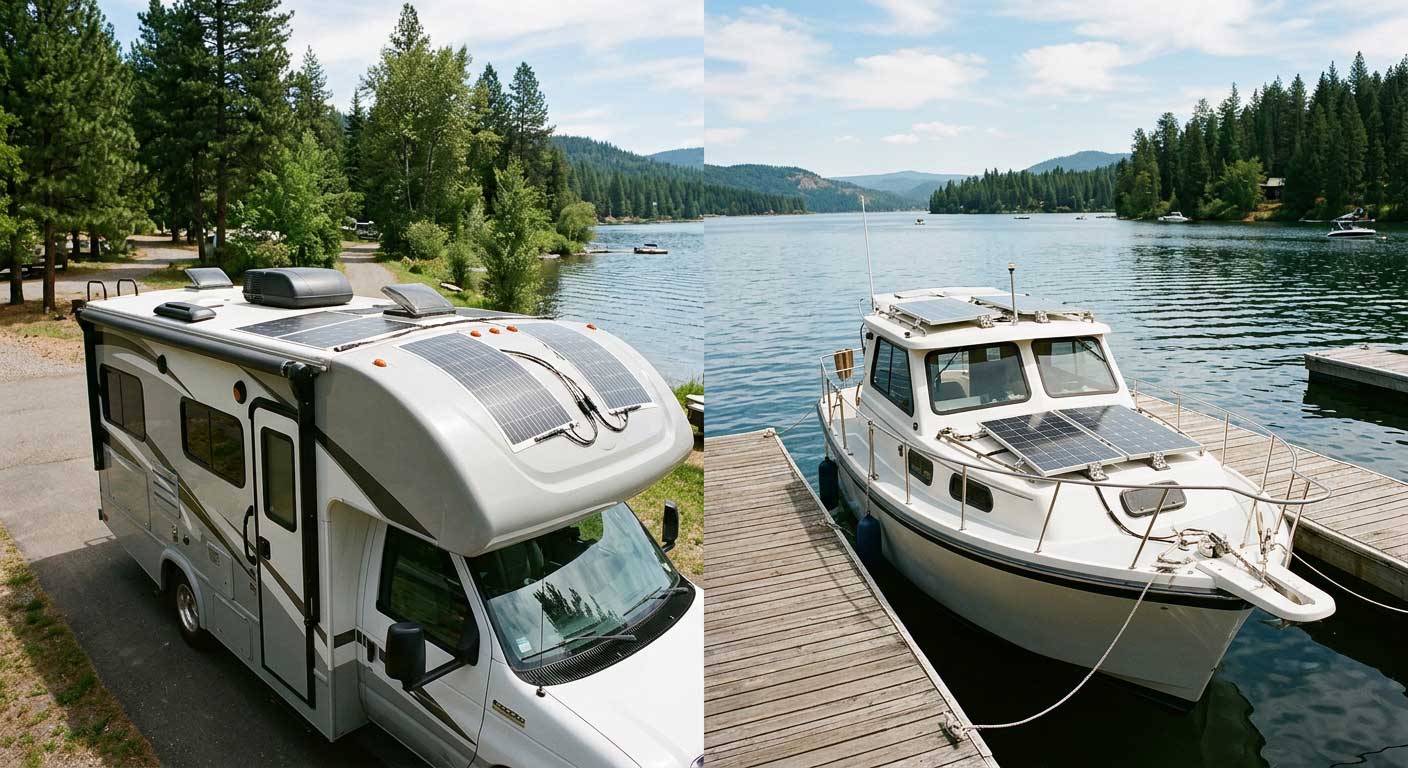
For example, marine applications often prioritize lightweight construction and durability because every kilogram matters. RV users may prefer flexible panels because they can fit curved roofs where rigid modules cannot be installed efficiently.
FAQ About Solar Panel Watt Generation
How many watts does a 100W solar panel actually produce?
A 100W solar panel can produce up to 100 watts under ideal test conditions. In daily use, output depends on sunlight hours, temperature, shading, and system efficiency.
Can a solar panel produce more watts than its rating?
Normally, a solar panel does not continuously exceed its rated wattage. However, brief increases can occur in unusual conditions such as strong sunlight reflection and low temperatures.
How many watts does a solar panel produce per day?
Daily production depends on sunlight hours. A 100W panel receiving five peak sun hours may theoretically generate about 500Wh per day before system losses.
Do flexible solar panels produce the same watts as rigid panels?
A flexible solar panel with the same rated wattage can produce similar electricity under matching conditions. Differences usually come from installation angle, temperature, and available sunlight exposure.
How many solar panels are needed for 1000 watts?
A 1000W system can be built using different combinations, such as ten 100W panels, five 200W panels, or two 500W panels, depending on product availability and design requirements.
Does temperature affect solar panel watt output?
Yes. Solar modules generally lose efficiency as cell temperature increases. Proper installation and ventilation can help reduce temperature-related losses.
Final Thoughts on how many watts can a solar panel generate
Understanding how many watts can a solar panel generate requires more than checking the label on the module. Rated wattage shows maximum laboratory performance, while real energy production depends on sunlight, installation conditions, and system design.
At Bright Solar, we help OEM partners, distributors, and project developers select suitable flexible solar solutions by considering actual application environments rather than only watt numbers. The right solar panel is not always the highest wattage model—it is the one that delivers reliable power where it is installed.
The prev: how many kwh will a solar panel produce?
Related recommendations
-

How to Attach Flexible Solar Panels?
285Learn how to attach flexible solar panels correctly on RVs, boats, vans, and curved roofs. Practical mounting tips, mistakes to avoid, and real-world installation advice from Bright Solar.
View details -
how to keep portable solar panels from being stolen?
164Secure portable solar panels with a physical cable lock and a fixed anchor, avoid leaving them unattended, and store them inside the RV when practical.
View details -
how much to have solar panels installed?
116Find out how much to have solar panels installed, including average costs, installation factors, incentives, and expert tips to reduce your solar investment with Bright Solar.
View details -
How Much a Solar Panel Can Generate Electricity?
185How much a solar panel can generate electricity depends on wattage, sunlight, and location. Learn real output estimates and expert solar insights from Bright Solar.
View details