How Many Solar Panels Do I Need?
How Many Solar Panels Do I Need?
Most homes require between 10 and 25 solar panels, depending on electricity consumption, local sunlight, panel wattage, and available roof space. A typical U.S. household using 10,000–11,000 kWh annually often needs a 6–8 kW system consisting of approximately 15–20 modern solar panels.
The first homeowner who asked me this question walked outside carrying his utility bills.
He pointed at his roof and said:
“Tell me how many panels fit.”
I asked a different question.
“How much electricity do you use?”
He looked surprised.
Most people begin with the roof.
Solar designers usually begin with the electric bill.
Because roofs do not consume electricity.
Homes do.
The Three Numbers That Matter
When calculating how many solar panels are needed, three factors determine almost everything:
- Annual electricity usage.
- Local sunlight conditions.
- Solar panel wattage.
The U.S. Energy Information Administration reports that the average American household consumes approximately 10,500 kWh of electricity annually.
Source:
A home in Arizona and a home in Seattle may use similar electricity.
Their solar requirements can differ considerably.
Sunlight changes the equation.
Basic Solar Panel Calculation
The simplest formula is:
Annual Electricity Usage ÷ Annual Production Per Panel = Number of Panels
Example:
- Annual consumption: 10,800 kWh
- 400W solar panel
- Average production: 550 kWh annually per panel
Result:
Approximately 20 panels.
This is not perfect.
It is a starting point.
Real-world design adds shading, orientation, weather, and system losses.
Typical Household Requirements
| Annual Electricity Use | Estimated System Size | Number of 400W Panels |
|---|---|---|
| 6,000 kWh | 4–5 kW | 10–13 |
| 8,000 kWh | 5–6 kW | 13–15 |
| 10,000 kWh | 7 kW | 17–18 |
| 12,000 kWh | 8–9 kW | 20–23 |
| 15,000 kWh | 10–11 kW | 25–28 |
Several homeowners become disappointed when they discover their roof only supports 14 panels.
Others discover they need far fewer than expected.
The utility bill often tells the truth.
Panel Wattage Makes a Difference
Twenty years ago, residential panels commonly produced:
- 200W.
- 250W.
Today, many residential modules range between:
- 400W.
- 450W.
- 500W.
Higher wattage means fewer panels.
Example:
| Panel Power | Panels Needed for 8 kW |
|---|---|
| 300W | 27 |
| 400W | 20 |
| 450W | 18 |
| 500W | 16 |
During one project inspection, the homeowner assumed he needed thirty panels because his neighbor had thirty.
His neighbor had installed older 275W modules.
Technology had changed.
The roof requirement had changed with it.
Sunlight Hours Affect Panel Quantity
Not every location receives the same sunlight.
According to the National Renewable Energy Laboratory, solar production varies significantly across the United States.
Source:
Average peak sun hours:
| Location | Peak Sun Hours |
|---|---|
| Arizona | 6–7 hours |
| Texas | 5–6 hours |
| Florida | 5–6 hours |
| New York | 4–5 hours |
| Washington | 3–4 hours |
A homeowner in Phoenix may require fewer panels than a homeowner in Oregon using the same amount of electricity.
The roof is identical.
The sky is not.
Roof Space Requirements
Modern 400W panels typically occupy:
- Approximately 20 square feet.
Estimated roof area:
| Number of Panels | Roof Area |
|---|---|
| 10 panels | 200 sq ft |
| 15 panels | 300 sq ft |
| 20 panels | 400 sq ft |
| 25 panels | 500 sq ft |
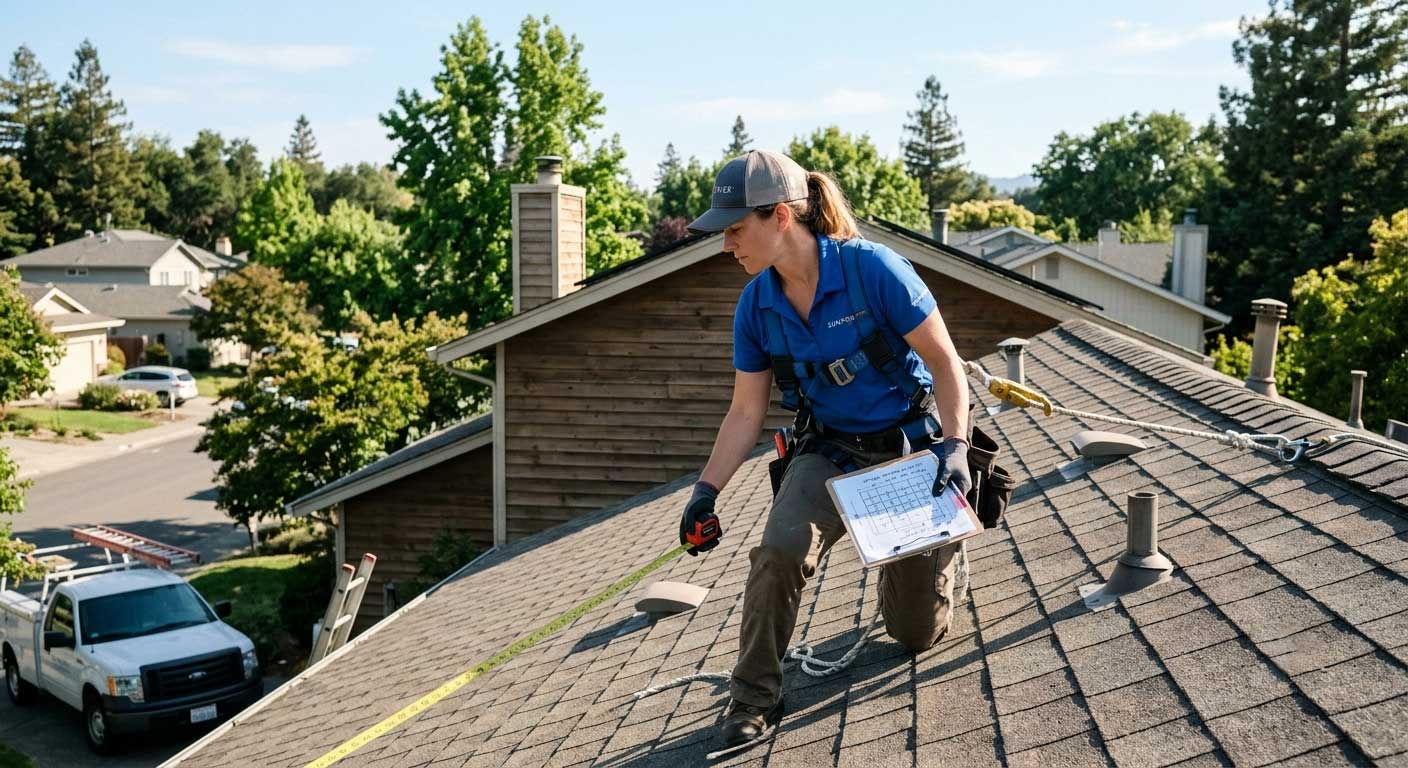
Trees complicate everything.
Chimneys complicate everything.
Skylights rarely cooperate.
One installer told me:
“Roofs never look as large once the vents show up.”
He was right.
Factors That Increase Panel Requirements
- Shade.
- East-facing roofs.
- Snow accumulation.
- High electricity consumption.
- Older equipment.
- Future EV charging.
Several homeowners intentionally oversize their systems because they expect future electricity demand.
Electric vehicles have changed many calculations.
How Many Solar Panels for Common Situations?
Small Cabin
- 2–6 panels.
RV
- 2–8 flexible panels.
Tiny House
- 6–12 panels.
Average Family Home
- 15–22 panels.
Large Home with EV
- 25–35 panels.
The answer often depends more on lifestyle than square footage.
A small home with electric heating may consume more electricity than a large house with natural gas.
Flexible Solar Panels and Portable Systems
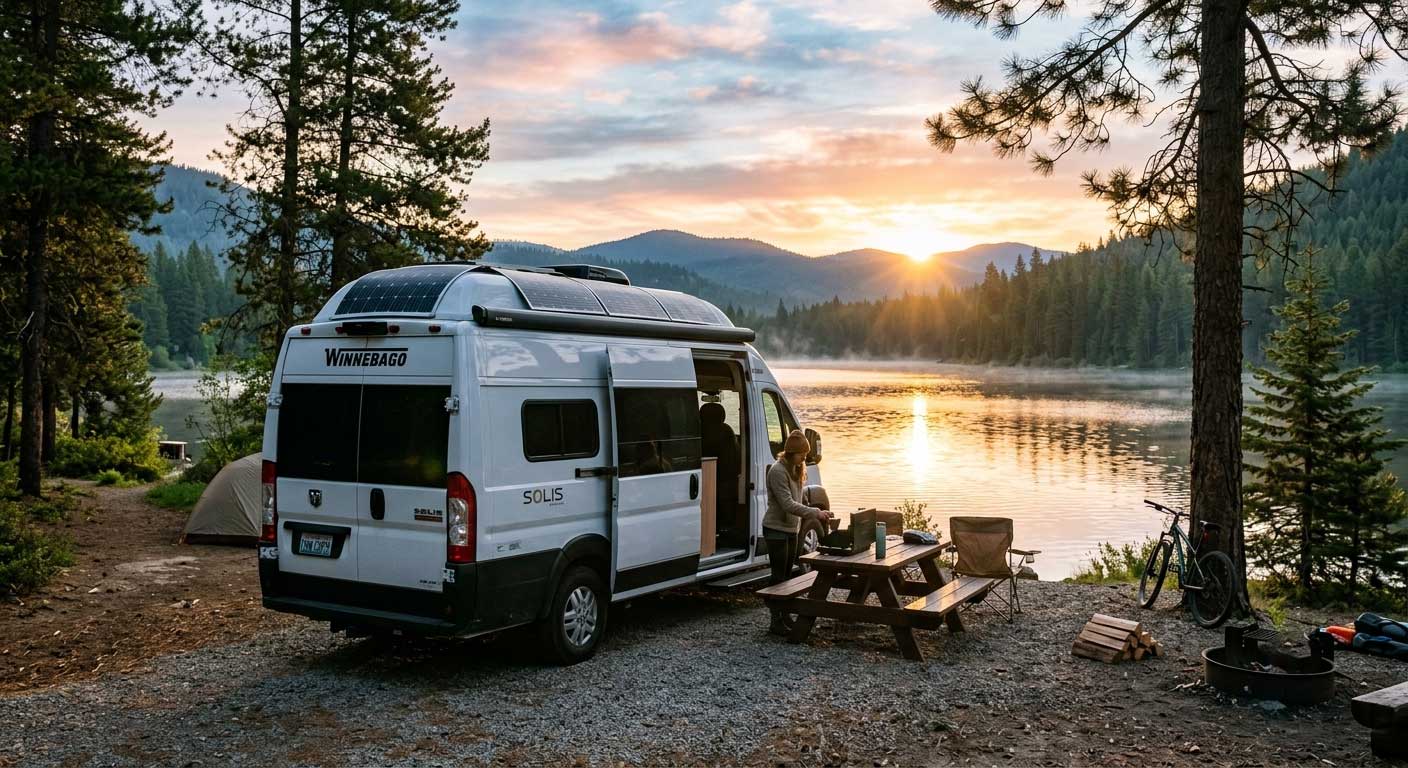
Flexible panels are increasingly used for:
- RVs.
- Boats.
- Camper vans.
- Portable power stations.
Typical configurations:
| Application | Solar Capacity |
|---|---|
| Small camper | 200W |
| Van conversion | 400–800W |
| Sailboat | 300–600W |
| Off-grid RV | 800–1,500W |
One van owner I met carried six flexible panels.
He worked remotely and powered:
- Laptops.
- Refrigeration.
- Starlink.
- Lighting.
His energy use looked more like an apartment than a camper.
Oversizing Is Sometimes Smart
Many installers add extra capacity.
Reasons include:
- Future appliances.
- Battery charging.
- EV ownership.
- System degradation.
According to the Solar Energy Industries Association, electricity demand continues evolving as households adopt electrification technologies.
Source:
Solar systems built today may serve very different homes ten years from now.
Author Experience
Michael Turner has spent more than twelve years evaluating solar products, sizing residential systems, inspecting RV installations, and analyzing energy consumption patterns.
Professional experience includes:
- Residential system assessments.
- RV solar design.
- Flexible panel testing.
- Off-grid applications.
- Performance analysis.
Many examples within this article come directly from real homeowner consultations, field inspections, and energy assessments.
FAQ about How Many Solar Panels Do I Need?
How many solar panels do I need for a 2,000-square-foot house?
Most homes of this size require approximately 15–25 panels, depending on energy consumption.
How many solar panels power an RV?
Most RV systems use between 2 and 8 panels.
Can I install extra panels?
Yes. Many homeowners oversize systems to meet future energy demands.
Does panel efficiency reduce the number of panels?
Yes. Higher-efficiency panels usually require less roof space.
Can shading increase the number of panels needed?
Yes. Shade can significantly reduce production and increase system size requirements.
Visit product page:Flexible Solar Panel
Final Thoughts
People searching how many solar panels do I need usually want a number.
Ten.
Fifteen.
Twenty.
After years of walking roofs, measuring electrical loads, and reviewing utility bills, I rarely begin with the panels.
I begin with the habits.
How much electricity do you use?
Will you buy an electric vehicle?
Will you add batteries?
Will your family grow?
The roof only tells part of the story.
The electric bill tells another.
And somewhere between those two numbers sits the answer to how many solar panels you actually need.
Related recommendations
-

How to Dispose of Solar Panels?
192Learn how to dispose of solar panels safely, recycle old photovoltaic modules, reduce solar energy waste, and understand solar panel recycling options.
View details -
How Much Are Solar Panels for House?
106How much are solar panels for house? Explore real home solar costs, installation factors, system pricing, and expert insights from Bright Solar.
View details -
How to Connect Portable Solar Panel to RV Battery?
96Connect a portable solar panel to an RV battery through a compatible charge controller, with correct polarity, fuse protection, and battery settings.
View details -
How Much Energy Can One Solar Panel Produce?
161Discover how much energy can one solar panel produce, including solar panel output, watts, kWh generation, and real-world factors affecting electricity production.
View details