How Long a Solar Panel Will Last?
How Long a Solar Panel Will Last?
A quality solar panel will typically last 25–30 years or longer, with many modern panels still producing electricity after three decades. The actual lifespan depends on material quality, installation conditions, climate exposure, and how quickly the panel efficiency decreases over time.
When customers ask how long a solar panel will last, they usually expect a simple number. In reality, solar panels do not suddenly stop working after a fixed period. They gradually lose efficiency year after year while continuing to generate electricity.
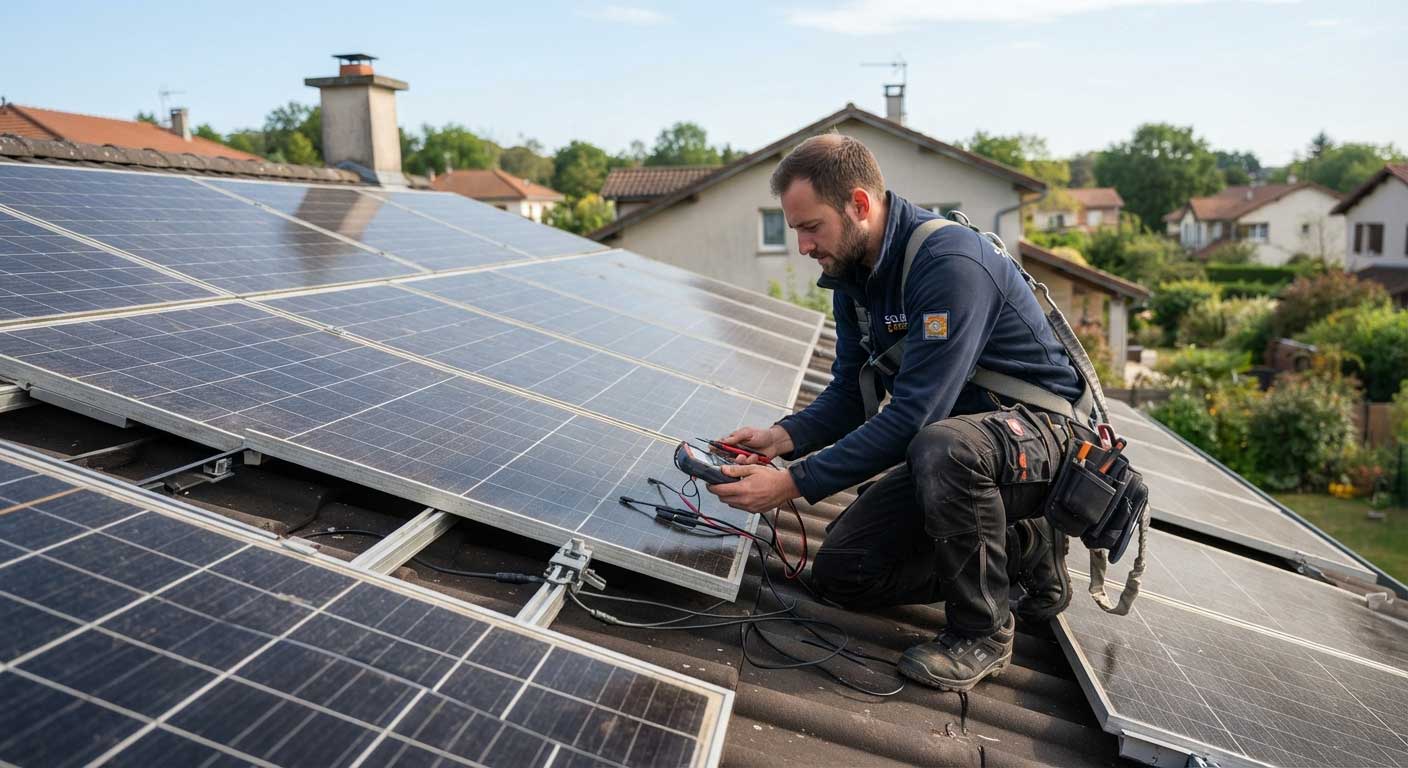
During my years working with Bright Solar projects, I have inspected solar installations exposed to strong coastal winds, intense desert heat, heavy rain, and freezing temperatures. The difference between a panel that performs well after 25 years and one that struggles earlier usually comes down to material selection, protection layers, and proper installation.
A solar panel is not like a battery that reaches zero capacity overnight. It is more similar to a high-quality building material that slowly ages.
How Long Do Solar Panels Usually Last?
Most manufacturers design modern photovoltaic panels for a service life of 25 years or more.
According to the National Renewable Energy Laboratory (NREL), photovoltaic modules typically experience gradual performance decline rather than sudden failure. Research from NREL shows that many PV systems have degradation rates around 0.5% per year, although actual results vary depending on technology, climate, and installation quality.
Source:
https://www.nrel.gov/
This means a solar panel rated at 100% output when new may still operate around:
| Years Installed | Approximate Remaining Output |
|---|---|
| 0 years | 100% |
| 10 years | Around 95% |
| 20 years | Around 90% |
| 25 years | Around 87–90% |
| 30+ years | Often above 80% |
These numbers explain why many older solar systems continue producing valuable electricity decades after installation.
What Determines Solar Panel Lifespan?
Several factors influence how long a solar panel will last.
1. Solar Panel Materials
The materials protecting photovoltaic cells play a major role.
High-quality panels usually include:
- Tempered glass or durable surface coatings
- Weather-resistant encapsulation materials
- Strong aluminum frames
- Reliable junction boxes
- UV-resistant protective layers
For flexible solar panels, material selection becomes even more important because the panel structure must handle bending, vibration, and outdoor exposure.
At Bright Solar, we pay close attention to surface protection because flexible modules are often installed in demanding environments such as RV roofs, boats, and off-grid locations.
2. Climate and Installation Environment
A solar panel installed in a mild climate experiences different stress compared with one installed near the ocean or in extreme heat.
Environmental factors include:
- High temperatures
- Humidity
- Salt exposure
- Snow and ice
- Strong UV radiation
- Wind loading
For example, a marine solar installation requires additional attention because salt air can accelerate corrosion on poorly protected components.
3. Solar Panel Degradation Rate
Solar degradation refers to the gradual reduction in electricity output over time.
The first year often sees a slightly higher decrease due to initial stabilization, followed by slower annual degradation.
A simple example:
A 400W solar panel with a 0.5% yearly degradation rate may still produce approximately:
- Around 380W after 10 years
- Around 360W after 20 years
- Around 350W after 30 years
The panel continues working; it simply produces slightly less energy than when brand new.
How Long Do Different Types of Solar Panels Last?
Not every solar panel has the same expected lifespan. The technology, construction method, and installation environment all influence how long the system can continue producing energy.
Monocrystalline Solar Panels
Monocrystalline panels are currently among the most common choices for residential and commercial installations.
Typical lifespan:
- 25–30+ years
- Low annual degradation
- High efficiency performance
- Strong outdoor durability
Because they use high-purity silicon cells, they usually maintain better long-term output compared with older technologies.
Flexible Solar Panels
Flexible solar panels are designed for applications where traditional glass panels are not practical.
Typical lifespan:
- 10–25 years depending on construction quality
- Lightweight design
- Suitable for RVs, boats, and curved surfaces
- Requires high-quality protective materials
From my experience reviewing mobile solar projects, flexible panels often fail earlier because of installation mistakes rather than the solar cells themselves. Poor adhesive selection, repeated mechanical stress, and inadequate waterproofing can shorten service life.
A well-designed flexible panel with durable ETFE protection and proper installation can continue performing reliably for many years.
What Happens After 25 Years?
A common misunderstanding is that solar panels stop producing electricity after their warranty period ends.
That is not correct.
Most manufacturers provide a product warranty and a performance warranty separately.
A typical structure looks like this:
| Warranty Type | Common Coverage |
|---|---|
| Product warranty | 10–15 years |
| Performance warranty | 25–30 years |
| Expected operation | Often beyond 30 years |
After 25 years, a solar panel may produce slightly less electricity, but it can still provide meaningful energy savings.
I have visited older installations where homeowners expected replacement after two decades, only to find the original panels were still producing enough power for their daily needs.
The decision to replace aging panels usually depends on economics rather than whether the panels still function.
How to Extend Solar Panel Lifespan?
Solar panels require surprisingly little maintenance, but several practices can protect long-term performance.
Keep Panels Clean
Dust, leaves, bird droppings, and pollution can reduce sunlight reaching the cells.
Cleaning frequency depends on location:
- Dry desert areas may need more frequent cleaning.
- Rainy climates often require less maintenance.
- Coastal areas should monitor salt buildup.
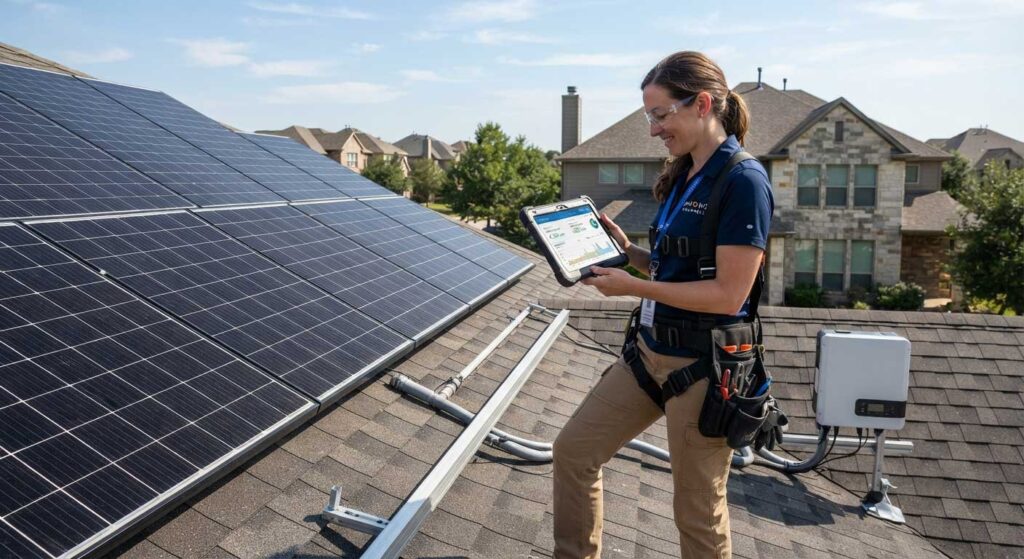
Monitor System Performance
A sudden drop in electricity production may indicate:
- Shading changes
- Inverter problems
- Connection issues
- Physical damage
Modern monitoring systems make it easier to identify problems before they become expensive repairs.
Choose Quality Installation
The installation process affects lifespan as much as the panel itself.
Incorrect mounting, poor wiring, or insufficient waterproof protection can create problems years later.
This is something we emphasize at Bright Solar: a durable solar system is not only about selecting a high-quality module; it is about designing the complete energy solution correctly.
FAQ About How Long a Solar Panel Will Last?
How long a solar panel will last on a house?
Most residential solar panels last between 25 and 30 years. Many systems continue producing electricity beyond that period, although output gradually decreases over time.
Do solar panels stop working after 25 years?
No. The 25-year mark usually refers to performance expectations or warranties, not the point when a panel stops generating power.
What is the average solar panel degradation rate?
Most modern panels degrade around 0.3%–0.5% per year, depending on the manufacturer, materials, and environmental conditions.
How long do flexible solar panels last?
High-quality flexible solar panels can last 10–25 years depending on protective materials, installation method, and exposure conditions.
Can solar panels last 40 years?
Some older photovoltaic systems have continued operating for more than 40 years, but their efficiency is usually lower compared with modern modules.
Should I replace solar panels after 25 years?
Not necessarily. Replacement depends on electricity production, repair costs, technology improvements, and whether upgrading provides financial benefits.
Conclusion
A solar panel does not have a fixed expiration date. It slowly changes over time, continuing to produce electricity even after decades of outdoor exposure.
After working with Bright Solar projects in residential, RV, marine, and off-grid environments, I have seen that the longest-lasting systems share the same characteristics: reliable materials, careful installation, and realistic maintenance expectations.
When people ask how long a solar panel will last, the practical answer is usually 25–30 years or more. But the real question is not only how long the panel survives—it is how much useful energy it continues producing throughout that journey.
Choosing a well-built solar panel today can mean decades of dependable power tomorrow.
Related recommendations
-

How Does Solar Panels Work on a House?
158Solar panels convert sunlight into DC electricity, while an inverter converts it to AC power for household use, with the grid or battery covering shortfalls.
View details -
what way should solar panels face?
131In the Northern Hemisphere, solar panels generally face true south; in the Southern Hemisphere, true north is usually preferred.
View details -
How to connect solar panels to battery?
31How to connect solar panels to battery? 2026-10-12FQA 10 To connect solar panels to a battery, install a solar charge controller between the panel and batter...
View details -
How Much To Purchase Solar Panels?
249How much to purchase solar panels? Explore real solar panel prices, wattage costs, installation factors, and expert buying advice from Bright Solar.
View details