How Flexible Solar Panels Keep From Overheating?
How Flexible Solar Panels Keep From Overheating?
Flexible solar panels keep from overheating through heat-resistant materials, high-efficiency monocrystalline cells, advanced ETFE coatings, and proper installation methods. While they naturally run warmer than traditional framed panels, quality flexible solar panels are engineered to operate safely and efficiently even in demanding outdoor environments.
One of the hottest panel surfaces I’ve ever measured wasn’t in Arizona or Nevada.
It was on a white fiberglass yacht docked in southern Florida.
The ambient temperature that afternoon was about 91°F (33°C). The flexible panel surface was approaching 154°F (68°C).
The boat owner was concerned.
The panel looked fine.
The charge controller showed normal production.
Nothing appeared wrong.
In fact, that temperature wasn’t unusual.
That moment highlighted a common misunderstanding in the solar industry. People often assume a hot solar panel means a failing solar panel. In reality, solar modules are designed to absorb sunlight. Heat is an unavoidable byproduct of that process.
The real question isn’t whether flexible solar panels get hot.
They do.
The real question is how flexible solar panels keep from overheating and maintain long-term reliability despite those temperatures.
Why Solar Panels Generate Heat in the First Place
Every solar panel converts sunlight into electricity.
But no solar panel converts all incoming solar energy into usable power.
A significant portion becomes heat.
Even premium monocrystalline panels operate within a range where much of the absorbed solar energy never reaches your battery system.
According to the U.S. Department of Energy, commercial solar panel efficiencies commonly range from around 15% to more than 22%, meaning a large percentage of incoming solar energy becomes heat rather than electricity.
Source:
https://www.energy.gov
That heat must go somewhere.
Traditional framed panels release some of it through airflow beneath the module.
Flexible panels often sit closer to the mounting surface, making thermal management even more important.
How Flexible Solar Panels Keep From Overheating
The answer isn’t one technology.
It’s a combination of design choices working together.
High-Efficiency Monocrystalline Cells
The first line of defense starts inside the solar cell itself.
Higher-efficiency monocrystalline cells convert more sunlight into electricity.
More electricity means less wasted energy becoming heat.
That doesn’t eliminate heating entirely.
It simply improves energy conversion.
This is one reason premium flexible panels almost always use monocrystalline technology rather than older cell designs.
ETFE Surface Technology
The outer surface plays a larger role than many buyers realize.
Years ago, many low-cost flexible panels used PET coatings.
Some worked reasonably well.
Others aged quickly under intense UV exposure.
Today, most premium flexible solar panels use ETFE surfaces.
Benefits include:
- Improved UV resistance
- Better thermal stability
- Enhanced weather durability
- Higher light transmission
- Better long-term performance
According to material performance data published by DuPont, ETFE maintains excellent optical and environmental properties even after prolonged outdoor exposure.
Source:
https://www.dupont.com
The material doesn’t make a panel cool.
It helps the panel survive heat more effectively.
Surface Temperature vs Operating Reliability
One mistake I see repeatedly is treating surface temperature as a direct indicator of panel health.
It isn’t.
A flexible panel operating at 150°F (66°C) may still be functioning normally.
What matters is whether temperatures exceed the design limits established by the manufacturer.
Typical summer operating temperatures look like this:
| Condition | Typical Temperature |
|---|---|
| Air Temperature | 86°F (30°C) |
| Framed Solar Panel Surface | 122°F–149°F (50°C–65°C) |
| Flexible Solar Panel Surface | 131°F–167°F (55°C–75°C) |
| Dark Roof Surface | 140°F–176°F (60°C–80°C) |
Notice something interesting.
The roof itself is often just as hot as the solar panel.
Sometimes hotter.
That surprises many first-time buyers.

Installation Plays a Bigger Role Than Most People Think
Not all overheating concerns are caused by the panel itself.
I’ve seen nearly identical systems produce noticeably different temperatures simply because of installation choices.
One example involved two RV owners using the same flexible panel model.
The first mounted the panel directly onto a dark-painted steel roof.
The second mounted it on a white fiberglass roof with partial air gaps beneath the installation.
The temperature difference was significant.
The solar panels were identical.
The mounting surfaces were not.
Several factors affect operating temperatures:
- Roof color
- Roof material
- Air circulation
- Geographic location
- Installation method
- Ambient temperature
- Solar irradiance levels
These details rarely appear in product brochures, yet they often determine real-world performance.
White Roofs Usually Run Cooler
White fiberglass reflects more sunlight than dark steel or aluminum surfaces.
That reflection reduces heat accumulation beneath the panel.
Many experienced RV installers prefer lighter-colored mounting surfaces for this reason.
What Happens When Flexible Solar Panels Get Too Hot?
Heat itself isn’t necessarily harmful.
Prolonged exposure to excessive temperatures combined with poor-quality materials is where problems begin.
Historically, overheating-related failures have included:
- Surface discoloration
- Delamination
- Reduced light transmission
- Adhesive degradation
- Reduced electrical performance
Modern ETFE-based panels have dramatically improved resistance to these issues.
The National Renewable Energy Laboratory (NREL) continues to study long-term module durability under thermal cycling and environmental stress conditions.
Source:
https://www.nrel.gov
This research has helped manufacturers improve material selection and construction methods.
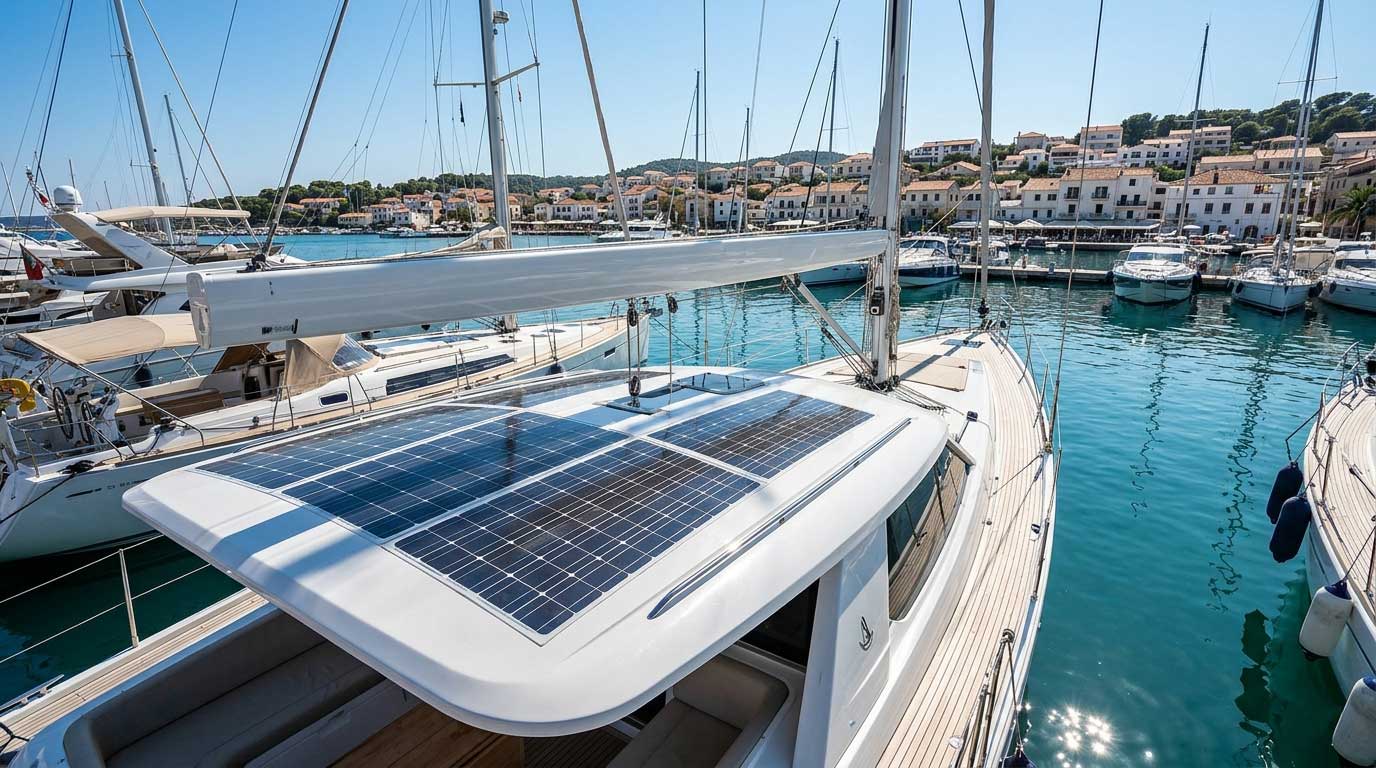
Lessons from Marine Installations
Marine applications are among the harshest environments for solar panels.
Salt spray.
High humidity.
Constant vibration.
Intense sunlight.
Yet many flexible solar systems continue operating reliably for years.
Why?
Because marine installers tend to focus on system design rather than chasing specifications.
They pay attention to:
- Surface preparation
- Mounting quality
- Material selection
- Cable routing
- Drainage paths
Those practical details often matter more than theoretical temperature ratings.
One experienced yacht installer told me something years ago that still holds true:
“Most solar failures aren’t caused by the sun. They’re caused by shortcuts.”
That observation remains surprisingly accurate.
How to Help Flexible Solar Panels Stay Cooler
Several practical strategies can improve thermal performance.
Choose Premium ETFE Panels
Better materials handle prolonged heat more effectively.
Install on Light-Colored Surfaces
Reflective surfaces reduce heat buildup.
Keep Panels Clean
Dust and debris can increase heat absorption.
Avoid Partial Shading
Uneven shading can create localized hotspots.
Follow Manufacturer Installation Guidelines
Many temperature-related issues originate from improper mounting rather than product design.
FAQ:How Flexible Solar Panels Keep From Overheating?
How flexible solar panels keep from overheating compared with rigid panels?
Flexible solar panels use heat-resistant materials, efficient solar cells, and proper installation techniques to manage temperatures, although they often run warmer than framed panels.
Do flexible solar panels get hotter than traditional panels?
Yes. Flexible panels generally operate at higher surface temperatures because they sit closer to the mounting surface and have less airflow underneath.
Is ETFE better for heat resistance?
Yes. ETFE offers superior UV resistance, thermal stability, and environmental durability compared with many older coating materials.
Can overheating damage flexible solar panels?
Prolonged exposure to excessive temperatures combined with poor-quality materials may accelerate aging and performance degradation.
Are flexible solar panels suitable for hot climates?
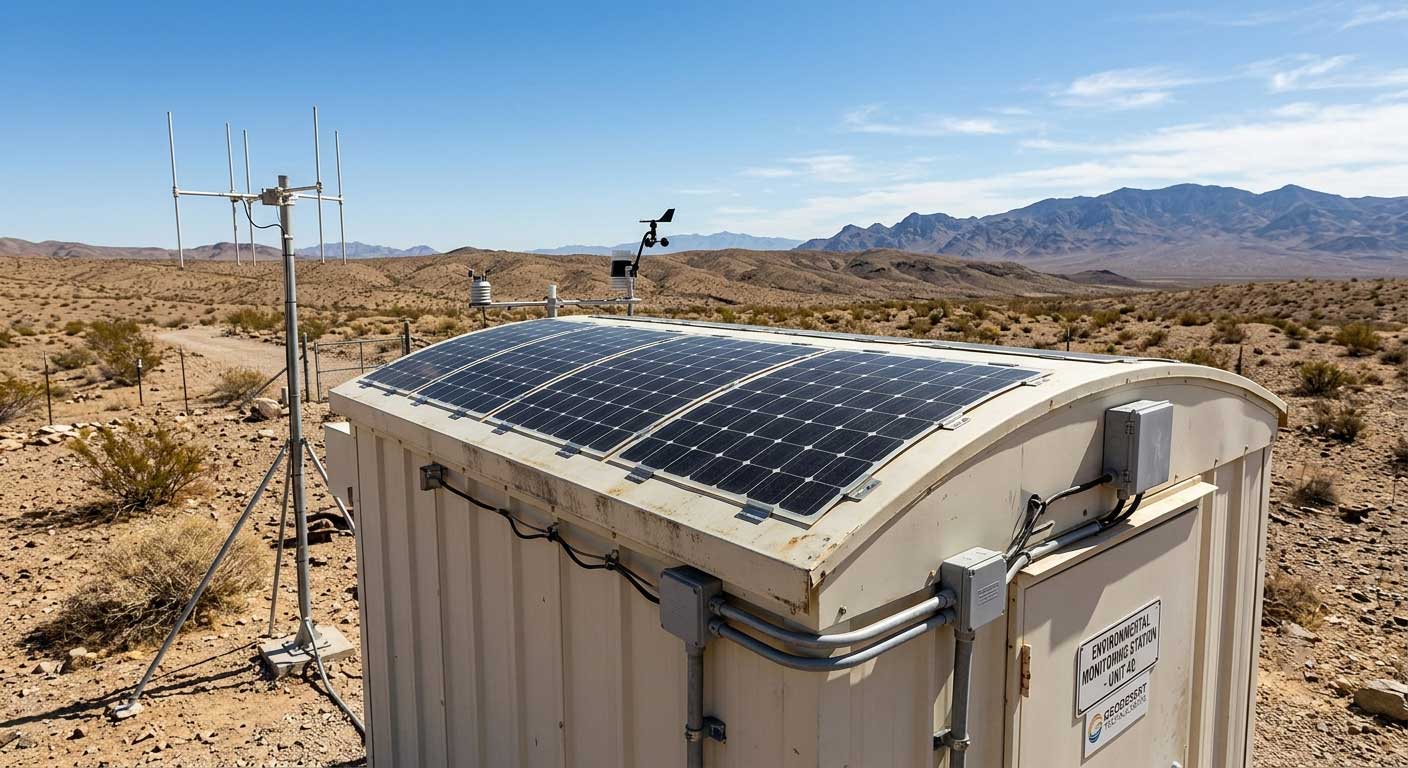
Absolutely. High-quality flexible solar panels are widely used in desert regions, marine environments, and RV applications where temperatures regularly exceed 100°F (38°C).
Final Thoughts
Understanding how flexible solar panels keep from overheating requires looking beyond surface temperature alone. Modern flexible solar panels rely on efficient monocrystalline cells, ETFE protective layers, durable construction methods, and proper installation practices to manage heat effectively. When quality materials and correct installation come together, flexible solar panels can deliver dependable performance even in some of the hottest environments where renewable energy systems operate.
Related recommendations
-

How Much Does One Solar Panel Cost?
156How much does one solar panel cost? Discover current solar panel prices, what affects costs, and how to choose the right panel for your home with Bright Solar's expert guide.
View details -
How To Mount Solar Panels On RV Roof?
169How to mount solar panels on RV roof? Learn professional RV solar installation steps, mounting methods, tools, and practical tips from Bright Solar.
View details -
how do solar panels generate electricity?
219Learn how do solar panels generate electricity with real photovoltaic physics, field insights, and Bright solar engineering explanation of energy conversion process.
View details -
How Do You Clean Solar Panels on Roof?
197Learn how do you clean solar panels on roof safely with proper tools and methods. Bright Solar explains solar panel cleaning tips to maintain energy output.
View details