how do flexible solar panels work?
how do flexible solar panels work?
Flexible solar panels work by converting sunlight into direct current (DC) electricity through photovoltaic cells mounted on thin, bendable layers instead of rigid glass. They are lighter than traditional panels, easier to mount on curved surfaces, and widely used on RVs, vans, boats, and off-grid systems where weight and flexibility matter.
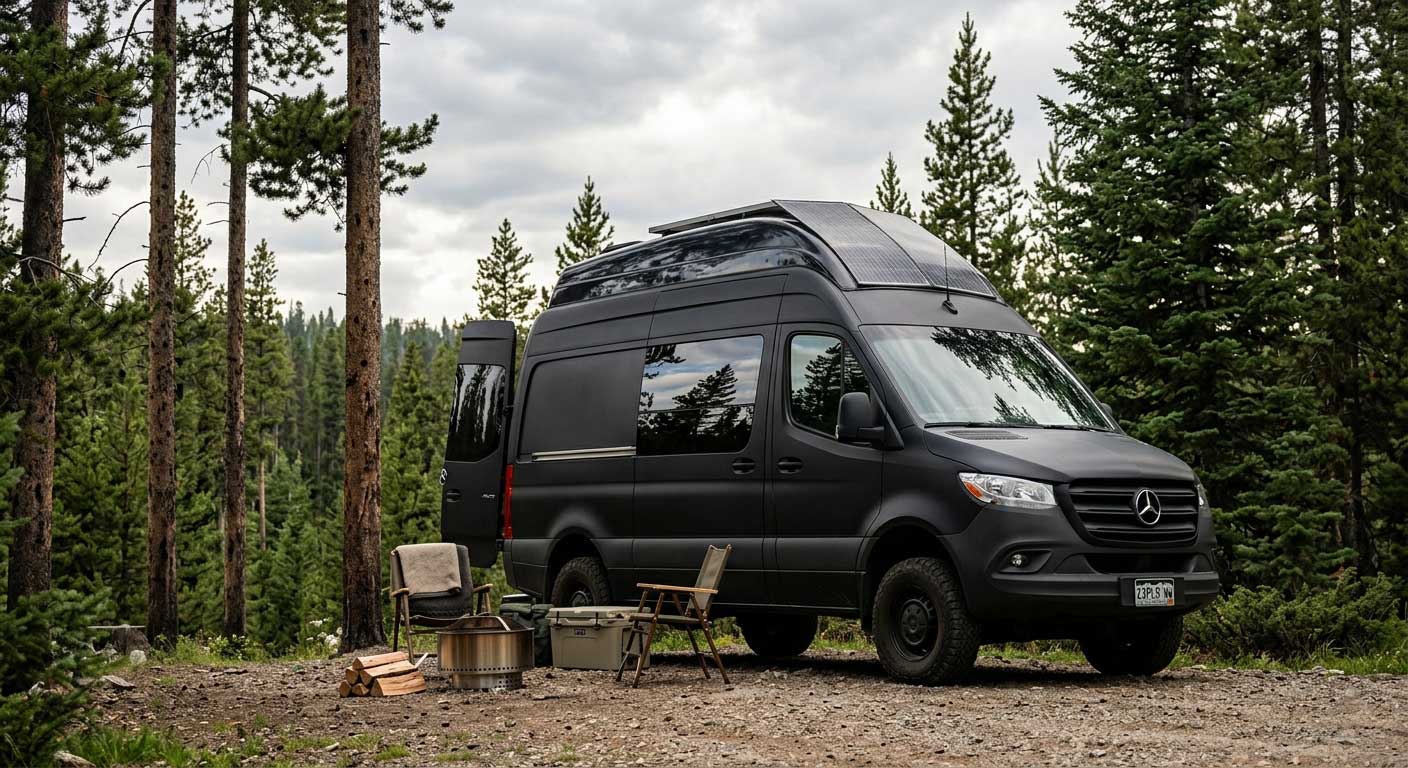
I learned this the hard way on a summer van conversion project in Arizona. We installed rigid aluminum-frame panels first because they looked “more industrial.” Two weeks later, the roof rack vibration started loosening brackets on rough desert roads. We replaced them with flexible panels bonded directly to the roof. The difference in noise, weight, and wind resistance was immediate.
Flexible solar panels are not magic. They still rely on the same photovoltaic effect discovered decades ago. What changes is the structure, heat behavior, and installation method.
What Makes Flexible Solar Panels Different?
Traditional solar panels use tempered glass, aluminum frames, and rigid silicon wafers. Flexible panels remove most of that structure.
Instead, manufacturers laminate ultra-thin solar cells onto polymer materials such as ETFE or PET.
Main Structural Differences
| Feature | Flexible Solar Panels | Rigid Solar Panels |
|---|---|---|
| Weight | Much lighter | Heavier |
| Surface | Bendable | Fixed flat |
| Mounting | Adhesive or screws | Rack mounting |
| Wind Resistance | Lower profile | Higher profile |
| Cooling | Less airflow | Better airflow |
| Best Use | RVs, vans, boats | Homes, ground systems |
The U.S. Department of Energy explains that photovoltaic cells generate electricity when photons knock electrons loose inside semiconductor material. Flexible panels use the same principle, only packaged differently.
How Electricity Is Generated Inside Flexible Panels
The actual electricity production process is surprisingly simple.
Step 1 — Sunlight Hits the Solar Cells
Inside the panel are photovoltaic cells, usually monocrystalline silicon cells sliced much thinner than those used in rigid modules.
When sunlight reaches the semiconductor layers, electrons begin moving.
Step 2 — Direct Current (DC) Is Produced
The moving electrons create DC electricity.
This current travels through conductive ribbons hidden beneath the panel surface.
Step 3 — Charge Controller Regulates Power
In RV or van systems, electricity first passes through a charge controller before reaching batteries.
An MPPT controller can improve energy harvesting significantly during changing weather conditions.
According to the U.S. National Renewable Energy Laboratory (NREL), MPPT systems can improve solar harvest efficiency by 20%–45% under cold or variable conditions.
That percentage becomes noticeable during cloudy mornings in coastal camping areas. I once monitored two nearly identical camper setups in Oregon — one PWM, one MPPT. By late afternoon, the MPPT system consistently recovered faster after overcast periods.
Learn more about “Flexible Solar Panel Installation Guide“
Why Flexible Solar Panels Are Popular for RVs and Vans
This market exploded because people needed lightweight off-grid power.
Not because flexible panels outperform rigid panels in raw efficiency. They usually do not.
Advantages That Matter in Real Installations
- Lower roof weight
- Easier transportation
- Better aerodynamics
- Ability to fit curved roofs
- Faster installation
- Reduced drilling requirements
For van conversions, reducing roof penetration matters more than many beginners realize.
Every additional roof hole becomes a future leak risk.
That’s why marine installers adopted flexible solar long before van-life content creators did.
Real Efficiency Numbers Most Sellers Avoid Discussing
Here’s where experience matters.
Flexible panels run hotter.
Heat reduces solar efficiency.
The International Energy Agency (IEA) notes that crystalline silicon solar modules lose efficiency as temperature rises, commonly around 0.3%–0.5% per °C above standard test conditions.
Why Heat Becomes a Problem
Flexible panels are often bonded directly against roofs.
That limits airflow underneath.
On a white RV roof in Nevada, I measured surface temperatures exceeding 70°C during midday installation testing. Output dropped noticeably compared with elevated rigid modules nearby.
That does not make flexible panels bad. It simply changes how you design the system.
Practical Ways to Reduce Heat Loss
- Leave small airflow gaps where possible
- Use light-colored roof surfaces
- Avoid partial shading
- Choose ETFE-coated panels
- Clean dust buildup regularly
Common Materials Used in Flexible Solar Panels
ETFE vs PET
Not all flexible panels age the same way.
| Material | Advantages | Weaknesses |
|---|---|---|
| ETFE | UV resistant, longer lifespan | Higher cost |
| PET | Cheaper | Faster degradation |
After several years in outdoor environments, PET surfaces often haze or yellow.
ETFE generally survives heat and UV exposure much better.
That difference becomes obvious in marine environments with salt exposure.
Where Flexible Solar Panels Work Best
RV Roofs
Low-profile installations reduce wind drag and clearance problems.

Camper Vans
Curved van roofs are difficult for rigid aluminum-frame panels.
Flexible modules simplify installation dramatically.
Boats and Marine Applications
Marine vibration and salt exposure make lightweight bonded systems attractive.
The reduced wind load also matters at sea.
Installation Mistakes That Shorten Lifespan
This is the section most marketing articles skip.
Flexible panels fail early mainly because of heat, stress, or poor adhesive work.
The Worst Mistakes I’ve Seen
- Bonding panels directly onto dark metal roofs
- Blocking cable drainage paths
- Using cheap construction adhesive
- Walking directly on unsupported cells
- Installing without expansion allowance
One failed installation I inspected had trapped moisture beneath the panel. After two rainy seasons, corrosion spread beneath the laminate edge seals.
The owner assumed the solar cells failed. The real problem was installation technique.
Expected Lifespan of Flexible Solar Panels
Most quality flexible solar panels last between 5 and 15 years depending on materials, heat exposure, and installation quality.
That is shorter than premium rigid panels, which often exceed 25 years.
But for mobile applications, many users accept the tradeoff.
Factors Affecting Lifespan
| Factor | Impact |
|---|---|
| Roof temperature | High impact |
| UV exposure | High impact |
| ETFE coating | Positive |
| Ventilation | Positive |
| Constant flexing | Negative |
| Salt exposure | Moderate |
In practical RV use, I typically see high-quality ETFE flexible panels remain functional for 7–10 years before noticeable degradation appears.
Cheap PET-based panels sometimes decline much sooner.
FAQ:how do flexible solar panels work?
Are flexible solar panels less efficient?
Usually slightly less efficient than premium rigid panels because they operate at higher temperatures and use thinner structures.
Can flexible solar panels bend completely?
No. Most panels only allow limited curvature, typically around 20–30 degrees depending on the manufacturer.
Do flexible solar panels need air gaps?
Small airflow gaps improve cooling and can extend lifespan significantly.
Are flexible solar panels waterproof?
Most quality models are weather resistant and designed for outdoor use, but connector sealing and installation quality still matter.
Can you walk on flexible solar panels?
Occasionally and carefully, depending on the design. Repeated pressure can crack cells internally.
Final Thoughts on How Flexible Solar Panels Work
Understanding how flexible solar panels work is less about marketing language and more about physics, heat, and installation reality.
The photovoltaic process itself is mature technology. The real challenge is balancing lightweight portability with long-term durability.
For RVs, vans, boats, and mobile off-grid systems, flexible panels solve problems rigid panels cannot always solve cleanly. But the installation method matters almost as much as the panel itself.
A properly mounted ETFE flexible panel with controlled heat exposure can perform reliably for years. A poorly bonded cheap panel can fail before the second camping season ends.
That gap is rarely visible in product listings.
Sources
- U.S. Department of Energy — Solar Photovoltaic Technology Basics
- National Renewable Energy Laboratory (NREL) — MPPT Performance Research
- International Energy Agency (IEA) — PV System Performance and Temperature Effects
The prev: how do you mount flexible solar panels?The next: how durable are flexible solar panels?
Related recommendations
-

How to Attach Flexible Solar Panel to Van Roof?
306Learn how to attach flexible solar panel to van roof safely using adhesive or screws. Real installation tips, airflow advice, wiring steps, and expert insights from Bright Solar.
View details -
How large is a solar panel?
197How large is a solar panel? Learn solar panel dimensions, output capacity, and sizing factors to understand how many panels you need for your energy system.
View details -
How Many Kilowatts Can Solar Panels Produce?
100Solar panel capacity depends on panel wattage and quantity, while actual output varies with sunlight, temperature, shading, orientation, and system losses.
View details -
How Often Do Solar Panels Need to Be Replaced?
280How often do solar panels need to be replaced? Learn solar panel lifespan, replacement signs, warranty details, and expert maintenance tips from Bright Solar.
View details