Solar Power Flexible Panels for Modern Off-Grid Energy
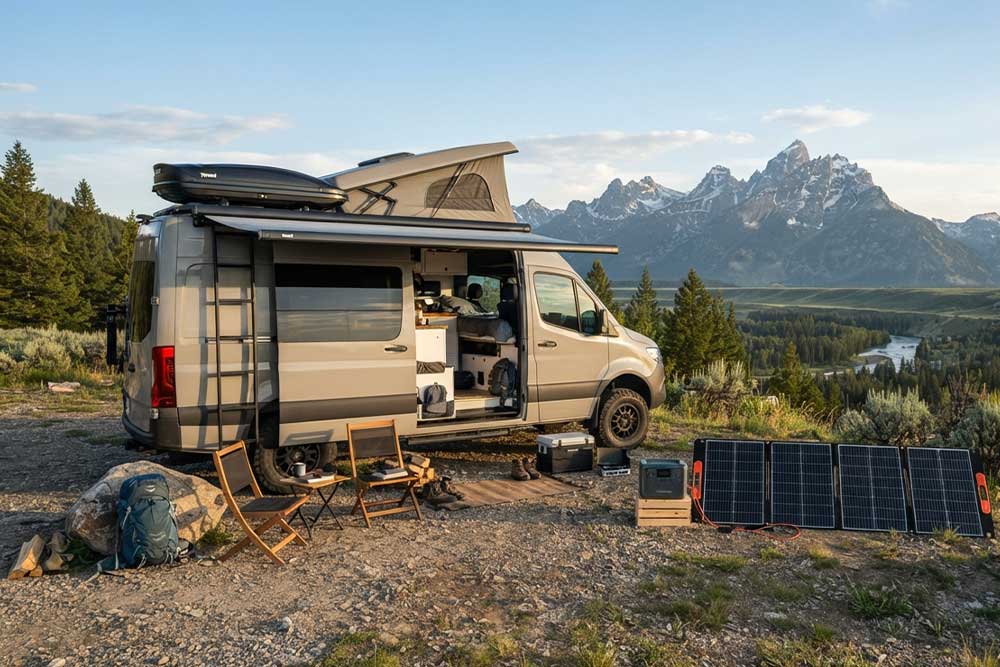
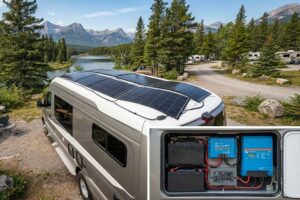
Solar power flexible panels provide lightweight, bendable solar energy solutions for RVs, boats, cabins, trailers, and mobile power systems. Compared with rigid glass panels, they reduce roof weight, adapt to curved surfaces, and simplify installation while still producing dependable off-grid electricity.
A lot of people assume flexible solar technology is just a “portable version” of traditional panels. That’s not really true anymore.
The first flexible solar panels I tested years ago felt fragile. Efficiency was inconsistent, heat buildup was severe, and the outer PET surfaces yellowed surprisingly fast under UV exposure. Modern ETFE flexible panels are completely different products.
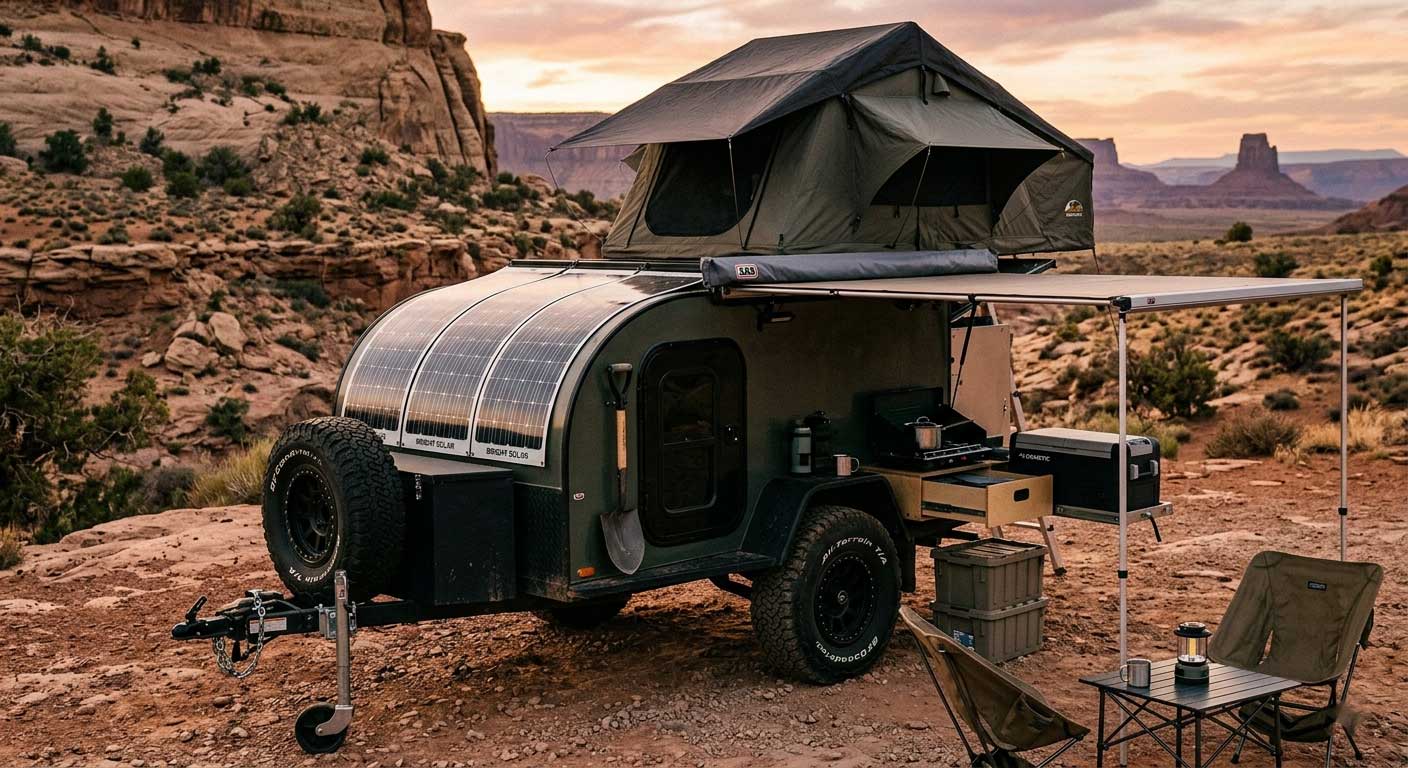
Last summer, during an off-grid retrofit project near Lake Powell, we installed Bright Solar solar power flexible panels across the curved roof of a compact expedition trailer. Daytime temperatures reached 41°C (106°F). Sandstorms rolled through twice during the trip. Six months later, the panels still maintained stable output with no visible surface degradation.
That’s where flexible solar technology has quietly improved the most — durability, not just efficiency.
Why Solar Power Flexible Panels Are Growing Worldwide
The global shift toward mobile energy systems is accelerating.
According to the International Energy Agency (IEA), solar PV remains one of the fastest-growing renewable technologies worldwide. Meanwhile, portable and off-grid energy demand continues rising because people increasingly rely on:
- RV travel
- Mobile offices
- Marine systems
- Emergency backup power
- Remote work setups
- Off-grid cabins
- Outdoor recreation equipment
Traditional rigid rooftop panels still dominate residential construction, but solar power flexible panels have created an entirely different category focused on mobility and lightweight integration.
Sources:
- International Energy Agency — https://www.iea.org/
- U.S. Department of Energy Solar Technologies Office — https://www.energy.gov/eere/solar/solar-energy-technologies-office
What Makes Solar Power Flexible Panels Different?
The biggest difference isn’t wattage.
It’s structural flexibility.
Traditional solar panels rely on:
- Tempered glass
- Aluminum frames
- Fixed mounting rails
- Large support structures
Solar power flexible panels instead use:
- Thin monocrystalline solar cells
- ETFE protective surfaces
- Polymer composite backing
- Frameless lightweight construction
That changes where solar systems can actually be installed.
Flexible Panels Work on Surfaces Rigid Panels Cannot
Real-world examples include:
| Installation Type | Why Flexible Panels Help |
|---|---|
| RV roofs | Curved surfaces |
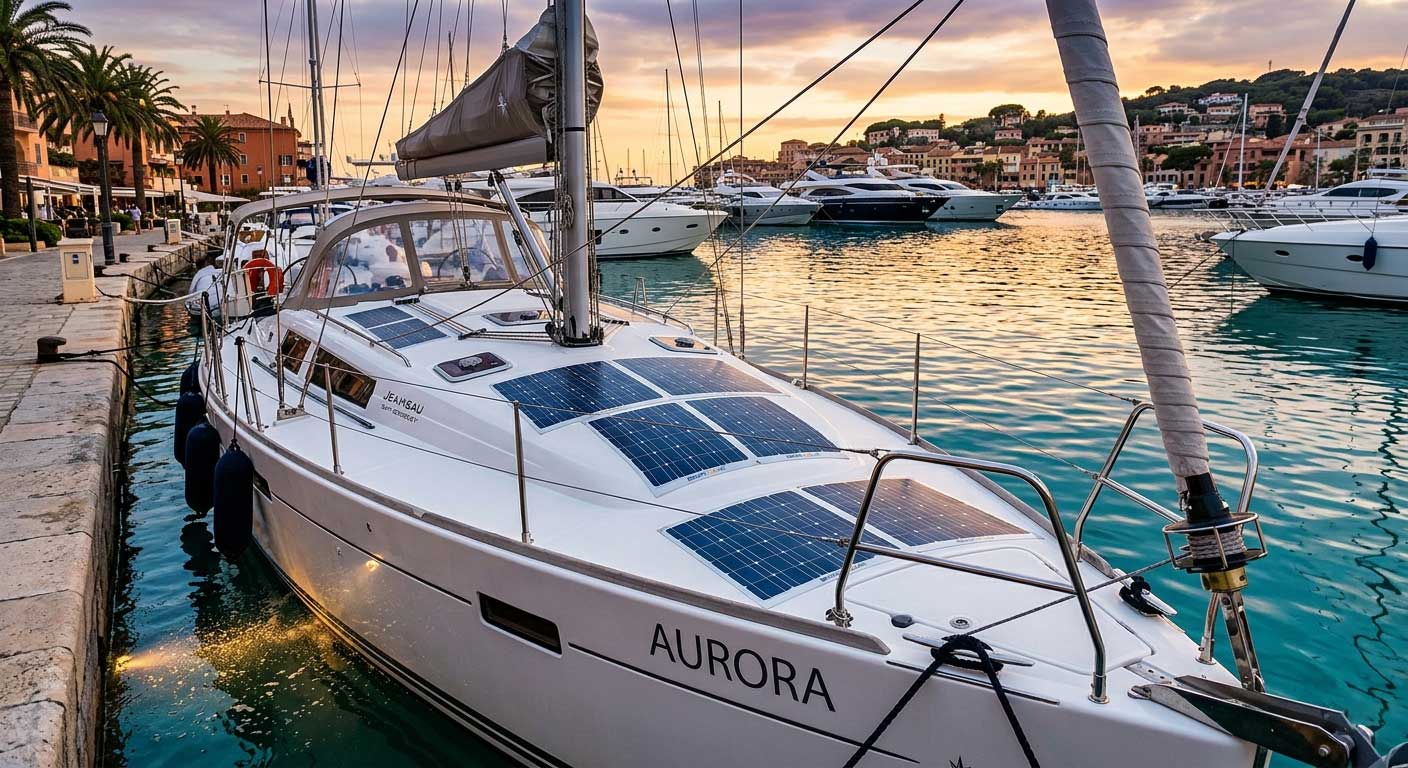
| Sailboats | Weight reduction |
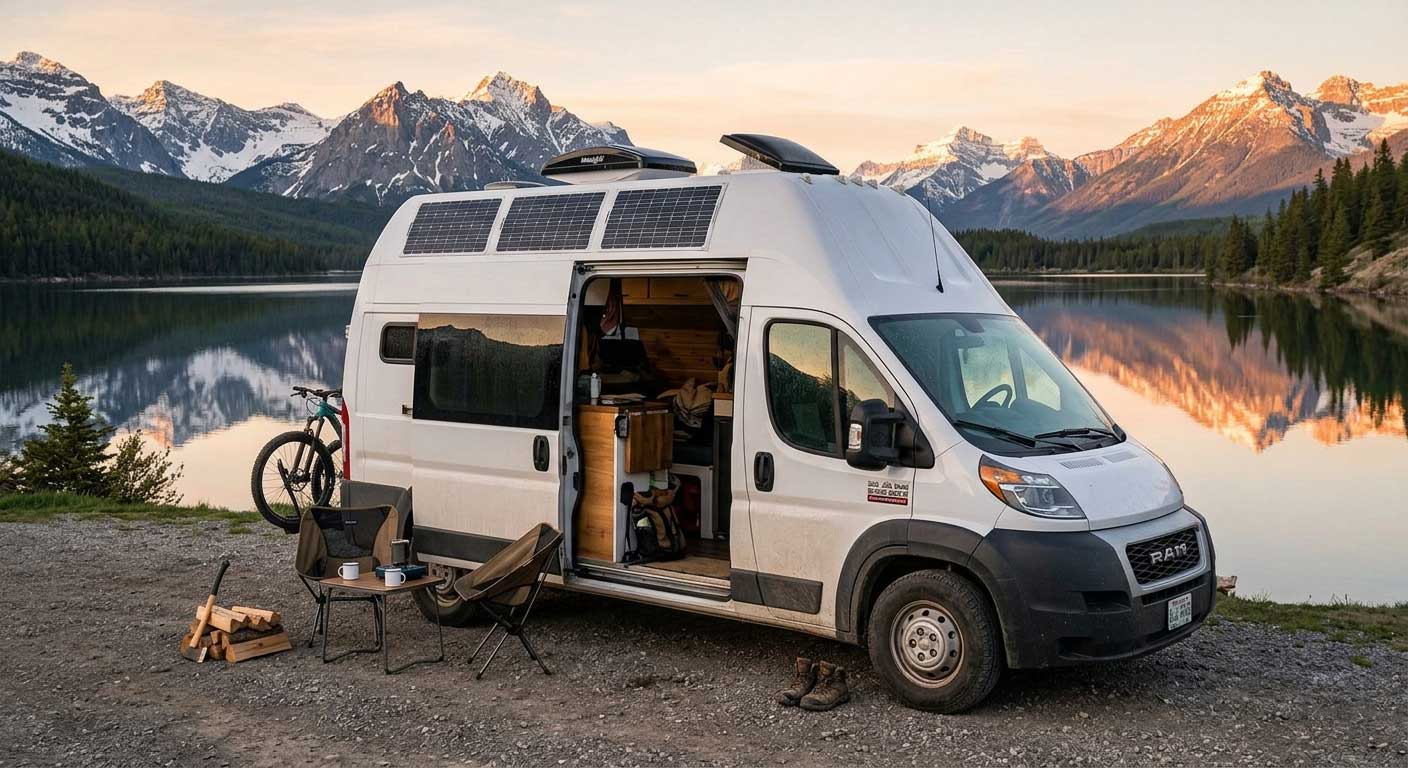
| Camper vans | Low aerodynamic profile |
| Expedition trailers | Vibration resistance |
| Portable charging kits | Easy transport |
| Cabins | Simplified mounting |
In many mobile applications, flexibility matters more than maximum theoretical efficiency.
The Hidden Advantage Nobody Talks About — Reduced Vibration Stress
Rigid glass solar panels were designed primarily for buildings.
Buildings don’t bounce down gravel roads.
Travel trailers do.
I once inspected an older overland camper outside Moab where repeated vibration loosened aluminum mounting rails on rigid panels after only eighteen months. The owner switched to Bright Solar solar power flexible panels mounted directly to the roof surface using marine-grade adhesive systems.
The difference in road noise alone surprised him.
Flexible panels absorb vibration instead of concentrating stress into brackets and bolts.
That becomes especially important for:
- Overlanding
- Marine environments
- Off-road RV travel
- Mobile utility trailers
ETFE vs PET — Why Surface Material Changes Lifespan
This is where cheap flexible panels often fail.
Low-cost products frequently use PET surfaces because they’re inexpensive.
The problem?
PET degrades faster under long-term UV exposure.
Why ETFE Flexible Solar Panels Last Longer
ETFE surfaces generally provide:
- Better UV resistance
- Improved scratch resistance
- Higher heat tolerance
- Slower aging
- Better saltwater protection
Bright Solar solar power flexible panels use ETFE coatings specifically because mobile solar systems face harsh environments:
- Constant sunlight
- Highway debris
- Rain
- Salt air
- Extreme thermal cycling
I’ve personally seen bargain PET panels become cloudy after two summers in Arizona heat. Once yellowing starts, output usually drops steadily.
That’s one reason professional marine installers increasingly avoid cheap PET flexible panels entirely.
Real Output Expectations for Solar Power Flexible Panels
Marketing numbers rarely reflect real-world conditions.
Flexible solar performance changes dramatically depending on:
- Temperature
- Sun angle
- Ventilation
- Roof color
- Battery configuration
Typical Daily Energy Production
Under average U.S. sunlight conditions:
| System Size | Approximate Daily Production |
|---|---|
| 200W | 800–1200Wh |
| 400W | 1600–2400Wh |
| 600W | 2400–3600Wh |
That can realistically power:
- Portable refrigerators
- LED lighting
- Fans
- Phones
- Starlink systems
- Cameras
- Water pumps
- Small laptops
But there’s an important limitation.
Flexible panels usually run hotter than rigid panels because airflow underneath is restricted.
Heat affects efficiency more than most buyers expect.
Heat Is the Biggest Long-Term Challenge
Solar cells hate excessive heat.
During thermal testing on a black camper roof in Nevada, I measured surface temperatures exceeding 70°C (158°F) beneath midday sunlight.
That level of heat changes panel behavior significantly.
What Happens When Flexible Panels Overheat?
High temperatures can cause:
- Voltage reduction
- Lower charging efficiency
- Faster material aging
- Encapsulation stress
- Reduced long-term performance
That’s why higher-quality solar power flexible panels use:
- Advanced encapsulation materials
- Heat-resistant adhesive layers
- Stable bypass diode systems
- Temperature-resistant backsheet designs
Cheap laminated flexible panels often fail prematurely because corners begin lifting after repeated thermal expansion cycles.
Bright Solar flexible systems are specifically engineered for prolonged outdoor thermal exposure.
Solar Power Flexible Panels vs Rigid Panels
Side-by-Side Comparison
| Feature | Flexible Panels | Rigid Panels |
|---|---|---|
| Weight | Very light | Heavy |
| Roof Compatibility | Curved surfaces | Flat surfaces preferred |
| Wind Resistance | Low profile | Higher profile |
| Cooling Efficiency | Moderate | Better airflow |
| Installation | Simplified | Rail mounting required |
| Vibration Resistance | Excellent | Moderate |
| Lifespan | 5–15 years typical | 20+ years typical |
Rigid panels still dominate residential rooftops for maximum lifespan.
But mobile applications prioritize different engineering goals.
That’s why flexible solar adoption continues growing in RV, marine, and portable energy markets.
Common Installation Mistakes Buyers Make
After years working around mobile solar systems, the same errors appear constantly.
Mistake #1 — Using Household Adhesives
Not every sealant survives rooftop heat.
Improper adhesives soften under UV exposure and eventually release panel edges.
Mistake #2 — Ignoring Cable Protection
Poor wiring causes:
- Water intrusion
- Voltage loss
- Corrosion
- Connector failure
Mistake #3 — Underestimating Battery Capacity
Many people install enough solar generation but insufficient energy storage.
Excess daytime production gets wasted.
Mistake #4 — Buying Extremely Cheap Flexible Panels
Ultra-low-cost panels often sacrifice:
- Encapsulation quality
- UV stability
- Waterproof sealing
- Connector reliability
That shortens lifespan dramatically.
Why Lightweight Solar Matters More Than Ever
People focus heavily on wattage numbers.
But in mobile systems, weight affects everything.
Reducing roof mass improves:
- Vehicle handling
- Fuel efficiency
- Structural stress
- Installation flexibility
One off-grid trailer customer reduced rooftop weight by nearly 60 pounds after replacing older framed panels with Bright Solar solar power flexible panels.
That reduction noticeably improved suspension stability on rough roads.
Corrosion Resistance in Coastal and Humid Environments
Marine environments destroy poorly protected solar equipment surprisingly quickly.
Salt air accelerates corrosion on:
- Fasteners
- Junction boxes
- Connectors
- Mounting systems
Bright Solar solar power flexible panels commonly incorporate:
- Corrosion-resistant materials
- Waterproof junction boxes
- UV-resistant ETFE surfaces
- Marine-grade protective construction
That becomes especially valuable for:
- Coastal RV parks
- Sailboats
- Fishing vessels
- Humid tropical climates
FAQ — Solar Power Flexible Panels
Are solar power flexible panels worth it?
Yes, especially for RVs, boats, curved roofs, and lightweight off-grid applications where rigid panels are difficult to install.
How long do flexible solar panels last?
High-quality ETFE flexible panels typically last between 5–15 years depending on climate and installation quality.
Do flexible panels lose efficiency in heat?
Yes. Higher temperatures reduce solar efficiency, which is why material quality and thermal management matter.
Can flexible solar panels be mounted without drilling?
Many systems use industrial adhesives or hybrid mounting methods to reduce roof penetrations.
Are flexible solar panels waterproof?
Most premium flexible panels are IP67-rated and designed for outdoor weather exposure.
Why Bright Solar Flexible Panels Are Used in Mobile Energy Systems
Bright Solar designs solar power flexible panels specifically for real-world off-grid environments instead of laboratory-only testing conditions.
Key features include:
- ETFE weather-resistant surfaces
- Lightweight frameless construction
- High-efficiency monocrystalline cells
- Excellent vibration resistance
- Corrosion-resistant materials
- Stable outdoor performance
- Low-profile aerodynamic installation
These systems are engineered for people who rely on solar power far beyond traditional rooftop installations.
About the Author
Author: JED
Brand: Bright Solar
JED has worked in off-grid solar integration, mobile energy systems, and flexible photovoltaic product development for more than 12 years. His experience includes RV solar retrofits, marine charging systems, expedition trailer power integration, and field testing flexible ETFE solar panels across North America and Southeast Asia.
Over the past decade, he has participated in long-term outdoor testing focused on thermal stability, vibration durability, waterproofing reliability, and lightweight solar system optimization for mobile applications.
Related recommendations
-

Flexible Foldable Solar Panels: Portable Power Guide
38Flexible foldable solar panels provide portable solar power by combining lightweight PV modules with folding sections for compact transport and deployment.
View details -
1000W Solar Panel Guide: What a 1000W Solar Panel Can Really Power
221Learn how a 1000W solar panel system works, what it can power, expected daily output, installation options, and whether it fits your RV, home, boat, or off-grid project.
View details -
Flexible Solar Panel Kits: Complete Solar Solutions for Mobile and Off-Grid Power
120Explore flexible solar panel kits for RVs, boats, campervans, and off-grid systems. Lightweight, efficient, and easy to install for reliable solar power anywhere.
View details -
1000W Solar Panel: Complete Guide to Size, Power Output, Cost, and System Setup
233Explore 1000w solar panel size, cost, power output, and system setup. Learn how to choose the right 1000 watt solar solution for RV, off-grid, and backup energy needs with Bright Solar.
View details