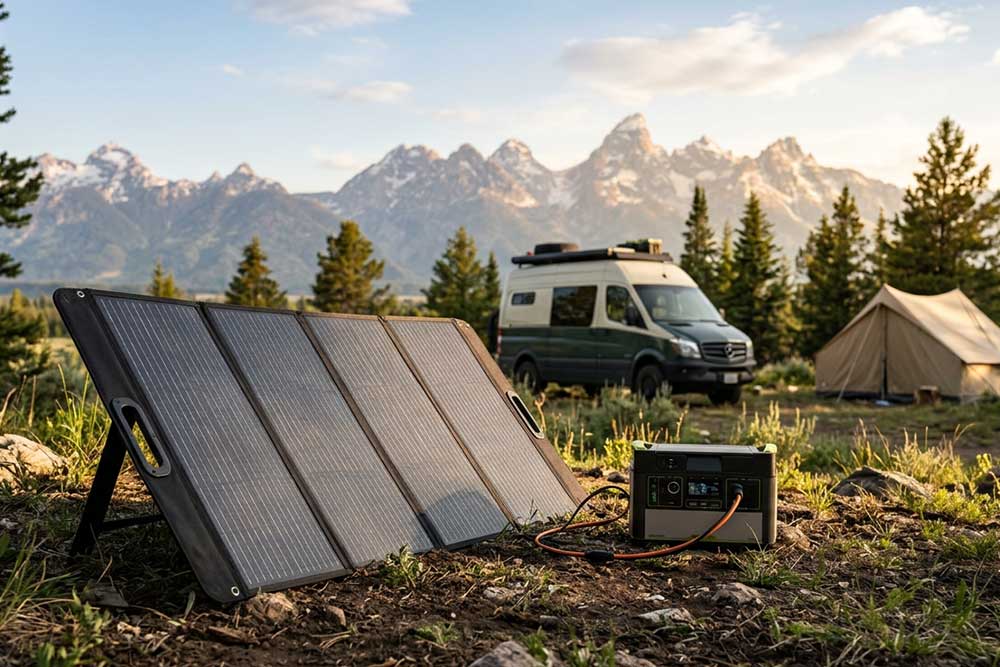
diy solar installation kits: What Actually Matters Before You Buy One
diy solar installation kits make it possible to build reliable solar power systems without hiring a full installation crew. A properly matched kit can reduce installation costs, simplify wiring, and provide dependable off-grid energy for RVs, cabins, boats, and backup home systems when designed correctly from the beginning.
The strange thing about solar is this:
Most systems fail long before the panels wear out.
Not because solar technology is unreliable.
Not because lithium batteries suddenly stop working.
Usually, the problem starts with planning mistakes made on day one.
I realized this after helping a customer troubleshoot a small RV solar setup in Arizona. The panels looked fine from outside. The inverter worked. Batteries were new.
But the owner had unknowingly mixed:
- undersized cables
- mismatched fuse ratings
- an overloaded PWM controller
The system technically “worked.”
Until summer heat arrived.
Voltage drop increased.
Charging slowed.
Battery temperatures climbed every afternoon.
That experience changed how I think about diy solar installation kits.
People focus heavily on:
- panel wattage
- battery size
- price per watt
Meanwhile, the invisible details decide whether the system survives real use.
And real-world solar is never as clean as online diagrams make it look.
Why diy solar installation kits Became So Popular
Ten years ago, installing solar often required:
- electricians
- permit coordination
- custom engineering
- expensive labor
Today, modular solar kits changed the market dramatically.
According to the International Energy Agency (IEA), distributed solar installations continue growing globally as equipment costs decline and consumer adoption expands.
Source:
https://www.iea.org
For RV owners, campers, and remote cabin users, DIY kits became attractive because:
- wiring is simpler
- installation time is shorter
- costs are lower
- expansion is easier
Especially after lithium batteries became more affordable.
A properly designed DIY kit now allows many travelers to:
- run refrigerators
- charge laptops
- operate Starlink systems
- power lighting and ventilation
without needing campground hookups daily.
What Is Included in Most diy solar installation kits?
Not all kits contain the same components.
Some are barely more than panels and cables.
Others include nearly everything needed for operation.
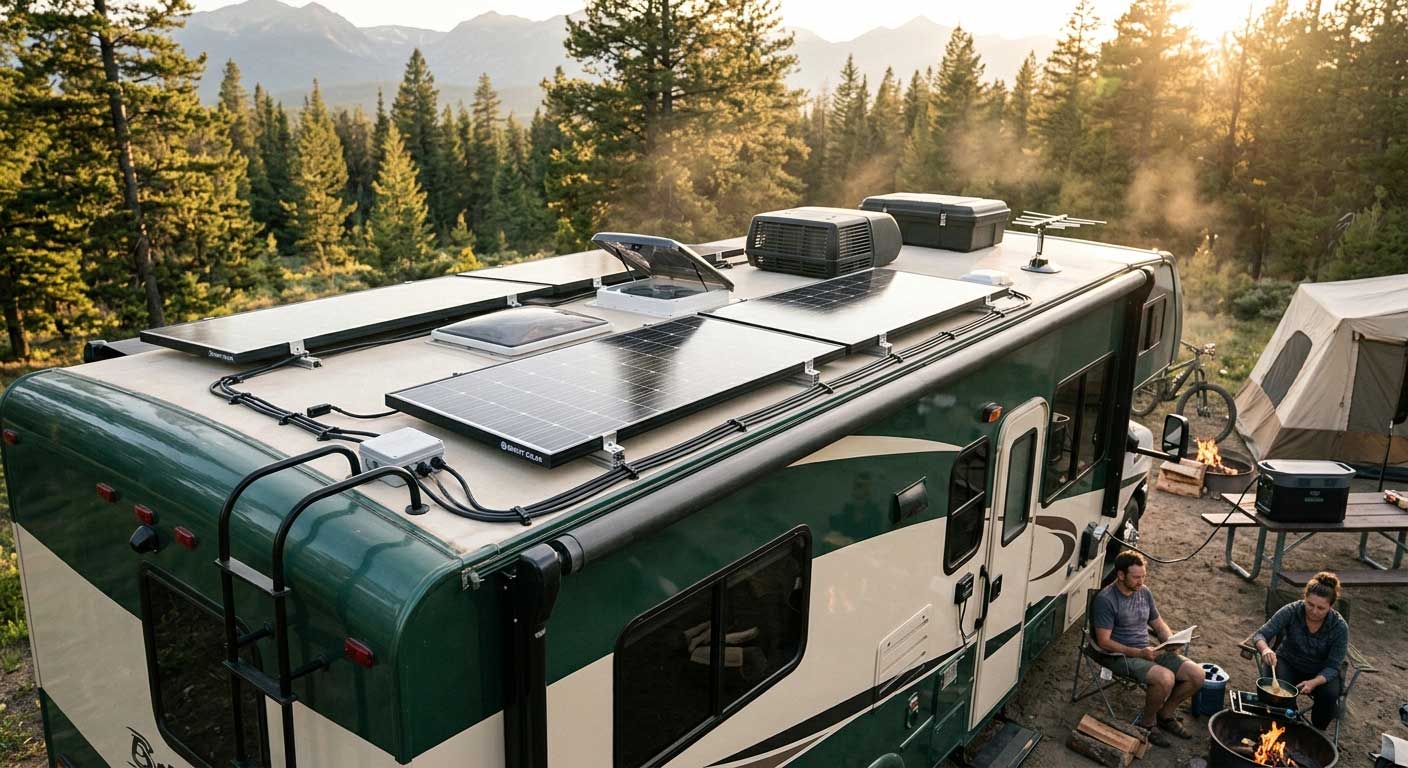
A complete solar installation kit usually contains:
| Component | Purpose |
|---|---|
| Solar Panels | Generate electricity |
| Charge Controller | Regulates charging |
| Mounting Hardware | Secures panels |
| Solar Cables | Transfers power |
| Fuse Protection | Prevents overload |
| Battery Connectors | Connect storage systems |
| MC4 Connectors | Waterproof panel connections |
Higher-end kits may also include:
- lithium batteries
- inverters
- Bluetooth monitoring
- pre-configured wiring harnesses
Bright Solar customers often underestimate how important connectors and protection hardware become later.
Ironically, the cheapest parts create many long-term failures.
Choosing the Right Solar Kit Size
This is where many beginners overspend.
Or worse:
undersize the system badly.
A customer once purchased:
- 200W solar
- one AGM battery
- small inverter
He expected to power:
- refrigerator
- microwave
- coffee maker
- laptop
- rooftop fan
Simultaneously.
The math simply didn’t work.
Solar sizing starts with energy consumption, not panel marketing.
Small Systems: 100W–200W
Best for:
- lighting
- phone charging
- small fans
- USB devices
Common on:
- camper vans
- fishing boats
- weekend trailers
Medium Systems: 300W–600W
Suitable for:
- refrigerators
- Starlink
- CPAP machines
- laptops
- water pumps
This range became extremely popular in RV travel after remote work increased.
Large DIY Systems: 800W+
Better for:
- air conditioning support
- extended off-grid living
- cabin systems
- residential backup applications
But larger systems introduce:
- higher voltage considerations
- larger cable requirements
- more advanced fuse protection
That’s where many DIY users accidentally create dangerous installations.
Real RV Case Study: Utah Desert Installation
One Bright Solar customer converted a cargo trailer into an off-grid camping rig.
The system used:
- 400W rooftop solar
- 200Ah lithium battery bank
- MPPT controller
- 2000W inverter
The owner originally planned a cheaper PWM controller setup.
But summer desert temperatures changed the calculation.
In high heat conditions:
- voltage fluctuated heavily
- panel efficiency dropped
- battery charging windows shortened
Switching to MPPT improved charging consistency noticeably.
The customer later reported:
- 18–22% better afternoon charging performance
during Nevada and Utah travel.
That result aligned closely with findings published by the National Renewable Energy Laboratory (NREL) regarding MPPT efficiency improvements under variable environmental conditions.
Source:
https://www.nrel.gov
The Most Common DIY Solar Installation Mistakes
The internet makes solar installation look deceptively easy.
Some parts are easy.
Others absolutely are not.
Undersized Wiring
Voltage drop destroys performance quietly.
Especially in:
- long cable runs
- parallel systems
- high-current inverters
Incorrect Fuse Sizing
Improper fuse protection increases fire risk.
According to NFPA electrical safety standards, DC systems require proper overcurrent protection to reduce electrical hazards.
Source:
https://www.nfpa.org
Poor Roof Ventilation Under Panels
Heat buildup reduces efficiency significantly.
Flexible and low-profile panels especially need airflow consideration.
Cheap Connectors
I’ve personally seen water intrusion destroy rooftop wiring in less than two years because low-grade MC4 connectors cracked under UV exposure.
Panels survived.
Connectors didn’t.
Rigid vs Flexible Solar Panels in DIY Kits
This debate appears constantly in RV and marine communities.
And honestly, both sides exaggerate.
Rigid Panels
Advantages:
- longer lifespan
- better airflow
- higher efficiency
- stronger structural durability
Best for:
- fixed installations
- homes
- larger RV roofs
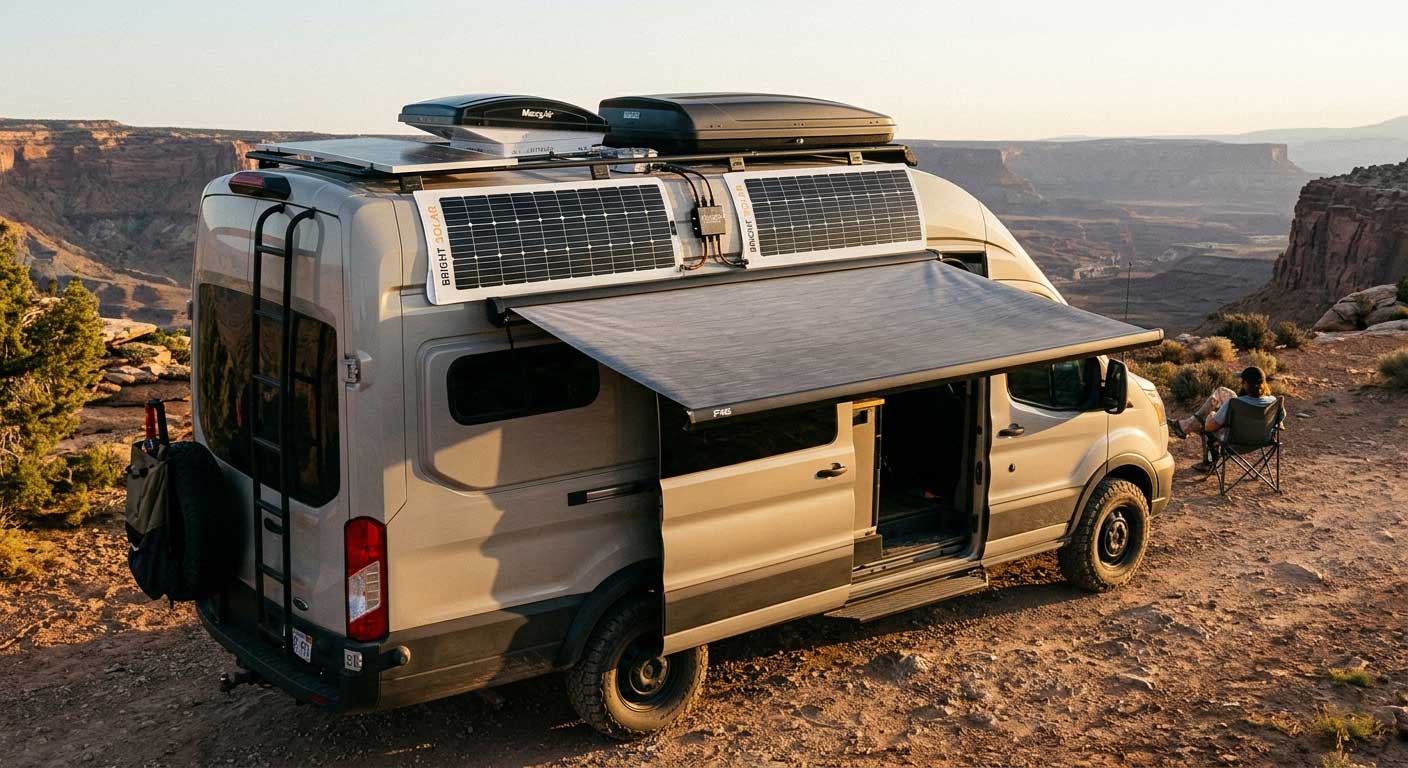
Flexible Panels
Advantages:
- lightweight
- aerodynamic
- easier mounting
- lower roof stress
Best for:
- curved roofs
- boats
- small campers
- portable systems
But flexible panels generally run hotter.
Heat reduces efficiency.
That part often gets ignored in marketing brochures.
How Much Power Can DIY Solar Kits Really Produce?
Marketing numbers often assume:
- perfect sunlight
- ideal temperatures
- clean panels
- optimal panel angle
Real-world output is lower.
Usually by a noticeable margin.
Example:
A 400W system may realistically average:
- 1200Wh to 1800Wh daily
depending on: - season
- cloud cover
- temperature
- installation angle
- geographic location
According to the U.S. Department of Energy, solar output depends heavily on local weather and installation conditions.
Source:
https://www.energy.gov/eere/solar
This is why experienced installers design systems with margin.
Not theoretical perfection.
Should Beginners Install Solar Themselves?
Sometimes yes.
Sometimes absolutely not.
Simple 12V systems are usually manageable for:
- RV owners
- van builders
- campers
- boat owners
Especially with pre-configured kits.
But larger residential systems involve:
- permits
- grounding requirements
- code compliance
- high-voltage safety
That changes the risk profile significantly.
A DIY mistake on a small camper is inconvenient.
A wiring mistake on a residential rooftop can become dangerous.
What Experienced Installers Check First
Professionals often inspect things beginners overlook completely.
Like:
- cable heat under load
- voltage sag at peak draw
- roof flex under mounting pressure
- connector seal integrity
- controller thermal shutdown behavior
These details don’t appear in flashy YouTube thumbnails.
But they decide long-term reliability.
FAQ: diy solar installation kits
Are diy solar installation kits worth it?
Yes, especially for RVs, boats, cabins, and mobile off-grid systems where installation simplicity and lower labor costs matter.
How much does a DIY solar kit cost?
Small systems may start around $300–$700, while larger lithium-based systems can exceed several thousand dollars depending on battery storage and inverter size.
Can beginners install solar kits?
Many small 12V systems are beginner-friendly, but larger residential systems often require professional electrical knowledge and permit compliance.
How long do solar installation kits last?
Quality solar panels commonly last 20–25 years, while batteries, controllers, and connectors may require replacement sooner depending on usage conditions.
Are flexible solar panels good for DIY installations?
Yes, especially for curved roofs, lightweight vehicles, and marine installations where weight and aerodynamics matter.
Final Thoughts
The best diy solar installation kits are not necessarily the biggest.
Or the cheapest.
Or the most heavily advertised.
The systems that survive years of travel usually share quieter qualities:
- correct wiring
- proper fuse protection
- realistic energy expectations
- good thermal management
- careful installation discipline
After enough time around off-grid systems, one truth becomes obvious:
Reliable solar rarely comes from chasing peak numbers.
It comes from designing systems that still work when conditions stop being ideal.
Because eventually:
they always do.
Related recommendations
-

Portable Folding Solar Panel: How to Choose and Use One
7A portable folding solar panel provides mobile electricity for camping, RV travel, and off-grid charging. Choose a model based on energy demand, total weight...
View details -
220w flexible solar panel (Real Field Performance Guide from Bright Solar)
153220w flexible solar panel explained with real RV field data, installation behavior, energy output range, and off-grid performance insights from Bright Solar.
View details -
Lightweight Solar Panels: The Smart Choice for Mobile and Off-Grid Power
259Discover how lightweight solar panels reduce roof load, simplify installation, and improve mobile solar performance for RVs, boats, and off-grid systems.
View details -
Solar Panels for Tiny House: Complete Guide to Off-Grid Energy Solutions
252Solar panels for tiny house provide clean, reliable power. Learn system sizing, costs, installation tips, batteries, and flexible solar solutions from Bright Solar.
View details