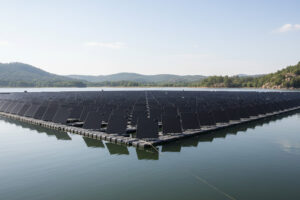
marine solar panels: What Boat Owners Learn After Installing Solar at Sea
marine solar panels provide reliable off-grid electricity for boats, sailboats, fishing vessels, and yachts by converting sunlight into usable onboard power. A properly designed marine solar system reduces engine runtime, improves battery charging consistency, and supports long-term energy independence in real offshore conditions.
Most people imagine marine solar working in perfect sunshine.
Flat water.
Blue sky.
No movement.
That fantasy lasts about one afternoon offshore.
Real marine environments are violent on electrical systems.
Salt enters places it shouldn’t.
Heat builds under panels.
Shadows move constantly from rigging and antennas.
Waves flex mounting surfaces in ways RV owners rarely experience.
I learned this years ago while inspecting a coastal sailboat system near Key West.
The owner had installed cheap residential panels because they were “basically the same thing.”
Six months later:
- junction boxes showed corrosion
- mounting brackets loosened
- output dropped noticeably during humid afternoons
The panels technically still worked.
But the ocean had already started dismantling the system piece by piece.
That’s when marine solar stops being about wattage alone.
It becomes about survival.
Why marine solar panels Are Different From Standard Solar Panels
Marine environments create unique electrical and mechanical stress.
Not occasionally.
Constantly.
Saltwater exposure accelerates corrosion dramatically, especially on:
- connectors
- aluminum frames
- mounting hardware
- cable terminations
According to the National Renewable Energy Laboratory (NREL), environmental conditions significantly influence photovoltaic system degradation rates, especially in high-humidity coastal regions.
Source:
https://www.nrel.gov
Good marine solar panels are designed specifically to resist:
- UV exposure
- salt corrosion
- vibration
- thermal cycling
- water intrusion
That changes:
- materials
- encapsulation methods
- connector quality
- mounting approaches
Cheap panels often fail first around edges and junction boxes long before the cells themselves degrade.
How marine solar panels Changed Modern Boating
Twenty years ago, many offshore boats depended heavily on:
- diesel generators
- shore power
- engine alternators
Now even mid-size cruising boats commonly run:
- refrigerators
- navigation electronics
- lighting
- Starlink systems
- battery chargers
using solar.
According to the International Energy Agency (IEA), distributed renewable energy systems continue expanding rapidly in mobile and off-grid applications worldwide.
Source:
https://www.iea.org
For long-distance sailors, solar became less about convenience and more about operational independence.
That shift matters offshore.
Especially when fuel docks are far away.
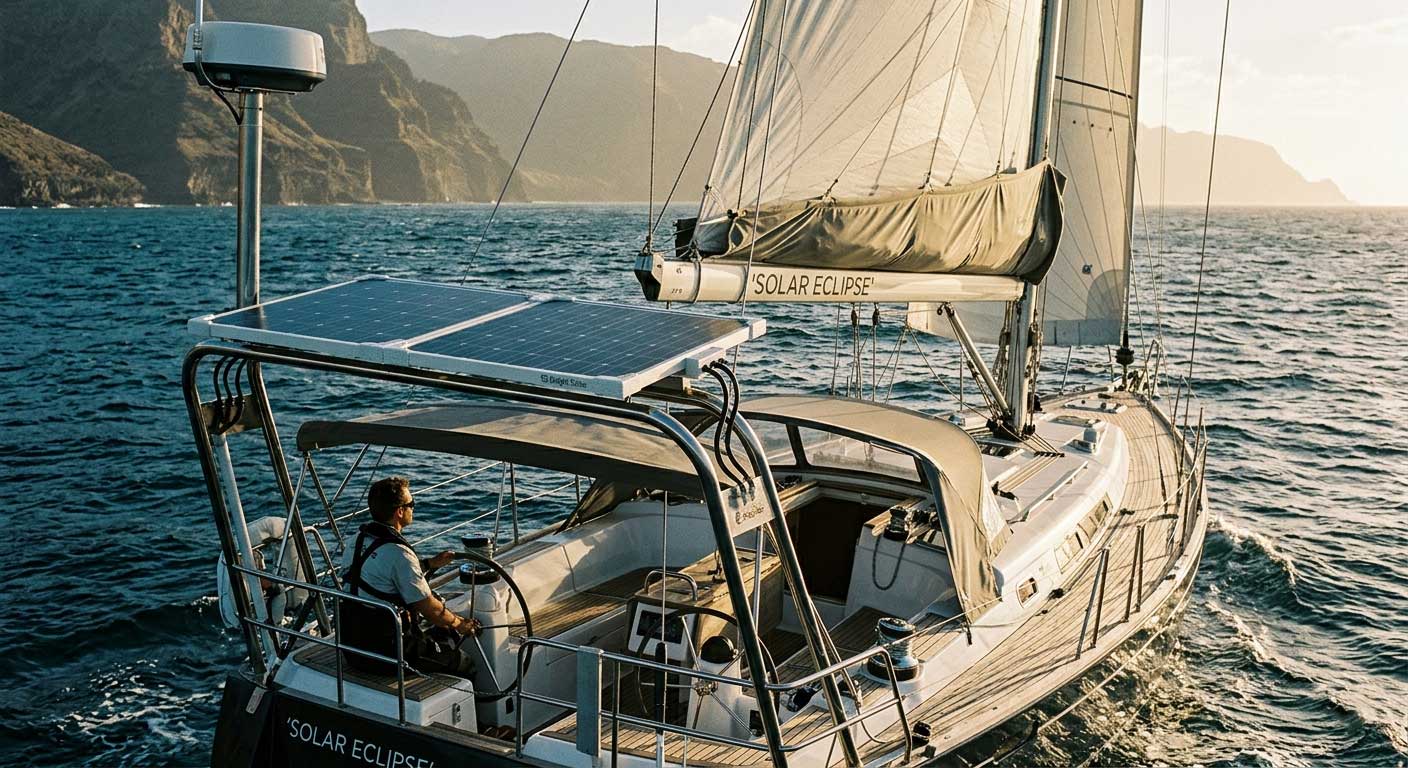
Rigid vs Flexible marine solar panels
This argument appears constantly in marine communities.
And honestly, neither option is universally better.
The right choice depends heavily on:
- deck space
- weight limits
- shading conditions
- vessel type
- mounting locations
Rigid Marine Solar Panels
Rigid panels generally provide:
- higher efficiency
- longer lifespan
- better airflow cooling
- stronger structural durability
They work especially well on:
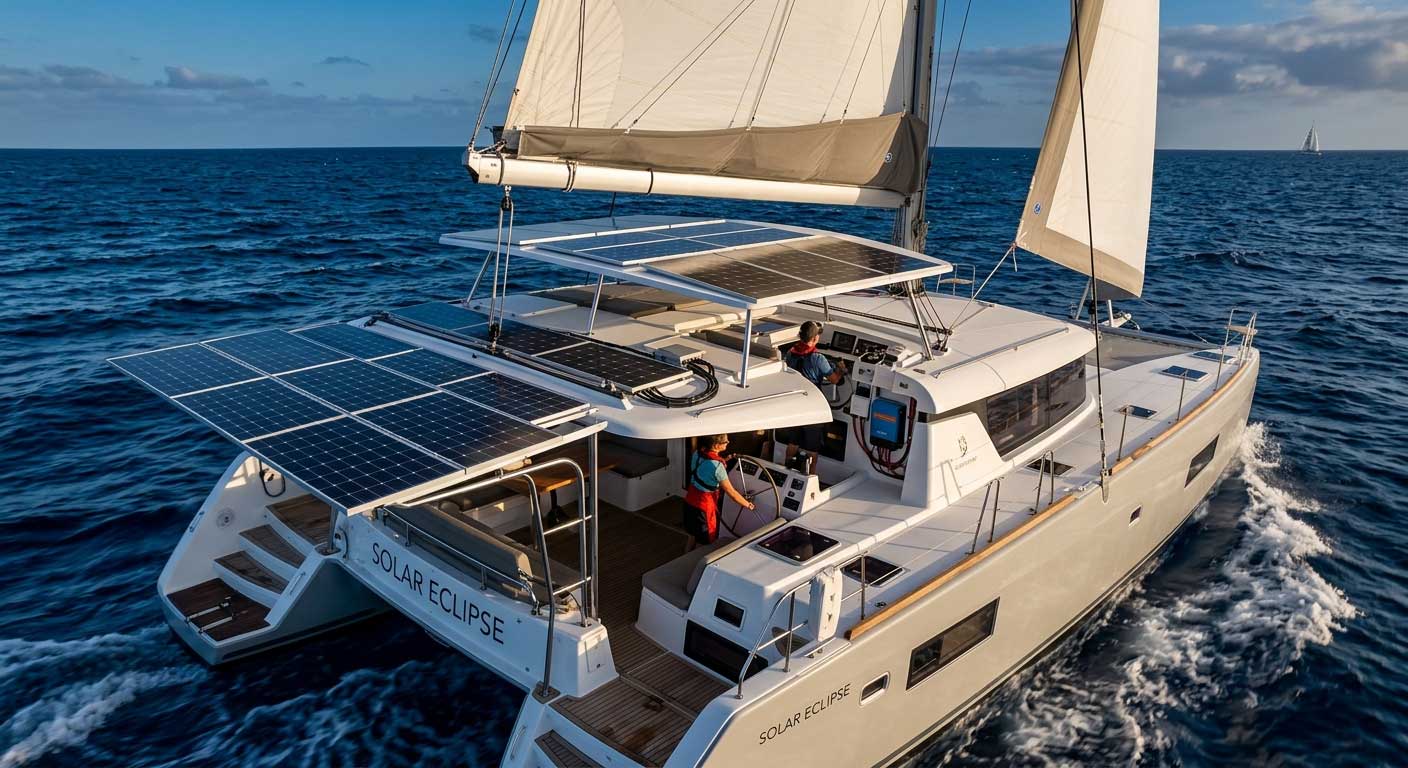
- catamarans
- large yachts
- hardtop fishing boats
But rigid panels also:
- weigh more
- require stronger mounting structures
- create wind resistance in some installations
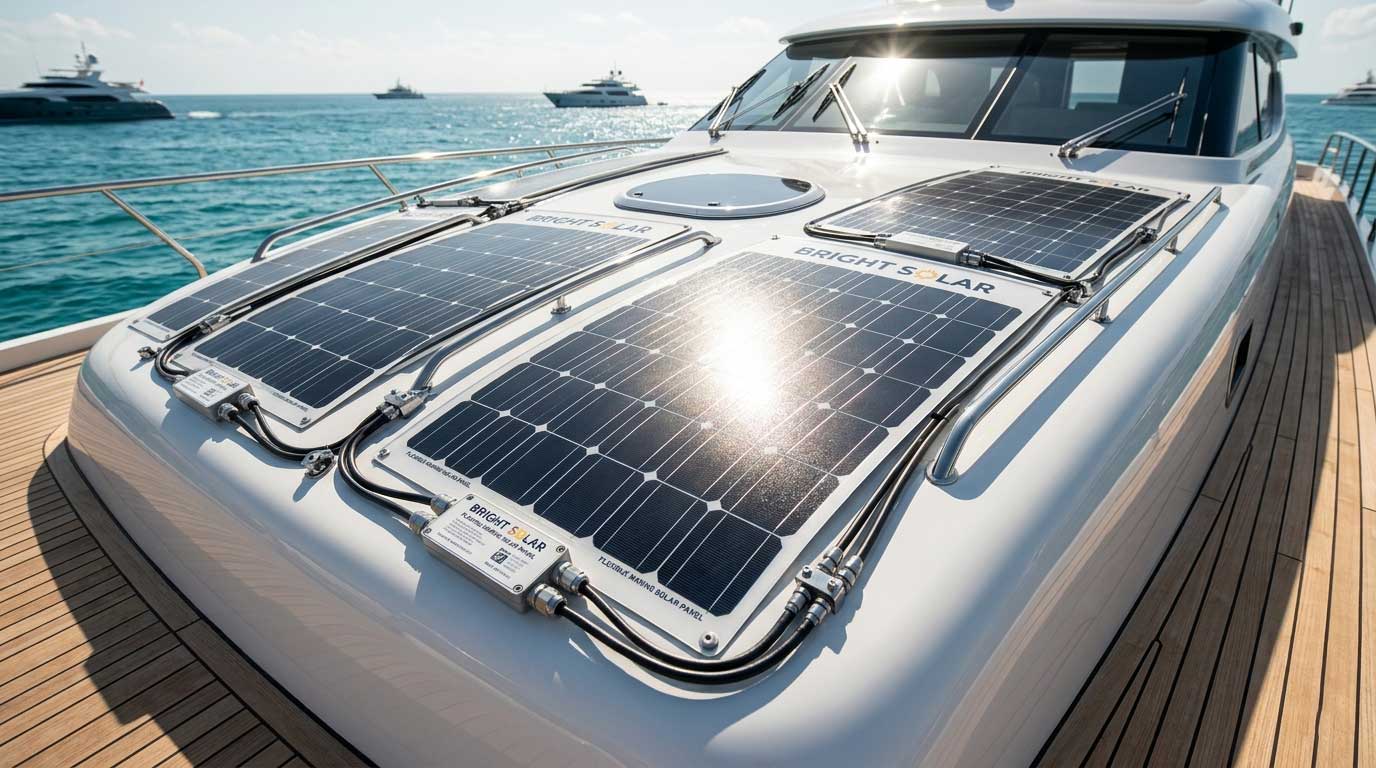
Flexible Marine Solar Panels
Flexible panels became extremely popular because they:
- reduce weight
- fit curved surfaces
- maintain low aerodynamic profiles
Common installation locations include:
- bimini tops
- cabin roofs
- curved fiberglass decks
But flexible panels usually run hotter.
Heat lowers efficiency.
That reality gets hidden surprisingly often in marketing materials.
Real Offshore Case Study: Florida to Bahamas Crossing
One Bright Solar customer operated a 38-foot cruising catamaran traveling regularly between Florida and the Bahamas.
The original system used:
- two small rigid panels
- AGM batteries
- minimal battery monitoring
The owner struggled with:
- overnight voltage drops
- refrigeration instability
- generator overuse
The upgraded setup included:
- 600W marine solar panels
- lithium battery bank
- MPPT charging system
- improved cable management
After installation:
- generator runtime reportedly dropped by nearly 60%
during a 12-day offshore trip.
The owner later described something interesting:
The biggest improvement wasn’t power quantity.
It was psychological.
The crew stopped constantly worrying about battery levels.
That kind of operational confidence matters offshore more than many beginners realize.
Why Shading Hurts Boat Solar Systems More Than People Expect
Marine solar rarely receives uninterrupted sunlight.
Boat systems constantly experience moving shadows from:
- sails
- radar domes
- antennas
- rigging
- fishing equipment
This becomes especially problematic in series-wired systems.
One partially shaded panel can reduce output across the entire string.
Parallel wiring often performs better in marine applications because unaffected panels continue producing more independently.
Series Wiring on Boats
Advantages:
- higher voltage
- reduced cable losses
- smaller wire sizes
Disadvantages:
- greater sensitivity to shading
Parallel Wiring on Boats
Advantages:
- improved shade tolerance
- more stable output
Disadvantages:
- higher current
- larger cable requirements
Experienced marine installers often balance both approaches depending on vessel layout.
Marine Solar Panel Output in Real Conditions
Many buyers misunderstand solar production numbers.
Panel ratings assume:
- ideal sunlight
- controlled temperatures
- perfect orientation
Real offshore performance changes constantly.
A 400W marine solar system may realistically produce:
- 1200Wh to 1800Wh daily
depending on: - cloud cover
- latitude
- season
- vessel orientation
- temperature
- shading conditions
According to the U.S. Department of Energy, solar production varies significantly depending on environmental conditions and installation positioning.
Source:
https://www.energy.gov/eere/solar
This is why experienced sailors design systems with operational margin.
Not theoretical perfection.
Common marine solar panels Installation Mistakes
After years around marine electrical systems, certain mistakes repeat constantly.
Using Residential Hardware Offshore
Saltwater destroys non-marine-grade connectors quickly.
Poor Cable Routing
Improper routing increases:
- water intrusion risk
- vibration damage
- connector fatigue
Ignoring Heat Buildup
Panels installed flush against surfaces often overheat.
Especially flexible panels.
Weak Mounting Hardware
Ocean vibration slowly loosens inadequate brackets and fasteners.
Undersized Battery Storage
Many boat owners underestimate overnight energy demand.
Especially refrigeration loads.
How Long Do marine solar panels Last?
Quality marine solar panels commonly last:
- 10–25 years
depending on: - material quality
- installation practices
- environmental exposure
But supporting components often fail sooner:
- connectors
- controllers
- sealants
- cable glands
The harsh marine environment attacks small weaknesses relentlessly.
That’s why professional installation details matter more offshore than in many land-based systems.
Best Applications for marine solar panels
Marine solar performs especially well for:
- sailboats
- catamarans
- fishing boats
- liveaboard yachts
- coastal cruisers
- expedition vessels
Especially when paired with:
- lithium batteries
- MPPT controllers
- efficient refrigeration systems
Modern marine solar setups now support surprisingly sophisticated onboard lifestyles.
Including full-time remote work setups offshore.
FAQ: marine solar panels
Are marine solar panels waterproof?
Most quality marine solar panels are designed to resist water intrusion, humidity, and harsh marine conditions, though installation quality remains extremely important.
Can marine solar panels charge batteries while sailing?
Yes. Marine solar systems commonly charge battery banks continuously during daylight hours while vessels operate offshore.
Are flexible solar panels good for boats?
Yes, especially on curved surfaces or lightweight vessels where aerodynamic drag and weight reduction matter.
How many solar panels does a boat need?
It depends on onboard energy consumption. Small boats may only require 100W–200W, while liveaboard systems often exceed 600W or more.
Do marine solar panels work on cloudy days?
Yes, though output decreases substantially under heavy cloud cover compared to direct sunlight conditions.
Final Thoughts
marine solar panels changed boating in ways many people still underestimate.
Not because solar is perfect.
But because reliable onboard power fundamentally changes how vessels operate offshore.
After enough time around marine systems, one pattern becomes obvious:
The best solar setups are rarely the most visually impressive.
They’re the systems quietly surviving:
- salt
- vibration
- heat
- storms
- years of movement
Without demanding constant repair.
That reliability matters more at sea than peak marketing numbers ever will.
Related recommendations
-

Floating Photovoltaic Power Plants: Solar That Actually Floats
168Floating photovoltaic power plants are moving from small lakes in Asia to large offshore projects, including a planned 610.5 MW floating solar plant in the Philippines. As land becomes scarce, FPV systems on reservoirs and coastal waters offer new...
View details -
Lightweight Solar Panels: The Smart Choice for Mobile and Off-Grid Power
196Discover how lightweight solar panels reduce roof load, simplify installation, and improve mobile solar performance for RVs, boats, and off-grid systems.
View details -
Motorhome Solar Kit: Reliable Off-Grid Power for Modern RV Travel
104Compare series vs parallel solar panels for RVs, homes, and off-grid systems. Bright Solar explains voltage, current, shading, and wiring efficiency.
View details -
300 watt flexible solar panels for RV, Marine and Off-Grid Applications
138Explore 300 watt flexible solar panels from Bright Solar for RV, marine, and off-grid applications. Learn real installation experience, output, materials, and performance.
View details