how to prepare solar panels?
Core Answer :
how to prepare solar panels starts with checking the installation site, inspecting equipment, planning wiring, and ensuring proper mounting conditions. Before installation, panels should be handled carefully, positioned correctly, and matched with the electrical system to achieve safe operation and long-term energy performance.
Real Preparation Experience from Bright solar Projects
Many people think solar preparation begins when panels arrive at the installation site.
It actually starts much earlier.
During Bright solar project reviews, I have seen installation problems caused by small preparation mistakes: incorrect roof measurements, unsuitable mounting areas, missing connectors, or poor cable planning.
A solar panel itself may be a reliable product, but the installation environment determines how well it performs.
Before any panel is mounted, professional installers usually confirm:
- Where the panels will be installed
- How much energy the system needs to produce
- Whether the roof or surface can support the system
- How electrical connections will be arranged
The U.S. Department of Energy recommends evaluating site conditions, solar resource availability, and system requirements before installing photovoltaic systems.
Source: https://www.energy.gov/eere/solar
how to prepare solar panels before installation?
Proper preparation includes several important steps.
A basic solar preparation checklist:
| Preparation Step | Purpose |
|---|---|
| Site inspection | Confirm installation conditions |
| Solar assessment | Estimate energy production |
| Equipment check | Prevent missing parts |
| Wiring planning | Ensure safe electrical connection |
| Mounting preparation | Improve installation stability |
Skipping preparation may create unnecessary delays or reduce system performance.
Step 1: Inspect the solar installation location
Before preparing the panels, inspect where they will be installed.
Important checks include:
Roof condition
For rooftop solar installations, check:
- Roof age
- Structural strength
- Available space
- Water leakage risks
- Shading from trees or buildings
A new solar system can last 25 years or more, so installing it on a damaged roof may create additional costs later.
Ground or mobile installation areas
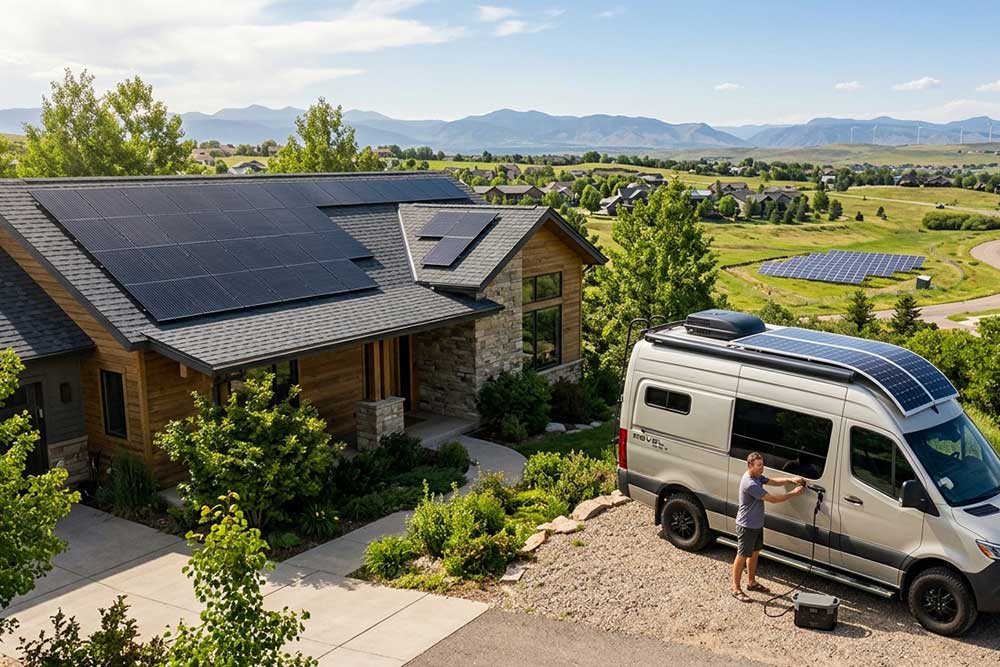
For RV, marine, and off-grid solar applications, preparation is different.
The surface should be:
- Clean
- Flat or properly curved
- Free from oil or dust
- Strong enough for mounting materials
Flexible solar panels require special attention because their lightweight design makes surface preparation even more important.Visit the product page: Flexible Solar Panel
Step 2: Check solar panel equipment before installation
Before installation day, inspect all components.
A typical solar equipment checklist includes:
| Component | Inspection Point |
|---|---|
| Solar panels | Check physical damage |
| Cables | Confirm correct length and connectors |
| Inverter | Verify compatibility |
| Mounting brackets | Confirm quantity and size |
| Junction boxes | Check waterproof condition |
During product inspections, I always recommend checking packaging condition first.
A damaged box does not always mean a damaged panel, but it deserves attention.
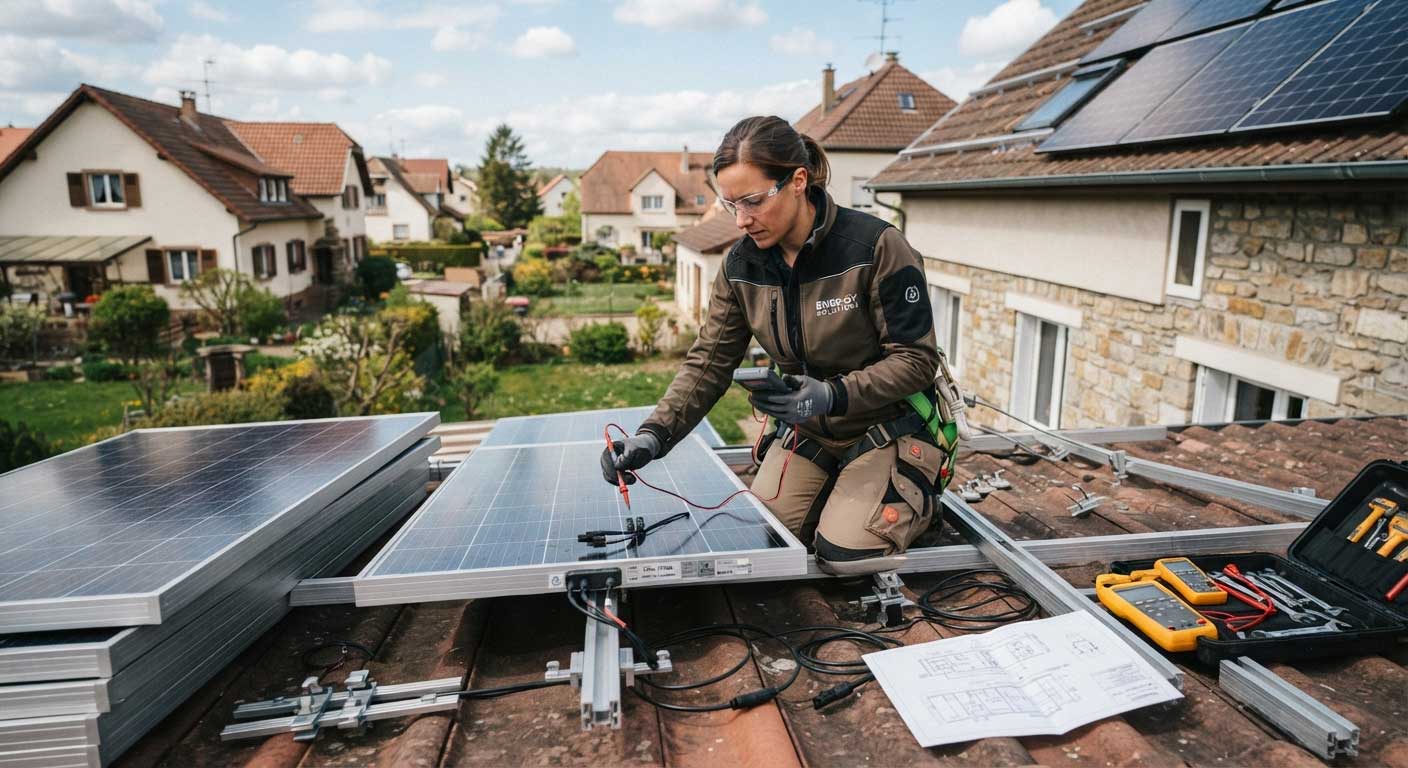
Before installation, panels should be:
Clean
Remove:
- Dust
- Packaging materials
- Manufacturing residue
Carefully handled
Avoid:
- Dropping panels
- Pressing on the surface
- Carrying panels by cables
Stored correctly
If installation is delayed:
- Keep panels dry
- Avoid extreme temperatures
- Protect connectors
Step 4: Prepare electrical connections
Solar panels generate DC electricity, which must be safely transferred through the system.
Preparation includes:
- Checking cable routes
- Confirming connector compatibility
- Planning inverter location
- Testing electrical components
Poor cable management can lead to:
- Higher losses
- Difficult maintenance
- Safety risks
Step 5: Prepare the mounting system
The mounting structure supports the solar panels for decades.
Preparation depends on the installation type.
Roof-mounted systems
Requirements:
- Correct roof brackets
- Waterproof sealing
- Proper spacing
- Structural attachment
Ground-mounted systems
Requirements:
- Stable foundation
- Correct tilt angle
- Weather-resistant structure
How weather affects solar preparation
Weather conditions should be considered before installation.
Avoid installation during:
- Heavy rain
- Strong winds
- Unsafe roof conditions
Solar panels are durable, but installation work requires safe conditions.
According to NREL research, photovoltaic system performance depends on environmental conditions, including temperature and solar radiation levels.
Source: https://www.nrel.gov/pv/
Bright solar preparation insight from real projects
One thing I noticed after reviewing many solar applications:
The best installations are usually not the fastest ones.
They are the ones where installers spend more time before the first panel is mounted.
A few hours of preparation can prevent:
- Incorrect layouts
- Extra labor costs
- Poor energy production
- Future maintenance problems
Solar preparation is not just about getting panels on a roof.
It is about creating a system that performs reliably for years.
Solar panel preparation checklist
Before installation, confirm:
✅ Installation area inspected
✅ Roof or surface condition verified
✅ Solar panel quantity confirmed
✅ Mounting hardware prepared
✅ Electrical design completed
✅ Cable routes planned
✅ Safety equipment ready
✅ Weather conditions suitable
Common mistakes when preparing solar panels<
Ignoring shading problems
A small shaded area can affect system output, especially when multiple panels are connected together.
Installing before checking roof condition
Replacing a roof after solar installation can increase costs significantly.
Choosing incorrect equipment
Panels, inverters, and mounting systems must work together.
FAQ: how to prepare solar panels?
What should I check before installing solar panels?
You should check the installation area, sunlight exposure, roof condition, equipment compatibility, and electrical requirements.
Do solar panels need cleaning before installation?
Yes. Panels should be free from dust, packaging materials, and surface contamination.
How long does solar panel preparation take?
Preparation time depends on the project size, location, and installation complexity.
Can I prepare solar panels myself?
Basic preparation is possible, but electrical planning and mounting should follow professional standards.
Should I inspect solar panels before installation?
Yes. Check for physical damage and confirm all components are included.
What tools are needed to prepare solar panels?
Common tools include measuring equipment, cleaning materials, safety equipment, and electrical testing tools.
Does weather affect solar installation preparation?
Yes. Safe installation requires suitable weather conditions, especially for rooftop projects.
Final Thoughts from Bright solar
how to prepare solar panels is about creating the right foundation before installation begins.
From Bright solar experience, careful preparation improves safety, reduces installation problems, and helps solar systems achieve better long-term performance.
The strongest solar projects are planned before the first panel is installed.
Related recommendations
-

How Much Is Solar Power For Homes?
195How much is solar power for homes? Learn residential solar costs, system prices, installation factors, and expert insights for choosing home solar.
View details -
does a solar panel need direct sunlight?
208does a solar panel need direct sunlight? Learn how solar panels work in cloudy weather, shade conditions, indirect light, and how to maximize solar energy output.
View details -
How Many Kilowatts Can Solar Panels Produce?
100Solar panel capacity depends on panel wattage and quantity, while actual output varies with sunlight, temperature, shading, orientation, and system losses.
View details -
How much energy does solar panels produce?
39Solar panels can generate from a fraction of a kilowatt-hour to hundreds of kWh daily, depending on system capacity, sunlight, location, panel efficiency, an...
View details