How Much Does Solar Cost for a Home?
How much does solar cost for a home? A residential solar system typically costs between $15,000 and $30,000 before incentives, while the final price depends on system size, electricity usage, equipment selection, installation complexity, and location.
When homeowners ask me about solar costs, they often expect a single number. After reviewing residential solar projects over the years, I have found that the same-sized home can receive completely different quotes because every property has unique conditions.
I remember evaluating a suburban installation where the homeowner compared two solar proposals. Both companies offered similar panel quantities, but the difference was almost $6,000. The higher quote included a premium inverter, upgraded mounting components, and additional electrical work. The lower quote looked attractive at first, but it did not provide the same long-term system value.
At Bright Solar, we focus on helping customers understand the complete solar investment—not just the price of panels. A properly designed solar system should provide reliable energy production for decades.
What Is the Average Cost of Solar for a Home?
The cost of residential solar depends mainly on the size of the system and the amount of electricity a household consumes.
According to the Solar Energy Industries Association (SEIA), residential solar installation prices have decreased significantly over the past decade because of improvements in photovoltaic technology, manufacturing scale, and installation efficiency.
Source:
- Solar Energy Industries Association (SEIA): https://www.seia.org
Typical home solar system costs:
| Solar System Size | Estimated Cost Before Incentives | Suitable For |
|---|---|---|
| 3 kW | $9,000–$13,000 | Small homes or low electricity usage |
| 5 kW | $14,000–$20,000 | Average household electricity needs |
| 7 kW | $18,000–$27,000 | Larger homes |
| 10 kW | $25,000–$35,000+ | High electricity consumption |
These prices usually include:
- Solar panels
- Inverter
- Mounting equipment
- Electrical components
- Installation labor
- Permits and inspections
The panels themselves are only one part of the total solar investment.
What Determines the Cost of Installing Solar Panels at Home?
A solar quotation is influenced by several technical and practical factors.
1. Solar System Size
The most important factor is how much electricity the home needs.
A household using more electricity will require:
- More solar panels
- Higher inverter capacity
- Larger mounting systems
- More installation work
Example:
| Monthly Electricity Usage | Recommended Solar Capacity |
|---|---|
| 300–500 kWh | 3–4 kW |
| 600–900 kWh | 5–7 kW |
| 1,000+ kWh | 8–10 kW |
A larger roof does not always mean a larger solar system. Energy consumption patterns are usually more important.
2. Solar Panel Technology
Different solar panel technologies affect both price and performance.
Monocrystalline Solar Panels
Most residential systems use monocrystalline panels because they provide:
- High efficiency
- Strong durability
- Better performance in limited space
Bifacial Solar Panels
Bifacial panels generate electricity from both sides and may improve energy output in suitable environments.
Flexible Solar Panels
Flexible solar panels provide advantages where traditional rigid panels are difficult to install.
Common applications include:
- RV solar systems
- Marine solar solutions
- Portable power systems
- Lightweight structures
- Off-grid applications
Bright Solar develops flexible solar solutions for customers who need adaptable photovoltaic technology.
What Is Included in the Cost of a Home Solar System?
Many homeowners focus only on panel prices, but a complete solar project includes multiple components.
Typical cost breakdown:
| Component | Approximate Percentage |
|---|---|
| Solar panels | 20–30% |
| Inverter | 10–15% |
| Mounting system | Around 10% |
| Electrical equipment | 10–15% |
| Labor | 25–35% |
| Permits and design | 10–15% |
The National Renewable Energy Laboratory (NREL) explains that solar costs include hardware expenses as well as soft costs such as labor, permitting, financing, and project development.
Source:
- National Renewable Energy Laboratory (NREL): https://www.nrel.gov
This is why comparing solar systems only by panel price can create misleading expectations.
How Do Roof Conditions Affect Home Solar Costs?
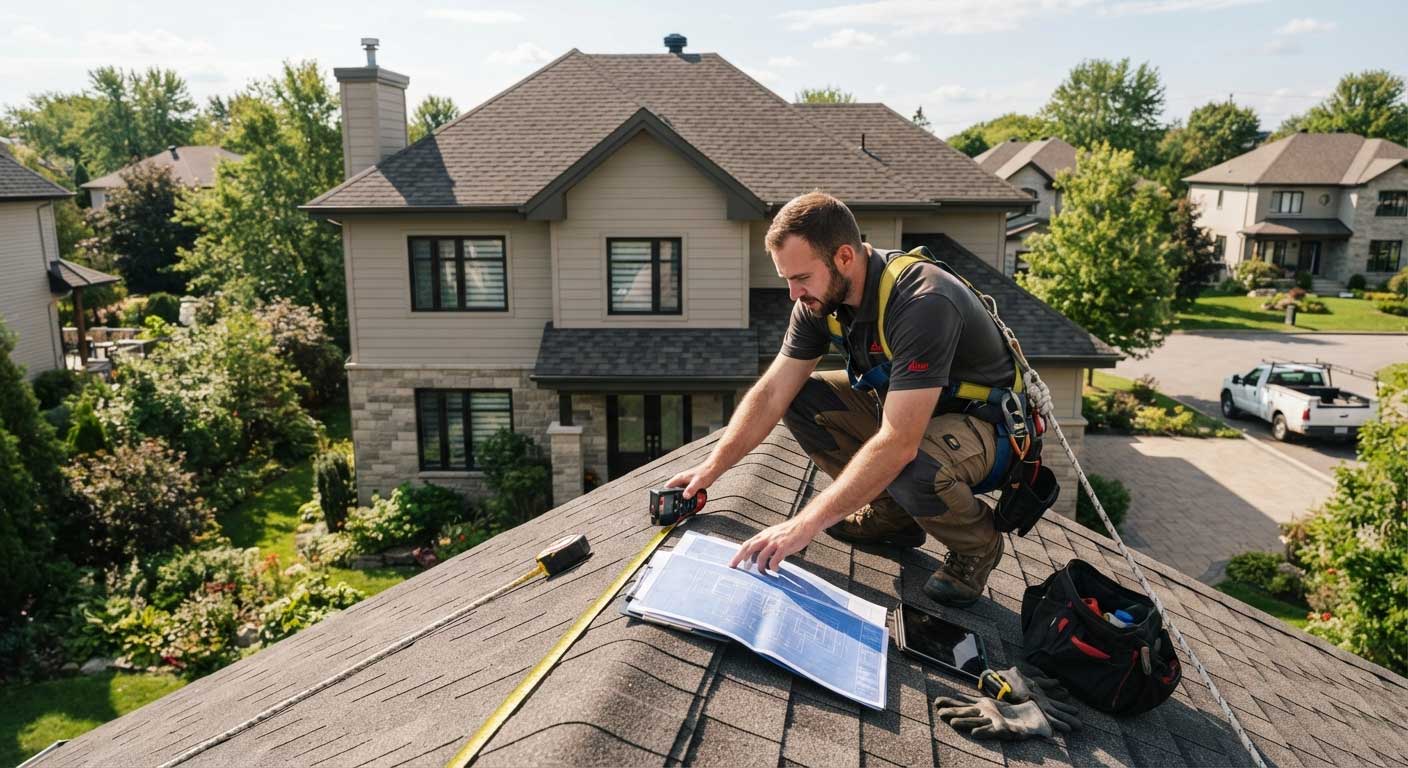
The roof is one of the biggest factors influencing installation pricing.
Before installing solar panels, professionals usually check:
- Roof age
- Structural strength
- Available installation area
- Roof angle
- Shading conditions
A newer roof may require fewer preparation steps, while an older roof may need repairs before solar installation.
During one residential project review, I found that roof preparation represented a significant part of the quotation difference between installers. The solar panels were not the expensive part—the additional structural work was.
This is why accurate site evaluation is essential before estimating the true cost of solar.
Does Location Change the Cost of Home Solar?
Yes. Solar costs vary by region because installation conditions are different.
Factors include:
- Local labor rates
- Electricity prices
- Weather conditions
- Permit requirements
- Incentive programs
For example, a home in a region with higher electricity prices may achieve faster savings even if the installation cost is slightly higher.
The value of solar is not determined only by the purchase price. It depends on the relationship between system cost and long-term energy savings.
How Battery Storage Changes Solar Costs
Adding a solar battery increases the upfront investment but provides additional benefits.
Battery storage can provide:
- Backup power during outages
- Better energy independence
- Storage of unused daytime solar production
- Reduced reliance on grid electricity
However, batteries are not necessary for every homeowner.
The right choice depends on:
- Energy goals
- Local grid reliability
- Electricity rates
- Budget considerations
A well-designed solar system should match actual household needs rather than include unnecessary equipment.
How Bright Solar Helps Customers Choose the Right Solar Solution
At Bright Solar, we believe solar design starts with understanding the application.
Every home has different requirements:
- Different electricity usage
- Different installation environments
- Different energy goals
Our flexible solar panels help customers who need:
- Lightweight solutions
- Space-efficient designs
- Alternative mounting options
- Reliable renewable energy
A solar system should not only look good on paper. It should work effectively in the environment where it is installed.
How Can Homeowners Reduce Solar Installation Costs?
Reducing the cost of a home solar system is not simply about choosing the cheapest panels. A carefully planned system can prevent unnecessary expenses and improve long-term value.
1. Select the Correct Solar System Size
One common mistake is installing more solar capacity than the home actually needs.
Before purchasing a system, homeowners should review:
- Annual electricity consumption
- Future energy demand
- Available roof space
- Local sunlight conditions
- Battery storage requirements
A properly sized system can balance upfront investment and long-term electricity savings.
For example, a household with moderate electricity consumption may not benefit from installing an oversized 10 kW system if a 6 kW system already covers most energy needs.
2. Compare Complete Solar Proposals
When comparing solar quotes, the lowest price is not always the best choice.
Homeowners should review:
| Item | Why It Matters |
|---|---|
| Panel efficiency | Determines energy production capability |
| Inverter quality | Influences reliability and conversion efficiency |
| Warranty terms | Protects long-term investment |
| Installation method | Affects safety and durability |
| Annual energy estimate | Shows expected performance |
A professional quotation should explain the entire system, not only the panel cost.
3. Consider Flexible Solar Panels for Unique Applications
Traditional rigid solar panels work well for many residential rooftops, but some homes and energy projects require different solutions.
Flexible solar panels can be useful for:
- RV owners
- Tiny homes
- Curved roofs
- Marine applications
- Portable energy systems
Bright Solar flexible solar panels are designed for customers who need lightweight and adaptable solar technology.
In one application review, a customer wanted solar power for a mobile living setup. A standard module offered higher wattage, but the weight and mounting limitations created problems. The flexible solution provided better practical performance because it matched the actual installation environment.
The right solar solution is determined by real-world conditions, not only product specifications.
Is Solar Worth the Cost for a Home?
Solar can be a valuable long-term investment for many homeowners because it can reduce electricity expenses and provide energy independence.
The financial benefits may include:
- Lower monthly electricity bills
- Reduced exposure to rising energy prices
- Increased control over energy usage
- Renewable electricity generation
According to the U.S. Department of Energy (DOE), solar photovoltaic systems have low operating costs after installation because they do not require fuel and generally need limited maintenance.
Source:
- U.S. Department of Energy: https://www.energy.gov
However, the value of solar depends on several factors:
- Local electricity prices
- Available sunlight
- Installation cost
- System efficiency
- Incentives
A homeowner in an area with high electricity rates may achieve faster savings than someone in a region with lower utility costs.
How Long Do Home Solar Systems Last?
A properly installed solar system can operate for decades.
Typical component lifespan:
| Component | Expected Lifespan |
|---|---|
| Solar panels | 25 years or longer |
| Inverter | About 10–15 years |
| Mounting structure | 25+ years |
| Battery storage | Around 10–15 years |
Solar panels usually experience gradual efficiency reduction over time rather than sudden failure.
The quality of materials, installation workmanship, and environmental conditions all influence long-term performance.
Why Choose Bright Solar for Home Solar Solutions?
Bright Solar focuses on practical solar technology designed for different applications.
A successful solar installation requires more than selecting powerful panels. It requires matching the product with the environment.
Bright Solar solutions support customers who need:
- Lightweight solar modules
- Flexible installation options
- Durable outdoor performance
- Portable energy solutions
- Off-grid power capability
Our flexible solar panels are developed for situations where traditional solar modules may not be the most practical option.
Whether the application is residential, mobile, or remote, the goal remains the same: reliable renewable energy production.
FAQ About How Much Does Solar Cost for a Home?
How much does solar cost for a home?
A residential solar system usually costs between $15,000 and $30,000 before incentives. The final price depends on system size, equipment selection, installation conditions, and location.
How much do solar panels cost individually?
A single residential solar panel commonly costs around $100 to $350, depending on wattage, efficiency, technology, and manufacturer.
What is the average cost of installing solar panels at home?
The average installation cost depends on system capacity. Many homes require systems between 5 kW and 7 kW, which may cost approximately $14,000 to $27,000 before incentives.
Does solar reduce monthly electricity bills?
Yes. Solar panels can reduce electricity bills by generating renewable power for household use. Savings depend on energy consumption, sunlight availability, and local electricity prices.
Are solar batteries necessary for a home solar system?
No. Batteries are optional. They are useful for backup power and storing excess solar electricity but increase the initial system cost.
How many solar panels does an average home need?
Most homes require approximately 15–25 solar panels, depending on electricity usage, panel wattage, roof conditions, and sunlight exposure.
Can flexible solar panels be used for homes?
Yes. Flexible solar panels are suitable for applications where homeowners need lightweight designs, unusual installation surfaces, or portable solar energy solutions.
How Much Is A Solar Panel For House?
A single solar panel for a house usually costs between $100 and $500, depending on wattage, technology, and brand. However, a complete home solar system requires multiple panels, inverters, mounting equipment, and installation services.Learn more about “How Much Is A Solar Panel For House“
Conclusion: Understanding How Much Does Solar Cost for a Home
How much does solar cost for a home? A typical residential solar system costs around $15,000–$30,000 before incentives, while the final investment depends on system size, equipment quality, installation conditions, and energy requirements.
After years working with photovoltaic technology, I have found that successful solar projects are not created by choosing the lowest initial price. They come from selecting the right system for the property and the homeowner’s long-term energy goals.
Bright Solar continues developing reliable and flexible solar solutions for residential, mobile, and off-grid applications.
Understanding the complete cost of solar helps homeowners make informed decisions and build a system that delivers value for many years.
Related recommendations
-

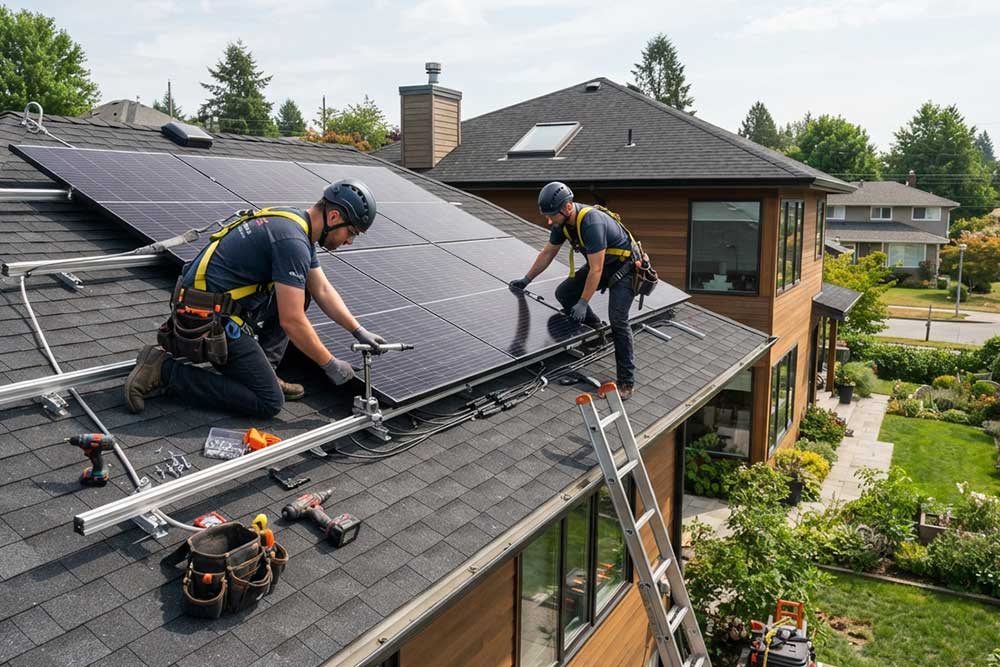
How Do You Install Solar Panels?
59Solar panels are installed by assessing the site, planning the array, mounting the modules, connecting wiring and system equipment, then completing testing, ...
View details -
How to Clean Solar Light Panels?
199Learn how to clean solar light panels properly, remove dirt from garden solar lights, improve charging performance, and extend solar lighting lifespan.
View details -
How many amps does 300 watt solar panel produce?
184How many amps does 300 watt solar panel produce? Learn solar panel amp calculations, voltage effects, current output, and real-world solar performance.
View details -
How Many kWh Does a Solar Panel Produce?
192How many kWh does a solar panel produce? Learn the real daily and yearly output of different solar panels, key influencing factors, and expert insights from Bright Solar.
View details