How Do You Clean Solar Panels on Roof?
How do you clean solar panels on roof? Clean rooftop solar panels by using soft water, a non-abrasive sponge or brush, and mild soap while avoiding harsh chemicals or high-pressure washing. Regular cleaning helps maintain energy production and extends panel performance.
Solar panels are designed to operate outdoors for decades, but dirt, dust, bird droppings, pollen, and environmental deposits can reduce sunlight reaching the photovoltaic cells.
At Bright Solar, we have inspected flexible solar panels and traditional modules installed in different outdoor environments. One common mistake we see is homeowners treating solar panels like normal glass surfaces. They often use aggressive cleaning methods that may create more problems than the dirt itself.Visit product page:Flexible Solar Panels
Effective solar panel cleaning is not about scrubbing harder. It is about using the right method at the right time.
Why Solar Panel Cleaning Matters
Do Solar Panels Need to Be Cleaned?
Yes, solar panels need occasional cleaning, especially when dirt buildup affects sunlight exposure.
Common contaminants include:
- Dust and sand
- Bird droppings
- Leaves
- Tree pollen
- Industrial pollution
- Salt deposits near coastal areas
A thin layer of dust may not completely stop electricity generation, but accumulated debris can reduce the amount of sunlight reaching solar cells.
According to National Renewable Energy Laboratory (NREL Photovoltaic Reliability Research), environmental factors such as soiling and outdoor exposure can influence photovoltaic system performance over time.
How Dirt Affects Solar Panel Performance
Solar Panel Cleaning and Energy Output
Solar panels generate electricity when sunlight reaches photovoltaic cells.
When the surface becomes dirty:
- Less sunlight reaches the cells
- Energy production may decrease
- Hot spots may develop in some situations
- Long-term surface problems may occur
The actual impact depends on:
- Local climate
- Rain frequency
- Dust levels
- Installation angle
- Nearby trees or construction
For example, a rooftop system in a dry, dusty area usually requires more attention than a system exposed to regular rainfall.
How to Clean Solar Panels Safely
Step-by-Step Solar Panel Cleaning Method
A safe cleaning process includes several simple steps.
Step 1: Check the Weather
Choose a suitable cleaning time.
Best conditions:
- Early morning
- Cloudy weather
- Cooler temperatures
Avoid cleaning during strong sunlight because hot glass combined with cold water may create thermal stress.
Step 2: Turn Off the Solar System
Before cleaning:
- Follow manufacturer instructions
- Shut down the system if required
- Avoid touching electrical components
Safety should always come first when working around rooftop equipment.
Step 3: Remove Loose Dirt
Start with gentle cleaning.
Use:
- Soft brush
- Microfiber cloth
- Low-pressure water
Do not use:
- Metal tools
- Hard scrubbing pads
- Abrasive materials
The solar glass surface is durable but can still be scratched.
Step 4: Wash Solar Panels With Clean Water
For most residential systems, clean water is enough.
If additional cleaning is needed:
- Use mild soap
- Apply gently
- Rinse completely
Avoid strong detergents because chemical residues may leave a film on the panel surface.
Washing Solar Panels: Best Tools to Use
Recommended Solar Panel Cleaning Equipment
The right tools make cleaning safer and easier.
Recommended:
| Tool | Purpose |
|---|---|
| Soft brush | Removes loose dust |
| Microfiber cloth | Cleans delicate surfaces |
| Clean water | Removes dirt residue |
| Extension pole | Improves roof safety |
| Mild soap | Helps remove stubborn deposits |
Avoid pressure washers because strong water pressure can damage seals, connectors, or mounting components.
Should I Clean My Solar Panels?
When Solar Panel Cleaning Is Necessary
Not every solar system requires frequent cleaning.
Cleaning may be needed when:
- Visible dirt covers the panel surface
- Energy output decreases unexpectedly
- Bird droppings block sections
- Dust accumulation is heavy
- Panels are installed near roads or farms
Many homeowners assume rain completely cleans solar panels, but rain can leave mineral deposits and dirt marks after evaporation.
How Often Should Solar Panels Be Cleaned?
Solar Panel Cleaning Frequency
There is no universal cleaning schedule.
A practical guideline:
| Environment | Recommended Cleaning Frequency |
|---|---|
| Rainy areas | Once or twice per year |
| Dry dusty regions | Several times per year |
| Coastal areas | Regular inspection for salt buildup |
| Areas with trees | Check more frequently |
The best schedule depends on actual energy performance rather than a fixed calendar.
Professional Experience: Cleaning Flexible Solar Panels
Flexible solar panels require special attention because they are often installed in unique locations.
Examples include:
- RV roofs
- Boat surfaces
- Curved structures
- Portable solar applications
At Bright Solar, we recommend avoiding excessive pressure during cleaning because flexible modules rely on lightweight construction. Gentle maintenance protects both the surface and the installation structure.
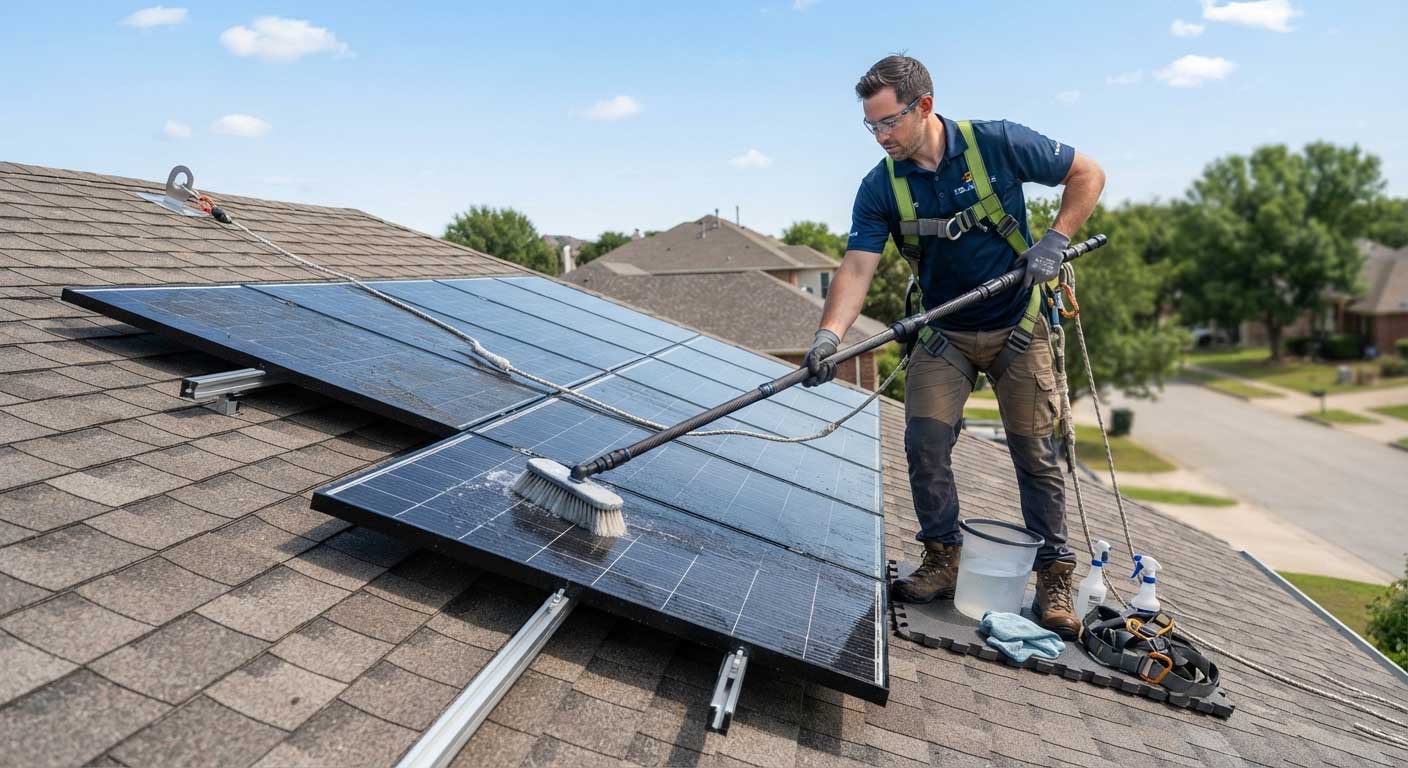
Common Solar Panel Cleaning Mistakes
Using High-Pressure Water
Pressure washing may appear convenient, but excessive force can create risks:
- Damaged seals
- Loose connectors
- Water intrusion
Gentle cleaning is usually more effective.
Cleaning During Peak Sun Hours
Hot solar glass can react poorly to sudden temperature changes.
Better timing:
- Morning
- Evening
- Cooler conditions
Walking Directly on Solar Panels
Never step on solar modules.
Pressure from walking can damage:
- Solar cells
- Internal connections
- Protective layers
Monitoring Before and After Cleaning
How to Know If Cleaning Helped
The best measurement is system performance.
Compare:
- Energy production before cleaning
- Energy production after cleaning
- Similar weather conditions
A clean panel does not always show immediate dramatic improvement because sunlight conditions change daily.
Professional Solar Panel Cleaning vs DIY Cleaning
Should You Hire a Solar Panel Cleaning Service?
Many homeowners can safely perform basic solar panel cleaning, but professional cleaning may be better for certain installations.
Professional cleaning is recommended when:
- Roof access is difficult
- Panels are installed at steep angles
- The system is large
- Heavy contamination exists
- Safety equipment is required
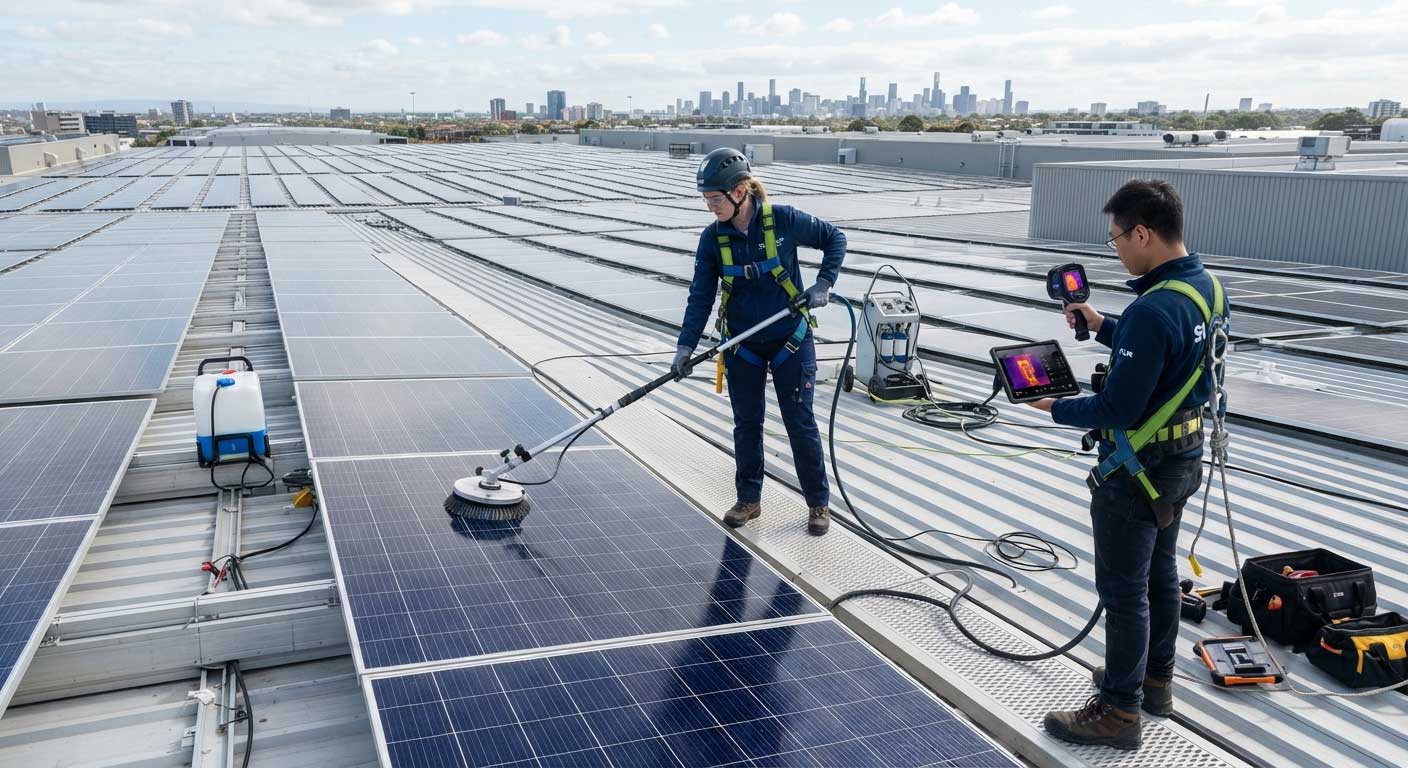
Professional technicians can also inspect:
- Mounting systems
- Cable connections
- Physical damage
- Drainage issues
At Bright Solar, we believe cleaning is not only about removing dirt. It is also an opportunity to identify small problems before they become expensive repairs.
How Rain Affects Solar Panel Cleaning
Can Rain Clean Solar Panels?
Rain can remove some loose dust and particles, but it does not completely replace proper cleaning.
Rain may leave behind:
- Mineral spots
- Mud residue
- Bird droppings
- Organic deposits
This is especially common in areas with:
- Low rainfall
- Hard water
- Heavy pollution
- Agricultural dust
A light rain shower may make panels look cleaner while leaving a thin layer of residue that still affects sunlight transmission.
Cleaning Solar Panels in Different Environments
Desert and Dusty Areas
Solar panels installed in dry regions often collect:
- Sand particles
- Fine dust
- Wind-blown debris
These systems may require more frequent inspections.
Coastal Areas
Marine environments create different challenges.
Salt deposits can accumulate on panel surfaces and nearby components.
Important maintenance includes:
- Rinsing salt residue
- Checking connectors
- Inspecting mounting hardware
Areas With Trees
Trees provide shade but also create additional maintenance needs.
Possible issues:
- Leaves covering panels
- Bird droppings
- Pollen buildup
- Branch debris
Regular monitoring helps maintain stable energy output.
Advanced Solar Panel Cleaning Methods
Using Deionized Water Systems
Some professional cleaners use purified water systems.
Advantages:
- Reduces water spots
- Leaves fewer mineral deposits
- Improves cleaning results
These systems are often used for large commercial solar installations.
Automated Solar Panel Cleaning Systems
Large solar farms may use automated cleaning equipment.
Examples:
- Robotic cleaners
- Automatic brushes
- Water-saving systems
For residential systems, manual cleaning is usually more practical.
Solar Panel Cleaning Safety Tips
Protect Yourself and Your Solar System
Before cleaning rooftop solar panels:
- Use proper fall protection
- Avoid wet slippery roofs
- Follow electrical safety instructions
- Never damage mounting components
If accessing the roof creates risk, professional cleaning is the safer option.
A small amount of dirt is rarely worth risking personal injury.
How Cleaning Affects Solar Panel Lifespan
Does Cleaning Extend Solar Panel Life?
Proper cleaning helps maintain performance, but incorrect cleaning can shorten equipment life.
Good maintenance prevents:
- Long-term dirt accumulation
- Surface contamination
- Reduced energy output
However, aggressive cleaning methods may cause:
- Scratches
- Seal damage
- Connector problems
The goal is simple: remove contamination without creating mechanical stress.
Solar Panel Cleaning Checklist
Quick Maintenance Guide
Use this checklist:
☑ Check panel appearance
☑ Review energy production data
☑ Remove visible debris
☑ Use soft cleaning tools
☑ Avoid harsh chemicals
☑ Inspect connectors and mounting
☑ Record maintenance dates
Keeping simple records makes it easier to identify performance changes over time.
FAQ About How Do You Clean Solar Panels on Roof?
How do you clean solar panels on roof?
Clean rooftop solar panels using clean water, a soft brush or microfiber cloth, and mild soap if needed. Avoid abrasive tools, harsh chemicals, and high-pressure washing.
Should I clean my solar panels?
Yes, solar panels should be cleaned when dirt, dust, bird droppings, or other debris reduce sunlight exposure or affect electricity production.
How often should solar panels be cleaned?
Cleaning frequency depends on location. Dusty, coastal, or heavily polluted areas may require more frequent cleaning than areas with regular rainfall.
Can I use a pressure washer to clean solar panels?
No. High-pressure water can damage seals, connectors, and panel components. Gentle cleaning methods are safer and more effective.
Do solar panels need to be cleaned if it rains?
Rain can remove some surface dust, but it usually does not remove stubborn dirt, mineral deposits, or bird droppings completely.
What is the best way to clean solar panels?
The best method is using soft tools, clean water, and gentle wiping. Regular inspection is more important than aggressive cleaning.
Can dirty solar panels stop working?
Dirty solar panels usually continue producing electricity but may generate less power because sunlight cannot fully reach the solar cells.
Expert Recommendations for Solar Panel Cleaning
Solar panel cleaning does not require complicated equipment. The most effective approach is consistent, careful maintenance.
The key points are:
- Clean only when contamination affects performance.
- Use gentle tools and suitable water.
- Avoid damaging the protective surface.
- Monitor energy production after cleaning.
- Prioritize safety during rooftop work.
At Bright Solar, we design solar products for real outdoor conditions. From flexible solar panels to portable solar solutions, proper maintenance helps every system deliver reliable performance over time.
Conclusion: How Do You Clean Solar Panels on Roof?
How do you clean solar panels on roof? Clean them with soft materials, clean water, and mild cleaning solutions while avoiding harsh chemicals and excessive pressure.
Solar panel cleaning is a simple but important part of system maintenance. Regular inspection and careful washing help maintain energy output, protect solar equipment, and extend the working life of photovoltaic systems.
Whether installed on homes, RVs, boats, or commercial buildings, clean solar panels allow more sunlight to reach the cells and help maximize renewable energy production.
The prev: How Do Solar PV Panels Generate Electricity?The next: How Do You Dispose of Solar Panels?
Related recommendations
-

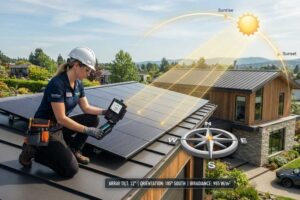
What Direction Should Solar Panels Face?
201Discover what direction should solar panels face for maximum energy output. Learn the best orientation, optimal angle, and installation tips from Bright Solar.
View details -
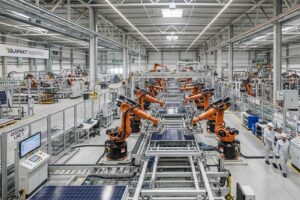
how are solar panels made?
140Learn how are solar panels made with real factory process insights, silicon production steps, and Bright solar engineering experience from global manufacturing lines.
View details -
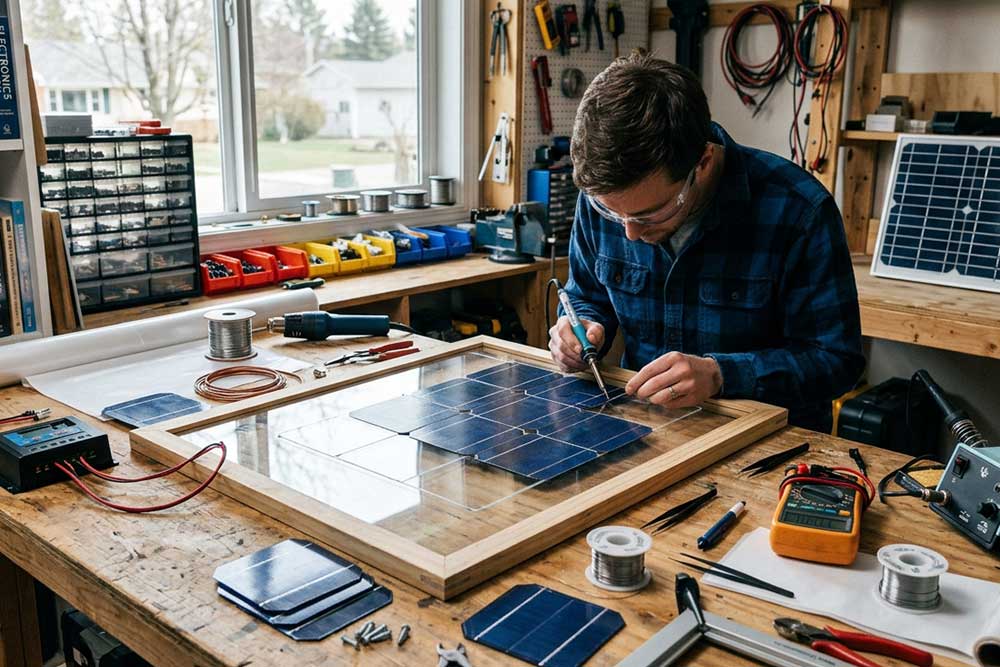
How to make solar panel at home?
4Making a solar panel at home involves connecting photovoltaic cells, protecting them with suitable materials, and safely testing their electrical output. DIY...
View details -
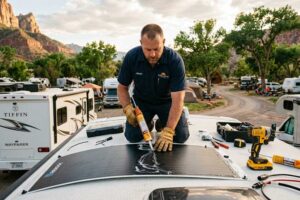
How to Mount a Flexible Solar Flexible Solar Panels?
258Learn how to mount a flexible solar flexible solar panels correctly with real RV and marine installation experience, proven mounting methods, and long-term reliability tips.
View details