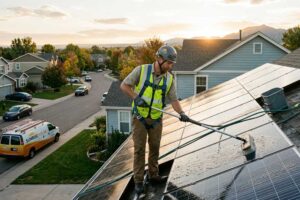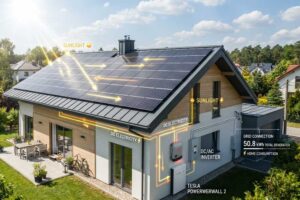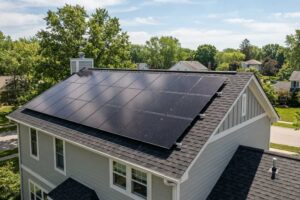
How Often to Clean Solar Panels?
How often to clean solar panels? Most solar panels should be cleaned 1–2 times per year, but the ideal schedule depends on dust, rainfall, pollution, bird droppings, and local environmental conditions.
Solar panels are designed to operate outdoors for decades, but dirt and debris can gradually reduce sunlight reaching the solar cells. A clean panel surface allows more sunlight to enter the photovoltaic layer and helps maintain stable electricity production.
At Bright Solar, we have seen many customers focus on panel specifications while overlooking maintenance. During actual solar projects, small issues such as dust buildup on low-angle panels or bird droppings near residential roofs can noticeably affect output.
The right cleaning frequency is not the same everywhere. A solar system installed in a dry desert environment may need more attention than one located in a rainy coastal area.
Why Solar Panel Cleaning Matters
Does Dirt Reduce Solar Panel Output?
Solar panels generate electricity when sunlight reaches the solar cells.
When the surface becomes covered by:
- Dust
- Sand
- Leaves
- Bird droppings
- Industrial pollution
- Salt deposits
less sunlight can reach the photovoltaic cells.
The impact depends on the type and amount of contamination.
A light layer of dust may have a small effect, while heavy buildup can create noticeable production losses.
According to research published by the National Renewable Energy Laboratory (NREL), soiling losses from dust and dirt can vary significantly depending on location, climate, and cleaning practices.
How Often Should You Clean Solar Panels?
Recommended Solar Panel Cleaning Schedule
For most residential solar systems:
| Environment | Recommended Cleaning Frequency |
|---|---|
| Normal residential area | Once or twice per year |
| Dry and dusty regions | Every 3–6 months |
| Coastal areas | Every 3–6 months |
| Heavy pollution areas | Several times per year |
| Frequent rainfall areas | Usually less frequent |
Rain can naturally remove some dust, but it does not always remove:
- Sticky bird droppings
- Oil residue
- Salt deposits
- Tree sap
Should I Clean My Solar Panels?
When Solar Panel Cleaning Is Necessary
Many homeowners ask:
“Should I clean my solar panels if they still produce electricity?”
The answer depends on the condition of the system.
Cleaning is recommended when you notice:
Visible Dirt
If the panel surface looks dusty or covered with debris, cleaning may improve light absorption.
Reduced Energy Production
A sudden drop in solar output may indicate:
- Dirt accumulation
- Shading problems
- Equipment issues
Environmental Exposure
Panels installed near:
- Farms
- Construction areas
- Highways
- Beaches
often collect more contaminants.
How to Clean Solar Panels Properly
Washing Solar Panels Without Damage
Solar panels are durable, but incorrect cleaning methods can damage the surface.
Recommended cleaning tools:
- Soft sponge
- Microfiber cloth
- Clean water
- Mild soap solution
Avoid:
- High-pressure washers
- Abrasive brushes
- Strong chemicals
- Hard scraping tools
A typical cleaning process:
- Turn off the solar system if required by the manufacturer.
- Remove loose dust with clean water.
- Gently wipe the panel surface.
- Rinse away soap residue.
- Allow panels to dry naturally.
Best Time for Cleaning Solar Panels
When Should You Wash Solar Panels?
The best time to clean solar panels is:
- Early morning
- Late afternoon
- During cooler temperatures
Avoid cleaning panels when they are extremely hot.
Cold water on a hot glass surface can create thermal stress.
Professional installers usually recommend cleaning when the panel temperature is lower because it is safer and easier.
Solar Panel Cleaning and Energy Efficiency
Does Cleaning Increase Solar Output?
Cleaning does not increase the rated wattage of a solar panel.
Instead, it helps the panel operate closer to its expected performance.
Example:
A dusty 400W solar panel may produce less electricity than a clean 400W panel under the same sunlight conditions.
The difference depends on:
- Dust level
- Weather
- Panel angle
- Location
For commercial solar farms, regular cleaning schedules are often used because even small efficiency losses can affect large-scale energy production.
Bright Solar Experience: Real Maintenance Considerations
At Bright Solar, we work with different solar applications including residential systems, RV solar panels, marine installations, and flexible solar solutions.
One thing we often notice is that maintenance needs change depending on installation location.
For example:
A flexible solar panel installed on an RV roof may collect road dust and tree debris more frequently than a rooftop system in an open area.
A marine solar panel may require more frequent cleaning because salt particles can accumulate on the surface.
The best maintenance plan considers the environment, not just the calendar.
How to Clean Solar Panels Safely
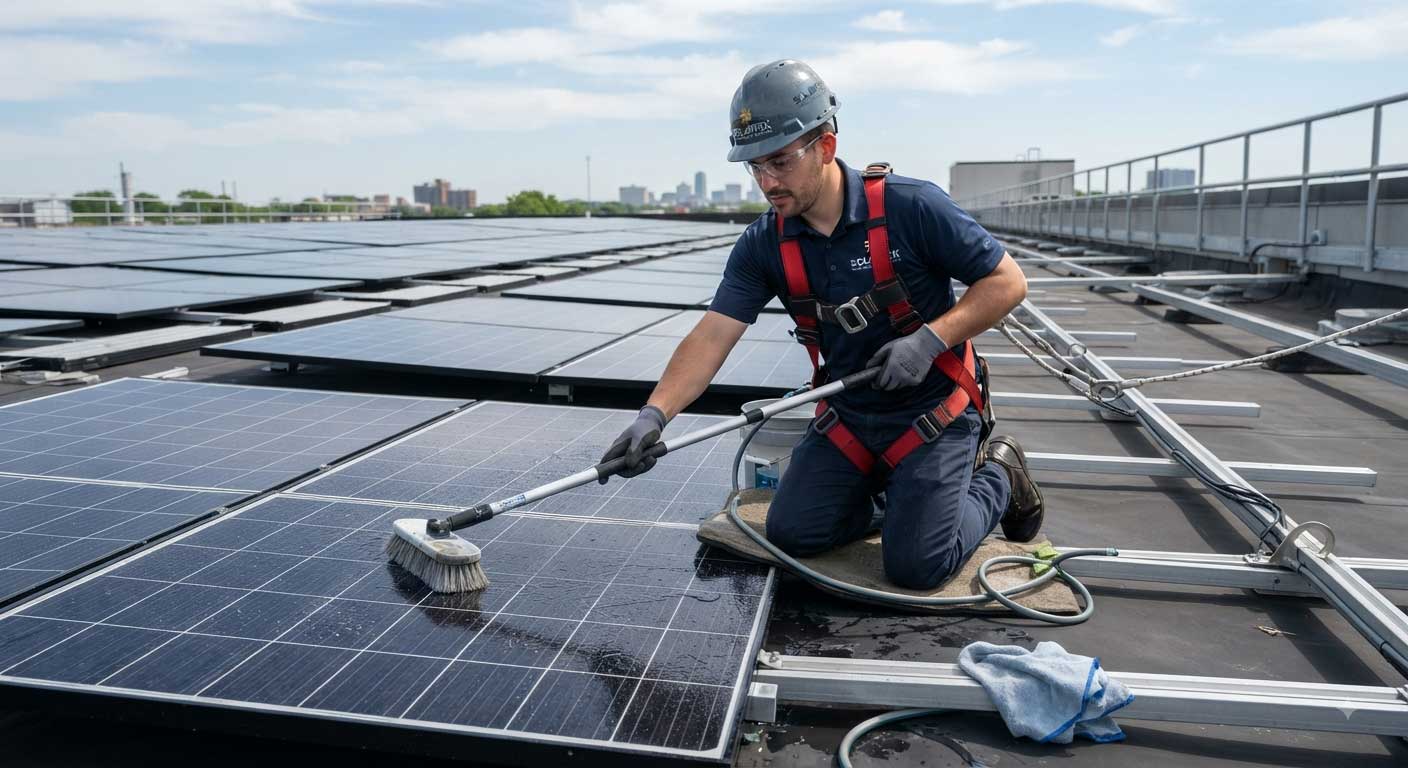
Washing Solar Panels Step by Step
Proper washing solar panels methods can help maintain energy production without damaging the photovoltaic surface.
A simple cleaning process includes:
Step 1: Check Panel Condition
Before cleaning, inspect the solar panels.
Look for:
- Heavy dust buildup
- Bird droppings
- Leaves
- Tree sap
- Salt deposits
If panels are difficult to access, consider professional cleaning instead of climbing onto the roof.
Step 2: Use Soft Cleaning Materials
Recommended tools:
- Soft microfiber cloth
- Non-abrasive sponge
- Soft brush
- Clean water
Avoid using:
- Metal brushes
- Rough sponges
- Strong detergents
- Pressure washers
The glass surface of solar panels is durable, but scratches can reduce long-term performance.
Step 3: Clean During Cooler Hours
The best time for cleaning is:
- Early morning
- Evening
- Cloudy but dry weather
Cleaning hot panels with cold water may create thermal stress.
How to Clean Solar Panels Without Reducing Performance
Common Solar Cleaning Mistakes
Many homeowners damage their systems by using incorrect cleaning methods.
Avoid these mistakes:
| Mistake | Why It Can Be a Problem |
|---|---|
| Using high-pressure water | May damage seals or connections |
| Scrubbing with hard tools | Can scratch protective coatings |
| Cleaning during extreme heat | Creates temperature stress |
| Using harsh chemicals | May damage panel surfaces |
| Walking on panels | Can cause hidden cell damage |
Solar panels are designed for outdoor exposure, but they are not maintenance-free surfaces.
Do Solar Panels Need to Be Cleaned After Rain?
Is Rain Enough to Clean Solar Panels?
Rain can remove loose dust, but it does not always completely clean solar panels.
Rain may leave behind:
- Mineral deposits
- Mud marks
- Bird droppings
- Salt residue
In areas with heavy dust or low rainfall, manual cleaning may still be necessary.
Research from NREL shows that soiling effects vary greatly by location. Some areas experience minimal losses, while dusty environments can experience much larger reductions in energy production.
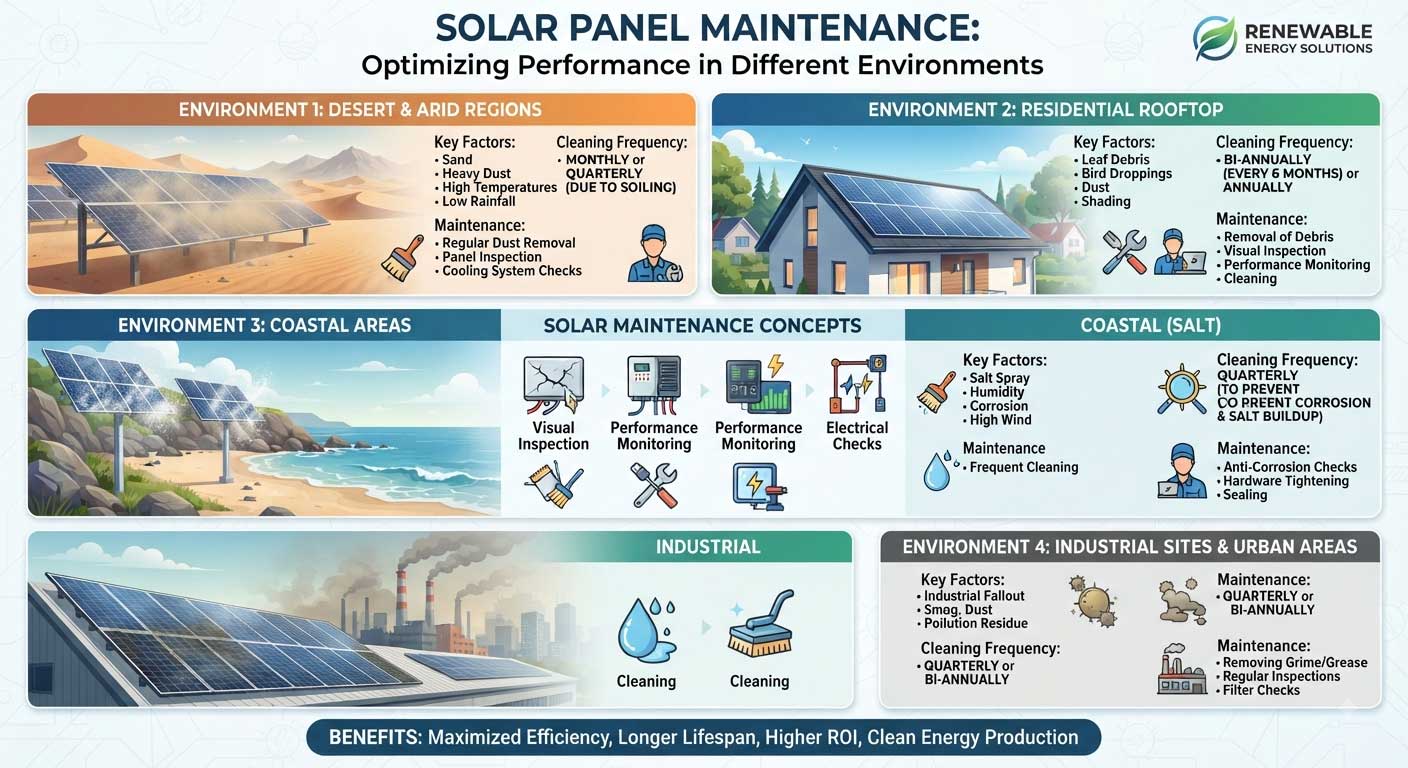
How Often Should You Clean Solar Panels in Different Environments?
Cleaning Frequency by Installation Type
Solar maintenance schedules should match the environment.
Residential Rooftop Solar
Usually:
- Once or twice per year
Recommended inspection:
- Spring
- After major storms
Farm Solar Systems
Agricultural areas may require more frequent cleaning because of:
- Soil dust
- Crop particles
- Animal waste
Coastal Solar Installations
Marine environments may collect:
- Salt particles
- Moisture residue
Regular inspection is recommended.
Desert Solar Systems
Dry regions often require more frequent cleaning because dust accumulation happens faster.
NREL research highlights that soiling losses depend heavily on local climate and site conditions rather than a universal cleaning schedule.
Professional Solar Panel Cleaning vs DIY Cleaning
Should You Clean Solar Panels Yourself?
DIY cleaning may work for:
- Ground-mounted panels
- Small solar systems
- Easy-access installations
Professional cleaning is better for:
- High rooftops
- Large solar arrays
- Commercial systems
- Difficult access locations
A professional service can also check for:
- Loose connections
- Damaged panels
- Mounting problems
- Visible defects
Bright Solar Maintenance Experience
At Bright Solar, we work with different solar applications including flexible solar panels, RV solar systems, marine solutions, and off-grid installations.Visit the product page:Flexible Solar Panels
One thing we have noticed during real projects is that cleaning requirements are strongly related to installation location.
For example:
An RV owner traveling through dusty areas may need to clean panels more often than a homeowner living in a rainy climate.
A boat owner may not see visible dirt but can still have salt deposits affecting sunlight transmission.
The cleaning schedule should follow the environment, not simply a fixed calendar.
How to Improve Solar Panel Lifespan Through Maintenance
Regular Cleaning Supports Long-Term Performance
Solar panels are designed for long operating periods.
Proper maintenance helps:
- Maintain energy output
- Identify problems early
- Reduce unnecessary performance losses
- Extend system reliability
Good maintenance habits include:
- Checking output monitoring data
- Inspecting panels visually
- Cleaning when needed
- Removing nearby shading sources
FAQ About How Often to Clean Solar Panels?
How often should you clean solar panels?
Most solar panels should be cleaned once or twice per year. Systems in dusty, coastal, or polluted areas may require more frequent cleaning.
Should I clean my solar panels?
Yes, if panels have visible dirt, bird droppings, heavy dust, or reduced energy production. Clean panels can maintain better sunlight absorption.
How often should solar panels be washed?
Solar panels are commonly washed every 6–12 months, but the schedule depends on climate, rainfall, and environmental exposure.
Can rain clean solar panels?
Rain can remove loose dust but may not remove sticky dirt, salt deposits, or bird droppings.
What is the best way for cleaning solar PV panels?
Use clean water, a soft cloth, and mild soap if needed. Avoid abrasive tools and high-pressure washing equipment.
Does cleaning solar panels increase electricity production?
Cleaning can improve output when dirt or debris blocks sunlight. The improvement depends on how much soiling has accumulated.
Can dirty solar panels stop working?
No. Dirty panels usually continue producing electricity but may generate less power because sunlight cannot fully reach the solar cells.
Conclusion: How Often to Clean Solar Panels?
How often to clean solar panels? Most solar systems only need cleaning once or twice a year, but the ideal schedule depends on dust, pollution, rainfall, and installation conditions.
Regular solar panel cleaning is not about constant washing. It is about maintaining the balance between cleaning costs and energy production.
For homeowners, RV users, and businesses using solar power, monitoring system performance and inspecting panel conditions are usually the best ways to decide when cleaning is necessary.
Bright Solar recommends choosing a practical maintenance plan based on real installation environments to keep solar systems operating efficiently for years.
Related recommendations
-

How Long Does a Flexible Solar Panel Last?
257How long does a flexible solar panel last in real-world conditions? Learn expected lifespan, durability factors, degradation rates, and expert insights from Bright Solar.
View details -
How to Clean Solar Panels on Roof?
251Learn how to clean solar panels on roof safely with expert maintenance tips, real performance data, cleaning methods, and rooftop solar care advice from Bright Solar.
View details -
how do solar panels generate electricity?
281Learn how do solar panels generate electricity with real photovoltaic physics, field insights, and Bright solar engineering explanation of energy conversion process.
View details -
How Much Energy Does a Solar Panel Create?
288A solar panel’s energy output depends on its rated power, sunlight, location, temperature, shading, orientation, and system losses. A 400W panel typically pr...
View details