


Submit your requirements here
Bright solar expert will contact you shortly.

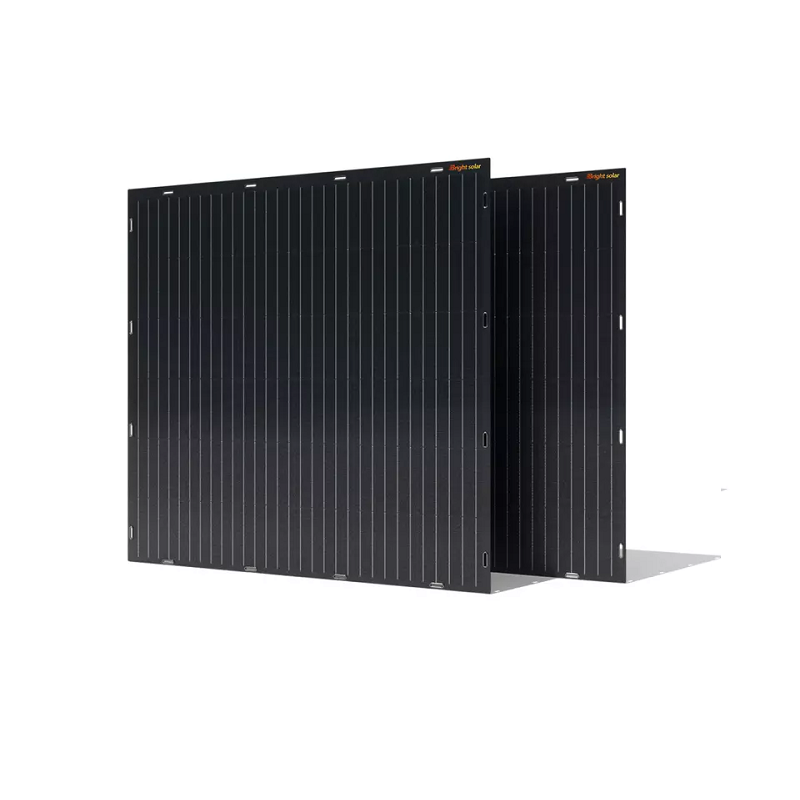
Balcony Solar Panel
Balcony Power Plant: That Turn Sunlight Into power
The Urban Energy Revolution
Every morning, as sunlight touches your balcony, your personal micro power station quietly comes to life. No need for a sprawling roof or complex renovations. With a few ultra-thin, flexible solar panels, your balcony transforms into a clean energy generator—turning sunshine into usable electricity for your daily life.
Ultra-Thin & Lightweight: Only 2–3 mm thick, weighing less than one-third of conventional panels
Easy Installation: Mount via adhesive, straps, or simple mounting—no heavy frames or drilling needed
Extremely flexible up to 30%, Suitable for easy installation on curved surfaces
Extremely lightweight and thin solar panel(2.8mm thick only)
S304 stainless steel eyelets for easy fixing and installation
DuPont ETFE, scratch-proof, anti-soil ETFE coating. Heat and corrosion resistant.
Anti-hot spots design.Optional blocking and bypass diodes to avoid the shadow effect. Junction Box: IP67
UV resistant, anti-ship&shatter-proof polymer
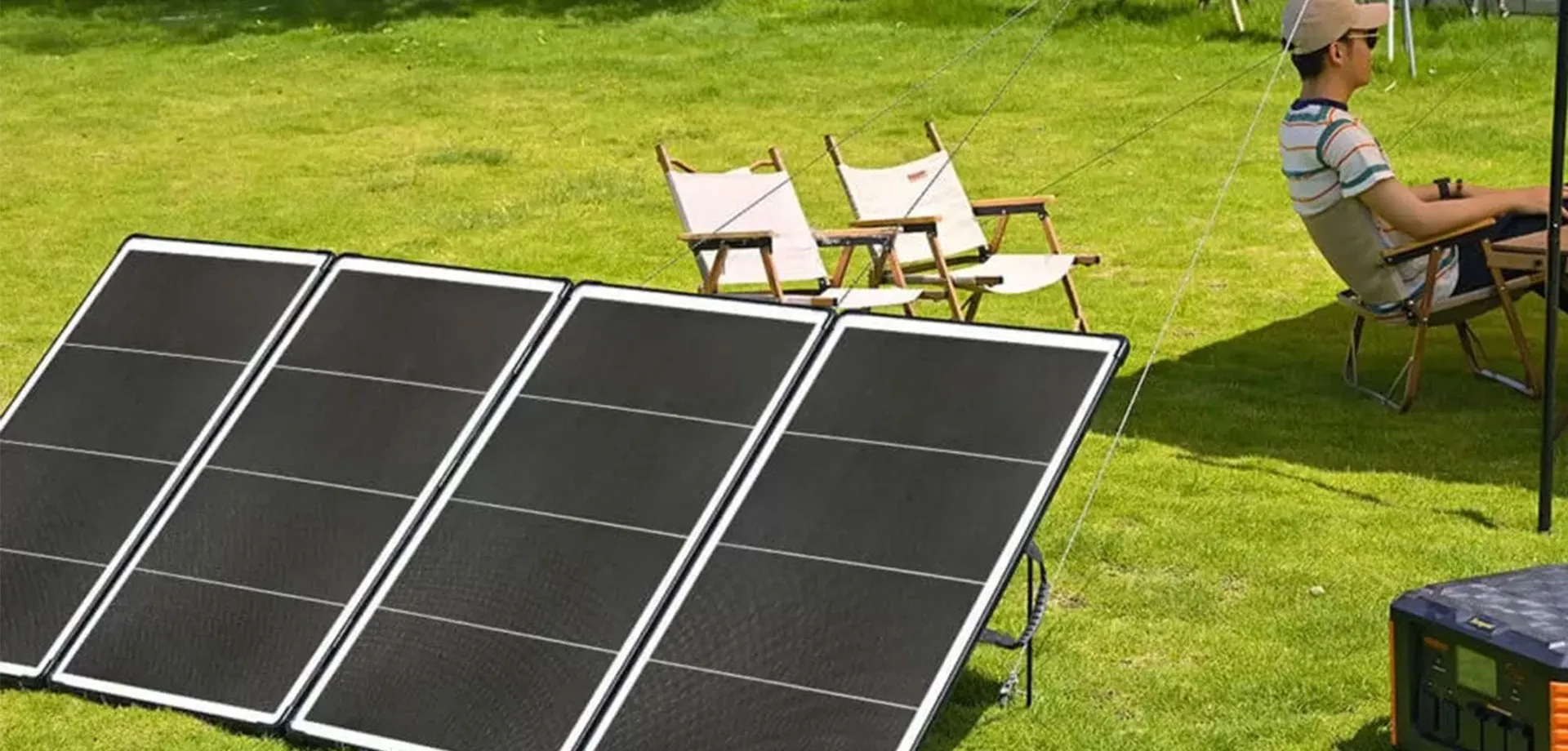
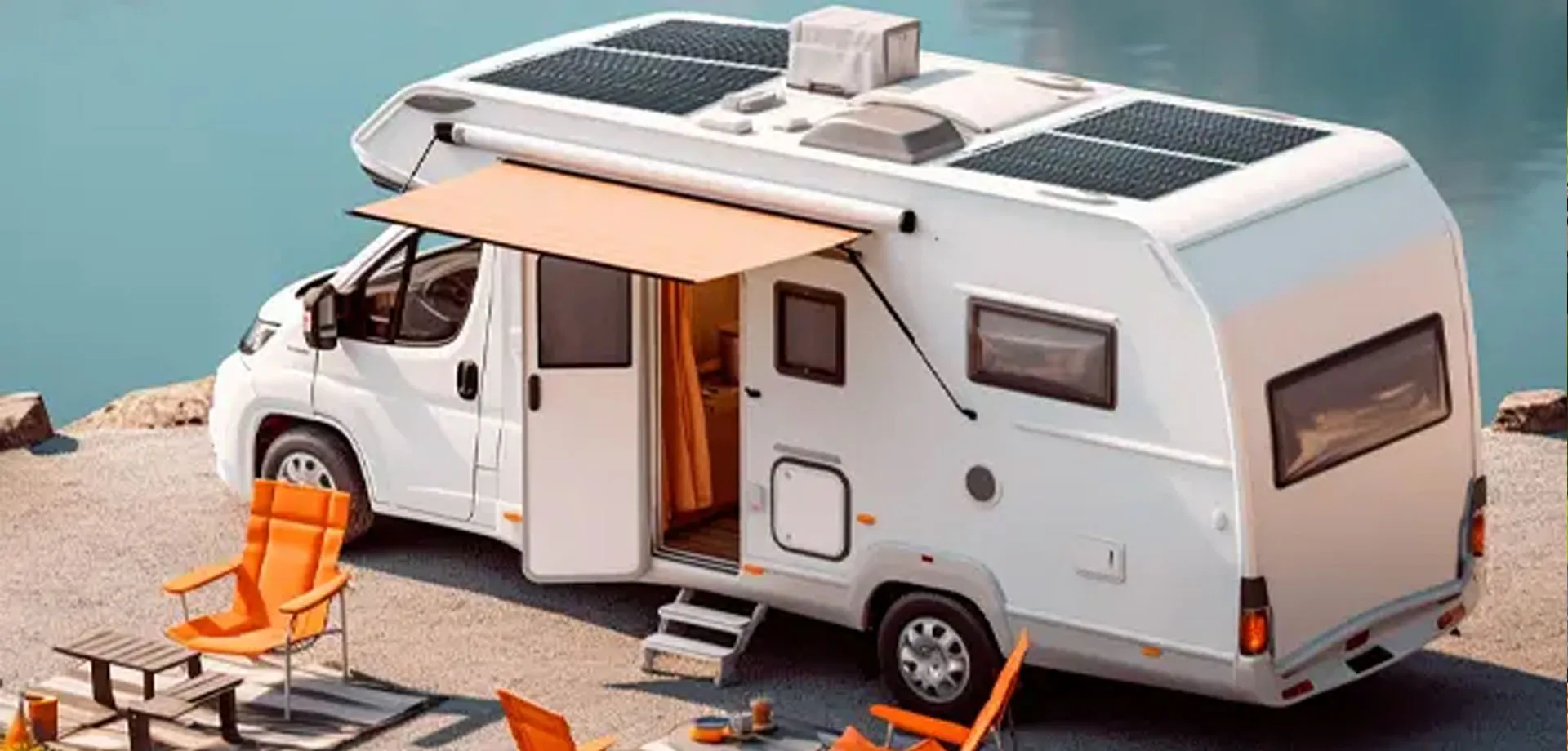
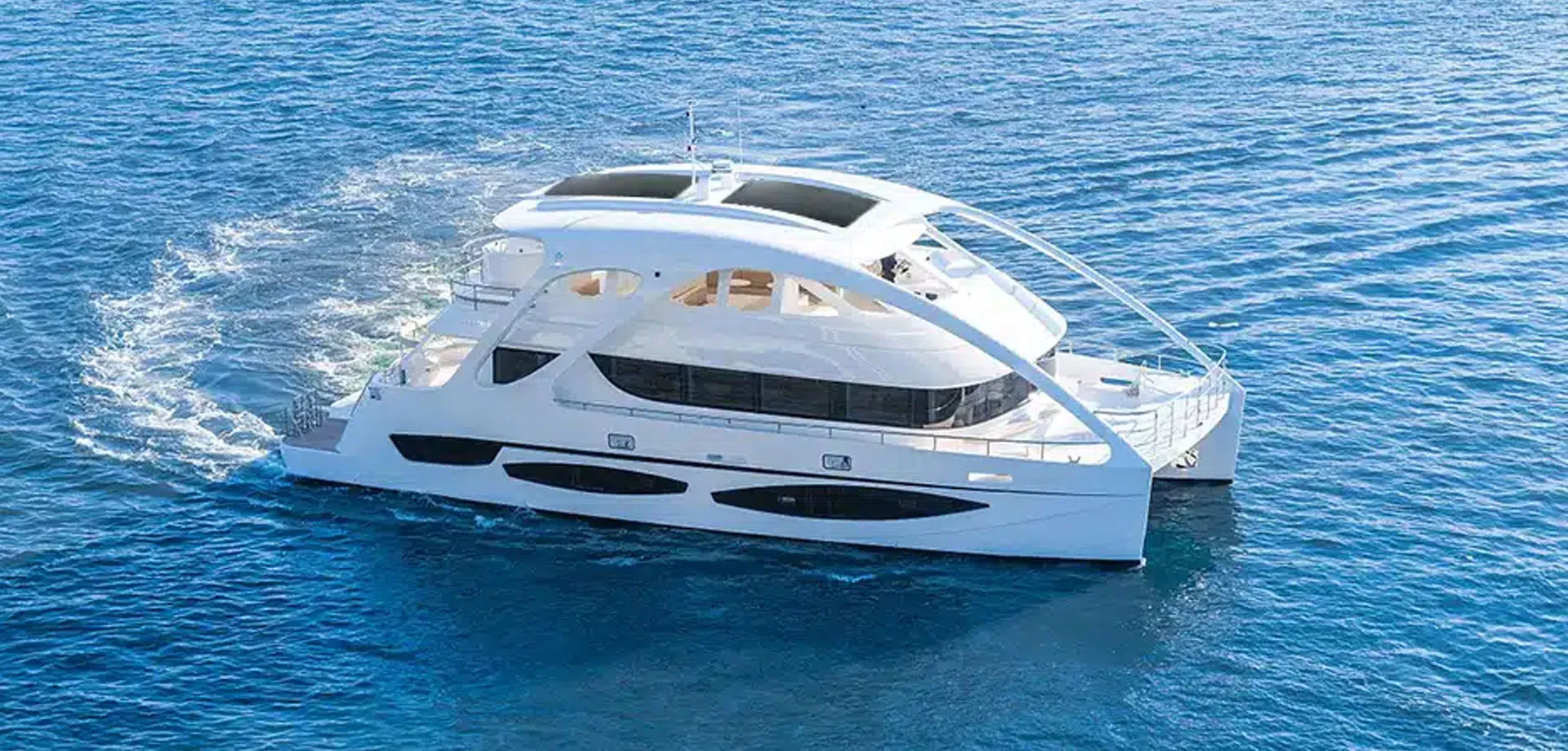
A flexible solar panel is a lightweight, bendable solar module made with thin-film or ultra-thin crystalline solar cells. Unlike traditional glass panels, flexible panels can be mounted on curved or uneven surfaces such as RV roofs, boats, tents, and curved metal roofs.
Most flexible solar panels can safely bend up to a certain radius (for example, around 10–30 degrees), depending on the design and material. They are flexible, not foldable. Over-bending or repeatedly bending the panel may damage the solar cells and reduce its lifespan.
Flexible solar panels are lightweight, thin, easy to install, and suitable for curved or limited-space surfaces. They are ideal for RVs, yachts, campervans, tents, and off-grid mobile applications where weight and aerodynamics are important.
In general, flexible solar panels have slightly lower efficiency than high-quality rigid glass panels. However, for mobile and curved-surface applications, the flexibility and easy installation of flexible panels often outweigh the small efficiency difference.
Flexible solar panels can be installed using adhesive, mounting tapes, or mechanical fasteners depending on the surface. The surface should be clean, dry, and smooth. Good ventilation and correct wiring with a compatible solar charge controller are important for safety and long-term performance.
Most flexible solar panels are designed to be waterproof and weather-resistant, with protective layers such as ETFE or similar materials. However, they should not be walked on, sharply folded, or installed on extremely rough surfaces that may scratch or damage the laminate.
The lifespan of a flexible solar panel depends on the material, production quality, and installation environment. High-quality flexible panels can work for many years under normal use, but in harsh environments (high temperature, strong UV, salt spray), proper installation and regular inspection are important to extend service life.