How much energy can a solar panel produce?
How much energy can a solar panel produce?
A solar panel can produce around 1–2 kWh of energy per day for every 400W of capacity under normal sunlight conditions. Actual output depends on panel size, peak sun hours, weather, installation angle, and system efficiency.
At Bright Solar, I have worked with flexible and rigid solar solutions for RVs, marine systems, and off-grid applications. One thing I always explain to customers is that panel wattage is only the starting point. A 400W solar panel does not generate 400 watts every hour; it produces different amounts throughout the day as sunlight changes.
Understanding real energy production helps homeowners and businesses design systems that match their actual electricity needs instead of relying only on product labels.
How much energy does a solar panel produce per day?
The daily energy output of a solar panel is measured in kilowatt-hours (kWh).
The calculation is:
Daily Energy Production = Solar Panel Wattage × Peak Sun Hours × System Efficiency
For example:
A 400W solar panel installed in an area receiving 5 peak sun hours:
400W × 5 hours = 2000Wh
Convert watts to kilowatt-hours:
2000Wh ÷ 1000 = 2kWh
Considering approximately 15–20% system losses:
2kWh × 80% = 1.6kWh usable energy
Therefore, a typical 400W solar panel may produce:
- Around 1.2kWh on average days
- Around 1.5–2kWh on sunny days
- Less than 1kWh during poor weather
According to National Renewable Energy Laboratory (NREL) Solar Photovoltaic Research, photovoltaic energy production varies depending on solar resources, system design, and environmental conditions.
What factors affect how much energy a solar panel produces?
Solar panel production is influenced by several real-world conditions. During system evaluations, these details often matter more than the rated wattage printed on the panel.
Solar panel wattage
The watt rating represents the maximum power output under laboratory conditions.
Common panel sizes include:
| Solar Panel Size | Maximum Rated Output |
|---|---|
| 100W panel | 100 watts |
| 200W panel | 200 watts |
| 300W panel | 300 watts |
| 400W panel | 400 watts |
| 550W panel | 550 watts |
A higher wattage panel generally produces more energy, but available sunlight determines how much electricity is actually generated.
For example:
A 400W panel with strong sunlight may outperform a larger panel installed in a shaded location.
Peak sunlight hours
Peak sun hours are not the same as daylight hours.
A location may have:
- 10 hours of daylight
- But only 4–6 hours of strong solar radiation
Example:
400W solar panel:
4 peak sun hours:
400W × 4 = 1600Wh
6 peak sun hours:
400W × 6 = 2400Wh
The difference can significantly affect annual energy production.
Solar panel efficiency
Efficiency determines how effectively a panel converts sunlight into electricity.
Higher-efficiency panels are useful when installation space is limited.
For example:
A rooftop with limited space may benefit from higher-output panels because fewer modules are needed to reach the required energy target.
Bright Solar focuses on efficient solar technologies, including flexible solar panels designed for applications where weight and installation flexibility are important.Visit product page:flexible solar panels
Temperature and environmental conditions
Solar panels perform differently depending on operating conditions.
Factors that reduce output include:
- High temperatures
- Dust accumulation
- Partial shading
- Snow coverage
- Poor installation angles
Although solar panels are tested under standard conditions, real installations rarely match laboratory environments.
A panel installed on a hot metal roof, for example, may produce different output compared with the same panel tested at controlled temperatures.
How much energy does a 100W, 300W, and 400W solar panel produce?
Different panel sizes generate different amounts of electricity.
Estimated daily production:
| Solar Panel Wattage | Daily Energy Production |
|---|---|
| 100W solar panel | 0.3–0.5 kWh/day |
| 200W solar panel | 0.6–1 kWh/day |
| 300W solar panel | 1–1.5 kWh/day |
| 400W solar panel | 1.2–2 kWh/day |
| 500W solar panel | 1.5–2.5 kWh/day |
These numbers assume approximately 4–5 peak sun hours and normal system efficiency.
Actual production may vary depending on geographic location.
For example:
A 400W solar panel in Arizona may generate more electricity than the same panel installed in an area with frequent cloud cover.
How much energy can a solar panel produce in a month?
Monthly energy production depends on daily output.
Example:
A 400W solar panel producing:
1.6kWh/day
Monthly calculation:
1.6 × 30 days
= 48kWh/month
Annual calculation:
48 × 12 months
= 576kWh/year
A single panel produces useful energy, but most homes require multiple panels to meet daily electricity consumption.
Example:
A home using 900kWh/month may need:
900 ÷ 48
≈ 19 panels
The final number depends on:
- Location
- Roof conditions
- Energy usage habits
- Battery storage requirements
Can one solar panel power a house?
A single solar panel usually cannot power an entire house because residential electricity demand is much higher.
A typical home may consume electricity for:
- Air conditioning
- Refrigerators
- Lighting
- Washing machines
- Electronics
A single 400W panel producing about 48kWh/month can support small energy needs, but a complete home system usually requires multiple panels.
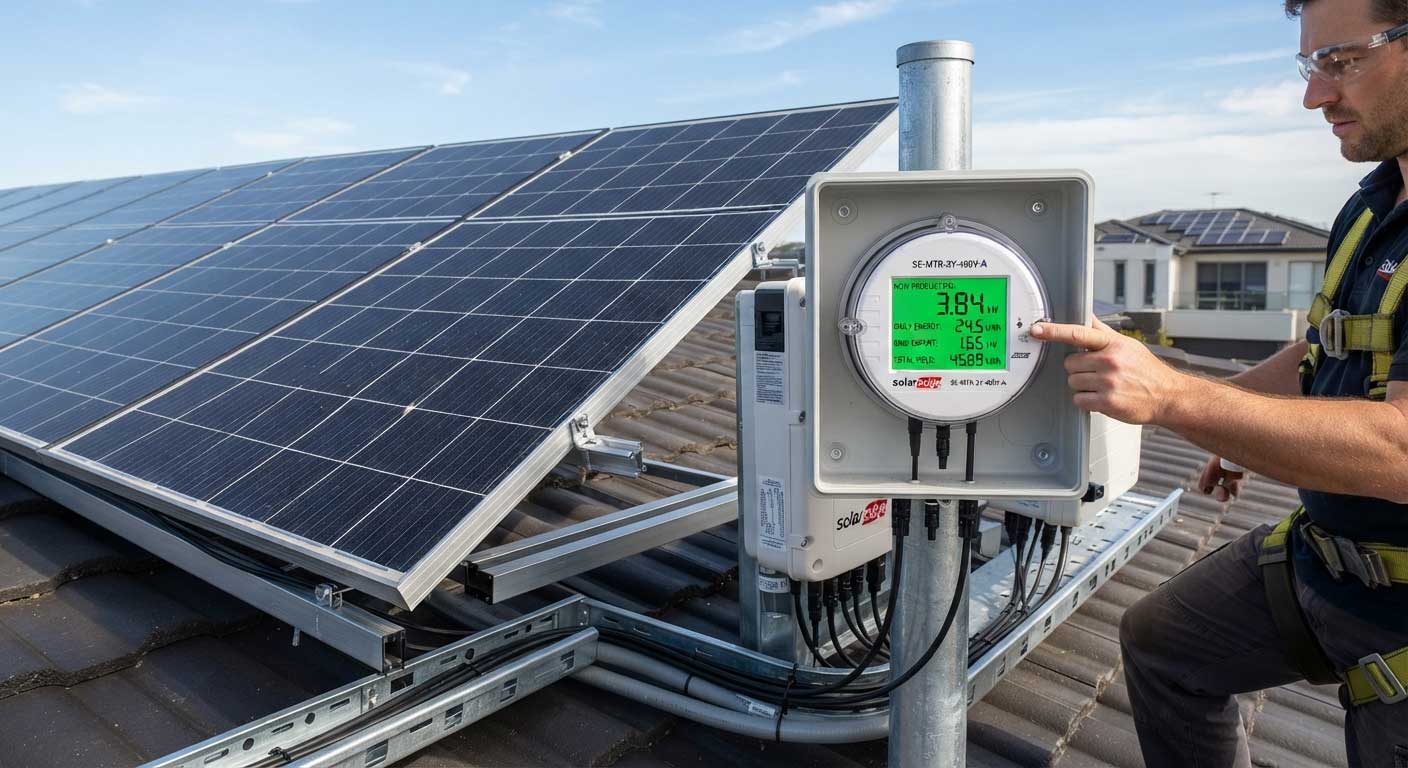
A residential solar system normally includes:
- Multiple solar panels
- Inverter
- Battery storage (optional)
- Mounting equipment
- Electrical protection components
For example:
A 5kW home solar system may use approximately:
12–15 panels rated around 400W each.
How does a solar panel generate energy throughout the day?
Solar energy production changes from morning to evening.
Typical production pattern:
Morning
- Low sunlight intensity
- Lower electricity output
Midday
- Highest solar radiation
- Maximum energy production
Afternoon
- Gradually decreasing output
Night
- No direct solar production
This daily pattern is why solar systems often combine panels with battery storage. Energy generated during peak sunlight hours can be stored and used later.
How much energy can a solar panel produce in different weather conditions?
Solar panel output changes with weather because photovoltaic cells depend on available sunlight.
A solar panel does not produce the same amount of electricity every day. During my solar system evaluations, I often compare seasonal production instead of only looking at the rated panel output. This gives customers a more realistic expectation.
Typical output differences:
| Weather Condition | Approximate Energy Output |
|---|---|
| Clear sunny day | 100%–90% of rated production |
| Light clouds | 70%–90% |
| Heavy clouds | 30%–60% |
| Rainy weather | 10%–40% |
For example, a 400W solar panel may produce:
Sunny day:
- 1.5–2kWh/day
Cloudy day:
- 0.5–1kWh/day
The exact output depends on location, season, and solar panel installation conditions.
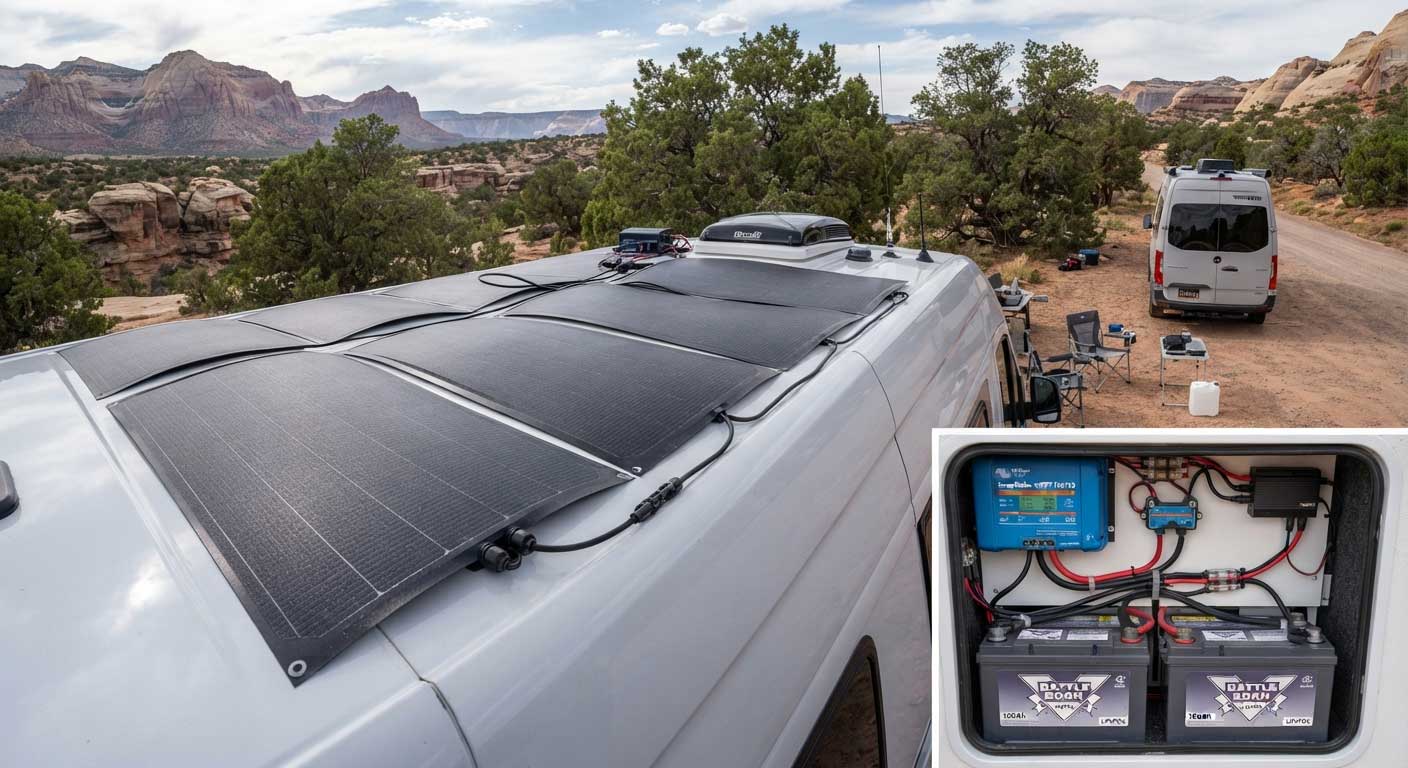
How much energy can a solar panel produce for an RV or camper?
Solar panels are widely used in RVs because they provide independent power without requiring constant electrical hookups.
A typical RV solar setup:
| Solar Panel Size | Daily Energy Production |
|---|---|
| 100W panel | 0.3–0.5kWh |
| 200W panel | 0.6–1kWh |
| 400W panel | 1.2–2kWh |
A single 200W or 400W solar panel can support many common RV devices, including:
- LED lighting
- Mobile phones
- WiFi routers
- Small fans
- Portable refrigerators
- Laptop charging
However, high-power appliances such as air conditioners require much larger solar systems combined with battery storage.
For RV applications, Bright Solar flexible panels are designed to provide lightweight energy solutions where roof space and installation weight are limited.
How much energy does a flexible solar panel produce?
Flexible solar panels generate electricity using the same photovoltaic technology as traditional rigid modules.
The main difference is their physical structure.
Flexible solar panels are often selected for:
- Curved RV roofs
- Marine surfaces
- Portable solar systems
- Lightweight installations
Example:
A flexible 300W solar panel:
Daily output:
Approximately 1–1.5kWh/day
A flexible 400W solar panel:
Daily output:
Approximately 1.2–2kWh/day
The actual performance depends on:
- Solar cell quality
- Panel orientation
- Temperature
- Surface installation
Flexible panels are especially valuable when a standard rigid panel cannot fit the available installation area.
How to calculate your solar panel energy requirements?
Before buying solar panels, it is important to calculate daily electricity consumption.
The calculation method:
Required Solar Capacity = Daily Energy Usage ÷ Daily Solar Production
Example:
A home uses:
20kWh/day
A 400W panel produces:
1.6kWh/day
Calculation:
20 ÷ 1.6
≈ 13 panels
In real installations, additional capacity is usually recommended because of:
- Weather changes
- Battery charging losses
- Inverter losses
- Seasonal production differences
A practical design may require:
15–16 panels instead of exactly 13.
How long can a solar panel produce electricity?
Modern solar panels are designed for long-term operation.
Most quality solar panels maintain useful performance for:
- 25 years or longer
Solar panel degradation usually happens gradually.
For example:
Year 1:
- Around 98% output
After 25 years:
- Around 80% or higher output depending on product quality
Long-term performance depends on:
- Solar cell technology
- Protective materials
- Installation environment
- Maintenance
According to U.S. Department of Energy Solar Energy Technologies Office, photovoltaic systems are designed for decades of electricity generation with proper installation and maintenance.
FAQ About how much energy can a solar panel produce?
How much energy can a solar panel produce per day?
A typical solar panel produces around 1–2kWh per day depending on its wattage, sunlight hours, and environmental conditions.
How much energy does a 400W solar panel produce?
A 400W solar panel usually produces approximately 1.2–2kWh daily under normal sunlight conditions.
How many kWh does a solar panel produce per month?
A 400W solar panel can produce around 40–60kWh per month depending on location and sunlight availability.
Can one solar panel power a refrigerator?
Yes, one solar panel can support a refrigerator when combined with a suitable battery and inverter, but energy demand must be calculated carefully.
Does a solar panel produce electricity on cloudy days?
Yes. Solar panels still generate electricity during cloudy conditions, but the output is lower than on sunny days.
How many solar panels are needed for a house?
Most homes require multiple solar panels. The exact number depends on electricity usage, location, and desired energy independence.
Do larger solar panels produce more energy?
Yes, higher-wattage solar panels generally produce more energy, but actual output depends on sunlight conditions and installation quality.
Final Thoughts: How much energy can a solar panel produce?
The answer to how much energy can a solar panel produce depends on more than the number printed on the panel label. A modern solar panel can generate approximately 1–2kWh of electricity per day for every 400W of capacity under suitable sunlight conditions.
From my experience working with Bright Solar projects, accurate solar planning starts with understanding real energy production rather than only comparing watt ratings. The best solar system is not always the largest one; it is the system designed around actual energy needs, available space, and operating conditions.
Whether used for residential power, RV travel, marine applications, or off-grid systems, knowing solar energy output helps create a more reliable and efficient renewable energy solution.
Related recommendations
-

How To Mount Solar Panels On RV Roof?
170How to mount solar panels on RV roof? Learn professional RV solar installation steps, mounting methods, tools, and practical tips from Bright Solar.
View details -
how to clean solar panels on roof automatically?
122Solar panels on a roof can be cleaned automatically with robotic dry brushes, wet cleaning systems, fixed washing devices, or soiling-based controls.
View details -
How Much Is One Solar Panel?
143How much is one solar panel? Learn current panel prices, cost factors, wattage differences, and expert buying tips from Bright Solar for better decisions.
View details -
How Flexible Are Flexible Solar Panels?
210How flexible are flexible solar panels in actual use? Learn real bend limits, durability facts, RV and marine applications, and expert insights from Bright Solar.
View details