
Submit your requirements here
Bright solar expert will contact you shortly.

H seriess
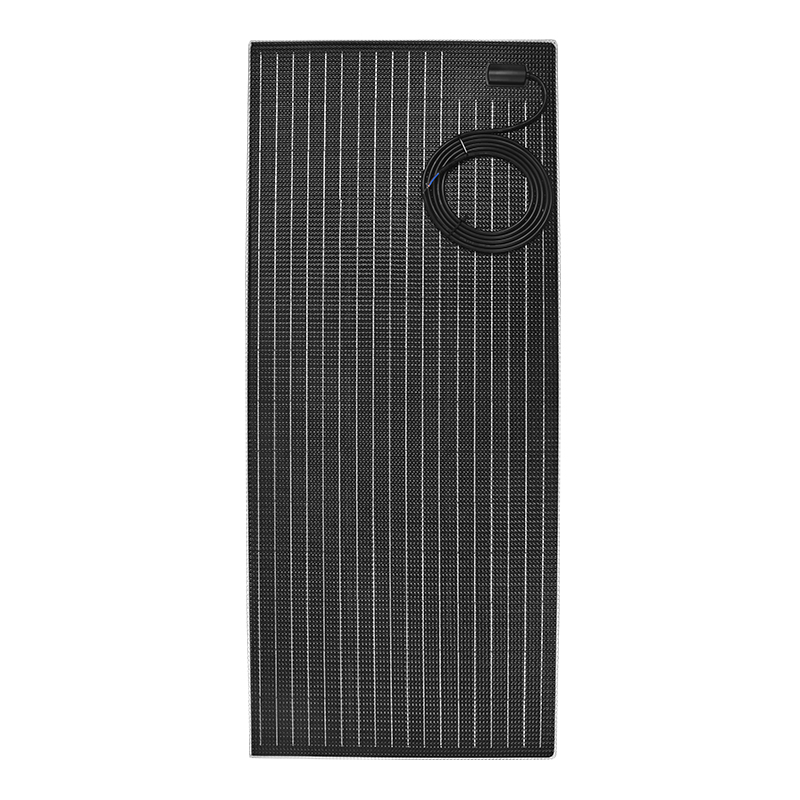
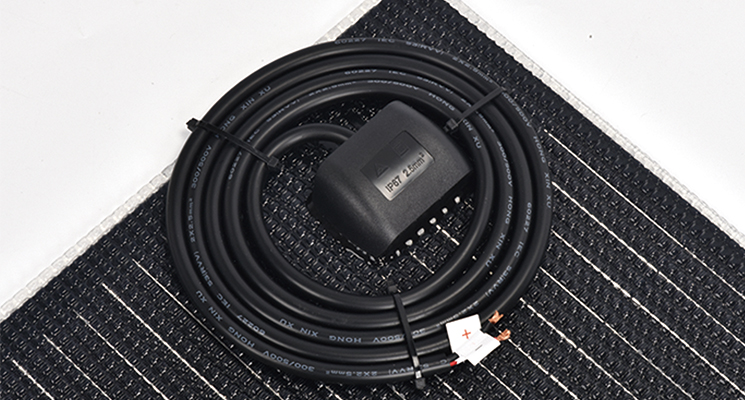
The 100W Semi Flexible Solar Panel is designed for users who need high power output without the weight and bulk of traditional glass modules. Using high-efficiency monocrystalline solar cells, this panel delivers stable 100W performance while remaining thin, lightweight, and easier to handle during installation and daily use.
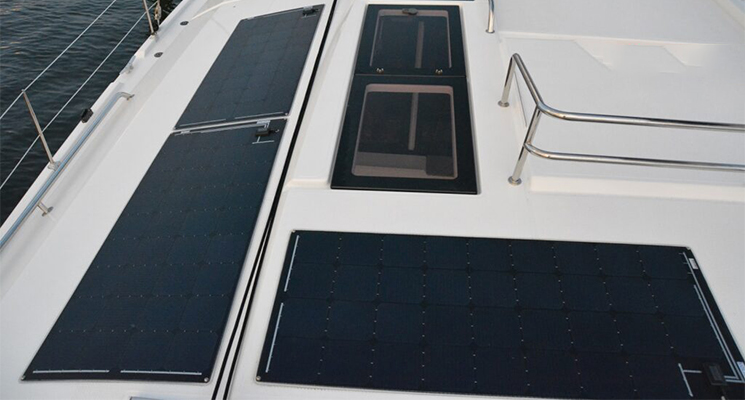
Applications For Motor Boats and Sailing Yachts For Yachts, Electric Boats, Cruise Ships For Buoy, Lighthouse, Deck, Boat Roof, Boat Railing For Marine transportation industry, Marine application products
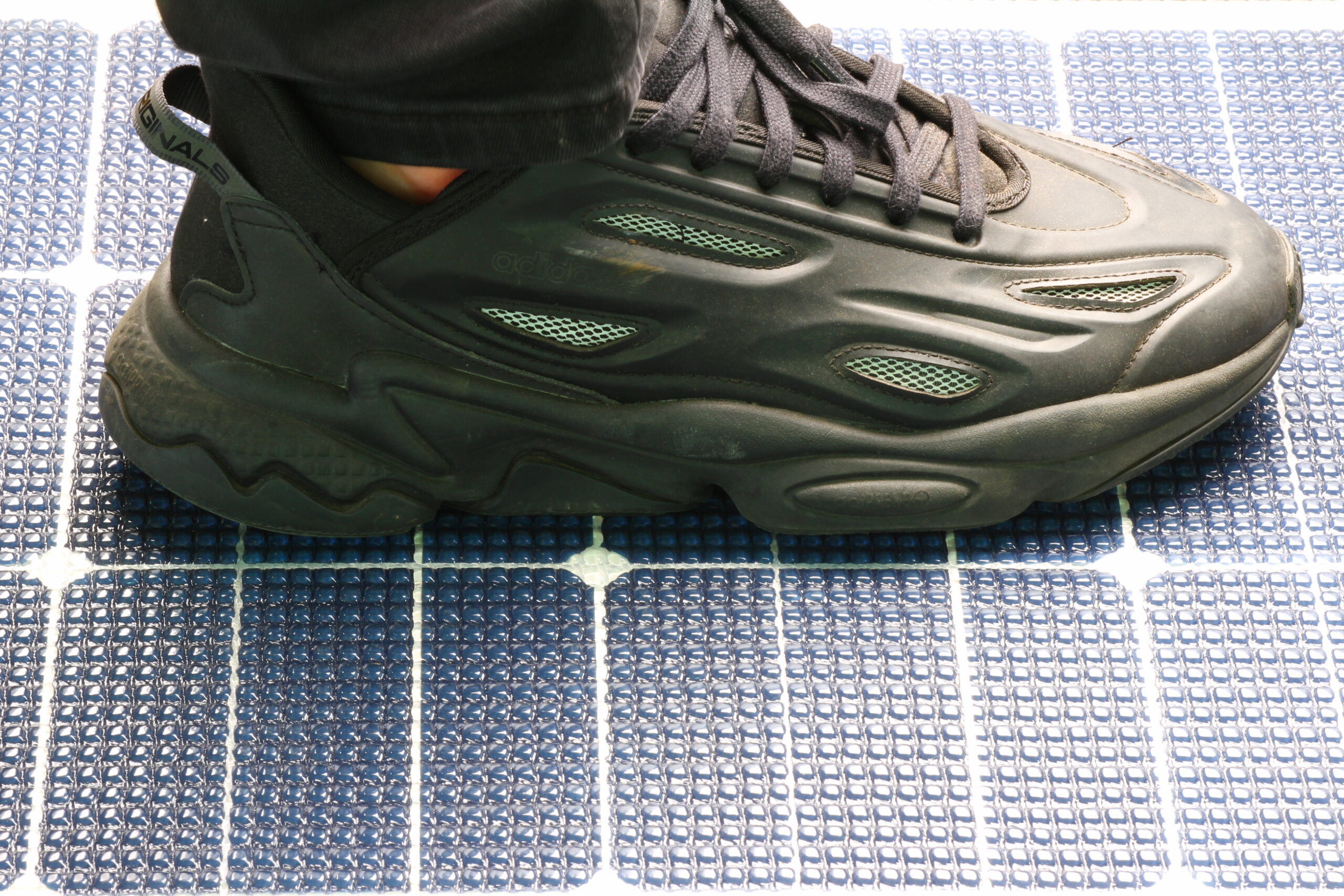
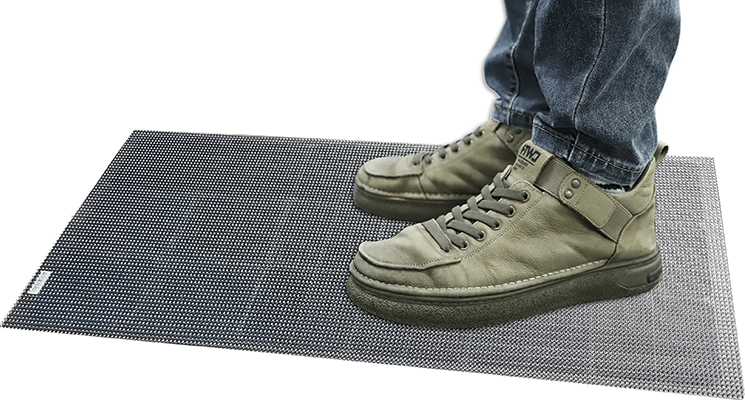
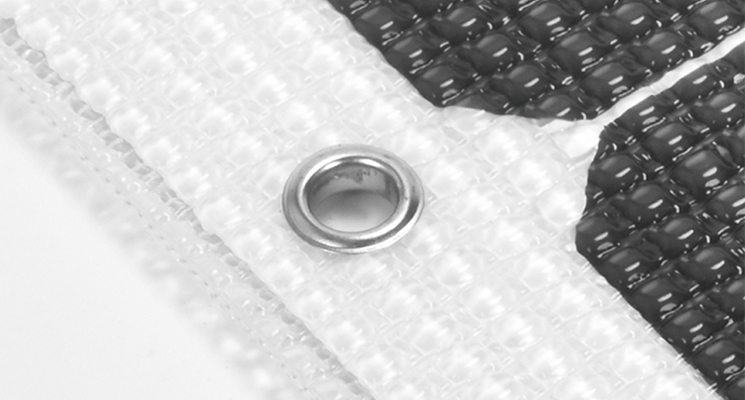
Most Robust construction,Rugged and Tough design,can walk easily, Durable, Versatile,Suitable for deck installation
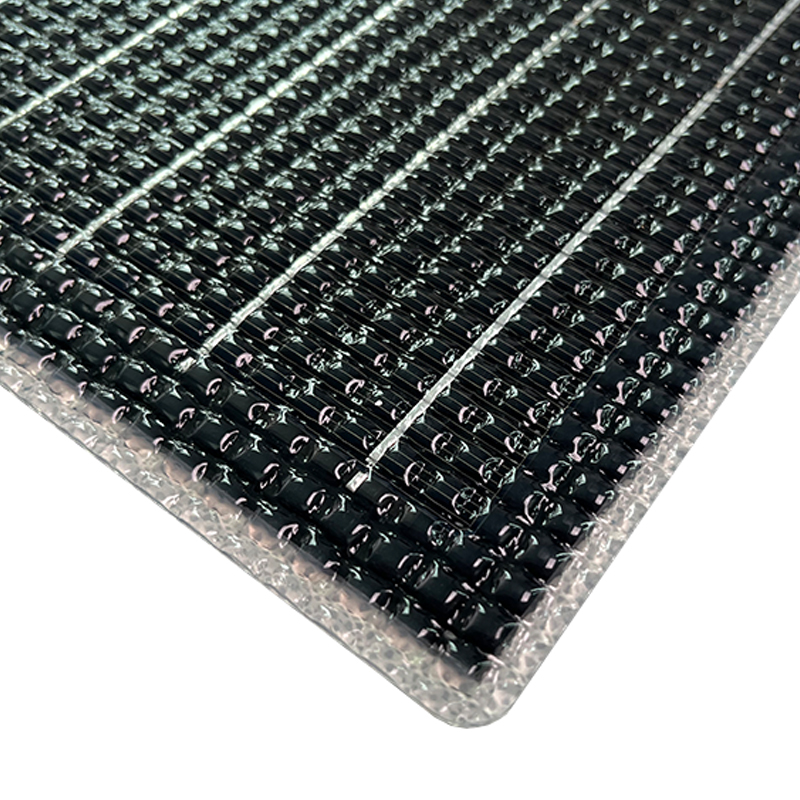
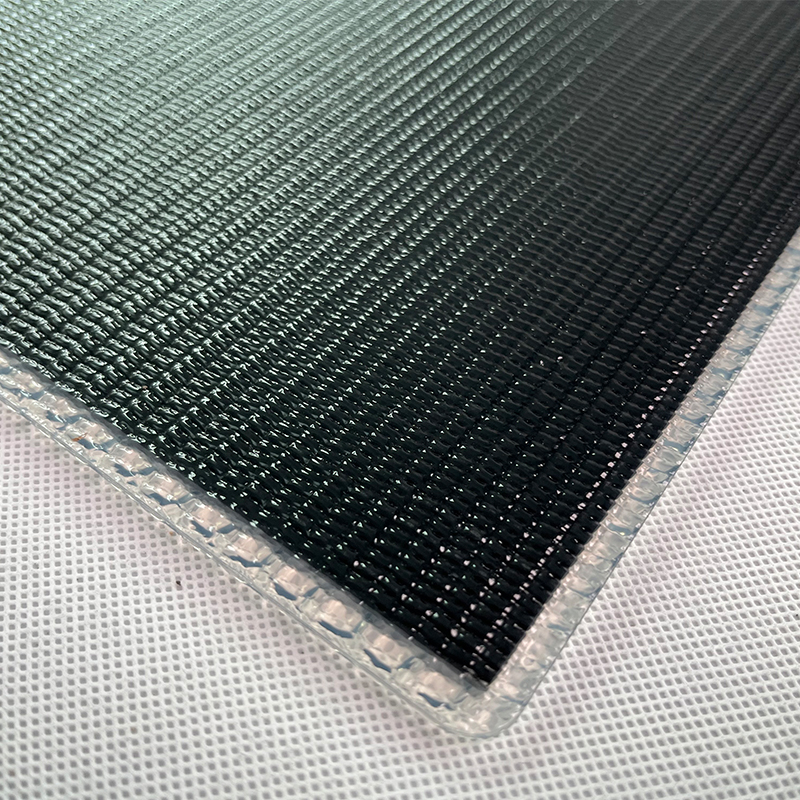
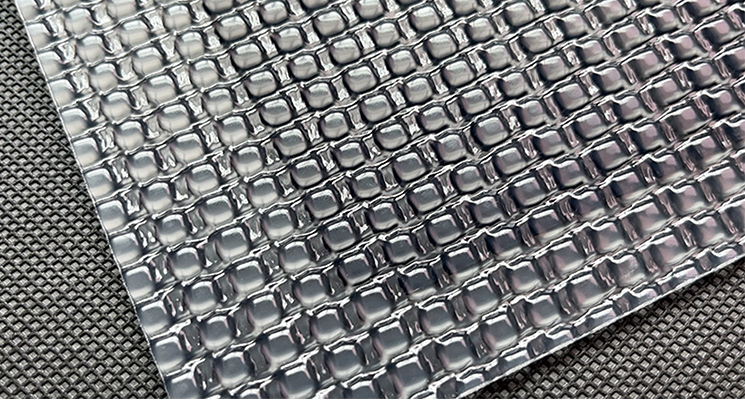
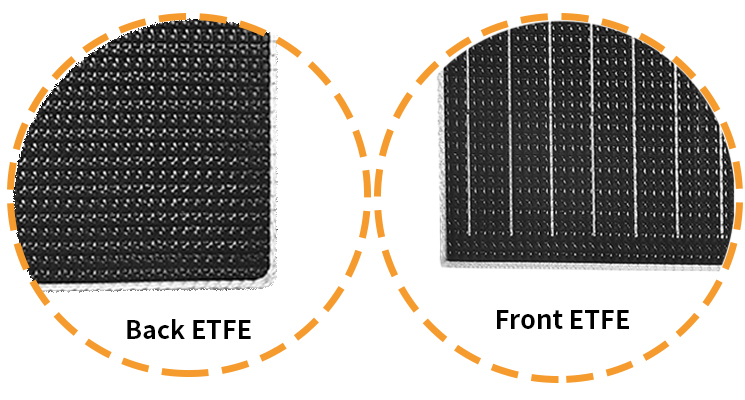
UV resistant & shatter-proof polymer
Designed for Marine & maintenance-free, easy to install
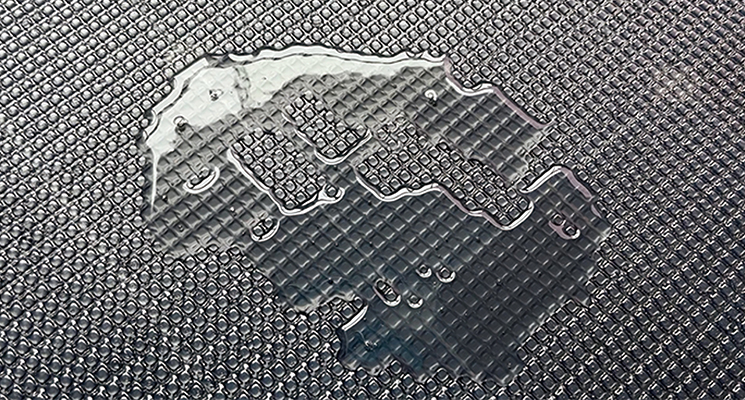
All material in encapsulated inside, 100% fully waterproof
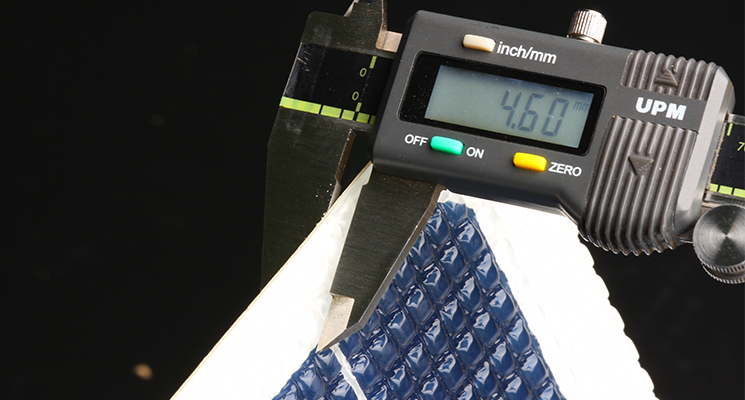
Marine Solar Panel only 4.60mm thick, reduces weight
Easy to install on flat deck
A flexible solar panel is a lightweight, bendable solar module made with thin-film or ultra-thin crystalline solar cells. Unlike traditional glass panels, flexible panels can be mounted on curved or uneven surfaces such as RV roofs, boats, tents, and curved metal roofs.
Most flexible solar panels can safely bend up to a certain radius (for example, around 10–30 degrees), depending on the design and material. They are flexible, not foldable. Over-bending or repeatedly bending the panel may damage the solar cells and reduce its lifespan.
Flexible solar panels are lightweight, thin, easy to install, and suitable for curved or limited-space surfaces. They are ideal for RVs, yachts, campervans, tents, and off-grid mobile applications where weight and aerodynamics are important.
In general, flexible solar panels have slightly lower efficiency than high-quality rigid glass panels. However, for mobile and curved-surface applications, the flexibility and easy installation of flexible panels often outweigh the small efficiency difference.
Flexible solar panels can be installed using adhesive, mounting tapes, or mechanical fasteners depending on the surface. The surface should be clean, dry, and smooth. Good ventilation and correct wiring with a compatible solar charge controller are important for safety and long-term performance.
Most flexible solar panels are designed to be waterproof and weather-resistant, with protective layers such as ETFE or similar materials. However, they should not be walked on, sharply folded, or installed on extremely rough surfaces that may scratch or damage the laminate.
The lifespan of a flexible solar panel depends on the material, production quality, and installation environment. High-quality flexible panels can work for many years under normal use, but in harsh environments (high temperature, strong UV, salt spray), proper installation and regular inspection are important to extend service life.