73 MW Photovoltaic Project in California Now Online in Tulare County
The 73 MW photovoltaic project in California that people in the industry call the Luciana solar project has now moved into full commercial operation. It is built near Ducor in Tulare County, a quiet part of the state that most drivers just pass on the highway without thinking too much about energy. Out there, on former open land, the site is now covered with rows of solar panels feeding power into the grid.
On the surface, the story is simple: 73 megawatts of solar capacity, enough electricity for more than 20,000 homes in California. But behind that basic figure there is quite a bit going on — jobs, tax revenue, and a long contract that ties the plant to customers many miles away in the East Bay.
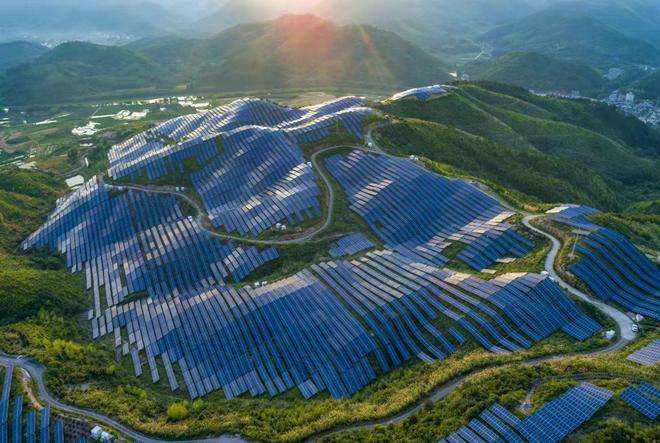
A Big Solar Field Outside a Small Community
If you drive out toward Ducor, the project does not look flashy. No huge tower or visitor center, just long lines of panels catching the sun. This 73 MW photovoltaic project in California was built as a classic utility-scale plant: fixed layout, direct connection to the grid, and designed to run quietly for decades.
For Tulare County, which is better known for orchards and dairies than energy headlines, the Luciana project is one more sign that large pieces of the clean energy build-out are happening in rural areas. The energy, however, is not only for local use. Most of the output is contracted to customers in a different region of the state.
Jobs During Construction and Money After
During construction, more than 200 workers were on site at different phases. Most of them came out of local union halls from Tulare County and neighboring areas. For several months, that meant busy crews, full parking lots, and a bit more activity in nearby towns — fuel, food, short-term rentals.
Now that the plant is built, the daily headcount is much smaller, but the project does not stop contributing. The 73 MW photovoltaic project in California pays ongoing fees and taxes that flow into Tulare County’s budget. Local governments often care about this part as much as the climate angle: it is a predictable stream of revenue linked to a long-lived asset.
Idemitsu Renewables and a Difficult Build Year
The developer behind the Luciana project is Idemitsu Renewables. Getting the plant to the finish line was not entirely smooth. The last few years have been full of supply chain problems for solar: modules delayed at ports, shifting import rules, higher shipping costs. Building a 73 MW plant in that environment required patience and a bit of stubbornness.
Despite that, Idemitsu took the 73 MW photovoltaic project in California from development to commercial operation. The company brought in financing, locked in equipment, and kept the schedule close enough that the long-term power contract still made sense for everyone involved.
Long-Term Power for EBCE Customers
The electricity from Luciana is sold under a 15-year power purchase agreement to East Bay Clean Energy (EBCE). EBCE buys power on behalf of customers in Alameda County and nearby cities. Most of those customers will never see the plant, and many will not even know its name. They just see cleaner electricity in their supply mix.
For EBCE, the 73 MW photovoltaic project in California is one more block of renewable energy that helps move its portfolio toward a 100% clean target by 2030. For the grid, it is a stable, contracted source of daytime solar output in a region with good sun and existing transmission.
A Small Piece of a Bigger Transition
On its own, Luciana will not change California’s entire energy system. It is one project among many. But it shows how the transition actually looks on the ground: a plant in a rural county, built by union workers, owned by a private developer, selling power to a public agency serving urban customers.
When people talk about climate targets, it can feel abstract. The 73 MW photovoltaic project in California makes those targets a bit more concrete. There is a real site, real steel in the ground, power flowing every sunny day, and a contract that ties it all together for 15 years. For Tulare County, that means new revenue. For EBCE, it means more clean power. For the state, it is another step — not perfect, not dramatic, but real.
Related recommendations
-

Solar Panel Electric Fence: A Practical Guide for Reliable Off-Grid Protection
215Discover how a solar panel electric fence delivers reliable off-grid livestock and property protection. Learn sizing, battery requirements, installation tips, and real-world performance.
View details -
China Flexible Solar Panel: Manufacturer Guide for Global Buyers
97A China flexible solar panel is a lightweight photovoltaic module designed for applications where rigid panels may be difficult to install. Buyers should ver...
View details -
Solar Panels for Tiny House: Complete Guide to Off-Grid Energy Solutions
190Solar panels for tiny house provide clean, reliable power. Learn system sizing, costs, installation tips, batteries, and flexible solar solutions from Bright Solar.
View details -
Complete Solar Systems for Off Grid Living
203Design complete solar systems for off grid living with the right panels, batteries, inverter, and protection. Learn sizing, wiring, storage, and real-world system planning.
View details