 Bright solar
Why Are Rigid Solar Panels Always Popular?
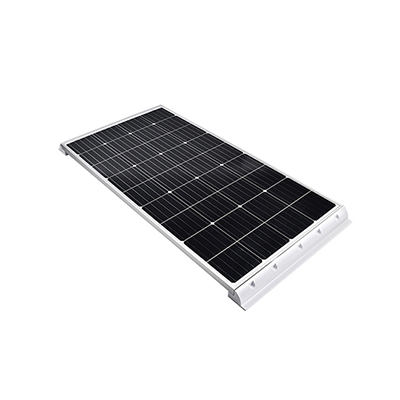
RV Solar Panels
ABS & Aluminum Frame Optional
RV solar panels are designed to balance safety, space utilization, and energy efficiency, specifically for vehicle load-bearing, power demand, and installation conditions. Adopting an ABS or streamlined aluminum frame effectively reduces wind resistance and improves driving safety. The special reinforced installation structure ensures a firm fit with the roof, providing a stable and continuous power supply even during driving. It is suitable for various vehicle types such as RVs, campers, caravans, trucks, and buses.
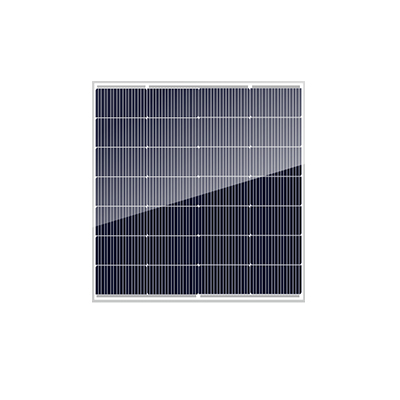
Rigid Solar Panels
Cost-Effective Solution
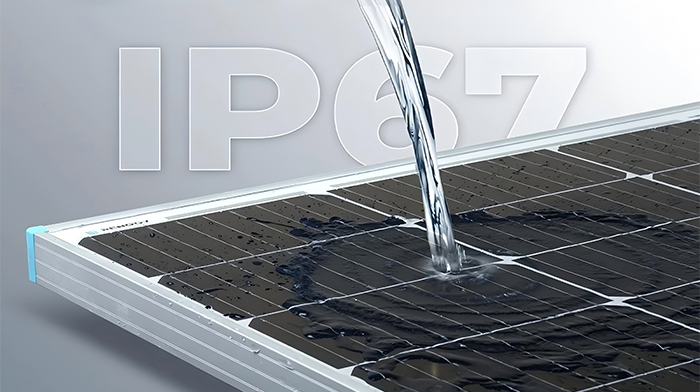
Features lightweight tempered glass with anti-scratch and anti-scratch properties to protect solar cells from damage and scratches; Hard glass panels have weather resistance, waterproofing, high temperature resistance, and moisture resistance, making them easy to cope with various harsh installation environments such as off-grid and grid-connected environments; Beautiful and coordinated design, can perfectly integrate into any installation style. Suitable for both off-grid environments and grid-connected systems.
Off Grid
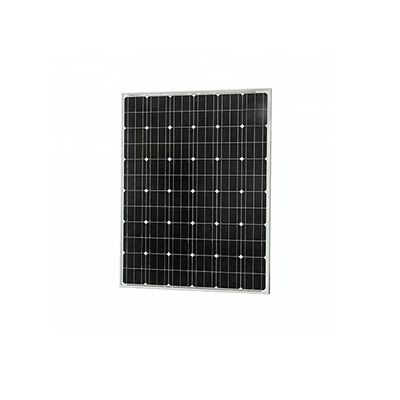
12V Or 36V You Can Choose
We offer 12V and 36V options, suitable for applications such as RVs, Trucks, Cabins, Camping, Outdoor Activities, And Emergency Power Systems. Built with tempered glass and a durable polymer material frame, it provides stable, efficient, and continuous power output in outdoor off-grid environments, providing an economical, efficient, and sustainable energy solution for various users in off-grid scenarios.
On Grid
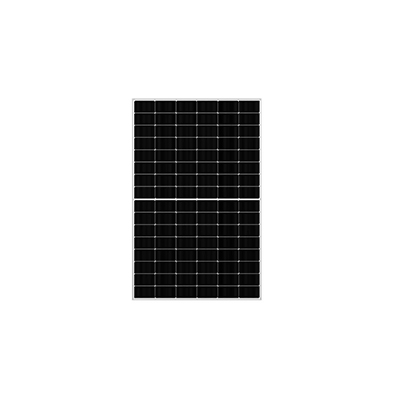
Save Energy And Cut Bills
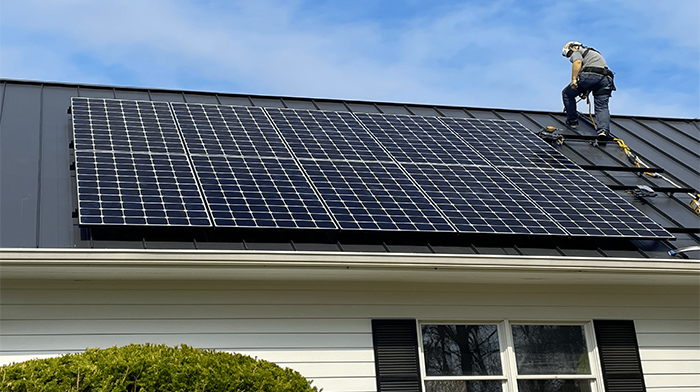
Ideal for residential roofs, balconies, commercial buildings, and industrial facilities where users can connect to the public power grid. It can generate clean electricity for its own use while feeding back excess electricity to the grid, which helps reduce users' energy costs. With high efficiency, durability, and strong weather resistance, we provide users with stable and long-term energy solutions.
Economical And Efficient Output Performance
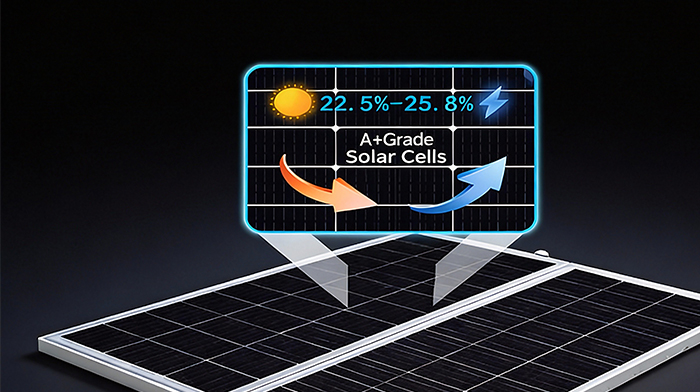
Rigid solar panels have always been the most commonly used in the market, whether in off-grid or grid-connected systems, with lower costs per watt, less maintenance requirements, lower long-term investment, and lower overall costs. Using A+Grade SunPower/Mono/HBPC Cells and adopting industry-leading technology, the layout of the battery cells is optimized and designed to maintain the best efficiency output power. The highest conversion efficiency can reach 25.8%.
Explore More Series About Brightsolar
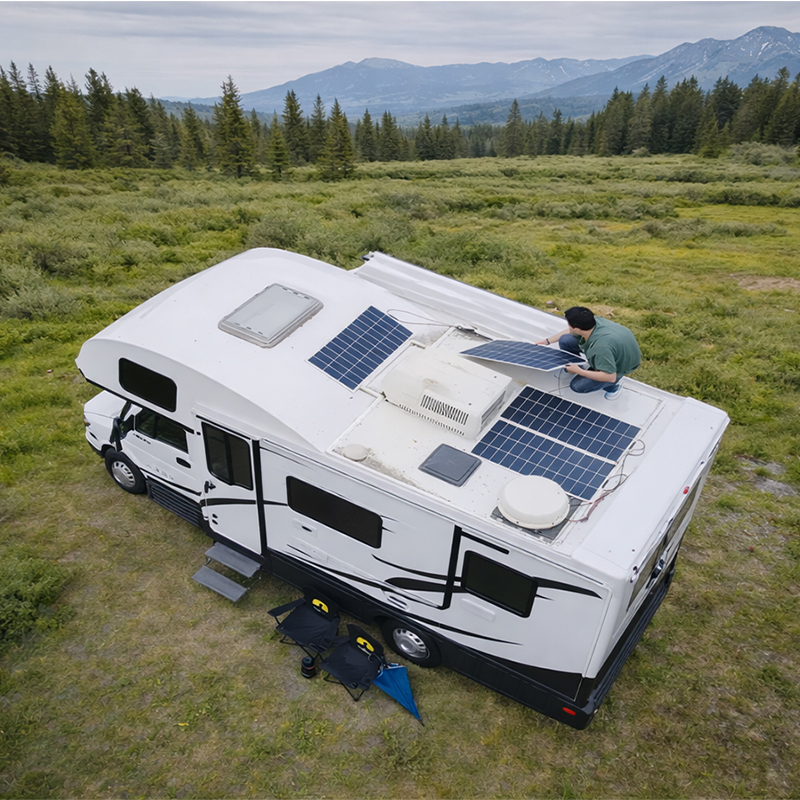
Flexible Solar Panels
Lightweight, Highly Portable, and Installable on Virtually Any Surfaces. Engineered for RVs, Marine, and Off-Grid Applications with Uneven or Curved Surfaces.
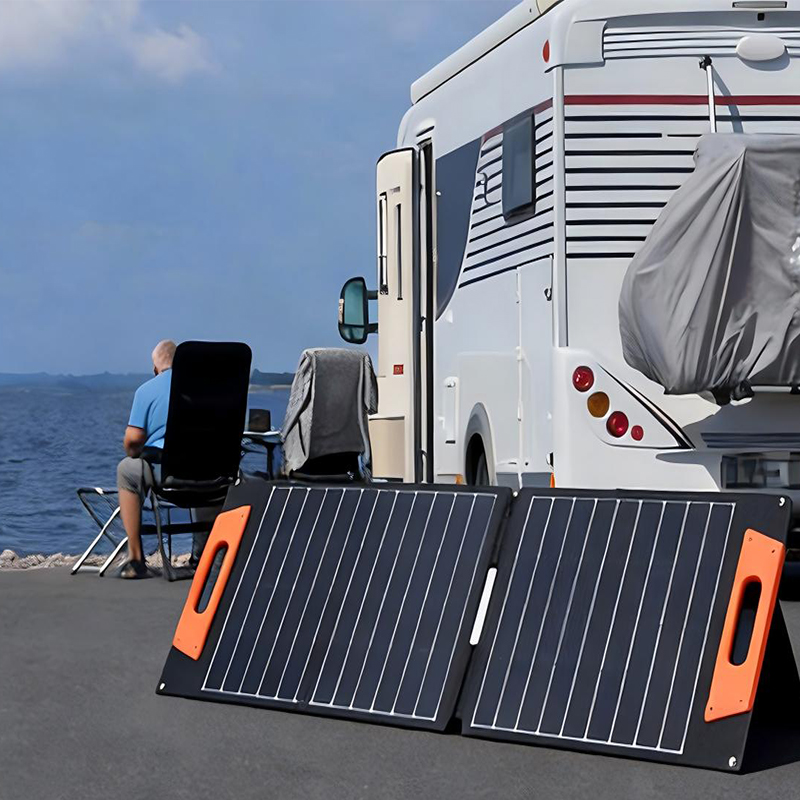
Portable Solar Panels
The folding solar panel is foldable, equipped with adjustable mounting brackets, easy to move and carry, and simple to use and install.
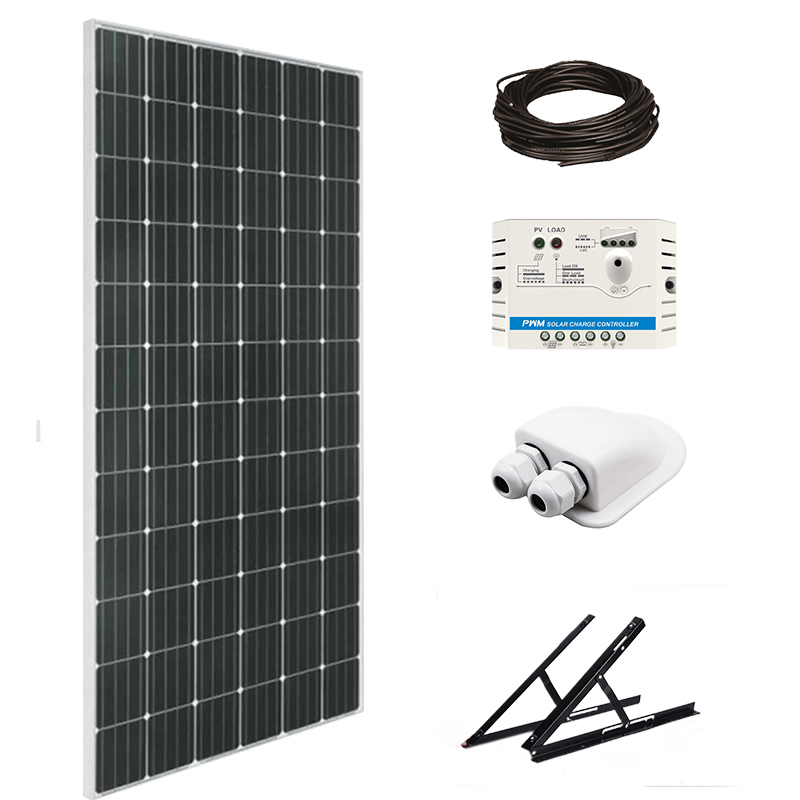
Solar System kits
Solar system kits provide a complete and easy-to-install solution for powering off-grid users, integrating solar panels, controllers, and accessories to deliver reliable and scalable energy.
Frequently Asked Questions About Flexible Solar Panels
A flexible solar panel is a lightweight, bendable solar module made with thin-film or ultra-thin crystalline solar cells. Unlike traditional glass panels, flexible panels can be mounted on curved or uneven surfaces such as RV roofs, boats, tents, and curved metal roofs.
Most flexible solar panels can safely bend up to a certain radius (for example, around 10–30 degrees), depending on the design and material. They are flexible, not foldable. Over-bending or repeatedly bending the panel may damage the solar cells and reduce its lifespan.
Flexible solar panels are lightweight, thin, easy to install, and suitable for curved or limited-space surfaces. They are ideal for RVs, yachts, campervans, tents, and off-grid mobile applications where weight and aerodynamics are important.
In general, flexible solar panels have slightly lower efficiency than high-quality rigid glass panels. However, for mobile and curved-surface applications, the flexibility and easy installation of flexible panels often outweigh the small efficiency difference.
Flexible solar panels can be installed using adhesive, mounting tapes, or mechanical fasteners depending on the surface. The surface should be clean, dry, and smooth. Good ventilation and correct wiring with a compatible solar charge controller are important for safety and long-term performance.
Most flexible solar panels are designed to be waterproof and weather-resistant, with protective layers such as ETFE or similar materials. However, they should not be walked on, sharply folded, or installed on extremely rough surfaces that may scratch or damage the laminate.
The lifespan of a flexible solar panel depends on the material, production quality, and installation environment. High-quality flexible panels can work for many years under normal use, but in harsh environments (high temperature, strong UV, salt spray), proper installation and regular inspection are important to extend service life.