 Bright solar
Why Is The RS Solar Panel Worth Choosing
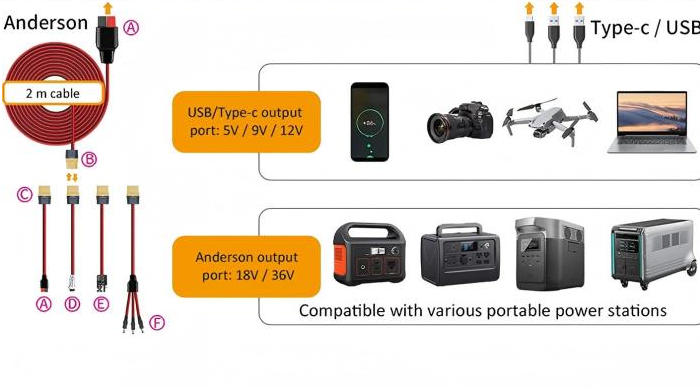
Four Core Advantages-RS Solar Panel
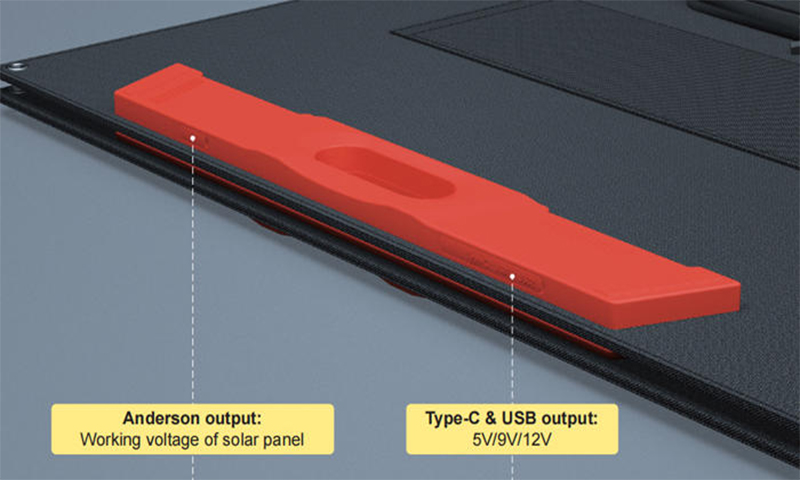
Convenient Output Port
Equipped with a high-quality Convenient output port, effectively preventing rainwater, dust, etc. from entering the interior of the panel, which is beneficial for maintaining stable operation of the internal circuit system. At the same time, a waterproof design is beneficial for ensuring safety during use and reducing circuit risks in outdoor use. Safe and reliable, very suitable for users to use in camping, travel, or outdoor environments.
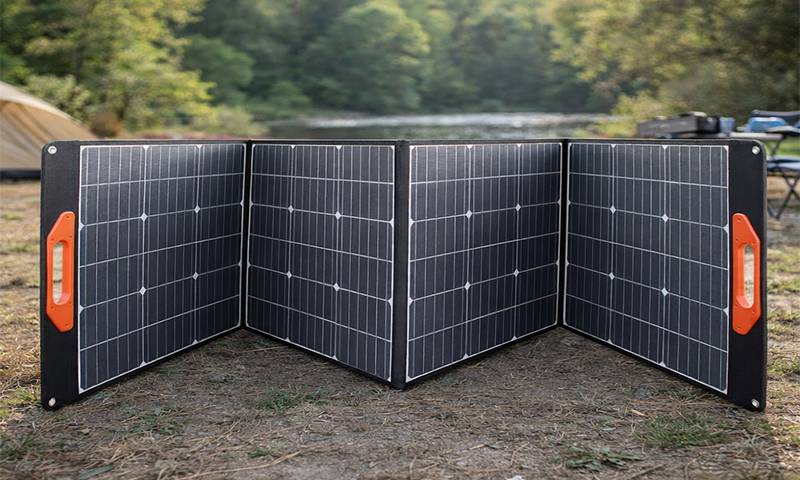
Foldable & Portable
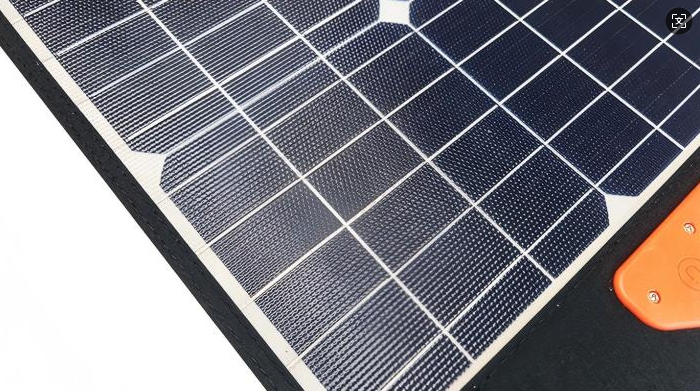
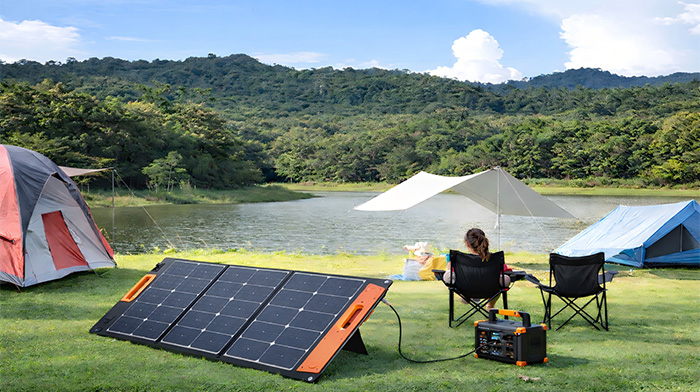
The panel features a foldable design that optimizes solar cell layout, ensuring system stability during both deployment and storage. Its magnetic handle facilitates easy carrying and portability. The ultra-lightweight construction allows for convenient storage in backpacks or vehicles, as well as rapid deployment. This makes it ideal for camping, road trips, outdoor work, and emergency power applications.
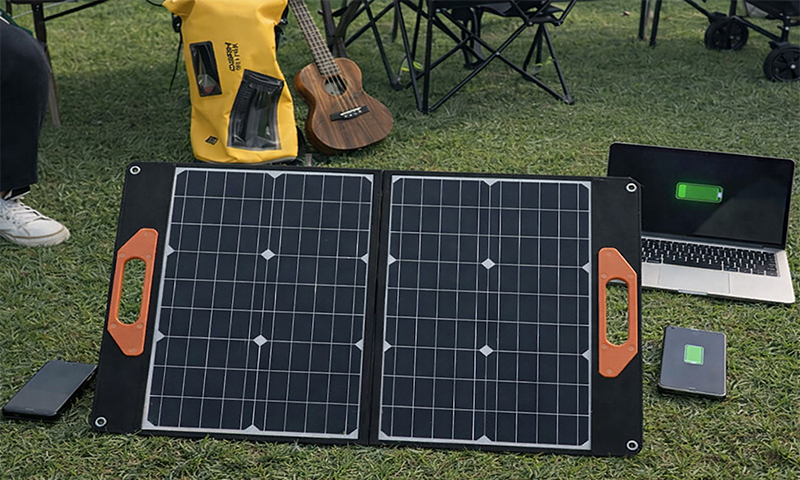
Plug And Play
The handle features a multi-port design supporting Anderson connectors, Type-C/USB outputs. This plug-and-play design eliminates the need for complex wiring or specialized tools. Simply unfold to connect devices or energy storage systems. Quick installation makes it ideal for temporary power needs and emergency scenarios, delivering stable power effortlessly.
Weather-Resistant
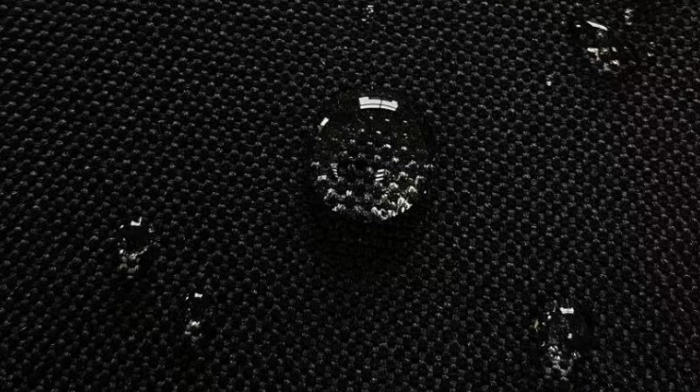
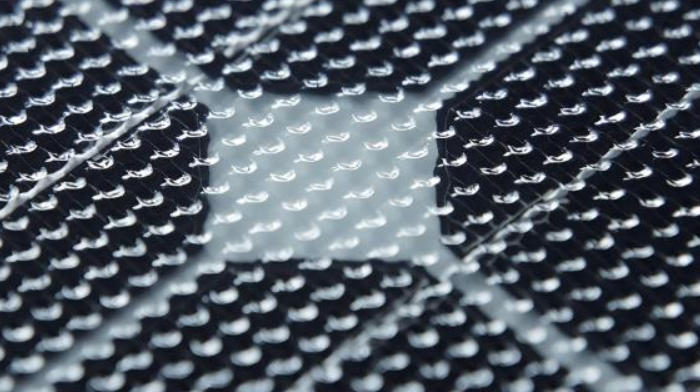
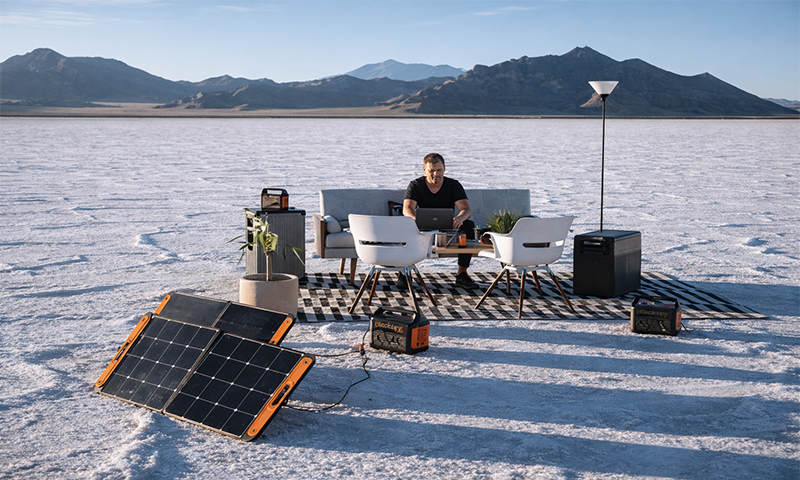
The ETFE surface treatment on the panel, combined with premium fabric, delivers weather resistance and durability. It offers excellent waterproofing, dustproofing, moisture resistance, and high/low temperature tolerance. Even in demanding outdoor environments, it maintains stable, continuous power generation, making it a highly reliable outdoor energy solution.
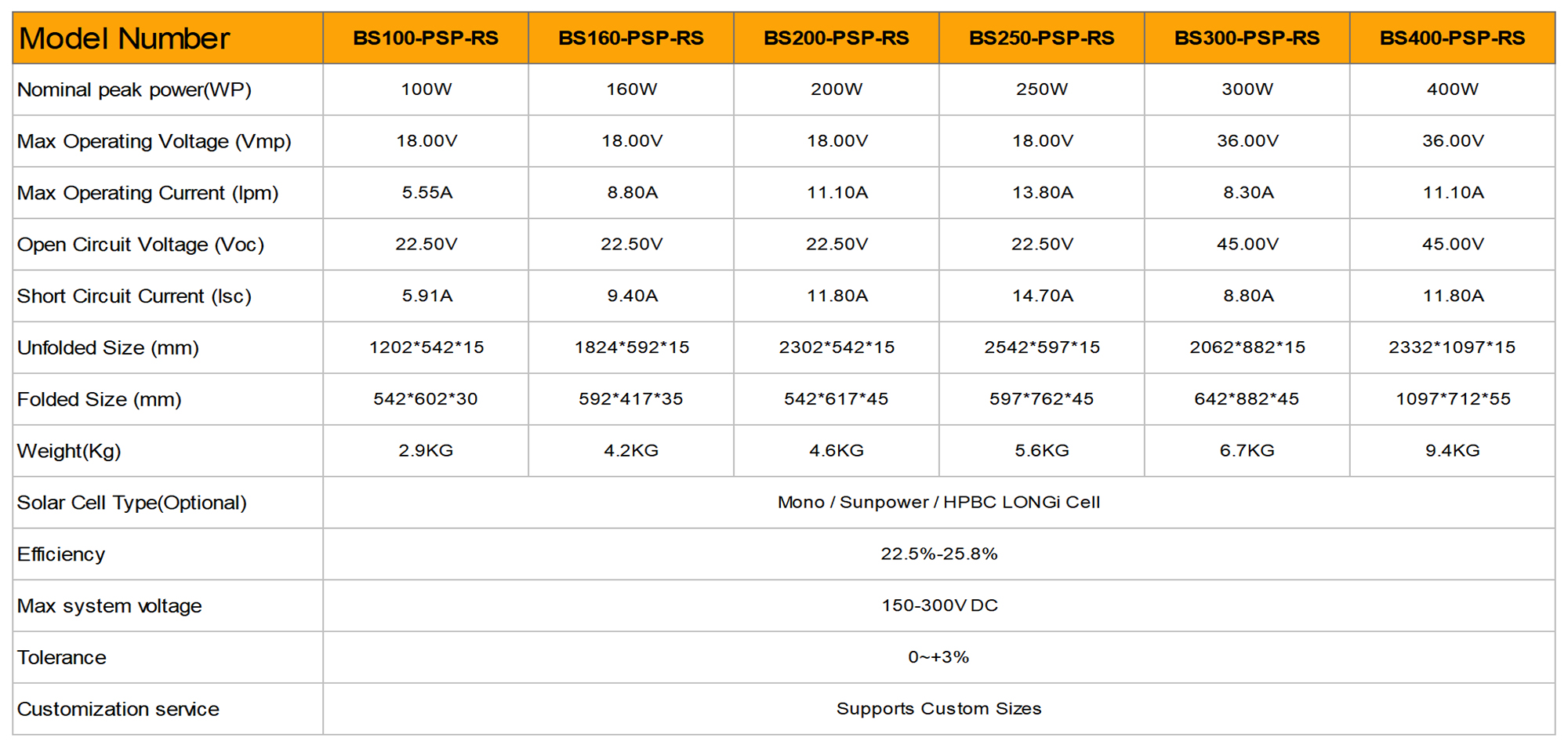
Product Specifications
Why Are Foldable Solar Panels More Suitable For Outdoor Use Than Flexible Solar Panels?
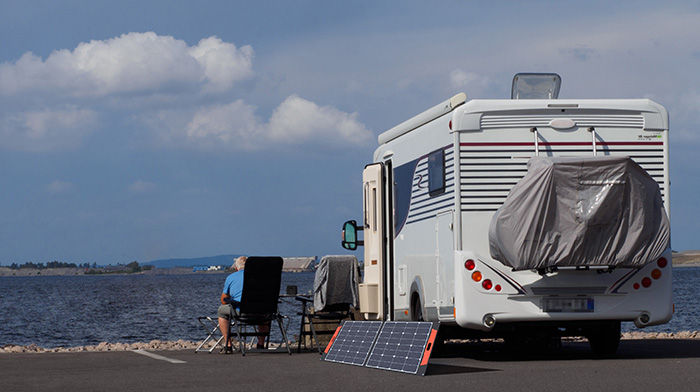
Compared to flexible solar panels, foldable solar panels not only have the same ultra lightweight design as flexible solar panels, but also have convenient carrying handles and folding functions, making them very suitable for outdoor use; Not only that, the foldable solar panel also comes with a junction box that supports multiple output ports, providing users with plug and play functionality, and can provide power support for outdoor electronic devices anytime, anywhere; The unique adjustable bracket allows it to adjust the panel position at any time, obtain the optimal illumination angle, capture more sunlight, maintain optimal output efficiency, and provide users with a continuous supply of power support. Suitable for frequent movement and complex outdoor environments, it is a more stable and efficient choice for outdoor applications.
Where You Can Use ?
Frequently Asked Questions About Flexible Solar Panels
A flexible solar panel is a lightweight, bendable solar module made with thin-film or ultra-thin crystalline solar cells. Unlike traditional glass panels, flexible panels can be mounted on curved or uneven surfaces such as RV roofs, boats, tents, and curved metal roofs.
Most flexible solar panels can safely bend up to a certain radius (for example, around 10–30 degrees), depending on the design and material. They are flexible, not foldable. Over-bending or repeatedly bending the panel may damage the solar cells and reduce its lifespan.
Flexible solar panels are lightweight, thin, easy to install, and suitable for curved or limited-space surfaces. They are ideal for RVs, yachts, campervans, tents, and off-grid mobile applications where weight and aerodynamics are important.
In general, flexible solar panels have slightly lower efficiency than high-quality rigid glass panels. However, for mobile and curved-surface applications, the flexibility and easy installation of flexible panels often outweigh the small efficiency difference.
Flexible solar panels can be installed using adhesive, mounting tapes, or mechanical fasteners depending on the surface. The surface should be clean, dry, and smooth. Good ventilation and correct wiring with a compatible solar charge controller are important for safety and long-term performance.
Most flexible solar panels are designed to be waterproof and weather-resistant, with protective layers such as ETFE or similar materials. However, they should not be walked on, sharply folded, or installed on extremely rough surfaces that may scratch or damage the laminate.
The lifespan of a flexible solar panel depends on the material, production quality, and installation environment. High-quality flexible panels can work for many years under normal use, but in harsh environments (high temperature, strong UV, salt spray), proper installation and regular inspection are important to extend service life.