 Bright solar
Best Advanced Technology For Marine Solar Panel
Why Bright Solar H Series Is Suitable for Complex Marine Environments ?
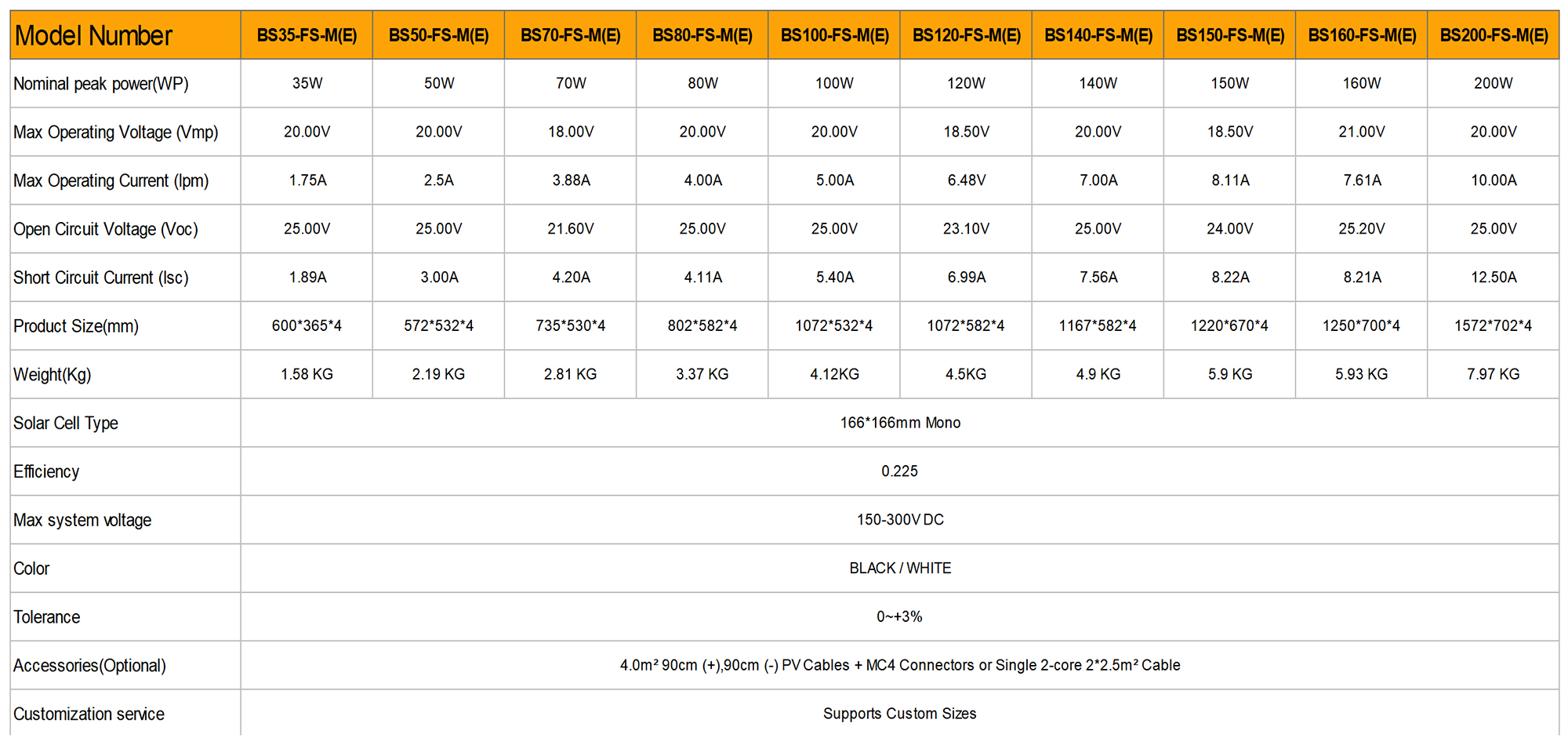
Product Specifications
Why Bright Solar H Series Can Help Your Project Grow?
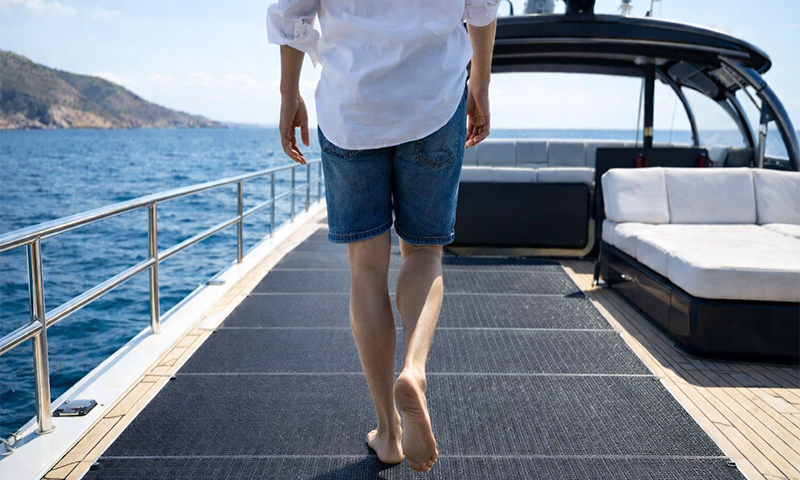
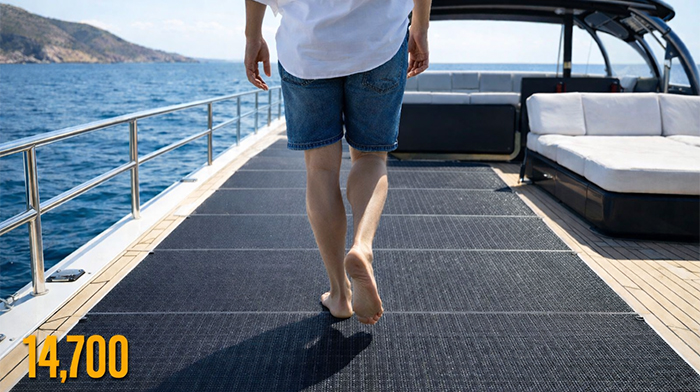
Walkable Design & Step On Test
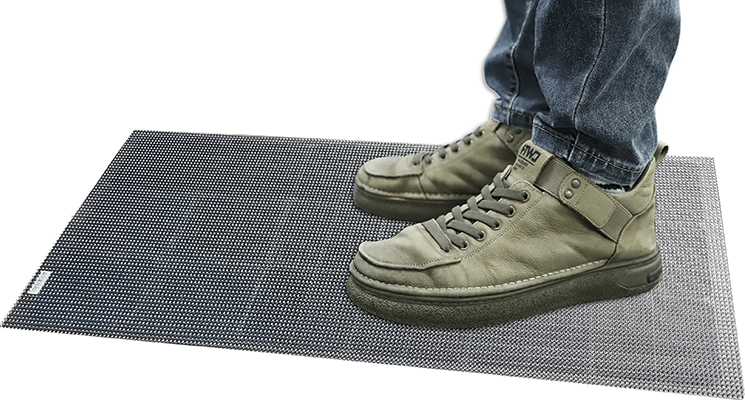
Utilizing advanced raw materials to meet the demands of harsh environments requiring exceptional durability and safety ensures stable performance while guaranteeing safe load-bearing capacity. Each panel undergoes real-world walking tests with real-time data logging to verify structural integrity under actual load conditions. An ideal solution for marine vessels, roofing, deck installations, and yachts.
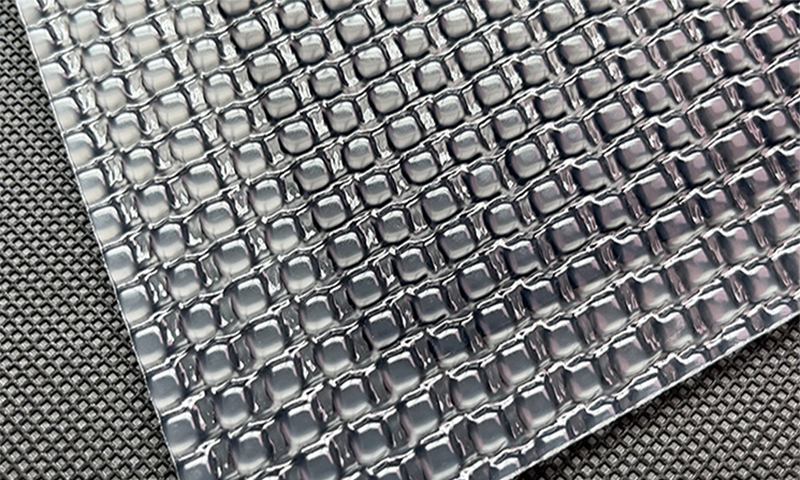
Anti-Slip & Impact Resistant Design
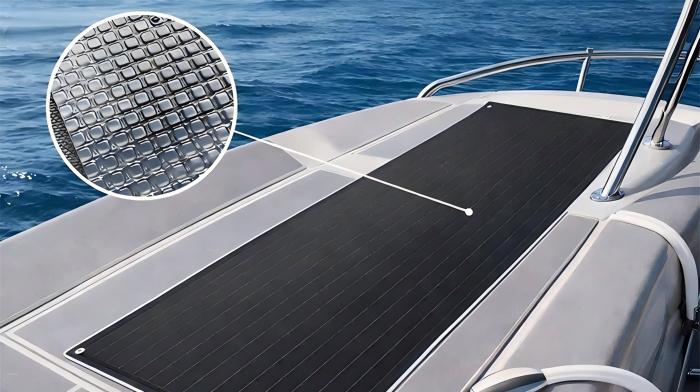
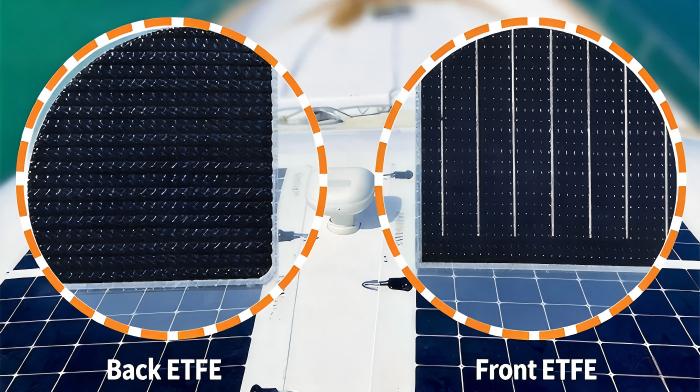
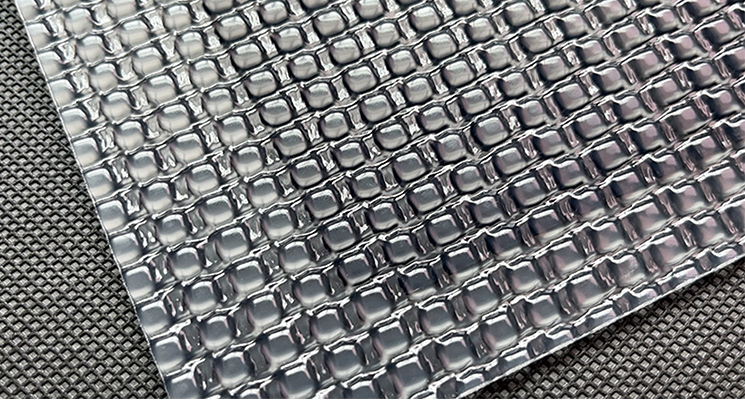
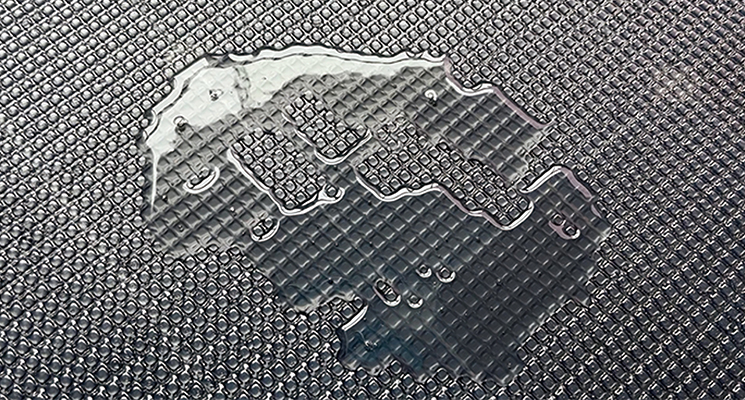
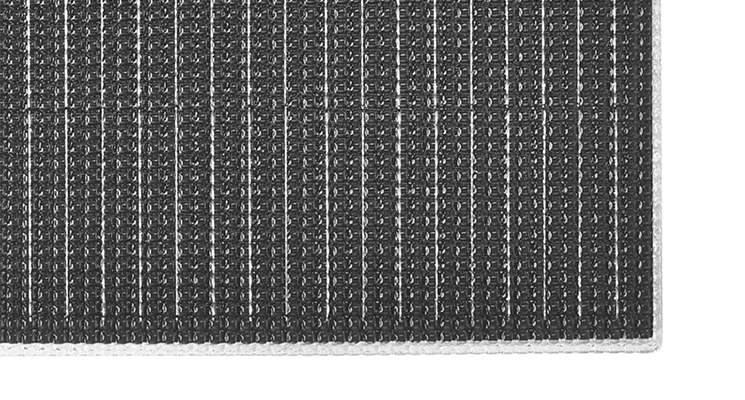
The surface features a high-molecular-weight large-particle design to enhance slip resistance, ensuring safe footing during installation. Advanced raw materials and a double-sided ETFE structure significantly improve overall strength and impact resistance, reducing surface damage and the risk of battery rupture. Suitable for demanding installation environments such as yacht decks, ship decks, and rooftops, it guarantees stable and continuous power output.
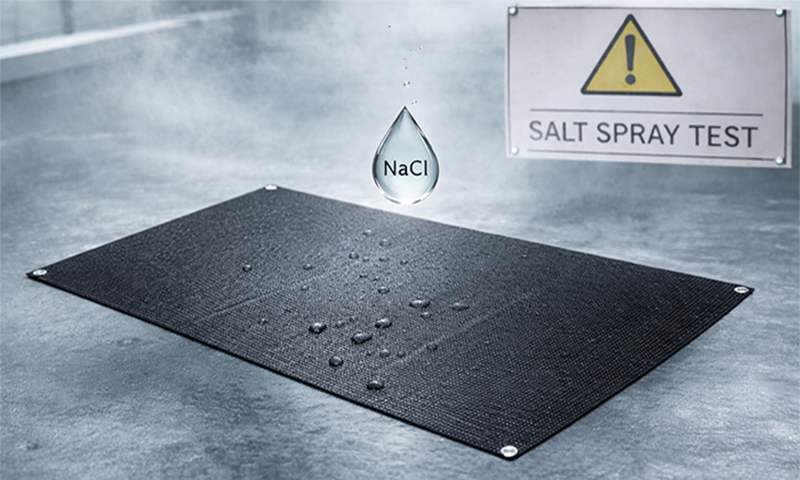
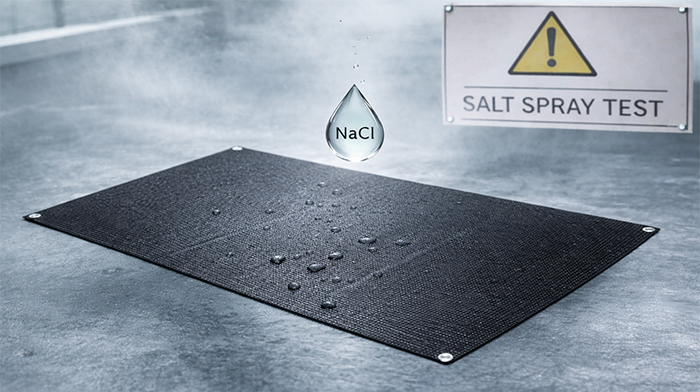
Saltwater Resistant & Weather Resistance
Manufactured with corrosion-resistant materials and protective coatings, it passes IEC salt spray testing to effectively withstand seawater corrosion and humid environments, ensuring stable operation of internal components. Its robust internal and external encapsulation structure, combined with weather-resistant materials, guarantees reliable, stable, and continuous power output in all weather conditions. Suitable for marine vessels, yachts, RVs, and off-grid outdoor applications.
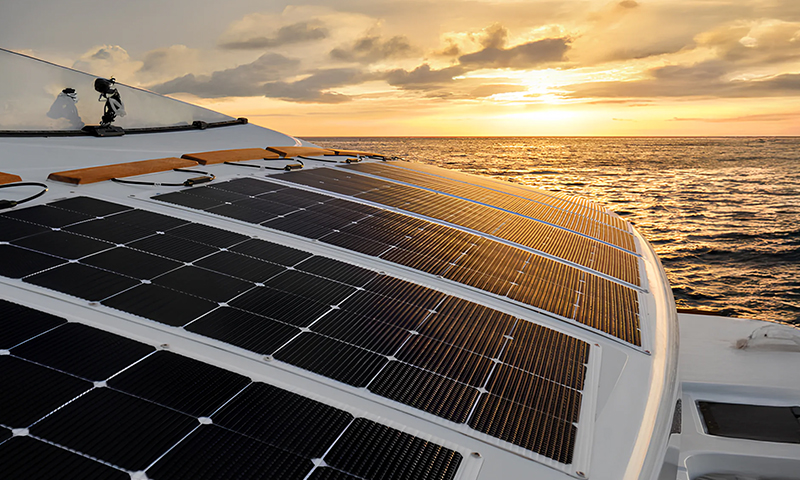
Ideal for Deck
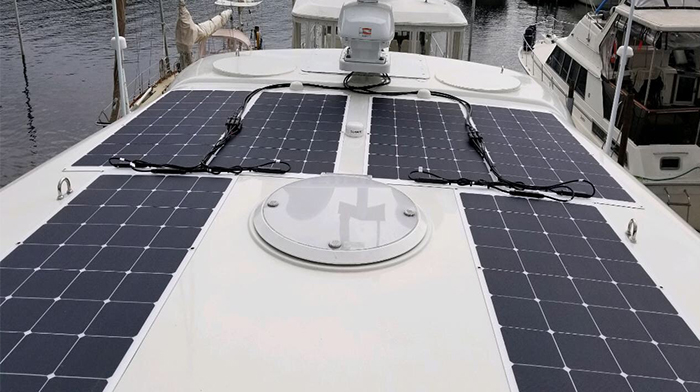
The H Series specifically engineered for marine decks, our solar panels withstand harsh ocean conditions while delivering reliable, stable power. Installation is effortless with no drilling required, ensuring a seamless fit to yacht deck surfaces. They blend seamlessly with yacht color schemes for a unified, aesthetically pleasing design. Built to last, these panels guarantee your marine adventures are always powered up.
Rugged & Tough Design for Yachts
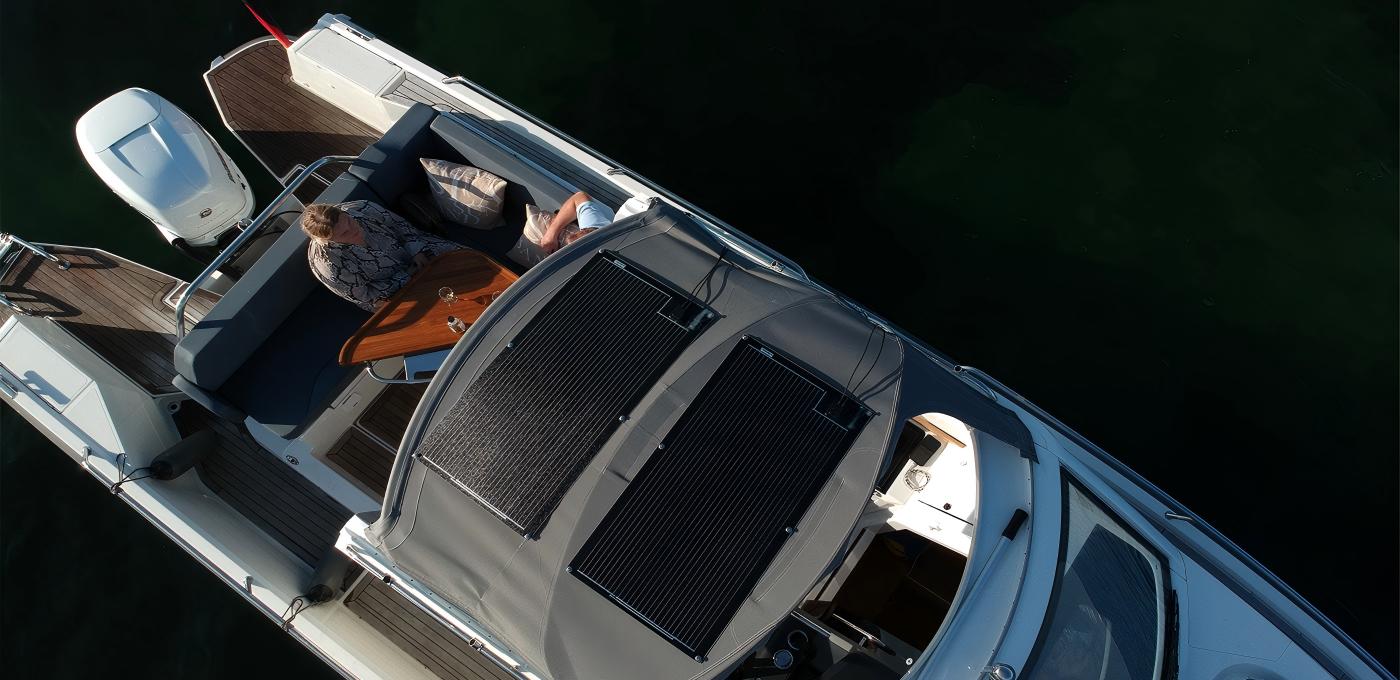
Professional Process, Perfectly Showcasing Your Yachts Value
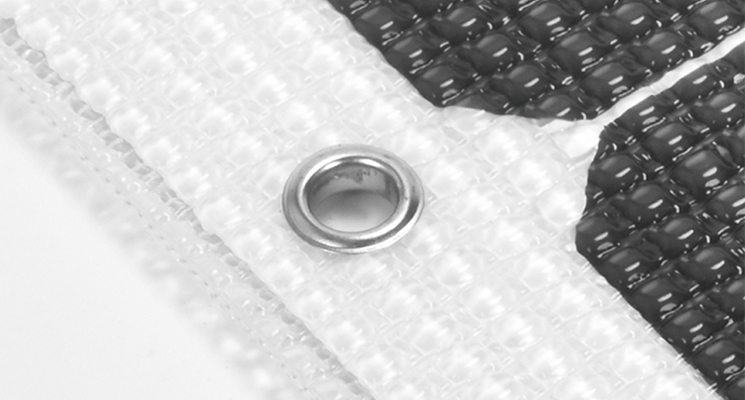
Brightsolar H Series utilizes premium materials and features aflawless aesthetic design, seamlessly integrating with marine equipment. Combining beauty and strength, it not only enhances panel corrosion resistance but also simplifies installation. Offering customizable service and surface designs, it perfectly adapts to all types of marine equipment.
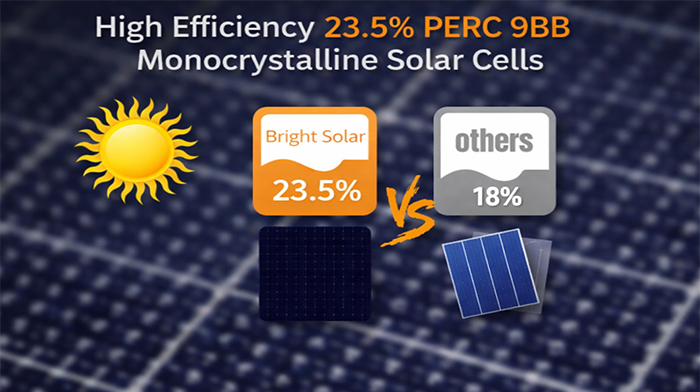
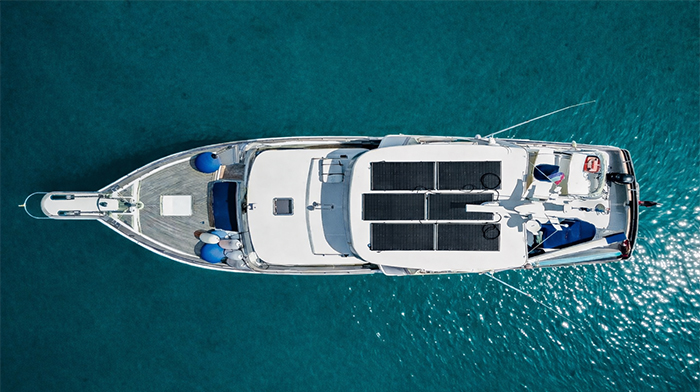
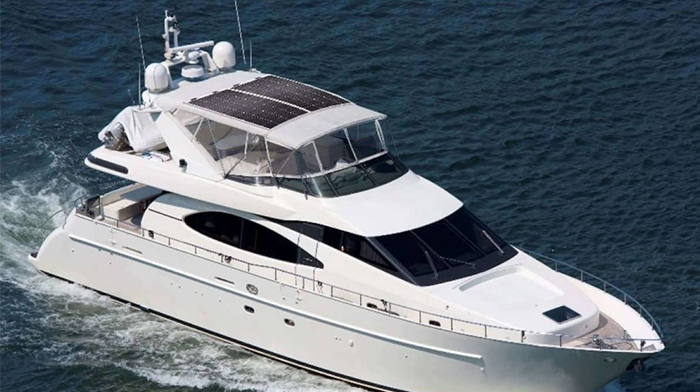
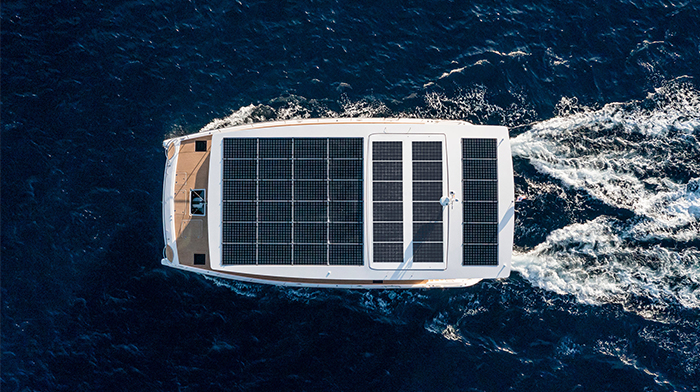
H Series typically utilizes SunPower/Mono/BC Cells. Compared to traditional panels, they deliver optimal power generation per square foot within suitable spaces. The unique characteristics of deck structures often restrict the installation of rigid panels. The ultra-lightweight design of flexible panels makes them a popular choice for portable installations in marine applications.
Power Anywhere, Any Scenario
Frequently Asked Questions About Flexible Solar Panels
A flexible solar panel is a lightweight, bendable solar module made with thin-film or ultra-thin crystalline solar cells. Unlike traditional glass panels, flexible panels can be mounted on curved or uneven surfaces such as RV roofs, boats, tents, and curved metal roofs.
Most flexible solar panels can safely bend up to a certain radius (for example, around 10–30 degrees), depending on the design and material. They are flexible, not foldable. Over-bending or repeatedly bending the panel may damage the solar cells and reduce its lifespan.
Flexible solar panels are lightweight, thin, easy to install, and suitable for curved or limited-space surfaces. They are ideal for RVs, yachts, campervans, tents, and off-grid mobile applications where weight and aerodynamics are important.
In general, flexible solar panels have slightly lower efficiency than high-quality rigid glass panels. However, for mobile and curved-surface applications, the flexibility and easy installation of flexible panels often outweigh the small efficiency difference.
Flexible solar panels can be installed using adhesive, mounting tapes, or mechanical fasteners depending on the surface. The surface should be clean, dry, and smooth. Good ventilation and correct wiring with a compatible solar charge controller are important for safety and long-term performance.
Most flexible solar panels are designed to be waterproof and weather-resistant, with protective layers such as ETFE or similar materials. However, they should not be walked on, sharply folded, or installed on extremely rough surfaces that may scratch or damage the laminate.
The lifespan of a flexible solar panel depends on the material, production quality, and installation environment. High-quality flexible panels can work for many years under normal use, but in harsh environments (high temperature, strong UV, salt spray), proper installation and regular inspection are important to extend service life.